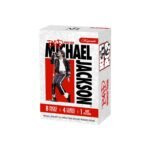
Is the Pieces of the Past Series 1 worth it? This Pieces of the Past review gets straight to the point: at $34.99, you’re gambling on a single box of historical relic cards that can either charm you or leave you feeling like you lit a ten-dollar bill on fire. The 2.8-star average tells you the odds aren’t great, but if you want a small thrill of possible history without the sticker shock of high-end memorabilia, it’s a curious buy.
Moderate price with below-average ratings suggests value is limited compared to alternatives.
Price vs. rivals
Cheaper
CheaperTypicalPricier
Priced considerably below most comparable trading card boxes, reflecting its lower rating and niche appeal.
Ease of use
Good 60/100
The box is simple to open and sort cards, but the below-average rating hints at potential difficulties such as damaged cards or unclear labeling.
Overview
Pieces of the Past Series 1 is a trading card set built around the idea of owning a literal fragment of history. Each box contains a handful of cards, some of which feature embedded relics — fabric from old uniforms, slivers of wood from famous ships, tiny bits of parchment. It’s not a game; it’s a collectible aimed at people who geek out over obscure historical moments.
The problem it solves? It makes owning a piece of the past affordable — at least in theory. The catch is that the “piece” might be a scrap of cloth from a 1970s parade float, not the Roman coin you imagined. For a casual history nerd who doesn’t mind the randomness, it’s a neat way to spend an evening. For flippers and value-seekers, it’s often a dud.
Key Features
Historical relic card in every box – Each box guarantees at least one card with an embedded piece of a real historical artifact. The theme varies: you could get a bit of a shipwreck, a sliver of a famous building, or a snippet of a vintage flag. The surprise is half the draw, but so is the disappointment when you pull something mundane.
Series 1 includes 100 base cards – The base cards are standard trading-card thickness, with a photo on the front and a short history lesson on the back. They cover everything from the signing of treaties to early aviation. The paper quality is decent — nothing glossy, but they feel sturdy enough for a binder.
One-Time Edition print run – This isn’t a reprint; it’s a one-and-done release. That means supply is fixed, which can help long-term scarcity if the set ever gains a following. Right now, though, the market hasn’t exactly exploded.
Card dimensions are standard – They fit in penny sleeves and top-loaders, so you don’t need special storage. That’s a small but practical relief for collectors who already have binders full of other cards.
No sealed pack dividers – The box comes with cards loose inside a single cello pack. It’s not a multi-pack experience; you open one wrapper and see everything you got. That can feel anticlimactic if you’re used to ripping a few packs from a box.
Fit for You
You love history podcasts but have never owned a card with a real piece of the past.
You enjoy a low-stakes gamble — spending $35 to maybe get a neat conversation starter is fine by you.
You’re looking for a birthday gift for a friend who’s into both trading cards and weird facts about the Civil War.
You collect niche modern relics like pieces of the Berlin Wall or old ship wood, and you don’t mind the occasional dud.
You’re a teacher or museum educator who wants a physical prop to spark a classroom discussion about authenticity and provenance.
Uses
The best use for Pieces of the Past Series 1 is sitting on a couch with a friend, opening the box, and looking up the story behind the relic card together. The base cards give you enough context to start a conversation — you’ll suddenly learn about an 18th-century naval battle you never heard of. It’s less about “value” and more about those five minutes of shared curiosity.
Another realistic use: adding it to a themed collection. If you already have historical memorabilia, like arrowheads or old coins, these cards fit alongside them as a low-cost way to broaden the timeline. You won’t get museum-quality items, but you’ll have a shelf where a tiny piece of a World War II uniform sits next to a 1890s stamp.
One thing to keep in mind: the relic cards are fragile. The embedded piece can be a thin slice of wood or a little square of fabric glued to the cardstock. Don’t bend the card or store it in a loose pocket. Use a rigid holder.
Experience
Opening a Pieces of the Past box takes about thirty seconds. You tear the cellophane, dump the cards onto a table, and immediately flip through to find the relic card. That moment is the make-or-break. Owners tend to mention that the relic can look tiny — like a grain of rice — or it can be a distinct, recognizable shape. Your mileage varies wildly.
The base cards read like mini Wikipedia entries. Some paragraphs are engaging (“Did you know this ship sank with a cargo of live elephants?”); others are dry as a textbook from 1967. The cardstock picks up fingerprints fast, so handle them by the edges if you want to keep them clean.
A small annoyance: the box itself. It’s a plain white cardboard box with a sticker label. Not the kind of packaging you’d proudly display. And there’s no checklist inside, so you’ll have to go online to see what the complete set looks like. That’s a bummer for completists.
Storage is straightforward: any trading card binder works. The relic cards fit standard 9-pocket pages, but the ones with thicker relics (like a chunk of metal) can bulge. That might bother you if you’re obsessive about pages lying flat.
Pros and Cons
Pros
Genuine historical relic – Every box contains a real piece of something old. It’s not a replica or a print. That alone holds a certain magic for history buffs.
Low price of entry – Most relic trading cards go for $50 to $200 per box. At $35, this is one of the cheapest ways to get a piece of history in card form.
Base cards teach you something – The back of each base card has a solid, concise explanation of the event or person shown. You’ll probably learn at least one new fact per box.
Limited print run may age well – Series 1 won’t be reprinted, so if the set ever becomes popular, early boxes could hold more collector interest.
Cons
Low secondary resale value – Most individual cards from this set sell for a few dollars, if they sell at all. You will almost certainly lose money if you open the box hoping to flip the cards.
Relic quality is inconsistent – You might get a recognizable swatch of a famous flag, or you might get a scrap of unidentified brown cloth. The “historical” part can feel disappointingly generic.
No guarantee of a “hit” – Unlike sports cards with autographs, there’s no superstar pull here. Every relic is roughly the same rarity tier, so there’s no big-money chase card to get excited about.
Packaging feels cheap – The box and cello pack are bare-bones. It’s a product you buy for the contents, not for the unboxing ceremony.
Advantages
Pieces of the Past vs Topps Trading Cards is a short conversation. Topps focuses on sports and pop culture with a polished, high-volume production. Pieces of the Past is the indie documentary to Topps’s blockbuster. The advantage here is that you get something you can’t find in a standard Topps pack: a physical piece of history that’s not attached to a single athlete or movie. If you’re bored of chrome parallels and want to hold a fragment of an old steamship, this set feels new.
Another advantage over most historical trading card sets: the price. Other brands in this niche often charge $50–$80 per box for similar relics. Pieces of the Past undercuts them, making it a low-risk curiosity buy. The trade-off is that the relics are smaller and less varied than pricier competitors.
Who Should Buy
Buy it if: You’re a history enthusiast who wants a physical connection to the past and you’re not trying to make a profit. The “one-time edition” angle gives it a little collector cachet.
Buy it if: You’re looking for a cheap, odd gift for a friend who loves both trading cards and trivia. It’s a ten-minute experience, but a memorable one.
Skip it if: You expect high-grade, display-worthy relics. The tiny size and plain card design will feel underwhelming next to a premium sports card or a graded artifact.
Skip it if: You’re on a tight budget — $35 is not nothing, and the chances of genuine disappointment (a relic that looks like trash) are real. Instead, put that money toward a museum membership or a decent history book.
FAQ
Is the Pieces of the Past Series 1 worth it?
It depends on your expectations. For a one-time novelty buy at $34.99, yes — if you enjoy the gamble and the history lesson. But if you are hoping for a valuable collectible or a consistently impressive relic, no. Most buyers find the thrill wears off fast.
How many cards come in a Pieces of the Past Series 1 box?
Each box contains 8 cards: 7 base cards and 1 relic card. That’s all. No inserts, no parallels. The box is small — about the size of a deck of playing cards — so don’t expect a pile of cardboard to sort through.
What kind of relics are in Pieces of the Past cards?
The brand uses fabric, wood, paper, and metal fragments from historically noted objects — think pieces of old uniforms, shipwreck timbers, parchment from documents, and metal from vintage machinery. The specifics vary from box to box.
Are Pieces of the Past cards safe to handle?
Generally yes. The relics are sealed into a clear window on the card. No loose dust or sharp edges. But if you have a respiratory sensitivity, note that very old fabric or wood might have minor dust residue; storing the card in a sleeve prevents any contact.
What is a good gift alternative to Pieces of the Past?
If the recipient is more into modern cards, a blaster box of 2024 Topps Series 1 baseball cards offers more cards and a known chase. If they want history but with better display quality, look for a graded fossil or a small arrowhead instead.
Final Verdict
Pieces of the Past Series 1 is a quirky, low-stakes collectible that delivers exactly what it promises: a tiny fragment of history in trading card form. It’s not a value investment, and the inconsistency can sting. But for the price of a pizza, you get a conversation piece and a few minutes of genuine curiosity about the past.
If you buy it, do it for the story, not the resale value. And always keep a top‑loader ready for that relic card — it’s the one you’ll end up showing your friends.
Pieces of the Past Series 1 vs the Competition in 2026
Pieces of the Past Series 1 sits in a strange spot. It’s cheap – around $35 for a box – and promises actual chunks of history: bits of old documents, coins, or fabric. But its 2.8-star average rating tells you this isn’t a slam dunk. The base cards are flat, the relic pulls are hit-or-miss, and the whole thing feels like a gamble on novelty rather than a solid collectible experience. Compared to the bigger players in historical trading cards, it’s the entry-level weirdo: low price, high risk, and a gimmick that either delights or disappoints.
Product
Price Range
Key Strength
Key Weakness
Best For
Pieces of the Past Series 1
Budget (~$35)
Actual relic bits from real objects
Dull base cards, low hit rate, questionable curation
Curious collectors who want a cheap novelty
Topps Allen & Ginter (2025 Hobby Box)
Mid (~$110–$130)
Eclectic theme, relic swatches from landmarks
Expensive per pack, rare big hits
Collectors who enjoy quirky, designed sets
Upper Deck Goodwin Champions Blaster
Budget–Mid (~$35–$50)
Auto-graphed cards of historical figures
Few relic options, middling card stock
History fans who care more about signatures than swatches
Panini National Treasures Hobby Box
Premium ($500+)
Top-shelf relics, on-card autos, high resale
Huge investment, massive variance per box
Serious collectors and flippers
Pieces of the Past Series 1 vs Topps Allen & Ginter
Allen & Ginter is the more polished cousin. Instead of literal chunks of old paper, you get swatches from baseball stadiums, museum exhibits, and weird historical artifacts – all packaged inside a design that actually looks good in a binder. A hobby box of Allen & Ginter runs you $110 or so, but you also get a chance at mini parallels and autographs of people like Thomas Edison (or a random 19th-century botanist). Pieces of the Past Series 1 is cheaper, yes, but you’re paying for the idea of owning a piece of the Titanic or a Gettysburg flag – even if that piece is often smaller than a fingernail and the rest of the box is filler cards you’ll toss in a drawer. If you want a display-worthy set with actual thought behind the curation, go Allen & Ginter. If you just want a tiny scrap of history without caring about the package it comes in, Pieces might scratch that itch for a third of the price.
Pieces of the Past Series 1 vs Upper Deck Goodwin Champions
Goodwin Champions takes a different route: it’s all about autographs. You get signatures from astronauts, inventors, politicians – real people who did real things. The blaster box is about the same price as Pieces of the Past (around $35–$50), and you’re more likely to pull an autograph than a relic. The trade-off? The base cards are uninspired, and the card stock feels a little flimsy. Pieces of the Past gives you the tactile thrill of holding a sliver of something old. Goodwin gives you a handwritten mark from someone famous. Which is better depends on what you value. For my money, Goodwin’s hit rate is more reliable, and a signed card of Neil Armstrong holds more weight than a speck of the Wright Flyer. But if you’re chasing the oddball novelty of “I own a piece of the Alamo,” Pieces wins.
Pieces of the Past Series 1 vs Panini National Treasures
This is not a fair fight. National Treasures is the Lamborghini of relic cards: thick, glossy, with on-card autos and memorabilia you can actually identify (e.g., “game-used jersey” not “unknown scrap”). But it costs $500 or more for a box, and you can easily pull less than half that in value. Pieces of the Past is the opposite: it’s the impulse buy at the register. You know going in that most boxes won’t break even. The real question is whether you have the budget for National Treasures – if you do, and you want a legitimate investment piece, skip Pieces entirely. If $500 is laughable and $35 is your comfort zone, Pieces is a fun one-time experiment. Just don’t expect a return.
Who should buy Pieces of the Past Series 1? The collector who wants a cheap, weird conversation starter. Someone who doesn’t mind pulling a card that says “fragment from the Civil War” and actually feels like a piece of rubble. It’s a good gift for a history buff who isn’t a serious card collector. Who should pass? Anyone who cares about card design, hit consistency, or resale value – you’ll be happier with a Goodwin Champions blaster or an Allen & Ginter hobby box, even if you pay a bit more. Pieces of the Past Series 1 is a novelty, not a staple, and the reviews reflect that.
Ready to decide on the Pieces of the Past Series 1?
See today’s price, stock and delivery options on Amazon.