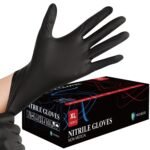
Offers exceptional value with high user satisfaction at an affordable price point.
Price vs. rivals
Typical
CheaperTypicalPricier
Priced well below many comparable disposable nitrile glove options, positioning it as a budget-friendly choice among food-safe alternatives.
Ease of use
Excellent 90/100
These gloves are easy to put on and remove, provide a secure grip, and are simple to use for food handling and other everyday tasks.
Overview
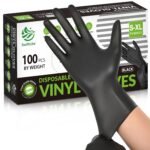
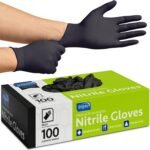
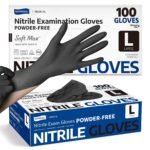
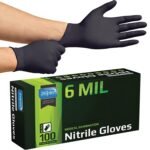
This Swiftlite nitrile gloves review cuts straight to it: yes, for most food handling and light household chores, they’re worth your $7.99. These black nitrile gloves are latex-free, food-safe, and disposable — the kind you grab when you’re prepping a big batch of chili or scrubbing the grease trap. They solve the two big annoyances: you don’t end up with that faint rubber smell on your hands, and the black color hides splatters and stains so you don’t feel like you’re wearing a science experiment.
They’re really for anyone who touches raw meat, hot peppers, or cleaning chemicals and wants a barrier that won’t turn sticky or tear halfway through. If you’ve been using clear vinyl gloves that split the second you pull them, these are a clear step up without the dentist-office price tag.
Key Features
Nitrile material — Unlike latex, there’s zero protein that triggers allergies, so you don’t have to worry about your hands reddening after an hour of slicing onions. Nitrile is also tougher than vinyl; it won’t stretch out like a balloon and then pop on a chicken bone.
Food safe certification — These meet FDA standards for direct contact with food, which means you can handle raw chicken, knead dough, or toss a salad without wondering if some chemical is leaching into dinner. That’s not true for every black glove you see on Amazon.
Black color — Sounds like a styling choice, but it’s practical: you see the food you’re working with, not the stains. Tomato sauce, beet juice, turmeric — none of it makes the glove look filthy. Plus, they look professional if you’re running a burger pop-up.
Textured grip — The fingertips and palm have a light texture so a slippery fish fillet or a wet jar lid doesn’t go flying. It’s not a death grip, but you won’t need to double-glove for most tasks.
Latex-free construction — If you or someone in your kitchen has a latex sensitivity, these are a no-brainer. No powder inside either, so you don’t have that white dust all over your hands when you take them off.
Rolled cuff — The bottom edge is rolled, which makes them easier to pull on and less likely to roll down your wrist when you’re working. Small detail, but when your hands are wet, a floppy cuff is a huge annoyance.
Fit for You
You make a smoothie every morning and hate washing a full blender — put on one glove, scrape it clean, toss the glove.
You meal-prep on Sunday and handle raw meat, fish, and poultry back to back without wanting to rewash your hands every two minutes.
You’ve got a hot pepper obsession (habanero, ghost, whatever) and realize your bare hands will regret it later — these gloves keep the capsaicin off your skin.
You clean the bathroom with bleach and don’t want that chemical seeping into your cuticles or under your nails.
You work in a small commercial kitchen or food truck and need a bulk disposable glove that looks crisp, holds up, and doesn’t cost a fortune per box.
You just despise the feeling of food residue between your fingers or under your rings — one and done.
Uses
Pull a pair on when you’re deboning a whole chicken. The textured grip keeps the slippery skin from sliding around, and the black color means you don’t see every bit of pink juice. Afterward, snap them off and toss them — no scrubbing raw chicken off your hands.
For kitchen cleanup, these gloves handle the greasy pan that soaked overnight, the sink full of pasta water and scraps, or the oven rack that’s caked with burnt cheese. The nitrile doesn’t soften or swell the way latex can in hot water. Expect about ten to fifteen minutes of continuous use before you’d want to swap to a fresh pair — that’s normal for this thickness.
Outside the kitchen, they’re handy for applying staining or varnish on small projects, because the black color hides the stain and you can wipe excess off the glove. Just don’t use them for heavy solvents like acetone; nitrile holds up okay, but for that you’d want a thicker chemical glove.
Experience
Opening the box is uneventful — they’re not individually wrapped, just packed tightly. The first glove comes out easily; the second one sometimes sticks to its neighbor, but a quick tap frees it. Sizing runs typical for disposable gloves: if you normally wear a size M in other brands, stick with M. The rolled cuff makes them easier to get on than the flat-edged ones, especially if your hands are dry.
Once on, the fit is snug but not restrictive. You can feel what you’re holding — good for picking up a slippery piece of fish or peeling a boiled egg. The texture on the fingertips is subtle; don’t expect heavy-duty grip, but you won’t drop a wet potato either. After about four minutes of handling hot water (say, washing dishes), your hands do feel a bit clammy inside — that’s the trade-off with any non-breathable glove. Pull them off and let your hands air out.
The smell out of the box is minimal. Some nitrile gloves have a strong chemical odor; these have a faint, slightly rubbery scent that fades once you’re wearing them. If you’re sensitive, air them out for a minute.
The only consistent annoyance: the wrist cuff can start to roll down if you’re repeatedly flexing your wrist (like when you’re scrubbing a pot with a brush). Pushing it back up is a quick fix, but it’s not the same as a long-cuff glove. Also, they’re thin enough that a sharp bone fragment or a stray piece of glass in the sink will poke through. That’s not a flaw — it’s the nature of a disposable glove. For heavy-duty tasks, grab a thicker reusable pair.
Disposal is easy: they pull off with a snap without spraying juice everywhere. They don’t get stuck in that weird static-cling way some cheap gloves do.
Pros and Cons
Pros
Great value for the price — At $7.99 per box (around 100 gloves), you’re paying about 8 cents a glove. That’s cheaper than most food-safe nitrile gloves on the market, and the quality holds up.
Latex-free and powder-free — No allergy worries, no white dust on your hands. If you have sensitive skin or work around people with latex allergies, this is a big deal.
Black color hides stains — You can prep beets, handle curry, or clean a greasy range hood and the gloves still look presentable. You’re not swapping them out just because they look dirty.
Solid grip when wet or oily — The textured surface gives you confidence with a slippery chicken thigh or a wet sponge. It’s not a magnet, but it’s noticeably better than smooth vinyl.
Food safe certification — You don’t have to second-guess whether they’re safe for direct contact with meals. Many black gloves are for industrial use only; these are explicitly cleared for food handling.
Cons
Thinner than heavy-duty kitchen gloves — These are disposables, so they tear more easily than a thick reusable rubber glove. If you’re scrubbing a cast-iron pan with chainmail, use something else.
Wrist cuff can slide down during extended use — After ten minutes of vigorous scrubbing or kneading, you might need to push the cuff back up. Not a dealbreaker, but it’s noticeable.
Not ideal for strong solvents or abrasive chemicals — Fine for bleach water and dish soap, but acetone, paint thinner, or oven cleaner will degrade nitrile. Stick to a dedicated chemical glove for those jobs.
Limited sizing and color options — You get black and the usual S/M/L/XL, but if you need extra small or extra large, you might have to hunt. And if you prefer blue or white for visibility, these aren’t it.
Advantages
Compared to the usual cheap clear vinyl gloves you find at the grocery store, Swiftlite’s nitrile construction is a clear upgrade. Vinyl stretches, rips, and lets greases soak through; nitrile stays intact longer and doesn’t compromise on feel. For a direct Swiftlite vs other nitrile gloves matchup, they hold their own against brands like Venom Steel or Gloveworks — the main difference is Swiftlite runs a few cents cheaper per glove and still offers food-safety approval.
They’re one of the more affordable options in the best disposable gloves for food handling category that still passes FDA standards.
No latex means you can use them around guests or family members with allergies without worry.
Black color gives you a more professional look in a kitchen setting compared to the clinical blue or white.
Who Should Buy
Buy them if you cook often, handle raw meat, or do messy kitchen prep — the cost per glove is low enough that you won’t feel bad tossing a pair after ten minutes. Also a smart pick for anyone with latex sensitivity who needs a reliable food-safe option.
Buy them if you run a small food business (food truck, catering, prep kitchen) and want a uniform, stain-hiding glove that doesn’t break the budget.
Skip them if you need heavy-duty protection for sharp knives, bone-in cuts, or prolonged chemical exposure. For those jobs, look for a thicker nitrile (8 mil or above) or a cut-resistant glove.
Skip them if you prefer clear or blue gloves so you can see residue easily — black hides stains, which could be a problem if you’re checking for contamination.
FAQ
Is the Swiftlite Black Nitrile Gloves worth it?
Yes, for everyday food handling and light cleaning, they offer solid protection at a very fair price (roughly 8 cents per glove). The latex-free, food-safe certification and black stain-hiding color make them a practical buy for home cooks and small food businesses.
Are these gloves safe for direct contact with food?
Yes, they are certified food safe by FDA standards. You can handle raw meat, slice vegetables, or mix dough directly with these gloves without concerns about chemicals leaching into your food.
How long does a pair of Swiftlite nitrile gloves last?
For typical kitchen tasks — chopping, mixing, cleaning — expect a pair to last 10 to 20 minutes before you’d want a fresh one. They hold up well against normal wear, but sharp bones or rough surfaces can puncture them earlier.
Yes, nitrile is generally resistant to many household cleaning chemicals like bleach, dish soap, and all-purpose cleaners. However, they aren’t recommended for strong solvents (acetone, paint thinner) or prolonged contact with harsh oven cleaners.
Do these gloves fit true to size?
They fit similarly to other disposable nitrile glove brands. If you normally wear medium in medical or kitchen gloves, medium here will be snug but comfortable. The rolled cuff helps with putting them on, but the sizing runs standard.
Can I use these for non-food tasks like painting or gardening?
Yes, they work fine for light painting (latex paint or stain), potting plants, or general household repairs. Just avoid heavy solvents or abrasive materials that can tear the thin nitrile.
How many gloves are in a box?
Each box contains approximately 100 gloves, which is the standard count for this price point. The exact number may vary slightly by batch, but it’s enough for several weeks of daily use for a home cook.
Final Verdict
The Swiftlite Black Nitrile Gloves earn their 4.5-star average rating honestly. They deliver a reliable, food-safe, latex-free experience at a price that makes stocking up painless. The black color is a practical bonus for messy work, and the grip is good enough for most kitchen tasks.
The catch is that they’re still disposable gloves — thin, not meant for heavy abuse. If you want a pair that can survive scrubbing a grill grate or handling broken glass, you’ll need a thicker option. But for 8 cents a glove, this Swiftlite nitrile gloves review says buy a box and see if they don’t become your new kitchen default.
Swiftlite Black Nitrile Gloves vs the Competition in 2026
Let’s be honest: picking disposable gloves used to be a no-brainer—grab the cheapest box and move on. But now you’ve got options with different thicknesses, textures, and price points that actually matter when you’re wrist-deep in prep work. Swiftlite lands right in the middle of the pile: not the cheapest, not the toughest, but it nails the balance for most kitchen tasks. Below I’ve lined up four real alternatives so you can figure out whether you stick with Swiftlite or jump to something else.
Heavy kitchen prep, deboning, handling rough packaging
Venom Steel Black Nitrile
Premium ($15–20 per box)
Extremely durable (8+ mil), industrial-grade
Overkill for most home cooks; pricey per glove
Butchering, automotive, chemical splash protection
Microflex Diamond Grip Plus
Mid ($9–11 per box)
Textured fingertips for wet-grip tasks
Can feel sticky after long wear; cost adds up
Slippery foods (fish, peeled onions), wet prep
Swiftlite Black Nitrile Gloves vs Gloveworks HD
Gloveworks HD is the choice if you’ve ever cursed a glove that split right at the thumb webbing while cutting raw chicken. It’s thicker—around 6 mil—and you feel it immediately when you pull one on. It takes more effort to flex your fingers, especially in the first few wears. Swiftlite, at roughly 4–5 mil, feels more like a second skin and lets you handle delicate work like deveining shrimp or peeling garlic without fighting the glove. But that extra thinness means Swiftlite won’t survive a tug-of-war with a sharp rib bone. If you’re doing a lot of breaking down whole birds or slicing through cartilaginous meat, spend the extra few dollars on Gloveworks. If your prep is mostly vegetables, sauces, or cooked proteins, Swiftlite’s lighter feel wins the day.
Swiftlite Black Nitrile Gloves vs AMMEX Black Nitrile
AMMEX is the “I need a case for a party” glove—cheap enough that you don’t wince when they rip after ten seconds. And they do rip. The material is noticeably thinner and less elastic, so you get about one or two uses before the knuckles start to sag or a fingernail pokes through. Swiftlite holds its shape longer and doesn’t leave that powdery residue inside that some budget nitrile gloves have. For a one-off task like tossing salad mix or wrapping sandwiches, AMMEX is fine. But if you’re prepping a full shift or cooking regularly, Swiftlite’s better fit and durability actually save you money on glove count per job. The price difference is a buck or two, and you’ll waste that in wasted gloves with AMMEX.
Swiftlite Black Nitrile Gloves vs Venom Steel
Venom Steel is the tank. You could probably reuse a single pair for an entire afternoon of breaking down ribs and still not get a tear. But there’s a trade-off: that ruggedness costs $15–$20 a box, and the gloves come off feeling like you’ve been squeezing a stress ball for hours. Swiftlite can’t match that durability, and it doesn’t try to. For the average home cook or caterer, Venom Steel is overkill—you’re paying for industrial thickness you simply don’t need. You won’t find Venom on the shelves of most grocery stores, either, while Swiftlite is widely stocked for food service. Stick with Swiftlite unless you’re regularly handling metal shavings or bone splinters; in that case, Venom is the right alternative.
Swiftlite Black Nitrile Gloves vs Microflex Diamond Grip Plus
Microflex Diamond Grip Plus has a noticeable raised texture on the fingers and palm that really grabs wet fish fillets or peeled tomatoes. Swiftlite’s surface is smooth—works fine for dry foods and most prep, but the moment your hands get slimy from olive oil or fish juice, you’ll wish for more traction. That texture on Microflex can also trap bits of food and make the glove feel tacky after twenty minutes of constant handling. If your kitchen routine involves a lot of wet, slippery items, the Microflex is a smart alternative. For everything else—chopping, mixing, portioning—Swiftlite’s smoother feel is more comfortable and less annoying to wash off between tasks.
So who should buy Swiftlite? Anyone doing everyday food prep—making dinner, prepping meal boxes, working a catering line—who wants a reliable, food-safe glove that doesn’t break the bank or the fit. If your hands are constantly in contact with sharp bones or high-grease environments, go with Gloveworks HD. If budget is all that matters and you can accept a few tears, grab AMMEX. And if you’re a pro butcher or a mechanic who also cooks, Venom Steel is the alternative that won’t let you down. For the rest of us, Swiftlite is worth it.
Ready to decide on the Swiftlite Black Nitrile Gloves?
See today’s price, stock and delivery options on Amazon.