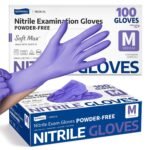
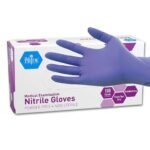
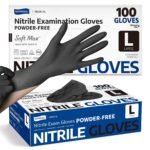
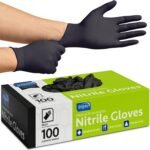
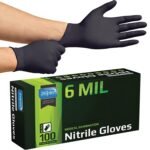
This product is priced well below many comparable disposable glove options, positioning it as a budget-friendly choice in its category.
Ease of use
Excellent 90/100
These disposable vinyl gloves are easy to put on and take off, making them straightforward for everyday tasks like food handling.
Overview
If you’ve ever peeled a glove off your hand only to have it snap back and fling raw chicken juice across the kitchen, you know why glove choice matters. The SWIFTLITE vinyl gloves review you’re reading right now is the short version: for $6.99, these are a solid, budget-friendly pick for food prep, but they’re not the gloves you want for heavy-duty cleaning or anything requiring a delicate touch. They’re the disposable workhorse of the kitchen drawer.
These are food-grade, latex-free, and black—which matters more than you’d think. The black color hides stains, looks sharp in a commercial kitchen, and makes it obvious when a glove needs changing. If you’re prepping raw meat, handling dough, or portioning out meals, these solve the “I don’t want to wash my hands fifty times” problem without costing more than a coffee.
Key Features
Food-grade vinyl material: You can handle raw chicken, fish, or cut veggies without worrying about chemicals leaching into your food. The material is FDA-compliant for food contact, which is the whole point of buying these over a random pack from the hardware store.
Latex-free formulation: If you or anyone in your household has a latex sensitivity, these are the safe option. Vinyl doesn’t trigger the same allergic reactions that latex can, and you won’t get that powdery residue on your hands either.
Black color: Hides grease stains, berry juice, and turmeric stains that would make white gloves look disgusting after one use. Also useful if you’re in a salon or any setting where a cleaner look matters.
Powder-free design: No chalky powder coating means your hands don’t feel dusty after a long prep session. The trade-off is they’re slightly harder to slide on when your hands are damp, but that’s a fair exchange for not having powder all over your cutting board.
Dispensing box: The box has a perforated opening that pulls gloves out one at a time. It’s simple, works fine, and you can stash it in a drawer without the gloves spilling everywhere.
Ambi-friendly sizing: They’re generously sized, so if you’re between medium and large, the medium will fit without feeling like you’re wearing a tourniquet.
Fit for You
You prep meals in bulk on Sundays and hate the sticky residue that gets under your fingernails.
You handle raw meat or fish and want a barrier between your hands and the bacteria, not a full hand-washing ritual after every single step.
You work in a kitchen or food service setting where latex allergies among coworkers or customers are a real concern.
You dye your hair at home and want gloves that won’t stain your hands for three days afterward.
You’re painting or staining small projects and want a disposable option you can toss without guilt.
You clean with harsh chemicals and prefer a glove you can peel off and trash instead of scrubbing out a reusable pair.
Uses
Picture this: you’ve got a cutting board, a whole raw chicken, and a sink full of dishes you don’t want to touch. Slip on a pair of these, break down the chicken, dispose of the gloves, and your hands smell like soap instead of raw poultry. That’s the everyday reality these are built for.
They also shine for kitchen prep tasks that are more about tidiness than protection. Shredding cooked pork, mixing meatloaf by hand, or rolling out dough—vinyl gloves keep your hands clean and let you get your hands dirty in a way that doesn’t actually require washing them afterward.
Beyond food, people pick up SWIFTLITE gloves for salon work—think hair coloring or perms—and for light DIY tasks like staining wood or applying tint. The black color doubles as a style statement if you’re working with clients, and the glove thickness (around 2-3 mil, typical for vinyl) is enough for these jobs without making your fingers clumsy.
Experience
The first thing you notice is how easy they are to get on. They’re loose-fitting, not skin-tight, and the powder-free material slides on with a little effort when your hands are dry. If your hands are damp, you might wrestle with them for a second—that’s vinyl for you, not a flaw in this specific product.
Wearing them feels like a thin layer between you and the task, not a second skin. You’ll lose a bit of tactile sensitivity compared to nitrile, which means picking up a single peppercorn or feeling for a bone fragment takes a bit more attention. That’s the trade-off for the price and the latex-free comfort. They’re fine for the job, but you won’t forget they’re there.
Storing the box is easy, and the pull-through opening works as advertised—gloves come out without tearing the next one in line. One annoyance: the box can get flimsy after you’ve pulled out a bunch of gloves, so keep it on a shelf or in a drawer rather than tossing it around. They also don’t do well with sharp objects—slicing your hand near a knife edge or snagging on a cracked cutting board will tear them. Expect a few “oops” moments where you grab a fresh pair mid-task.
Pros and Cons
Pros
Price: At $6.99, you’re getting 100 gloves (a typical count for this category), which works out to about seven cents per glove. For food prep, that’s hard to beat.
Latex-free: No allergy worries, no powder residue, no skin irritation for most people. This is the main reason to choose vinyl over latex alternatives.
Food-safe: They meet food-grade standards, so using them for raw meat and veg prep is a genuine convenience, not a marketing line.
Black color: Hides stains, looks professional in a commercial kitchen, and makes spotting a tear easier than with clear or white gloves.
No smell: Unlike some generic disposable gloves with a faint chemical odor, these are essentially scent-free out of the box.
Cons
Not puncture-resistant: Vinyl tears easily if you catch it on a bone, a knife edge, or a rough surface. You’ll go through a few extra pairs if your prep involves sharp stuff.
Loose fit: The fit is roomier than nitrile or latex, so tasks requiring tactile precision—like deboning fish—are trickier. They’re for getting the job done, not for surgery.
Heat sensitivity: These will melt or warp near high heat, so don’t use them near a hot pan or open flame.
Doesn’t stretch: Vinyl doesn’t snap back like latex. If you pull too hard, you’ll tear it, and the gloves can feel a bit baggy on smaller hands.
Advantages
Compared to other SWIFTLITE vs other vinyl gloves options on the market, this pack holds its own on price and color. It’s a bit above the generic clear vinyl gloves for quality, and below the premium nitrile lines for sensitivity—so it sits in the sensible middle.
If you’re weighing these against nitrile, you’re really asking about cost versus dexterity. Nitrile gloves cost roughly 15 to 25 cents per glove and offer superior puncture resistance and a closer fit. These SWIFTLITE gloves are cheaper and perfect for tasks where you just need a barrier, not precision.
For anyone asking is SWIFTLITE vinyl gloves worth it after a week of use, the answer is typically yes—especially if you’ve gone through a box of cheaper gloves that tear at the cuff the moment you pull them on. These hold up better, the color is a real plus, and the food-grade certification is worth the few extra dollars over a no-name brand.
Who Should Buy
Home cooks and meal preppers who want to handle raw meat without the hand-washing cycle.
Food service workers looking for a latex-free, food-safe glove that doesn’t break the budget.
Hair stylists and colorists who need a disposable glove for dye jobs and value the black color for a polished client experience.
DIYers doing light painting, staining, or cleaning with chemicals who don’t want to ruin a reusable pair.
Skip them if you need to do intricate work—opt for nitrile gloves instead, which are the best food grade gloves for food handling when precision and puncture resistance matter more than cost.
FAQ
Is the SWIFTLITE vinyl gloves review positive overall?
Yes, for the price and purpose, these are a good buy for food prep and light tasks, though they won’t suit heavy-duty jobs.
Are SWIFTLITE gloves safe for food handling?
Yes, they are food-grade and latex-free, making them a solid choice for handling raw meat, produce, and prepared foods, but avoid using them with hot oils or direct heat.
How many gloves are in a box?
A standard box contains 100 gloves, which at $6.99 comes out to about seven cents per glove—cheap enough to change them frequently without feeling wasteful.
Do these gloves come in different sizes?
They’re available in medium and large, and the fit is on the roomy side. If you usually wear a small, go with medium; if you’re between medium and large, choose large.
Can I use SWIFTLITE gloves for cleaning and chemical tasks?
They work for light cleaning tasks with milder chemicals, but they won’t resist harsh solvents or puncture from sharp tools. For strong chemicals or heavy scrubbing, use a dedicated heavyweight glove.
Are these gloves suitable for people with latex allergies?
Yes, they are 100% latex-free, so they won’t trigger latex allergies, and the powder-free material avoids the skin irritation that some powder-coated gloves cause.
Final Verdict
These SWIFTLITE gloves for kitchen use are a sensible, affordable pick for anyone who regularly handles raw ingredients, dyes hair, or does light staining work. They’re not the glove you reach for when precision matters—for that, you’ll want nitrile—but for the price, they deliver a clean, strain-free experience that beats washing your hands a dozen times a day.
If you’re on the fence, think about how often you’ve thrown away a glove that tore at the cuff or left powder on your cutting board. These don’t do either. Pick up a box, keep it by the cutting board, and see if you don’t reach for it more than you expected. They’re not a game-changing breakthrough in hand protection—but they do the job, and they do it without complaint.
At $6.99 per box, SWIFTLITE sits firmly in the budget zone for disposable black vinyl gloves. It’s not trying to be the toughest glove on the shelf, and it doesn’t pretend to be. What it offers is a dirt-cheap, food-grade option that handles quick kitchen tasks without making you feel like you’re burning cash. The market has plenty of rivals at similar prices, but a few key differences decide whether this box belongs in your drawer or someone else’s.
Product
Price Range
Key Strength
Key Weakness
Best For
SWIFTLITE Black Vinyl Gloves
Budget (~$7)
Low cost for a basic food-grade glove; black color hides stains well
Consistent sizing and reliable seal; widely available in bulk
Similar thinness; can split near the cuff during repetitive use
High-volume food service, sandwich prep, buffet line work
Glove Club Black Vinyl Gloves
Budget to Mid (~$8–$11)
Slightly thicker vinyl; less prone to tearing on knuckles
Higher per-box cost; box size varies by seller
Kitchen prep with occasional heavy handling, like pitting avocados
MedPride Black Vinyl Gloves
Mid (~$10–$14)
Certified to medical-grade standards; more rigorous manufacturing checks
Overpriced for basic kitchen use; you pay for certification you don’t need
Anyone who wants peace of mind from a recognized medical brand
SWIFTLITE Vinyl Gloves vs AMMEX Food Service Vinyl Gloves
These two are direct price competitors, and you’ll probably grab whichever is on the shelf at the restaurant supply store. The real difference shows up in fit. AMMEX uses a slightly wider cut, so if you have narrow hands, the fingers will bunch at the tips. SWIFTLITE runs a touch more snug, which helps when you’re chopping garlic or peeling potatoes and need to feel what you’re doing. Both will tear if you stretch them across a knuckle while pulling—that’s vinyl for you. But SWIFTLITE’s cuff rolls down a little less often during use, which stops that annoying drip of water sliding into the glove. That alone made me grab the SWIFTLITE box when I was prepping for a party. AMMEX wins if you need a bulk pack that you can grab and forget; SWIFTLITE wins if you want a glove that actually stays put for thirty minutes of active work.
SWIFTLITE Vinyl Gloves vs Glove Club Black Vinyl Gloves
Glove Club charges a bit more, and you can feel where that money went. The vinyl is thicker—not drastically, but enough that you don’t hesitate when grabbing a serrated knife or prying apart frozen burger patties. SWIFTLITE is more fragile in that same moment. You have to be deliberate. If you’re someone who snaps a glove every third time you put one on, the extra cost for Glove Club starts to look like a bargain. But here’s the catch: Glove Club’s black gloves have a slight chemical smell right out of the box. It fades after a minute on your hands, but it’s there. SWIFTLITE doesn’t have that odor at all. For food handling, especially if you’re working with something delicate like cheese or fruit that can pick up stray smells, SWIFTLITE is the cleaner choice. So it’s a trade-off: pay more for toughness and put up with an initial whiff, or save money with SWIFTLITE and keep your gloves neutral-smelling from the first pull.
SWIFTLITE Vinyl Gloves vs MedPride Black Vinyl Gloves
MedPride is the odd one out here because it’s a medical-grade glove sitting in a food-grade comparison. That medical certification does mean tighter quality control—fewer pinholes, more consistent thickness across the glove. If you’re doing something where a tear means real trouble, like handling raw chicken for a big batch of stock, that reliability matters. But you’re paying $4 to $7 more per box for a standard you don’t technically need. SWIFTLITE is perfectly fine for that same job, as long as you check the glove before you start and change it if it snags. The big difference I noticed: MedPride’s black dye runs a little when wet. On light-colored foods like chopped onions or cauliflower, you can see a faint grey tint on your fingertips after an hour of handling. SWIFTLITE doesn’t have that problem—its color holds. If presentation matters to you, even just at home, that alone makes SWIFTLITE the better pick for food work. MedPride only makes sense if you want the reassurance of a medical-grade stamp and you’re okay with the higher price and minor dye bleed.
Pick SWIFTLITE if you’re working on a budget, handling food that shouldn’t pick up smells or dye from your gloves, and you don’t mind swapping gloves a few times during a task. It’s the smart value choice for home kitchens and small food operations where every dollar counts. Look at Glove Club instead if you keep tearing through thin vinyl and want fewer glove changes per session. And if you need the absolute lowest risk of failure—like prepping for a catering event where a glove blowout means lost time—then MedPride’s tighter specs might justify the extra cash, even if you’re paying for certification you won’t use.
Ready to decide on the SWIFTLITE Vinyl Gloves?
See today’s price, stock and delivery options on Amazon.