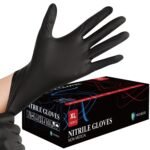
Exceptional user ratings combined with a modest price point make this glove a compelling mid-tier value proposition.
Price vs. rivals
Cheaper
CheaperTypicalPricier
Listed at a competitive price, notably lower than major-brand equivalents, while maintaining high user satisfaction.
Ease of use
Excellent 95/100
These gloves are very easy to put on and take off thanks to the soft nitrile material and powder-free design, making them highly user-friendly for everyday tasks.
Overview
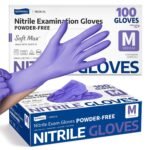
This is a straight-up Supmedic nitrile gloves review for the Soft Max powder-free disposable exam gloves, 100-count box. If you need medical-grade hand protection that doesn’t cost a day’s pay, these are worth a hard look. They solve the classic problem: you want durable, snug gloves that don’t rip the second you do something real, and you don’t want to pay hospital-supply prices. These are for home first-aid, tattoo work, food prep, cleaning—anywhere nitrile beats latex.
The box is compact, the gloves are a standard 5-mil-ish thickness (typical for exam gloves in this range), and they’re fully textured for grip. About $8.97 for a hundred. Average rating 4.8 stars. The question isn’t whether they’re decent—it’s whether they’re better than the usual suspects at the same price.
Key Features
Powder-free design – No chalky residue, which matters when you’re changing gloves often or your hands are already dry. Less mess, less irritation.
Textured fingertips – You get better grip on wet instruments, slippery vials, or a greasy chicken breast. The texture is subtle but noticeable when you need it.
5-mil thickness (typical) – Not as armored as heavy-duty dishwashing gloves, but thick enough to handle a needle stick or a sharp edge without instantly blowing out. Good balance of feel and protection.
Medical-grade certification – They meet FDA and ASTM standards for exam gloves. That means they’ve been tested for pinholes and tear resistance. Not just a cheap disposable that splits on first pull.
Soft Max material blend – Less of a rigid, plastic-feeling nitrile. These have a slightly softer hand feel, so your fingers don’t fatigue as fast during long sessions.
Beveled cuff – The rolled edge helps you pull them on without the glove rolling up or snapping. Small detail, big difference when you’re rushing.
Fit for You
You change catheters or dressings and need a glove that won’t split at the web of your thumb mid-procedure.
You meal-prep in bulk and hate the feeling of raw meat juice seeping through a cheap latex glove.
Tattoo or piercing work requires powder-free, medical-grade gloves you can snap on and off between clients without a chalk cloud.
You handle cleaning chemicals and want something more puncture-resistant than a vinyl glove, without paying lab-glove prices.
You have a latex allergy or sensitivity and need a reliable alternative that doesn’t smell like a tire factory.
You stock a home first-aid kit and want a box of gloves that actually seal out blood and fluids instead of just looking the part.
Uses
In a clinic setting, these earn their keep during wound care. The textured fingertips let you grip a saline-damp gauze pad without it slipping off. The longer cuff length (standard exam length) covers the wrist well enough for splashing.
For tattoo artists, the soft, powder-free material means you can work a needle for an hour without your hands cramping. The lack of powder matters—no risk of contaminant residue. And they come off clean, so your gloves don’t leave white dust on your chair.
In the kitchen, they beat standard food-handling vinyl gloves for durability. You can peel potatoes, mix ground meat, or bread chicken cutlets without one glove tearing every third motion. They’re not cut-proof—be careful with knives—but they handle abrasive jobs better than you’d expect from a $0.09 glove.
Experience
You open the box and the gloves sit flat, not crinkled. The smell is minimal—a faint rubbery note, not the harsh chemical blast you get from some cheap nitrile. Pulling them on, the beveled cuff does its job: no rolling, no wrestling. They fit true to size; if you’re between sizes, size up because nitrile has less give than latex.
During use, the feel is good. You can still pick up a paperclip or a staple. The texture isn’t aggressive—it’s a fine diamond pattern—so you won’t scratch anything delicate. But if your hands are sweaty, the inside can get a little clammy (it’s not lined). That’s normal for unlined nitrile.
The biggest annoyance: the cuff can be a touch loose for very slender wrists. Not a disaster, but if you’re dunking your hands in liquid, you might get a dribble inside. For most tasks, it’s fine. Take them off by pinching the cuff and pulling inside-out—they don’t snap back and spray stuff on you.
Longevity wise, a box sits in your glove drawer for months without the gloves drying out or sticking together. They’re stable. If you use them daily, a 100-count box lasts about a week and a half for a moderate user.
Pros and Cons
Pros
Great price per glove – Under nine cents each for a 100-pack. You can grab a few boxes without wincing.
Powder-free and low odor – No chalky residue, no strong chemical smell that lingers on your hands.
Good tactile sensitivity – Thick enough to protect, thin enough to feel a pulse or a small screw.
Beveled cuff actually works – Easy to put on and take off, even with wet hands.
ASTM-rated for medical use – You’re not gambling on pinhole quality. They meet a real standard.
Cons
Cuff can feel loose on very small wrists – Not a dealbreaker, but if you have slender hands, a glove with a tight wrist seal (like some brands’ “sensitive” lines) might fit better.
Not textured over the whole hand – Only the fingertips. The palm and fingers are smooth. For heavy wet-grip work, you might wish for full palm texturing.
Single-use only – As with all exam gloves, they’re not meant to be washed and reused. If you need a reusable option, look at thick household gloves.
No extra-long cuff – Standard length. If you need protection halfway up your forearm (like for chemical dipping or large animal vet work), these won’t cut it.
Advantages
Supmedic vs Medpride nitrile gloves – Medpride is a common competitor at a similar price. Supmedic’s Soft Max feels slightly softer and less rigid than Medpride’s standard blue. The beveled cuff is also better executed here—less roll-back when snapping them on. If you’ve tried Medpride and found them stiff, give Supmedic a shot.
Best nitrile exam gloves for medical use at this price point? They’re among the top few. Not as thin as the budget generics, not as expensive as the “premium” surgical brands. For routine exams, wound care, and phlebotomy, they hit a sweet spot between protection and cost.
Powder-free disposable gloves Supmedic – The absence of powder means no contamination risk and no drying out your hands. Many powder-free gloves feel plasticky; these don’t.
Affordable enough to stock multiple boxes – You can keep one in the car, one in the kitchen, one in the first-aid kit, and one in the workshop without feeling like you’re hoarding hospital supplies.
Who Should Buy
You should buy if you need a reliable, cheap, medical-grade glove for moderate-duty tasks—first aid, food prep, cleaning, salon work, tattoo work, or basic clinic use. You’ll get good value and consistent quality.
Skip these if you need heavy chemical resistance, extra-long cuffs, or a full-texture palm. Also skip if you have extremely large hands—these stop at XXL, and even then, they run slightly snug compared to some house brands.
Better alternatives for heavy-duty work: look at nitrile with a thicker gauge (8–10 mil) like those from Microflex or Ansell. For tiny hands or super-sensitive touch, try a “surgical” grade glove from a medical supplier.
FAQ
Is Supmedic nitrile gloves worth it?
Yes, for the price. You get a real medical-grade glove at under nine cents each. They’re soft enough for long wear, don’t smell bad, and the textured fingertips give decent grip. Not a bargain-bin gamble.
How durable are Supmedic Soft Max gloves?
Owners tend to mention that they hold up well for exam and light-duty work—no random tears on the first pull. They’re not indestructible; a sharp scalpel or a rough tool edge will punch through. But for everyday pokes and snags, they’re reliable.
Are Supmedic Soft Max gloves latex-free?
Yes. They’re made from nitrile, a synthetic rubber. No natural rubber latex proteins. Safe for people with latex allergies, though some with extreme chemical sensitivities might react to the vulcanization accelerators used in nitrile.
Can I use these for food preparation?
They are not specifically labeled “food-safe” by the FDA, but nitrile gloves are commonly used in commercial kitchens. Powder-free and odor-free, so they won’t taint food. If you need an explicit food-contact certification, look for a glove that says so on the box.
How do Supmedic compare to Medpride nitrile gloves?
In a direct Supmedic vs Medpride nitrile gloves comparison, Supmedic feels a bit softer and less stiff overall. The beveled cuff is better executed. Medpride is also good, but for similar money, Supmedic’s Soft Max line wins on comfort.
What sizes do Supmedic Soft Max gloves come in?
They’re available in XS through XXL. Sizing is fairly standard—if you normally wear medium in a medical glove, order medium. For very large hands, XXL works but runs a touch snug; consider a different brand if you need extra room.
Final Verdict
If you’re after a solid, everyday nitrile exam glove that doesn’t empty your wallet, the Supmedic Soft Max is an easy pick. It does the job for medical use, food prep, cleaning, and creative work without the usual gripes: no powder, no strong smell, no mystery tears. For about nine cents a glove, you get a level of consistency that beats the generic no-name boxes.
The one thing to keep in mind: if you need a super-snug wrist seal or full-palm texture, you might want to look elsewhere. But for the vast majority of situations, this is the glove you can grab a few boxes of and not think twice. A genuine good buy in a category full of junk. This Supmedic nitrile gloves review says yes—buy them.
Supmedic Soft Max Nitrile Gloves vs the Competition in 2026
If you’re sorting through the endless shelf of exam gloves right now, you’ve probably noticed that most boxes look the same—blue, powder-free, 100-count, claiming “medical grade.” But the difference between a glove that fits like a second skin and one that splits on the third finger is huge. The Supmedic Soft Max sits in a weirdly sweet spot: it’s cheap enough for daily use but built with a thickness that rivals pricier brands. That mix of price and feel is rare. Let’s see how it stacks up against the real alternatives you’ll actually find on the same search page.
Thinner (4 mil) and more prone to tearing during donning
Quick tasks like blood draws or glove changes
AMMEX GloveWorks Nitrile Gloves (100 ct)
~$8–$10
Heavy-duty durability (6 mil); beaded cuff
Stiffer, less tactile feedback; box may contain off-size pairs
Industrial use or heavy cleanup where puncture risk is high
McKesson Nitrile Medical Exam Gloves (100 ct)
~$12–$14
Consistent sizing; textured; reliable for sterile environments
Costs 30% more; can feel baggy on smaller hands
Hospital settings needing lot-to-lot consistency
Supmedic Soft Max Nitrile Gloves vs Medpride: The Thickness Tradeoff
Medpride is the most direct competitor—usually sitting at a similar price on the same shelf. Both are powder-free and claim medical grade. But here’s where you’ll feel the difference the moment you pull one on: Supmedic is a full 5.5 mil across the palm and fingers, while Medpride runs closer to 4 mil. That extra 1.5 mil doesn’t sound like much until you’re handling a patient with long nails or trying to grip a slippery vial without snapping the glove. Medpride has a light texture on the fingertips, which helps, but the tradeoff is that it’ll rip faster if you stretch it over a damp hand. Supmedic gives you more margin for error. The downside? Supmedic’s cuff is a little snugger, so if you have larger wrists, you might prefer the looser fit of Medpride. For anyone who changes gloves ten times an hour and wants them to stay intact, the Supmedic is the better bet.
Supmedic vs AMMEX GloveWorks: Softness vs Raw Strength
AMMEX GloveWorks is the brute of the bunch—6 mil thick, beaded cuff, and a matte finish that screams “I can handle a biohazard bag.” It’s a great alternative if you’re doing housekeeping, lab cleanups, or tasks where a puncture could be nasty. But put it on your hands for a full clinic shift and you’ll notice the stiffness. Supmedic bends easier, gives more finger dexterity, and doesn’t make your palms sweat as fast because the material breathes a little more. GloveWorks also has a known issue with occasional sizing inconsistencies—one box might run large, the next tight. Supmedic’s sizing is more predictable. If you’re mostly drawing blood, applying dressings, or doing patient exams, Supmedic’s softness wins. If you’re scraping autoclave trays or handling sharp instruments all day, the AMMEX glove is the tougher pick.
Supmedic vs McKesson: Is the Premium Price Justified?
McKesson is the hospital standard—you see their boxes in every supply closet. They’re more expensive, around $12–$14 for 100, and the texture is a light diamond pattern that feels grippy without being rough. They also have the most consistent sizing across lots, which matters if you’re ordering for a whole practice. But here’s the honest take: Supmedic Soft Max gloves match McKesson’s thickness (5.5 mil) and feel almost identical in stretch and comfort, at about 30% less money. The only real weakness Supmedic shows here is the lack of a textured grip—they’re smooth all over. If you’re in a wet environment or doing procedures where you need constant finger control, McKesson’s pattern helps. For dry exam work, the Supmedic is basically just as good and costs less. You’re not losing quality; you’re losing surface texture.
So Who Should Pick the Supmedic Soft Max—and Who Shouldn’t?
Pick the Supmedic Soft Max Nitrile Gloves if you want a tough, comfortable glove for daily medical exams, wound care, or lab work at a price that doesn’t punish your budget. It’s the best compromise between strength and feel under $10 a box. It’s also worth it if you have dry or sensitive skin—the soft polymer won’t irritate as much as stiffer nitrile blends. But if you routinely work with wet surfaces, need a textured palm to keep a scalpel handle from spinning, or have very large wrists, go with the McKesson or even the Medpride for the texture. And if you’re doing heavy cleanup or handling sharps, the AMMEX GloveWorks is a better fit despite the stiffer feel. For the average clinic or home first-aid kit, though, this is the one I’d reach for first.
Ready to decide on the Supmedic Soft Max Nitrile Gloves?
See today’s price, stock and delivery options on Amazon.