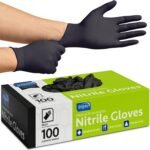
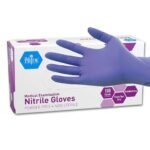
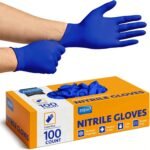
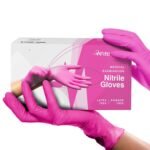
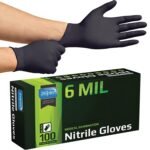
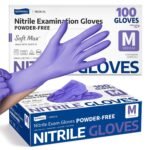
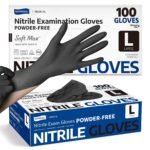
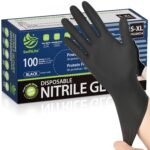
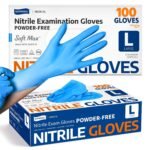
This product offers excellent value by delivering reliable medium-thickness nitrile gloves at a highly competitive price point, backed by outstanding user ratings.
Price vs. rivals
Typical
CheaperTypicalPricier
Priced near the middle of the typical range for similar 4mil nitrile disposable gloves, reflecting a balanced position relative to popular alternatives.
Ease of use
Excellent 92/100
These nitrile gloves are very easy to put on and off, with a snug fit and durable material that works well for everyday kitchen and household tasks.
Overview
This PROMEDIX Nitrile Gloves review gets straight to it: these are a solid, everyday disposable glove for anyone who cooks, cleans, or does light chores and wants to avoid latex. At 4mil thick, they hit a decent middle ground. Not the beefiest glove out there, but not so thin you’re afraid to scrub a pan. They’re powder-free, food-safe, and cost about ten bucks for a box of 100. For that price, they do exactly what they should.
The main problem these solve is the annoyance of touching raw chicken, scrubbing greasy baking dishes, or dealing with hot peppers while your hands smell like garlic for three days. They’re a barrier. And unlike the vinyl gloves you find at the dollar store, nitrile actually fits your hand without splitting the second you do something real, like opening a jar of pickles.
Key Features
4mil nitrile thickness – This is the sweet spot for household work. Thin enough to feel what you’re doing, thick enough that you don’t tear one open on a jagged carrot peel or a splintery cutting board.
Powder-free – No cornstarch dust coating the inside, so you won’t find white powder all over your cutting board or get that weird slippery-powder feel when your hands sweat a little.
Latex-free material – If you’ve got a latex sensitivity or just prefer not to deal with it, these are a safe pick. No reaction, no worry about it when you’re elbows deep in dishwater.
Food safe certification – They’re fine for handling food directly. Marinating meat, mixing meatloaf, chopping onions without crying because you rubbed your eyes later, it all checks out.
Textured fingertips – Grip is noticeably better than a smooth glove. You can grab a wet glass or a slippery avocado pit without feeling like you’re about to drop something.
Box of 100 for around $10 – That’s ten cents a glove. For the quality, that’s fair. You’re not paying for a medical-grade brand name, but you’re not getting flimsy plastic either.
Fit for You
You make a smoothie every morning and hate washing a full blender – just rinse the jar and glove up to scrub the blade.
You meal prep one day a week and handle raw poultry, beef, or fish – a solid barrier keeps your hands and your sense of smell happy.
You clean the bathroom and don’t want bleach or scrub chemicals soaking into your cuticles for the next three days.
You’re a small-scale home baker who needs to shape dough, roll out fondant, or handle sticky batter without wearing half of it.
You wear gloves for gardening tasks like repotting plants or handling compost – they’re cheap enough to toss a few in your tool bucket.
You have kids and deal with diaper changes, potty training, or scrubbing unexpected messes without wanting to use your bare hands.
Uses
I’ll tell you the most realistic spot for these: your kitchen. Specifically, raw meat. You’ve got chicken thighs that need trimming, ground beef for tacos, salmon that’s a bit slimy. Slide on a pair, do the work, peel them off, toss them. No salmonella anxiety while you’re scrolling your phone afterward, no scrubbing your hands with dish soap and still smelling it.
They also shine in the cleaning department. If you’re the kind of person who uses bleach spray, bar keepers friend, or something with a strong smell, these keep your hands comfortable. You can scrub a greasy stovetop or a sink full of crusty dishes. They aren’t heavy-duty enough for pouring concrete or stripping paint, but for standard household cleaning, they hold up fine.
Think about the small, annoying tasks: cutting jalapeños for salsa, handling frozen meat you’re defrosting, mixing ground meat with your hands for meatballs. All things where touching the ingredient is necessary, and all things where you’d rather not have the residue linger. These gloves handle that list easily.
Experience
Opening the box is straightforward. The gloves are packed in a typical pull-out slot, and you can grab one without wrestling the whole stack. The first thing you notice is that they aren’t floppy. They have a bit of structure to them. Pulling one on, it slides over your hand without that sticky, tacky feeling some cheap nitrile gloves have. They don’t fight you.
The fit is snug but not restrictive. If you’re between sizes, go up. A medium fits average female hands well. A large fits guys with medium-to-large hands. If you have big hands or long fingers, you might wish for an XL because the cuff doesn’t run super long. It’s about wrist-length, which is fine for quick tasks but not for anything that involves submerging your hands in water up to your forearm.
One minor annoyance: after twenty minutes of dish duty, your hands will get a little sweaty. That’s true of any non-breathable glove, but at 4mil, you notice the heat buildup faster than with a thinner 3mil nitrile. Not a dealbreaker, but if you’re doing a deep kitchen clean, take a break or switch to a fresh pair. The textured fingertips actually work. You can grip a wet ceramic plate without the juggling act. That’s a small win that shows up in daily use.
Taking them off is easy. Pinch the cuff, pull inside out, done. No snapping, no tearing at the wrist. Compared to the GlovePlus brand, these feel a bit softer on the skin. GlovePlus can feel stiffer, almost like a lab glove that’s been sitting in a drawer for too long. PROMEDIX has a slightly more flexible feel right out of the box.
Pros and Cons
Pros
Good thickness for daily tasks – 4mil means you don’t get poked by a stray bone shard or a rough sponge, but you still have enough control to peel a label off a jar.
No latex, no powder – That combination makes them safe for food prep and for anyone with skin sensitivities. No chemical smell out of the box either.
Affordable per glove – At ten cents each, you don’t feel bad throwing a pair away after five minutes of work. That’s the whole point of disposable.
Reliable grip when wet – The textured fingers matter more than you’d think. Grabbing a wet dish or a slippery piece of raw chicken feels secure, not like you’re about to fumble.
Consistent sizing – The batches tend to run true to size. No one glove in the box being weirdly small and another being baggy.
Cons
Not built for heavy duty – If you’re moving bricks, stripping furniture, or handling sharp tools, these will tear. They’re for domestic work, not construction.
Short cuff length – The cuff stops at the wrist. If you’re doing deep cleaning or washing a lot of dishes, you’ll get water dripping down your arm. A longer cuff would help.
Can get warm during extended wear – Twenty minutes of continuous use and your hands start feeling clammy. Fine for quick tasks, less great for all-day cleaning sessions.
Small sizing runs slightly snug – If you have broader palms or longer fingers, the medium might feel a little tight across the back of the hand. Size up for comfort.
Advantages
Comparing PROMEDIX vs GlovePlus nitrile gloves, the PROMEDIX feel more flexible and less stiff. GlovePlus tends to have a firmer, more sterile feel that some people like for medical-adjacent use, but for cooking and cleaning, the PROMEDIX give you better hand movement without that restrictive pinch across the knuckles.
Compared to vinyl gloves, these are leagues ahead. Vinyl tears on the first tough task: opening a pickle jar, scrubbing a cast iron pan, handling a chicken thigh with a bone. Nitrile doesn’t do that. And unlike latex, you won’t develop a sensitivity over repeated use. For anyone who cooks regularly, these are probably the best disposable gloves for food preparation that you can get at this price point. The food safe rating is real, not just marketing fluff. You can handle cheese, dough, meat, anything.
Another advantage: the powder free nitrile gloves 4mil spec means they skip the cornstarch coating that some gloves use to make them easier to slip on. That coating gets into food and leaves a residue. These don’t. You slide them on a little slower, but your food stays clean. Worth the trade.
Who Should Buy
Buy these if you cook at home a few times a week, hate the feeling of raw meat, and want a glove that won’t break on a wet garlic clove or a slippery avocado. They’re a solid daily driver for the kitchen.
Buy these if you need nitrile gloves for household use like cleaning, gardening, or painting small projects. They aren’t industrial, but for around the house, they’re perfect.
Buy these if you have a latex allergy or just prefer to avoid it. Many people don’t realize how many gloves have latex until they start looking. These are a safe alternative.
Skip these if you need a heavy-duty glove for automotive work, sharp tool handling, or chemical spraying. The 4mil won’t stand up to that. Look for an 8mil or thicker option.
Skip these if you need a long-cuff glove for deep cleaning or extended water contact. You’ll be better served by a 12-inch nitrile glove designed for janitorial work.
FAQ
Is the PROMEDIX Nitrile Gloves worth it?
Yes, for the price. You get a functional food-safe glove that handles most kitchen and cleaning tasks without tearing easily, and at ten cents each, you aren’t wasting money on something that fails quickly.
Are these gloves safe for food preparation?
They are food safe and made without latex or powder, so you can use them to handle raw meat, vegetables, dough, and anything else you’d touch in a kitchen without worry about contamination or residue on your ingredients.
How thick are PROMEDIX nitrile gloves?
They are 4mil thick, which is a mid-range thickness for disposable nitrile. Thin enough to feel what you’re holding, thick enough to resist punctures from normal kitchen tasks like chopping or handling bones.
### Are PROMEDIX nitrile gloves latex-free?
Yes, they are completely latex-free. The material is synthetic nitrile, so anyone with a latex allergy can use them without a reaction. They also skip the powder coating that some latex gloves include.
What size should I order?
If you wear a typical glove size, medium fits average women’s hands and large fits average men’s hands. If you have wider palms or longer fingers, go up a size because the fit is snug. Loose is better than tight for comfort.
How do these compare to vinyl gloves?
Vinyl is cheaper but tears easily on anything with a sharp edge or a rough surface. Nitrile like these PROMEDIX gloves are more puncture-resistant and fit better. For any real work, nitrile is the better choice even though it costs a little more.
Final Verdict
These PROMEDIX Nitrile Gloves do exactly what you need them to do for everyday cooking and cleaning. They’re not the thickest or toughest disposable glove you can buy, but they don’t pretend to be. At 4mil with a food safe rating and no latex or powder, they hit the right notes for home use. The price is fair, the fit is consistent, and the grip beats most of what you’ll find at the grocery store or hardware aisle.
The only thing to keep in mind: size up if you’re on the edge, and don’t expect them to survive a hard day of heavy work. For raw chicken, messy baking, and scrubbing the bathroom, they’re a solid pick. Are PROMEDIX nitrile gloves worth it? For a tenner, definitely. You won’t feel bad tossing them, and you’ll reach for the box more than you expect.
PROMEDIX Nitrile Gloves vs the Competition in 2026
The disposable nitrile glove market is crowded, but PROMEDIX has carved out a solid spot: 4 mil thick, powder-free, food-safe, and priced at $9.99 for 100. That puts it right in the middle—not the cheapest, not the priciest. It’s a reliable all-rounder for cooking, cleaning, and light household chores. But whether it’s the best for you depends on how much you’re willing to pay, how many gloves you blow through, and how much you hate that latex smell. Here’s how it stacks up against four real competitors that actually show up in your search results.
Occasional rips near the cuff; less consistent texture
Budget-conscious users who buy in bulk
AMMEX Black Nitrile 4mil (100ct)
$6–$8
Rock-bottom price, decent grip when dry
Thinner feel than stated; oily residue on hands after long use
High-volume tasks like janitorial or painting where you’ll trash them fast
Microflex Diamond Grip Plus 5mil (100ct+)
$15–$20
Thicker, textured grip, excellent tear resistance
Pricey; snug fit may feel restrictive for bigger hands
Heavy duty prep (deboning meat, handling chiles) and medical use
Curad Sensitive Skin Nitrile 4mil (100ct)
$10–$12
Extra gentle for latex allergies; soft material
Looser fit; can bag at the fingertips with wet hands
Folks with sensitive skin who need a non‑tight glove for short tasks
PROMEDIX Nitrile Gloves vs GlovePlus nitrile gloves
GlovePlus is the closest rival on paper—same 4mil, same powder-free, same food-safe claim. In real use, PROMEDIX feels a bit more sturdy when you’re pulling a heavy casserole dish out of the oven. The cuff holds its shape; you don’t get that sudden rip along the rolled rim. GlovePlus is fine for scooping flour or wiping counters, but I’ve had one snap while digging a muffin tin out of a drawer. For the extra dollar or two, PROMEDIX gives you fewer blowouts. If you change gloves five times a meal, the savings on GlovePlus might add up. But if one tear means scrubbing raw chicken juice off your palm, the PROMEDIX is worth it.
PROMEDIX vs Microflex Diamond Grip Plus: the premium alternative
Microflex is the heavy hitter here. At 5mil with a textured diamond pattern, it grips a slick salmon fillet better than anything else. But you pay for that—almost double the cost per glove. For household use like washing dishes or peeling garlic, PROMEDIX does the job without making your hands sweat inside a thickness you don’t need. The trade-off: if you’re prepping a lot of acidic ingredients (lemon juice, tomatoes), the Microflex holds up longer before feeling thin in the fingers. PROMEDIX is fine for a batch of salsa, but you’ll notice the glove softening after twenty minutes of chopping onions. Pick Microflex if you’re a serious home cook or handling sharp bones. For normal kitchen prep, the PROMEDIX is more than enough and leaves you money for actual ingredients.
Why you’d pick PROMEDIX over AMMEX or Curad
AMMEX is the budget king—you can get a hundred for under eight bucks. But there’s a reason. The material feels greasier after a few minutes, and I’ve had a stray piece of packaging tape stick to the glove and leave a residue. Not ideal for food prep. Curad is softer on the skin, which is nice if you hate the tight squeeze of standard nitrile. Unfortunately, that softness means a looser fit—if you’re doing any wet work, the fingertips start to bag and drip. PROMEDIX hits a sweet spot: snug enough to keep control, not so tight that your hands cramp after thirty minutes. For “powder free nitrile gloves 4mil” that you can trust for cooking, cleaning, and even quick paint touch-ups, it’s the most reliable middle ground. You aren’t overpaying, and you aren’t gambling on a bargain that leaves you with a glove full of onion juice.
So who should buy these? If you do a lot of food preparation at home—marinating, chopping, handling raw meat—and you want a glove that won’t quit halfway through, the PROMEDIX Nitrile Gloves are a solid pick. They’re also great for general household use like cleaning the bathroom or potting plants. But if you’re on a tight budget and go through three boxes a month, the GlovePlus alternative saves you a few bucks. And if your hands are sensitive or you tackle really heavy kitchen work (think deboning or handling hot peppers), the Microflex Diamond Grip Plus is worth the upgrade. For everyone else who just wants “best disposable gloves for food preparation” without overthinking it? The PROMEDIX wins the round.
Ready to decide on the PROMEDIX Nitrile Gloves?
See today’s price, stock and delivery options on Amazon.