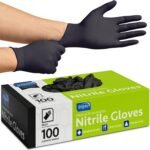
High durability and heavy-duty protection at a very competitive price point.
Price vs. rivals
Pricier
CheaperTypicalPricier
Priced slightly above typical mid-range for heavy-duty nitrile gloves, reflecting a premium for high durability and versatility, but remains competitive with popular alternatives.
Ease of use
Excellent 95/100
These gloves are very easy to use due to their snug fit, durability, and chemical resistance for various tasks.
Overview
If you’re wondering is the Inspire Black Nitrile Gloves worth it, the short answer is: for the price, yes—if you need a solid, everyday heavy-duty disposable that doesn’t fall apart on the first pull. These are 6 mil nitrile gloves, thick enough for most automotive work and kitchen prep, but thin enough to keep some dexterity. They’re not medical-grade sterile, but they’re rated for chemical splash resistance and general use. Think of them as the reliable midsize sedan of disposable gloves: not flashy, but gets the job done without fuss.
The primary problem these solve is the annoyance of flimsy gloves that rip when you’re elbow-deep in grease or handling sharp metal parts. Inspire targets that gap between cheap exam gloves and expensive industrial ones. At roughly 36 cents per glove (based on a 50-pack box at $17.99), they sit right in the value zone. They’re made for people who work with their hands—mechanics, cooks, cleaners, detailers—and need a glove that won’t quit on the first tough job.
Key Features
6 mil thickness – That’s thicker than standard 3–4 mil exam gloves, so you get better puncture resistance without feeling like you’re wearing oven mitts. You’ll feel bolts and brake dust, not every sharp edge.
Textured fingertips – The little diamond pattern on the fingers gives you grip on oily parts and wet dishes. No more fumbling with a slippery socket or a soapy plate.
Chemical splash protection – Rated for incidental contact with mild acids, solvents, and cleaning agents. Not for dunking your hands in acetone all day, but fine for wiping down a carburetor or scrubbing with bleach.
Powder-free and latex-free – No cornstarch powder to annoy your fingers, and no latex proteins for those with allergies. You can pull them on and off without leaving white dust everywhere.
Rolled cuff design – The wrist opening has a little rolled edge that helps the glove stay put when you’re pulling your hand out of a tight engine bay. Less rolling down, fewer glove fails.
Fit for You
You change oil on your own truck every weekend and hate getting brake cleaner under your fingernails.
You meal prep for the week and want one glove that handles raw chicken and then a chopped jalapeño without cross-contamination or a leak.
You detail cars and need a glove that won’t split when you’re scrubbing wheel wells with a stiff brush.
You’re a home cook who makes hot sauce from scratch and your hands have started peeling from too much habanero exposure.
You clean fish or gut game and want something that’s easy to peel off without tearing.
You’re a hobbyist painter or stained-glass worker and need occasional protection from mineral spirits and solder flux.
Uses
Mechanics and DIY car work – This is where the 6 mil thickness really earns its keep. Swapping brake pads, pulling a transmission pan, or changing spark plugs all involve sharp edges, dirt, and solvents. Owners tend to mention that the Inspire Black Nitrile Gloves hold up through a full brake job with only one or two changes. They’re not indestructible, but they’re far better than the blue nitrile gloves you grab at the auto parts store.
Cooking and food prep – If you’ve ever tried to peel a mango in a bulky rubber glove, you know the pain. These are thin enough to feel a knife handle correctly. The textured grip helps hold a slippery fish fillet. And because they’re black, stains from beet juice or turmeric aren’t as obvious—handy if you’re showing off your food on Instagram. They’re not certified for commercial kitchens (no HACCP label), but for home use they’re fine.
Cleaning and chemical work – Bleach, ammonia, degreasers, and even some acids won’t eat through these quickly. For a deep clean of bathroom grout or handling a drain opener, they give you peace of mind. Just don’t expect them to hold up against concentrated solvents like MEK or toluene for long—nitrile has limits.
Experience
First thing you’ll notice when you pull a pair out of the box: they smell like new nitrile—that faint chemical odor that fades after a few seconds. Not strong, but present. The gloves don’t come pre-powdered, so they require a dry hand to slide on easily. If your hands are sweaty or damp, you’ll fight them a bit. A trick is to blow into the cuff before pulling.
Day to day, the fit runs true to size. Some people size up if they’re between sizes because the 6 mil material doesn’t stretch as dramatically as thinner gloves. The texture on the fingertips gives you a confident grip on an oily wrench, but it’s not aggressive enough to scratch painted surfaces. The rolled cuff is genuinely helpful—when you’re wrist-deep in a gearbox, that little lip keeps the glove from slouching down toward your palm.
The small annoyances? The cuffs can be a touch short if you have long forearms—they stop at the wrist, so you won’t get coverage up your arm. Also, after an hour of heavy work, your hands may feel clammy. That’s just nitrile being nitrile; it’s not breathable. If you’re working in a hot garage in July, you’ll want to swap gloves every 30 minutes to avoid sweat buildup.
Storage is simple: toss the box in your toolbox or kitchen drawer. The gloves are packed tightly, so you might have to pry the first few out. But once you’ve got a rhythm, they pull apart cleanly without tearing each other.
Pros and Cons
Pros
Thicker than average disposables – Most exam gloves are 4 mil or less; these are 6 mil, so they resist punctures from screw threads and fish bones noticeably better.
Good value per glove – At $0.36 each, they undercut industrial brands like Ansell by a decent margin while offering comparable thickness.
Textured grip works – The diamond pattern on the fingers actually helps when handling wet or oily objects. It’s not a gimmick.
No powder, no latex – If you have a sensitivity or just hate the mess of powdered gloves, these are clean out of the box.
Black color hides stains – Unlike white or blue gloves, grease and dirt don’t show as much, so you can wear them longer between changes in dirty jobs.
Cons
Not truly chemical resistant for prolonged exposure – They’ll handle splash and wipe-downs, but if you’re dunking hands in solvents continually, you’ll need a thicker nitrile or a specialty glove. Check the Inspire safety data sheet if that’s your use case.
Cuff is a bit short – They stop at the wrist. For tasks that involve reaching into fluids or working overhead where drips run down your arm, you’ll want a longer gauntlet style.
Fit can be snug for wider hands – The sizing runs narrow compared to some budget gloves. If you have wide palms or thick fingers, consider going up one size even if your length measurement suggests medium.
Sweat builds up quickly – 6 mil nitrile doesn’t breathe. After 20 minutes of active work, your hands will feel damp. Not a dealbreaker, but worth knowing if you’re prone to skin irritation.
Box packaging isn’t resealable – Once you open the cardboard flap, you have to either take the whole stack out or carefully close it with tape. A resealable zip pouch would be nicer for a glove box.
Advantages
Where these gloves really shine is in the “good enough” sweet spot. They’re not the cheapest 6 mil glove out there, nor the most expensive. But they beat common alternatives in a few key ways:
Compared to cheap 4 mil exam gloves – Twice the thickness, half the tear rate. You won’t be swapping gloves every time you grab a bolt.
Compared to heavy-duty reusable gloves – Much more dexterity and easier to dispose of when they get nasty. No rubber smell lingering on your hands.
Inspire vs Ansell nitrile gloves – Ansell’s industrial line (like Microflex or HyFlex) often costs 20–50% more per glove. The Inspire holds up well for light-to-moderate work, though Ansell still wins on pure abrasion resistance and chemical certifications. For home mechanics and cooks, the Inspire is the smarter buy; for professionals in a lab or body shop, Ansell might justify the premium.
Color matters – Unlike blue or white gloves that show every smudge, the black finish makes them look clean longer. That’s a small thing, but it matters when you’re working on a customer’s car or cooking for guests.
Who Should Buy
Home mechanics and DIYers – If you’re doing your own oil changes, brake jobs, or suspension work, these are a perfect fit. They’ll save you from scrubbing your hands with degreaser for hours.
Home cooks and meal preppers – Especially those who handle hot peppers, raw meat, or messy batters. The textured grip is a real help when filleting fish or rolling meatballs.
Cleaners and detailers – For bathroom scrubbing, kitchen degreasing, or car detailing, the chemical splash resistance is adequate and the black color hides dirt.
People with latex allergies – No latex, no powder. If your hands react to standard exam gloves, these are a safe bet.
Skip them if – You need extended immersion in solvents (get a thicker chemical glove). You have very long fingers or wide hands (size up). You’re in a sterile medical setting (these aren’t sterile). Or you want a resealable package (buy a dispenser box separately).
FAQ
Is the Inspire Black Nitrile Gloves worth it?
Yes, for most people who need a reliable 6 mil disposable for automotive, kitchen, or cleaning tasks. The price per glove is low, the thickness is adequate, and the grip is genuinely useful. Just don’t expect lab-grade chemical resistance or a perfect fit for every hand shape.
How long does a pair of Inspire Black Nitrile Gloves last?
That depends on the task. For light work like handling food or cleaning, a single pair can last through multiple washes (rinse and reuse). For heavy automotive work, expect one or two hours before they start showing wear. They’re disposable, so replace them if you notice a tear or puncture.
Are Inspire Black Nitrile Gloves food safe?
They are made from nitrile, which is considered food safe in the FDA’s general guidelines for food-contact materials. However, they are not individually certified as food-grade by a third party. For home cooking, they’re fine; for a commercial kitchen, you’d want gloves that explicitly meet CFR 21 standards.
What size should I order?
Measure your palm circumference and match it to the Inspire size chart. Many buyers find the fit runs slightly narrow. If you’re between sizes, go up one. A glove that’s too tight will tear at the webbing between fingers, and a too-loose one will bunch up and reduce grip.
Are these the best heavy duty nitrile gloves for mechanics?
They’re a strong contender in the budget-to-midrange category. For the price, yes—they beat most drugstore gloves handily. But if you’re a professional mechanic doing eight hours of heavy work daily, you might prefer a thicker 8 mil glove from a brand like Ansell for longer life. For weekend warriors and DIYers, these are excellent.
Can these gloves be used for cooking with hot peppers?
Absolutely. The 6 mil thickness stops capsaicin oils from soaking through, which is the main concern. They also don’t have powder that can carry flavors. Just wash your hands after removing them—nitrile can hold residual oils on the surface.
Final Verdict
If you’re looking for a solid, everyday disposable glove that handles a wide range of messy jobs without costing an arm and a leg, the Inspire Black Nitrile Gloves are a straightforward recommendation. They’re not flawless—the short cuffs and narrow fit mean they won’t suit everyone—but for the money, they deliver honest performance where it counts: thickness, grip, and chemical splash resistance. Grab a box, see how the size works for you, and if it fits, you’ll likely stick with them.
One thing to keep in mind: they’re not a universal glove. If your work involves prolonged solvent contact or you need arm-length protection, look elsewhere. But for the vast majority of home mechanics, cooks, and cleaners, these are exactly what you want in your toolbox or kitchen drawer. The are Inspire Black Nitrile Gloves worth it question gets a clear yes—just buy the right size first.
Inspire Black Nitrile Gloves vs the Competition in 2026
If you’re shopping for heavy-duty disposables, you’ve probably noticed the market is split between a few big names and a bunch of cheap unknowns. The Inspire Black Nitrile Gloves sit right in the sweet spot — they aren’t the absolute cheapest, but they undercut the premium brands by a decent margin. At 6 mil with a chemical resistance rating that actually holds up, they’re the kind of glove you’d grab for a full day of engine work or a marathon meal prep session without worrying about splits. They’ve earned a 4.7 average rating because they do the basics really well and don’t try to be something they’re not.
Product
Price Range
Key Strength
Key Weakness
Best For
Inspire Black Nitrile Gloves (6 mil)
Mid-range (≈$17)
Strong chemical resistance, comfortable fit for extended wear
Less grippy than textured competitors when wet
Mechanics, cooks, and DIYers who need reliable protection without premium pricing
Gloveworks HD Orange Nitrile (6 mil)
Mid-range (≈$15–18)
Excellent wet and oily grip thanks to aggressive texturing
Orange dye can stain hands and tools; slightly thinner feel at same mil
People working with wet parts, oily machinery, or slippery food prep
Venom Steel Black Nitrile (6 mil)
Upper mid-range (≈$20–23)
Superb puncture resistance and thicker material feel
Reduced tactile sensitivity; can feel stiff during long jobs
Heavy-duty industrial use where puncture risk is high, less need for fine dexterity
Ansell Microflex Diamond Grip (6 mil)
Premium (≈$26–32)
Best-in-class grip and tactile feedback; silicone-free for contamination control
Pricey for disposable use; not always available in bulk packs
Lab work, precision assembly, or anyone who won’t compromise on feel
Inspire Black Nitrile Gloves vs Gloveworks HD Orange
Both sit at 6 mil, both claim chemical resistance — but they behave differently once you get them dirty. Gloveworks nails the grip on wet, oily surfaces because of that aggressive diamond texture. If you’re pulling transmission parts out of a bucket of solvent, the orange ones won’t slide off your fingers. The Inspire gloves are smoother, which means they’re easier to slide on and off, but they’ll let a wrenches slip if your hands are slick. Where Inspire wins is comfort: the material feels less like a rubber band and more like a second skin, even after two hours of repetitive work. And the black color hides grease stains better than bright orange. If you’re asking yourself are Inspire Black Nitrile Gloves worth it for kitchen work — yes, because they don’t transfer that orange dye onto raw chicken or mixing bowls. Gloveworks will leave a tint on anything porous.
Inspire Black Nitrile Gloves vs Ansell Microflex Diamond Grip
This is the direct premium comparison. The Ansell Microflex is the reference point for best heavy duty nitrile gloves for mechanics who swear by tactile feedback. You can feel a bolt head through 6 mil of nitrile like you’re wearing nothing. The Inspire can’t match that — the material has a slightly thicker feel and less pronounced fingertip sensitivity. But for the price difference (roughly $10–15 per box), the Inspire gets you 90% of the way there. If you’re a professional mechanic swapping transmissions daily, sure, spring for the Ansells. If you’re a weekend wrencher or a line cook running through boxes every month, the Inspire Black Nitrile Gloves are the smarter buy. They also hold up fine against common solvents — gas, brake cleaner, degreasers — so the gap in chemical resistant disposable gloves performance is narrower than the price gap.
Inspire vs Venom Steel: Thickness vs Dexterity
Venom Steel markets itself as tougher, and they’re not lying. The same 6 mil gauge feels denser in the hand; you can tug on sharp metal edges without worrying about a tear starting. But that stiffness comes at a cost: after 30 minutes of repetitive work, your fingers will fatigue faster. The Inspire material is more pliable, which makes it better for jobs that require changing grip often — think removing oil filters or deboning fish. Venom is the pick if you’re handling rough scrap metal or shoveling broken glass (yes, people do that). Otherwise, for general mechanic work or cooking, the Inspire is a more comfortable all-rounder. In a head-to-head Inspire Black Nitrile Gloves review context, the Venom Steel wins on puncture resistance, loses on day-long wearability.
So who should grab the Inspire Black Nitrile Gloves? You — if you want a reliable, durable disposable that handles chemicals and grease without costing as much as a dinner out. They’re the right choice for home mechanics, professional cooks, and anyone who needs a box they can trust for a few heavy-duty sessions. But if your work involves constant wet-grip scenarios, the Gloveworks orange is a better fit. And if you absolutely need the best feel and don’t care about price, the Ansell Microflex is still king. The Inspire sits happily in the middle: not a compromise, just a smart value.
Ready to decide on the Inspire Black Nitrile Gloves?
See today’s price, stock and delivery options on Amazon.