Combining dermatologist trust, effective niacinamide, and overwhelmingly positive user feedback, this cleanser delivers excellent quality at a fair price relative to drugstore alternatives.
Price vs. rivals
Pricier
CheaperTypicalPricier
Priced above most drugstore options, reflecting its premium positioning within the mass market segment.
Ease of use
Excellent 87/100
The product is very easy to use for an average person, as it is a straightforward foaming facial cleanser that requires only water and a simple rinse, with a high rating reflecting broad satisfaction.
Overview
Is the La Roche-Posay Toleriane Cleanser review worth reading? Short answer: yes, this stuff is a solid buy if your skin gets angry at random cleansers. It’s a foaming wash that strips almost nothing while still getting sunscreen and a light face oil off. Most drugstore foaming cleansers are too harsh for anyone whose face reacts to a new laundry detergent. This one? It’s the exception. It’s built for sensitive, sometimes acne-prone skin that still wants a real foam, not a milky lotion that feels like you’re washing with nothing.
It’s also a decent price for what you get. At around $20 for a bottle that lasts two to three months with daily use, you’re not breaking the bank. The catch is that it’s a cleanser, not a magic cure. If your skin is truly wrecked from over-exfoliation or a bad retinoid reaction, this might still feel a little drying. But for most people with normal-to-oily sensitive skin, this is the one you buy again and again.
Key Features
Niacinamide – This is a B3 vitamin that helps calm redness and supports your skin barrier over time. You won’t see a dramatic change overnight, but after a few weeks you might notice less general irritation.
Ceramide-3 and glycerin – A humectant that pulls water into your skin and a lipid that helps patch the barrier. Together they keep the “post-wash tightness” away, which is the main reason people hate foaming cleansers.
pH-balanced formula – Around 5.5, which is close to your skin’s natural pH. That means it won’t wreck your acid mantle. Most bar soaps and many drugstore foams run alkaline and leave your face feeling like a dry creek bed.
Soap-free and sulfate-free – It uses a gentle surfactant called coco-glucoside instead of sodium lauryl sulfate (SLS). That’s the stuff that makes lather cheapy but dries you out. You still get foam, just a finer, creamier one.
Fragrance-free and alcohol-free – No synthetic perfume, no essential oils, no denatured alcohol. If you’ve ever had a cleanser that burned your eyes or left your cheeks flushed, that’s often the culprit. This won’t do that.
La Roche-Posay Thermal Spring Water – A proprietary water with trace minerals that’s supposed to be soothing. Honestly, it’s a nice story, but the real work is done by the niacinamide and ceramides. Still, it doesn’t hurt.
Fit for You
You have combination skin that gets greasy in the T-zone but flakes on the cheeks, and you need one cleanser that handles both sides without drama.
You wear a light layer of sunscreen or mineral powder daily and want a cleanser that takes it off without needing a double-cleanse every single night.
You break out occasionally around your chin or jawline, and you’ve tried Cetaphil (too greasy), CeraVe (stings some days), and Neutrogena (dried you out), and you’re tired of guessing.
You have rosacea or very reactive skin, and most foaming cleansers make you look like you just ran a mile in a hot car.
You share a bathroom with someone who has different skin, and you want a bottle that works decently for both of you without arguments.
You’re on a budget but tired of feeling like you’re washing your face with diluted dish soap. For nineteen bucks, you want something that feels like a real skincare product, not a drugstore compromise.
Uses
Morning use is where this really shines. You pump twice into damp hands, work it into a light foam, and rinse. It cuts through the night-time oil without leaving your skin feeling like it needs a drink. You can follow with a vitamin C serum or just moisturiser and sunscreen, and your face won’t feel tight or sticky.
At night, if you wear a heavy waterproof sunscreen or a full face of makeup, you’ll want an oil cleanser or micellar water first. This cleanser does a fine job on sweat, light SPF, and the kind of daily grime you pick up from touching your face on the subway. But a thick layer of zinc or a full matte foundation? It’ll smear it around, not dissolve it. That’s not a flaw—it’s a sign that it’s gentle enough to not strip your barrier.
People with mild acne-prone skin often use it after a salicylic acid toner or a BP spot treatment to wash off the residue without overdoing it. It plays nice with other actives. Just don’t expect it to fight pimples directly. It won’t. It just won’t make them worse.
Experience
The bottle is a standard flip-top, nothing fancy. You’ll get maybe two to three months out of it if you use two pumps morning and night. The texture is a slightly thick gel that turns into a low, creamy foam. It doesn’t bubble up like an Instagram lather party. It’s more like a gentle cloud. Some people miss the squeaky-clean feeling; that’s a sign you’ve been trained by harsh cleansers. Give it a week. You’ll get used to skin that doesn’t talk back.
The small annoyance is the pump. It works fine, but the tip can get a bit of dried product crusted around it if you don’t wipe it occasionally. Also, the bottle is slippery when wet. Hold it with dry hands or you’ll fumble it into the shower floor like a bar of soap. Not a dealbreaker, just a minor gripe.
One thing owners tend to mention: no stinging eyes. That’s rare for a foaming cleanser. You can open your eyes mid-rinse and it’s just clear water. That alone makes it worth the price for anyone who’s ever teared up during a morning wash because their gel cleanser had a whiff of menthol.
Pros and Cons
Pros
Gentle foam that actually cleans – It removes sunscreen and everyday oil without stripping your barrier. You get the satisfaction of foam without the tight face.
Niacinamide plus ceramides – Most drugstore foams are just surfactants and water. This one has actual skin-supporting ingredients that don’t get rinsed down the drain uselessly.
Fragrance-free and non-comedogenic – No essential oils, no random flower extracts. It won’t clog pores or trigger a reaction in most people who react to “natural” fragrances.
Good value per use – $19.99 for a bottle that lasts two to three months works out to about 25 cents a day. That’s less than a single-use sheet mask.
Widely available – You can grab it at Target, CVS, Amazon, Ulta. No hunting down a specialty derm shop or paying extra shipping.
Cons
Not for dry or very dehydrated skin – Even though it’s gentle, it’s still a foaming cleanser. If your skin is already flakey and tight, a non-foaming milk or cream cleanser would be better.
Doesn’t take off heavy makeup alone – You’ll need an oil-based first step if you wear full foundation or waterproof mascara. It’s a second-step cleanser for many people.
Pump can be messy – The pump is fine but the product can accumulate around the nozzle. Not a huge deal, but worth wiping every week or so.
Might not satisfy “squeaky clean” fans – If you’ve always used harsh cleansers, this will feel like it didn’t do anything at first. It did. Give it 10 days.
Scent – It’s fragrance-free but it has a faint “clean” smell of raw ingredients. Not offensive, but it’s not a lavender dream. Some people miss a pleasant scent.
Advantages
Where does this beat the alternatives? Let’s run down a few common swaps.
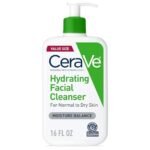
Versus CeraVe Foaming Cleanser: CeraVe has niacinamide too, but it also has a higher concentration of surfactants that can feel drying on sensitive skin. The La Roche-Posay Toleriane vs CeraVe Foaming Cleanser question comes down to this—the LRP is silkier and less likely to cause a tight feeling, especially if you have any redness. CeraVe is fine, but this one is kinder.
Versus Cetaphil Gentle Skin Cleanser: Cetaphil is basically soap-free and doesn’t foam at all. That works for some, but many people want a little lather to feel clean. This gives you that lather without the irritation. If Cetaphil leaves you feeling unwashed, this is the upgrade.
Versus Neutrogena Hydro Boost Gel Cleanser: That one has hyaluronic acid but also a bit of fragrance that can sting. LRP wins for anyone who’s reactive. Hydro Boost is fine for normal skin, but this is safer.
Who Should Buy
You should buy it if – Your skin is easily reddened, prone to breakouts from random products, or you have combination skin that’s hard to please. Also a great choice if you’re new to niacinamide and want a gentle intro without buying a separate serum.
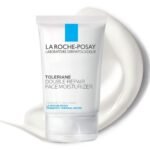
You should skip it if – Your skin is very dry or you’re already using a hydrating routine. Get a cream cleanser like the La Roche-Posay Toleriane Hydrating Gentle Cleanser instead. Or if you’re on a tight budget and CeraVe works for you, don’t fix what isn’t broken.
Also skip if – You need a cleanser that tackles heavy makeup or waterproof sunscreen in one step. Reach for a balm or oil cleanser first, then consider this as your second wash.
FAQ
Is La Roche-Posay Toleriane Cleanser worth it?
For most people with sensitive, combination, or mildly acne-prone skin, yes. At $20 it does what it promises – a gentle foam that doesn’t strip – and lasts two to three months. It’s not a cure-all, but it’s a reliable daily worker.
Is La Roche-Posay Toleriane Purifying Foaming Cleanser good for acne?
It’s not an acne treatment, but it’s a gentle foaming cleanser for acne-prone skin because it cleans without irritating breakouts. The niacinamide helps calm inflammation over time. You’ll still need a separate active for pimples.
Does the Toleriane Foaming Cleanser contain niacinamide?
Yes. It includes niacinamide as a key ingredient, which is part of the La Roche-Posay Toleriane with Niacinamide benefits package – it helps soothe redness and supports the skin barrier without being a harsh active.
How does La Roche-Posay Toleriane compare to CeraVe Foaming Cleanser?
The La Roche-Posay Toleriane vs CeraVe Foaming Cleanser comparison usually lands on the LRP being gentler and more elegant in texture. CeraVe is a bit more stripping for sensitive skin, though both have niacinamide. If your skin tolerates CeraVe, keep it. If it doesn’t, try this.
How long does a bottle of La Roche-Posay Toleriane Foaming Cleanser last?
Around two to three months with twice-daily use, using two pumps each time. That’s typical for a 400-ml bottle. The pump helps you avoid over-pouring, which saves product.
Is it safe for rosacea or eczema?
Many people with mild rosacea tolerate it well because it’s fragrance-free and non-foaming in a harsh sense. But if your skin is actively flared up, test a small area first. Some with very reactive eczema still prefer a non-foaming cleanser.
Final Verdict
The La Roche-Posay Toleriane Purifying Foaming Cleanser is one of the best foaming cleansers for sensitive skin that you can buy without a prescription. It balances effectiveness with gentleness better than most competitors at the price point. The one thing to keep in mind is that it’s not a heavy-duty makeup remover, and it’s not for extremely dry skin. For everyone else – especially if your face is a bit finicky – this is the cleanser to grab and forget about. You’ll probably repurchase it.
Toleriane Purifying Foaming Cleanser vs the Competition in 2026
The foaming cleanser aisle is crowded, and most of them promise the same thing: a deep clean that won’t wreck your skin. The La Roche-Posay Toleriane Purifying Foaming Cleanser sits at a specific crossroads — it’s a pharmacy-brand mid-ranger that leans into niacinamide and prebiotic thermal water rather than plain detergent action. It’s not the cheapest option, but it’s also not the priciest. The real question is whether its extra ingredients earn their keep compared to the usual suspects from CeraVe, Vanicream, Neutrogena, and Aveeno. Here’s how they actually stack up when you’re standing in front of the shelf with red, irritated skin and a limited budget.
Product
Price Range
Key Strength
Key Weakness
Best For
La Roche-Posay Toleriane Purifying Foaming Cleanser
$$ (~$20)
Niacinamide + ceramide-3 for barrier repair while cleansing
Can feel slightly stripping if you double-cleanse or have very dry skin
Oily-to-combo sensitive skin that wants a functional active in the wash
CeraVe Foaming Facial Cleanser
$ (~$12–$15)
Triple ceramide formula at a drugstore price
Can leave a slight film; lacks niacinamide in this specific version
Budget-focused normal-to-oily skin that just needs a clean, no-frills wash
Vanicream Gentle Facial Cleanser
$$ (~$13–$17)
Extreme minimalism — no fragrance, no dyes, no lanolin, no parabens
Doesn’t foam much; can feel too slippery for those used to bubbles
Highly reactive skin or anyone with diagnosed contact allergies
Neutrogena Ultra Gentle Daily Cleanser (Foaming)
$ (~$10–$13)
Hypoallergenic and non-comedogenic with a light lather
Glycerin-heavy formula can feel tacky in humid climates
Teens and young adults with mild sensitivity and a tight budget
Aveeno Calm + Restore Nourishing Oat Cleanser
$$ (~$14–$18)
Colloidal oat for instant soothing, even on sunburn or retinoid irritation
Non-foaming cream texture; some miss the “clean” feeling of suds
Dry, eczema-prone, or post-procedure skin that needs gentleness over shine
Toleriane Purifying Foaming Cleanser vs CeraVe Foaming Facial Cleanser
This is the most common “La Roche-Posay Toleriane vs Cerave Foaming Cleanser” debate you’ll see online, and it comes down to one thing: what do you want your cleanser to do besides clean? CeraVe’s foaming cleanser is a workhorse — it removes oil and sunscreen reliably, costs about $12, and includes three ceramides. But that version of CeraVe does not contain niacinamide (their Hydrating Cleanser does, but that one doesn’t foam). The Toleriane Purifying Foaming Cleanser packs niacinamide right into the lather, which means you’re getting pore refinement and barrier support with every rinse. If your skin tolerates both, and you’re on a strict budget, grab the CeraVe. If you’re already using a separate niacinamide serum, the Toleriane becomes redundant for that purpose — so stick with the cheaper option. But if you want one product that combines cleansing with a gentle active, the La Roche-Posay earns its extra $6–$8.
Toleriane Purifying Foaming Cleanser vs Vanicream Gentle Facial Cleanser
Vanicream is the gold standard for people whose skin flips out at everything. It has zero fragrance, zero essential oils, zero potentially irritating surfactants — it’s basically the witness protection program for your face. The trade-off is texture: it barely foams, and it leaves behind a moisturizing slip that some people describe as “not feeling rinsed off.” The Toleriane foams properly — not a dramatic bubble bath, but enough to feel like you actually washed something away. If you have contact dermatitis, eczema, or known allergies to common preservatives (methylisothiazolinone, anyone?), skip the La Roche-Posay and buy the Vanicream. You’re not losing anything; you’re gaining safety. But if your skin is merely sensitive — the kind that gets red from over-exfoliation or weather changes — the Toleriane’s prebiotic thermal water and niacinamide give you a more pleasant sensory experience and actual barrier support at a similar price point. Vanicream wins on purity. La Roche-Posay wins on feel plus function.
The Aveeno is a cream-based cleanser, not a foaming one, and that distinction matters more than most people admit. If you have dry or compromised skin — think retinoid recovery or winter winds — the Aveeno with colloidal oat is almost impossible to beat for instant calming. You massage it on, it feels like lotion, and you wipe it off without any tightening whatsoever. The Toleriane, being a foaming cleanser, uses surfactants that will remove oil more aggressively. That’s a feature if you have acne-prone or combination skin; it’s a flaw if you wake up with flaky patches. For the “gentle foaming cleanser for acne-prone skin” crowd, the Toleriane is clearly the better pick because it foams without sodium lauryl sulfate and includes niacinamide to help fade post-breakout marks. For the dry-skinned reader who just wants to survive tretinoin season, the Aveeno is the quieter, smarter alternative. Do not let marketing convince you that foaming equals better — it equals different.
So, is La Roche-Posay Toleriane Cleanser worth it for you? Pick the Toleriane Purifying Foaming Cleanser if you have oily, combination, or mildly acne-prone skin that still gets red and irritated — you want the foam, the niacinamide, and the ceramide-3 all in one bottle, and you’re okay spending around $20 for that convenience. Skip it if your skin is truly dry or diagnosed as allergic — in that case, the Vanicream Gentle Facial Cleanser is a safer bet for less money, and the Aveeno Calm + Restore will soothe better when your barrier is compromised. If you’re on a bare-bones budget and your skin isn’t fussy, the CeraVe Foaming Facial Cleanser will do the job for almost half the price. The Toleriane is the best foaming cleanser for sensitive skin that isn’t allergic to basics — it’s a functional upgrade, not a luxury splurge.
Ready to decide on the Toleriane Purifying Foaming Cleanser?
See today’s price, stock and delivery options on Amazon.