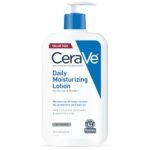
CeraVe balances dermatologist trust with an exceptionally low per-ounce cost, making it a top value in the mass skincare segment.
Price vs. rivals
Cheaper
CheaperTypicalPricier
This large tub of moisturizer is priced noticeably lower than many comparable dermatologist-recommended brands, offering solid value for its size.
Ease of use
Excellent 95/100
The product is easy to use with a simple apply-as-needed routine, suitable for both face and body.
Overview
This CeraVe Moisturizing Cream review cuts straight to it: the 19oz tub is a solid, no-nonsense moisturizer for anyone with dry skin who wants something that works without costing a fortune. It’s a thick cream that soaks in fast—surprisingly fast for something this rich—and leaves your skin feeling calm, not greasy. The real crowd here is people who’ve tried a dozen lotions and just want one that reliably stops the tight, flaky feeling on their face, hands, and body without a fuss.
It solves the basic problem of dry skin that needs a barrier-strengthening boost. The star ingredients—ceramides, hyaluronic acid, and that patented MVE delivery system—are the kind of science that actually does something. This is not a fancy vanity product. It’s a utility player, and it plays well with everything, including prescriptions and other actives.
Key Features
Ceramide trio (1, 3, 6-II): These are the same lipids your skin’s barrier makes to hold onto water. Putting them back in helps stop the cycle of dry, irritated skin that gets worse with every wash.
MVE Delivery Technology: Instead of dumping all the moisture at once, it releases it slowly over time. You feel hydrated hours later, not just for the first twenty minutes after applying.
Non-comedogenic and fragrance-free: It won’t clog pores or sting if your skin is already angry. No perfume, no dye, no nonsense—exactly what you want when your face is flaking.
19oz tub size: That’s a pound and a quarter of cream. For the price, you’re looking at around a dollar an ounce. You will not run out quickly, and it’s cheap enough to use liberally on elbows, knees, everywhere.
National Eczema Association acceptance: It’s got the seal. That means it’s been looked over by dermatologists for sensitive skin conditions, which adds trust if you’re dealing with eczema or psoriasis flares.
Fit for You
You have dry skin that feels tight after a shower and lotions burn or slide off instead of sinking in.
You live somewhere cold or dry—winter air or desert heat—where your hands crack and your cheeks turn red.
You use retinol, benzoyl peroxide, or another treatment that leaves your face slightly raw and in need of a gentle buffer.
You tend to skip moisturizer because it takes too long to absorb and makes your pillowcase greasy at night.
You want one product to cover face, hands, arms, and legs so you don’t have to juggle three different bottles in the bathroom.
Uses
Slap it on right after you wash your face, while your skin is still damp. That helps lock in extra water. A pea-sized blob does your whole face; for your body, you’ll need about a quarter-sized amount per limb.
It’s great as a hand cream in winter because it doesn’t leave that film that makes your phone screen smudge. Or use it as a night cream—a thicker layer, let it sit for a minute, and wake up with skin that feels plumped, not parched.
Some people use it as a shaving cream substitute. It’s cheap enough, and the cushion and glide are decent. Not for a super close shave, but for legs or arms in a pinch, it works fine.
Experience
First time you open the tub, you’ll notice it’s a solid, almost waxy cream. No runny liquid here. It scoops out thick and a little stiff, but the moment it hits your skin it softens up. Rub it between your palms for a second, then press it in. It absorbs in maybe thirty seconds—not instant, but way faster than petroleum jelly or thick body butters.
The tiny annoyance: the tub. It’s wide, shallow, and you have to dig your fingers in. You can buy a pump for it (CeraVe sells one separately for a few bucks) or just use a small spatula if you’re fussy about contamination. The tub itself is heavy, so if you travel, you’ll want to decant some into a smaller jar. Also, the lid doesn’t snap shut super tight—one drop and it’ll crack the plastic.
After a couple of weeks of daily use, you’ll notice your skin isn’t as reactive. The dry patches on your elbows soften. Your face doesn’t feel like cardboard after washing. The catch: if you have oily or acne-prone skin, this might be too heavy for daytime under makeup. It can feel a bit tacky if you overshoot the amount. But for normal to dry skin, it’s a comfortable, workhorse moisturizer that doesn’t sting even when your barrier is compromised.
Pros and Cons
Pros
Fast absorption for a thick cream: Most heavy moisturizers sit on top like a layer of plastic wrap. This one sinks in within a minute, so you can get dressed right away.
No fragrance, no irritation: Even with cracked, windburned hands, it doesn’t burn or tingle. That’s rare for a moisturizer this effective.
Stupid good value at 19oz: Around $18 for a year’s supply if you use it on face and body. You’ll spend that on a single mid-sized tube of French pharmacy cream.
Works well under makeup and sunscreen: Let it set for two minutes, and your foundation won’t pill or slide around like it can with oily creams.
Cons
Packaging is a shallow tub: You have to scoop with your fingers or a tool, and the lid is flimsy. A pump is sold separately, but it should really come with one.
Too rich for oily skin or hot, humid weather: If you’re already shiny, this will make things worse. Stick to their PM lotion or a gel formula instead.
Not ideal for a quick midday refresh: The texture is thick enough that you need a sink or a mirror to apply it neatly. Not a tube you can squeeze out one-handed on the go.
The 19oz size is bulky: It doesn’t fit comfortably in a cabinet or a carry-on bag. If you want portability, buy the 8oz or the 3oz tube version.
Advantages
How does it stack up against the other heavy hitter? In the CeraVe vs Cetaphil moisturizing cream matchup, the difference comes down to texture and feel. Cetaphil’s cream is slightly greasier and takes longer to absorb. CeraVe uses that MVE tech, so it feels lighter even though it’s equally moisturizing. Plus, CeraVe has three types of ceramides vs Cetaphil’s two. For anyone who has tried Cetaphil and found it left a slippery residue, this is the upgrade.
Another edge: it’s one of the few creams that derms consistently recommend for use after procedures like chemical peels or microneedling. The fragrance-free, non-irritating formula is gentle enough for freshly damaged skin. And the price per ounce beats almost every department store alternative by a mile.
If you’re shopping for the best moisturizer for dry skin under $30, this is frequently the top pick because it just does its job without pretending to be a luxury product. No fancy marketing, no claims that defy physics—just well-formulated cream.
Who Should Buy
Buy it if: Your skin is dry, normal-to-dry, or dealing with eczema, and you want a single product for your face and body that won’t break the bank.
Buy it if: You’re on a budget and need something that lasts. The 19oz tub will outlive most other lotions you own.
Skip it if: Your skin is oily or you live in a humid place. You’ll likely find it too heavy and might clog pores. Look for a gel-based moisturizer instead.
Skip it if: You hate digging cream out of a tub or you need a portable travel option. Get the tube version or a different brand.
FAQ
Is the CeraVe Moisturizing Cream worth it?
Yes, especially in the 19oz size. You get effective barrier repair and hydration for about a dollar per ounce, which is a rare combination of quality and value. Most drugstore options at this price either feel greasy or don’t last.
How long does a 19oz tub last?
If you use it once daily on your face and three times a week on your body, expect three to four months. For daily full-body use, about two months. It’s dense—you need less than you think.
Can you use CeraVe cream on your face every day?
Yes, it’s formulated for both face and body. Many people with dry skin use it as their daily moisturizer morning and night. If you’re acne-prone, start with a small amount and watch for breakouts.
Does CeraVe cream clog pores?
It’s labeled non-comedogenic, meaning it’s tested not to block pores. That said, it’s a heavy cream. If you have oily skin, there’s a chance it could feel too occlusive. Patch test on your jawline first.
What is the texture like, and does it feel greasy?
The texture is thick but spreads easily. It absorbs more quickly than most creams in its weight class, leaving skin soft but not shiny. A slight tackiness fades after a minute or two. No greasy film.
Is it safe for eczema or extremely sensitive skin?
Yes. It has the National Eczema Association seal and contains no fragrance, alcohol, or common irritants. It’s often the first cream derms recommend for people with reactive skin or during flares.
Final Verdict
This is the default buy for anyone with dry skin who wants something that actually works and doesn’t cost a lot. It’s not exciting, it won’t smell like a fancy spa, and the packaging could be better, but the formula is rock solid. You can get better texture from a $60 jar, but you won’t get better results per dollar.
The one thing to keep in mind: the 19oz tub is a commitment. If you’re unsure, start with the 8oz tub or a smaller tube. But if you know your skin is dry and you want a reliable, everyday moisturizer without the marketing fluff, this is your pick.
CeraVe Moisturizing Cream Review: vs the Best Alternatives for Dry Skin in 2026
If you’re shopping for a moisturizer that won’t break the bank but actually works, the CeraVe Moisturizing Cream in the 19oz tub is probably on your radar. It’s been a drugstore staple for years, and for good reason: about $19 for a tub that lasts months, with a formula that actually supports your skin barrier. But Cetaphil, Vanicream, and La Roche-Posay all make convincing cases for your bathroom shelf too. This CeraVe Moisturizing Cream review walks through how they stack up, so you can pick the one that fits your skin and your tolerance for greasy textures.
Product
Price Range
Key Strength
Key Weakness
Best For
CeraVe Moisturizing Cream (19oz)
Budget (~$19 for 19oz)
Three ceramides, hyaluoronic acid, and MVE technology for slow-release hydration
Thick consistency can feel heavy on the face; pilling if you layer too fast
Dry to very dry skin on face and body; anyone who wants max hydration per dollar
Cetahpil Moisturizing Cream
Budget (~$13–17 for 16oz)
Lighter texture that absorbs faster without a heavy film
No ceramides or barrier-repair ingredients; less staying power for truly dry skin
Normal to dry skin that doesn’t need heavy occlusion; people who hate a greasy feel
Vanicream Moisturizing Cream
Budget–Mid (~$12–15 for 16oz)
Minimal ingredient list with no fragrance, dyes, lanolin, or parabens
Greasy texture that sits on top of the skin; less cosmetically elegant
Extremely sensitive or allergy-prone skin; anyone who reacts from most creams
La Roche-Posay Lipkar Balm AP+
Mid–Premium (~$16 for 13.5oz)
Shea butter, niaciamide, and thermal spring water for sohing irritation
Richer and heavier than CeraVe; more expensive per ounce
Very dry, eczem-prone, or irrtated skin; people who need a sohing balm
CeraVe Moisturizing Cream vs Cetahpil Moisturizing Cream
These two sit next to each other on every drugstore shelf, and people grab whichever is on sale, assuming they’re basically the same. They’re not. CeraVe’s cream is thicker and stays put longer because of the ceramides and the MVE delivery system. Apply it to dry skin—especially after a shower—and you’ll feel it working for hours. Cetaphil’s version is lighter, spreads easier, and dries down faster. That sounds like a win, but the trade-off is less long-term hydration. If your skin is actually dry—like, winter-in-New-England dry—CeraVe will leave you feeling moisturized longer. Cetaphil is fine for normal skin that just wants a basic cream, but it’s not in the same league for dryness relief. Also, CeraVe works great as a body cream, which makes the 19oz tub a smarter buy if you’re using it head to toe.
CeraVe Moisturizing Cream vs Vanicream Moisturizing Cream
Vanicream is the go-to for people who have tried everything and break out from most of it. The ingredient list is so short it almost looks suspect—no fragrance, no dyes, no lanolin, no parabens. That’s a huge plus if your skin is reactive. But the texture is where Vanicream loses points. It’s greasy, doesn’t really sink in, and leaves a film that feels more like a barrier cream than a moisturizer. CeraVe, by contrast, has a more sophisticated formula—ceramides, hyaluronic acid, the MVE thing—that actually improves your skin barrier over time. If you’ve got normal sensitivity or just want a reliable daily moisturizer, CeraVe is the better product. But if your skin flares up from anything with more than five ingredients, Vanicream is the safer alternative. There’s no point using a “better” formula if your skin hates it.
CeraVe Moisturizing Cream vs La Roche-Posay Lipkar Balm AP+
La Roche-Posay costs more, no way around it. At about $16 for 13.5oz, you’re paying a premium over the CeraVe 19oz tub. The question is whether you need what that extra money buys. The Lipkar Balm is built for irrtated, eczematous skin. It has shea butter, niacinamide, and the brand’s thermal spring water, all aimed at calming inflammation and sohing the skin. The texture is even richer than CeraVe’s—this is a balm, not a cream—which makes it overkill for normal dry skin but perfect for angry patches on elbows, knees, or anywhere that’s red and flaky. For everyday dry skin without the irrtation component, CeraVe does the job for less. But if your skin is actually unhappy—itchy, stingy, reactive—the Lipkar Balm is worth the splurge. It’s not a direct alternative to CeraVe; it’s a specialist tool for a specific problem.
So who should buy the CeraVe Moisturizing Cream? You, if you have dry to very dry skin anywhere on your body, you don’t want to spend more than $20 on a moisturizer that lasts months, and you prefer skin-barrier ingredients over a fancy texture. It’s the best moisturizer for dry skin at this price, plain and simple. Is CeraVe moisturizing cream worth it? At less than a dollar an ounce for a formula with ceramides and hyaluoronic acid, yes—it’s one of the few products that actually over-delivers. But if your skin is so sensitive that you react to common emulsifiers, skip it and get Vanicream instead. And if you’re dealing with eczema or persistent irrtation, the La Roche-Posay Lipikar Balm AP+ is a better fit, even though it costs more. For everyone else with plain dry skin: buy the CeraVe 19oz tub, use it on your face and body, and don’t overthink it.
Ready to decide on the CeraVe Moisturizing Cream?
See today’s price, stock and delivery options on Amazon.