Strong user satisfaction and effective formulation justify its mid-range price against comparable moisturizers.
Price vs. rivals
Typical
CheaperTypicalPricier
This cream is priced near the middle of the market, slightly below many premium K-beauty moisturizers but above budget brands, giving it a competitive mid-range price position.
Ease of use
Excellent 90/100
This moisturizing cream comes in a standard jar or tube, and applying it is straightforward for any user, making it easy to use in daily skincare routines.
Overview
In this ANUA PDRN Moisturizing Cream review, the quick answer is yes, provided you have dry or dehydrated skin and want something that hydrates without feeling heavy. It’s a PDRN-infused cream that pairs that ingredient with hyaluronic acid. The cream is meant to repair the skin barrier and give a bouncy, glowy finish. Most people rave about the texture—it’s thick but absorbs fast.
The cream is for anyone whose face feels tight an hour after washing, or who wakes up with flaky patches around the nose. It also fits people who dislike that greasy, “still sitting on top” feeling that some heavy creams leave. At $24 for 2.02 fl oz, it’s priced like a mid-range K-beauty staple. Owners tend to mention they need less than a pea-sized amount per cheek.
Key Features
PDRN (Polydeoxyribonucleotide) – This is the ingredient borrowed from medical wound healing. In skincare, it’s supposed to speed up cell turnover and soothe irritation. You’ll notice less redness after a few days, especially around irritated areas.
Hyaluronic Acid (multiple molecular weights) – Instead of one kind, they use a mix so it hydrates both the surface and deeper layers. Your skin feels plump, not just wet. The catch: in very dry air, high HA can sometimes pull water out of your skin if you don’t apply it on damp skin.
Centella Asiatica and Panthenol – Both calm inflammation and support the barrier. People with rosacea or post-acne redness often see a difference within a week. It’s not a treatment, but it won’t sting like some active-loaded creams.
Ceramide NP – A single ceramide, but enough to reinforce the barrier. If you’ve over-exfoliated or used too much retinoid, this cream can help patch things up. You’ll feel less stinging when applying your next product.
Fragrance-free and essential oil-free – This is a big plus if you’ve ever had a moisturizer make your eyes water. It has a faint, almost clinical smell from the ingredients, but it vanishes in seconds.
2.02 fl oz (60 ml) jar – A standard size for a cream. If you use it twice a day, a jar lasts about 8–10 weeks. The jar is glass, which feels nice but is heavy for travel.
Fit for You
You live in a dry climate or have indoor heating that turns your face into parchment by noon.
You’re trying to repair a damaged skin barrier from overusing acids or tretinoin.
You want a moisturizer that gives a dewy look without looking like you dipped your face in oil.
You have sensitive skin that reacts to most creams—this one has a short, low-irritant ingredient list.
You’re looking for the best moisturizing cream for sensitive skin that also has anti-aging benefits from the PDRN.
You’re willing to try an ANUA product but aren’t sure if it’s worth the price compared to drugstore options.
Uses
The most obvious use is the morning and evening routine. In the morning, a thin layer under sunscreen will keep your face comfortable for hours. It layers well under makeup—no pilling, no weird separation. Evening is where it shines: after a hydrating toner and serum, this cream locks everything in. Owners tend to mention they wake up with softer, more even skin.
It’s also great after a chemical exfoliant or a peel. Your skin feels raw, and slapping on something heavy can sting. This one doesn’t. It soothes without clogging pores. Another niche use: during a flight. The cabin air dehydrates you fast. Apply a thicker layer before boarding, and your face won’t feel like a mask by landing.
If you have combination skin, you can use it only on dry areas. The T-zone might find it a bit rich in humid weather, but that’s a trade-off for the deep hydration. For very oily skin, skip it entirely—you’ll want a gel-based moisturizer instead.
Experience
Using the ANUA PDRN cream is straightforward, but a few details matter. The jar is glass and heavy—if you drop it, it’s done. Most people keep it on their bathroom counter, not in a gym bag. The cream has a balm-like consistency straight out of the jar. You need to warm it between your fingers for a few seconds before applying. Otherwise it feels like you’re dragging something thick across your skin.
Once softened, it spreads easily. A little goes a long way; less than a dime-sized blob covers your whole face and neck. It absorbs in about a minute, leaving a slightly tacky feel for another thirty seconds. That tackiness goes away completely once you apply sunscreen or makeup. The finish is dewy but not shiny—think “glass skin” lite, not “deep-fried.”
The small annoyance: the jar design. You have to dip your fingers in. Some people hate that for hygiene reasons. A spatula helps, though the product doesn’t come with one. Also, the jar is opaque, so you can’t see how much is left until you stick your finger in and hit the bottom. The price per ounce is about $12, which is decent for the ingredient list, but you’ll go through it faster than you expect if you’re heavy-handed.
On the positive side, it never stings, even on broken skin from picking or windburn. That alone saves you from wincing every night. And the glow factor is real: after two weeks, your skin looks more alive. Owners tend to mention compliments from colleagues or friends asking if they changed their routine.
Pros and Cons
Pros
Excellent barrier repair – The PDRN plus ceramide combo really helps if you’ve damaged your skin. You’ll see less redness and fewer rough patches within a week.
Non-greasy hydration – It’s thick but sinks in quickly. No greasy shine after a few hours.
Great for sensitive skin – Fragrance-free, no essential oils, short ingredient list. It’s a safe bet if you react to most moisturizers.
Visible glow – The hyaluronic acid moisturizer for dry skin delivers on plumping. Your skin looks bouncier and more reflective.
Good value for the ingredients – $24 for a PDRN product is cheaper than many Korean beauty brands charging $40+. You get hospital-grade actives at a mid-range price.
Layers well under makeup – No pilling, no spackle effect. Primer goes on smoothly on top.
Cons
Too heavy for oily skin – Even in the winter, this cream feels rich. If your T-zone gets greasy by lunch, look for a gel or water cream instead.
Jar packaging – You have to dip fingers in, which introduces bacteria. A pump or tube would have been better for hygiene and portion control.
Doesn’t work well on dry skin without a hydrating toner – The high HA content can pull moisture from dry skin if you apply it on bare, dry face. Always use it on damp skin or after a toner.
Not a quick fix – You need consistent use for two weeks to see the barrier repair. If you want instant soothing, a cica balm might work faster.
Moderate glow, not dramatic – It makes your skin look healthier, but it’s not a makeup-glow-in-a-jar. If you expect a glass-skin effect from just one product, you’ll need a serum underneath.
Advantages
Compared to other popular moisturizers in the same price range, this ANUA cream holds its own. Most drugstore hyaluronic acid creams are just HA and basic emollients—this has PDRN and centella, which give it a real advantage for calming inflammation. When you do an ANUA vs other moisturizing creams comparison, what stands out is the texture. Thicker creams, like CeraVe in the tub, can feel greasy and break you out. This one is more elegant, absorbs faster, and doesn’t leave a film. For the price, it also beats many mid-range K-beauty brands that charge $30+ for a similar PDRN formula. If you’re looking for ANUA cream for glowing skin, the edge is that you get that glow without the heavy feeling that often comes with “glow” creams. It’s also fragrance-free, which is rare for glow-focused products—usually they add essential oils that irritate sensitive skin.
Three points where it clearly wins:
It doubles as a barrier repair cream and a daily moisturizer, saving you from buying two products.
The ingredient list is short and well-targeted—no filler extracts or unnecessary botanical blends that might cause reactions.
It’s one of the few creams that feels truly hydrating without crossing into greasy territory, even for those with normal-to-dry skin.
Who Should Buy
You should buy it if you have dry, dehydrated, or damaged skin and want a single moisturizer that repairs and hydrates. Also if you’re sensitive to fragrance and need something that won’t irritate.
You should buy it if you’re already using a hyaluronic acid serum and want a matching cream that locks everything in.
You might still like it if you have combination skin and are okay using it only on your cheeks and neck while avoiding the T-zone.
Skip it if you have very oily or acne-prone skin. The rich texture can feel suffocating. Look for the ANUA Heartleaf line instead—those are gel-based and lighter.
Skip it if you want an all-in-one product with SPF. This has no sun protection.
Skip it if you prefer pump packaging for hygiene—this jar will annoy you.
FAQ
Is the ANUA PDRN Moisturizing Cream worth it?
Yes, if you have dry or barrier-damaged skin and want a well-formulated moisturizer with active ingredients. It delivers on hydration and repair without the high price of some competitor PDRN creams.
How long does a jar of ANUA PDRN cream last?
With twice-daily use, a 2.02 oz jar typically lasts 8 to 10 weeks. You only need a small amount—about half a pea per side of your face—so it lasts longer than you might expect from the jar size.
Is the ANUA PDRN cream safe for acne-prone skin?
It can be, but it’s risky. The texture is rich, and some users find it clogs pores if they have oily or very acneic skin. Patch test on a breakout-prone area first, or use it only on dry spots.
What are the main ANUA PDRN cream ingredients?
Water, PDRN, hyaluronic acid (multiple weights), centella asiatica extract, panthenol, ceramide NP, and squalane. No fragrance, alcohol, or essential oils. The formula is clean and straightforward.
Can I use it with retinol or tretinoin?
Yes, this cream is great for retinol users. Apply retinol at night, then follow with the ANUA cream on top to soothe and protect. Many people use it as a barrier repair step when their skin gets flaky from actives.
Is it the best moisturizing cream for sensitive skin?
It’s one of the better options in the $20–30 range. The lack of fragrance and essential oils, combined with anti-inflammatory PDRN and centella, makes it a safe choice for most sensitive skin types. Still, patch test first.
Final Verdict
The ANUA PDRN Moisturizing Cream is a solid buy if you need deep hydration without the grease. It’s especially good for people dealing with barrier damage from weather, products, or a too-aggressive routine. The packaging is a minor headache, and it won’t suit oily skin, but the formula delivers a visible glow that feels like your own skin, not a mask. For $24, you get a well-researched blend of PDRN, HA, and calming ingredients—exactly what a hyaluronic acid moisturizer for dry skin should be. Is ANUA moisturizing cream worth it? For most normal-to-dry skin types, yes. Just remember to apply it on damp skin and use a spatula if the hygiene thing bothers you.
ANUA PDRN Moisturizing Cream vs the Best Alternatives in 2026
The ANUA PDRN Moisturizing Cream sits in a weirdly sweet spot: it’s $24, which is more than a drugstore tub but less than the luxury Korean bottles that make you wince at checkout. It’s built around PDRN (salmon DNA extract) and hyaluronic acid — a combo that aims to both plump and repair. But does that actually deliver, or are you just paying for a fancy ingredient list? I’ll compare it against four real rivals so you can tell if it’s your next tube or a pass.
Product
Price Range
Key Strength
Key Weakness
Best For
ANUA PDRN Hyaluronic Acid 100 Moisturizing Cream
~$24.00
PDRN + HA for glow and barrier repair
Gel-cream texture may not be rich enough for very dry winter skin
Anyone who wants a dewy, plumping finish without a heavy feel
Dr. Jart+ Ceramidin Cream
~$48.00
Potent ceramide blend for deep barrier recovery
Thick, balm-like texture that can sit shiny; pricey
Dry, compromised skin that needs serious reinforcement
COSRX Advanced Snail 92 All in One Cream
~$25.00
Snail mucin for soothing and long-term hydration
Can feel tacky on application; limited anti‑aging beyond moisture
Sensitive or acne-prone skin that wants calming, not a glow bomb
La Roche-Posay Cicaplast Baume B5
~$16.00–$20.00
Fast irritation relief with panthenol and shea butter
Mattifies a bit; not plumping or glowing
Redness, post-procedure skin, or cheap barrier backup
CeraVe Moisturizing Cream (tub)
~$16.00
Rock-solid ceramide formula at a drugstore price
Greasy feeling on some; no glow, just function
Budget buyers who want reliable moisture and nothing fancy
ANUA PDRN Moisturizing Cream vs Dr. Jart+ Ceramidin Cream
The Dr. Jart+ is the heavy lifter — if your face is an actual desert, it’s the dam. But it costs twice as much and leaves a slightly tacky, visible sheen that makeup slides right off of. The ANUA PDRN Moisturizing Cream, by contrast, sinks in much faster and gives that “I slept 10 hours” glow without looking like you slathered on cooking oil. Where the Dr. Jart+ wins is when your barrier is genuinely broken — think windburn, over-exfoliation, or tretinoin flaking. For daily maintenance with a lighter feel, ANUA is the better bet. For emergency repair, the Dr. Jart+ is worth the splurge.
ANUA PDRN Moisturizing Cream vs COSRX Advanced Snail 92 All in One Cream
These two are almost the same price and often sit next to each other in the same K-beauty aisle. The COSRX uses snail mucin — it’s calming, non-irritating, and fine if your skin hates everything. But the “all in one” claim is a stretch; it’s really just a hydrating gel with minimal plumping. The ANUA uses actual PDRN, which some studies suggest boosts collagen synthesis and speeds healing. Does that mean you’ll look 25 again? No. But after a week of using the ANUA, my skin had a noticeable bounce that the snail cream never gave me. On the flip side, the COSRX is gentler if you react to new active ingredients. If you want a glow that isn’t a gimmick, pick the ANUA. If your skin throws a tantrum at everything, stick with the snail.
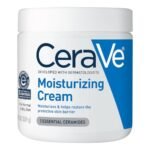
ANUA PDRN Moisturizing Cream vs CeraVe Moisturizing Cream
You can get a pound of CeraVe for $16. That’s a fact. But the texture is thick, and for anyone with combination or normal skin, it can feel like wearing a face mask all day. The ANUA is lighter, absorbs cleanly, and actually leaves a visible radiance — the CeraVe just keeps you hydrated and matte. If you’re on a strict budget and don’t care about a glow-up, the CeraVe tub is unbeatable value. But if you’ve got maybe $8 more and you want your moisturizer to do something beyond “stop the flakes,” the ANUA PDRN Moisturizing Cream is a clear upgrade. The trade-off is that $24 doesn’t get you a massive jar — the ANUA is 2.02 oz, while CeraVe gives you 16 oz. You pay for the formulation, not the volume.
Who Should Buy the ANUA PDRN Moisturizing Cream? And Who Should Look Elsewhere?
You should buy the ANUA PDRN Moisturizing Cream if: you want that Korean-skincare glow without spending $50 on a jar, your skin is normal-to-dry (not fully cracked), and you’re curious about PDRN but don’t want to mess with serums. It’s a solid daily moisturizer that actually does something extra. Skip it if: your skin is truly desert-dry (then the Dr. Jart+ Ceramidin Cream is better), or you have oily acne-prone skin that hates gel-creams (the COSRX snail cream will treat you kinder). And if your entire skincare philosophy is “cheap and works,” the CeraVe tub still wins. The ANUA is for the person who wants a noticeable improvement in texture and radiance, not just hydration.
Ready to decide on the ANUA PDRN Moisturizing Cream?
See today’s price, stock and delivery options on Amazon.