Setting up a home recording space means making smart choices about where your money goes. You need gear that works reliably without draining your budget on features you will never use. The right tools make the difference between a frustrating session and one where you actually get the take you want.
This list ranks the six highest-scoring products from our reviews. We draw on specifications, product listings, and patterns in verified buyer feedback. Nobody here tested these items in a lab. The scores come from what owners say and what the specs show.
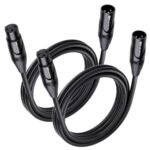
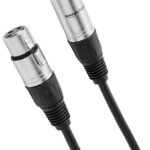
The Cable Matters XLR Microphone Cable two-pack solves the basic problem of getting clean audio from mic to interface. Buyers report no hum or RF interference in typical home studio conditions. The six-foot length works fine if your interface sits on the desk near your mic stand. The jacket bends easily around desk legs and coils small for storage. Skip it if your interface lives on the floor or you need a cable for daily tour use. The molded plastic connectors feel cheap compared to metal shells, but they make solid contact with standard jacks. For a two-mic podcast rig, the per-cable price is hard to beat.
The WINGO Rosewood Guitar Capo does one thing well: it holds your strings down firmly once you set the tension. Owners say the adjustable pressure works on both steel-string acoustics and electrics without pulling strings sharp. The rosewood finish looks more premium than its price suggests. The catch is the smooth metal casing gets slippery when your hands are damp, and the tension dial is too small to adjust mid-song. Skip it if you play classical guitar with a wider neck or perform long sets in hot venues. For a beginner or a backup capo, it is a reliable choice.
The Dunlop Tortex .60mm Picks deliver a forgiving, dynamic strumming feel that rigid picks cannot match. Owners note the .60mm gauge bends just enough to give rhythm playing a human sound. The Tortex material does not chip, warp, or get sticky, and each pack behaves the same out of the box. The downsides are a waxy coating that feels slippery until your hands warm it up and fast tip wear if you attack hard. Skip them if you play fast alternate picking or aggressive leads. For rhythm guitarists, buying a 12-pack and scattering them across cases and bags makes sense.
The Amazon Basics Guitar Stand keeps your instrument off the floor and ready to grab without taking over the room. The A-shape design folds flat in seconds and adjusts to fit both electric and acoustic guitars. Buyers appreciate the padded foam contact points that protect the finish. The trade-off is stability: a tripod stand handles bumps from any direction better, so this one needs a calm corner away from doors and pets. Skip it if you need a stage workhorse that survives road cases. For a home practice room, it is a sensible buy at a low price.
The Yamaha YRS-24B Recorder is the standard choice for school music programs for a reason. Buyers say the plastic body survives classroom drops, the Baroque fingering matches what you will use on a wooden recorder later, and the low and middle notes stay in tune with normal breath. The sound is bright and thin compared to wood, and beginners will squeak until they learn breath control. Skip it if you already play and want a warm tone for performances. For a child or an adult starting out, this is a reliable, inexpensive learning tool.
The Fender Picks Sampler gives you twelve picks across three thicknesses so you can finally settle on your preferred gauge. Owners say the celluloid material produces a warm attack that suits acoustic strumming and vintage rock. The molding is clean, with no rough edges. The drawbacks are a slippery feel when your hands get warm and a thickest gauge of only 1.0mm, which is not enough for heavy metal or fast jazz. Skip it if you already know you want a textured grip or a Jazz III. For beginners and intermediate players, this pack is a practical test kit.
If your priority is clean audio for a podcast or voiceover, start with the Cable Matters XLR cable pack. For guitarists, the WINGO capo covers basic needs cheaply, while the Dunlop picks suit rhythm players who want flexibility. The Yamaha recorder is the obvious pick for anyone learning. Match the tool to the job.
How we picked
We ranked the 36 products we have reviewed in this category. Average shopper rating carries the most weight, followed by the value and ease-of-use scores from each review. Where two versions of the same product scored well, we kept one. Our reviews are research-based: they draw on specifications and verified buyer feedback, not lab testing. A product with very few ratings does not get extra credit for a perfect score.