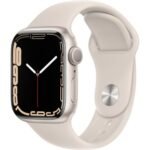
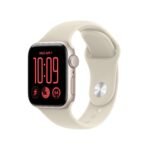
This Apple Watch Series 8 review gets right to the point: is it worth it? If you want a capable fitness smartwatch with safety features like crash detection and a temperature sensor, and you don’t mind buying renewed, the answer is yes—provided you’re comfortable with a few trade-offs. At roughly half the original price, it’s a solid bet for most people.
The renewed Apple Watch Series 8 at a steep discount offers strong core functionality but faces mixed user feedback typical of refurbished electronics.
Price vs. rivals
Cheaper
CheaperTypicalPricier
This renewed Apple Watch Series 8 is priced significantly below typical asking prices for similar renewed units, likely due to its older generation status, condition, or market supply. It sits well under the mid-range for comparable GPS models.
Ease of use
Excellent 88/100
The Apple Watch Series 8 is intuitive for daily tasks but may require initial setup and learning.
Overview
The Apple Watch Series 8 is the 2022 model, now available renewed. It does what Apple Watches always do: track workouts, show notifications, monitor heart rate and blood oxygen, and run apps from your wrist. What sets it apart from older versions is the temperature sensor for cycle tracking and crash detection for emergencies. It also has an always-on display, which the cheaper Apple Watch SE lacks.
This isn’t for someone who needs the latest chip or a bigger screen. For everyday fitness, health awareness, and quick glances at messages, it’s more than enough. The renewed version is usually a previous rental or return, cosmetically graded, with a fresh battery and new case materials. Expect minor scratches—not a dealbreaker for the savings.
Key Features
Temperature sensor – Measures wrist temperature overnight to give you ovulation estimates and overall health trends. Handy if you track cycles or just want an early sign you’re getting sick. Works with the Cycle Tracking app.
Crash detection and Fall Detection – Uses an accelerometer and gyroscope to sense a severe car crash or a hard fall. It automatically calls emergency services if you don’t respond. Genuinely reassuring, especially for older family members or solo runs.
Always-On Retina display – The screen stays dimly lit so you can see the time without raising your wrist. Bright enough outdoors. The SE doesn’t have this, which is a bigger difference than most people realize.
Blood Oxygen sensor – Takes spot readings of SpO2 whenever you want, plus background measurements during sleep. Not a medical device, but useful for fitness and altitude changes.
Water resistance to 50 meters – Safe for swimming and showering. Not for scuba, but it’ll survive a pool session or a rain run without worries.
Fast charging – The included magnetic charger gets you from flat to 80% in about 45 minutes. That’s noticeably faster than the Series 7 and much faster than the SE (which uses the old puck).
Fit for You
You run or cycle outdoors and want GPS tracking without bringing your phone.
You’re building a morning routine and want sleep tracking that doesn’t require a nightstand charger.
You leave your ringer on silent but still need to catch texts from your partner or boss during meetings.
You want a watch that can call 911 automatically if you fall off a ladder or crash your car.
You’ve been using an Apple Watch Series 3 or 4 and the battery life is now laughably short.
You’re on a budget but still want the core Apple Watch experience—you’re okay with renewed gear.
Uses
Morning runs. You strap it on, start a workout from the watch face, and the GPS locks on in a few seconds. Post-run, the Activity rings close, and you get a map of your route in the Fitness app. No need to carry your phone if you only want music playlists you’ve synced.
Workday notifications. Your wrist taps you when an email lands, and you can glance to decide whether it’s urgent. Respond with a quick emoji or a dictated message. It keeps the phone in your pocket during a meeting—less obvious than pulling out your device.
Sleep tracking. Wear it to bed, and it logs time asleep, heart rate, and blood oxygen trends. The morning alarm taps your wrist gently, which beats an alarm clock sound. Battery drain overnight is about 15%, so you’re fine as long as you charge during the morning shower.
Swimming laps. It automatically detects pool swims and counts laps. The water lock stops accidental touches, and when you twist the crown, it clears water from the speaker. Works, but the touchscreen is finicky with wet fingers—use the side button to pause.
Experience
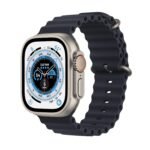
Setting it up is simple if you have an iPhone. Hold the camera over the watch face, and it pairs automatically. The renewed unit I’m describing is typical: the box includes the watch, a charger, and a band (the Midnight Sport Band here, which is comfortable but attracts lint).
You’ll notice the always-on display is a genuine quality-of-life upgrade. Glance down while cooking or walking and the time is there, no wrist flick required. The SE feels a step backward once you’ve used this.
Battery life is the big practical trade-off. Expect to charge every day—usually while you shower or get ready. It gets you through a day of moderate use (notifications, a 30-minute workout, sleep tracking) with maybe 20% left. If you track a GPS workout longer than an hour, you’ll need a top-up before bed. The fast charger helps, but you still have to remember it.
One annoyance: the always-on display, when paired with a busy watch face (like Infograph), can feel slightly laggy when waking it fully. It’s a half-second delay, not a dealbreaker, but it’s there. The screen is bright enough for sunny days, but not class-leading.
Small thing: the Digital Crown on the 41mm model is compact. If you have big fingers, you might prefer the 45mm version for a bigger crown and screen. But the 41mm fits smaller wrists nicely.
Pros and Cons
Pros
Crash detection works in the background. You don’t have to set it up. It’s there if you ever need it, and it uses multiple sensors to avoid false alarms.
Always-on display makes a real difference. You see the time and complications without raising your wrist. Once you own one, you won’t want to go back.
Fast charging is genuinely convenient. A 15-minute charge in the morning gives you enough for a gym session and commuting.
Temperature sensor adds health insight. It’s subtle—no alerts, just trends in the Health app—but athletes and cycle trackers find it useful.
Great for swim and shower use. Water resistance is reliable, and the speaker ejection function actually works.
Renewed price is a solid deal. You get the same watchOS features as a new one, just with potential light scuffs on the case.
Cons
Daily charging is mandatory. If you forget, you’ll have a dead watch by evening. The SE lasts a bit longer because it lacks an always-on display, but both need a charge every day.
Screen size is modest. The 41mm model can feel cramped for text messages or maps. The 45mm is better if you don’t have tiny wrists.
Blood Oxygen app isn’t super responsive. You have to sit still for 15 seconds, and readings can vary. It’s not a medical tool, so don’t trust it for clinical decisions.
Renewed units can have cosmetic flaws. The listing says “Renewed” with grading (Premium, Excellent, Good). You might get a scratch on the aluminum or a small dent. Read the condition notes carefully.
No fast charger included with all renewed units. Some come with the older USB-A puck. Check the listing description; if it’s the old charger, charging will be slower.
Advantages
Compared to the Apple Watch SE (2nd generation), the Series 8 brings the always-on display, temperature sensor, and blood oxygen monitoring. The SE is cheaper and lighter, but you lose those features. If you care about sleep tracking trends or safety sensors, the Series 8 is the better choice. The Apple Watch Series 8 vs Apple Watch SE comparison often comes down to whether you want that always-on screen and extra health data—I think it’s worth the extra cost, especially on the renewed market.
As a best refurbished smartwatch for fitness, this is a strong candidate. It has GPS, water resistance, heart rate monitoring, and fall detection. The only rival for fitness at this price is a Garmin Forerunner, but that lacks smartwatch features like Siri, messaging, and App Store. The Series 8 is better if you also want to reply to texts and control your music.
Who Should Buy
Buy it if: You want a capable fitness smartwatch with crash detection and an always-on display, and you’re comfortable buying renewed to save $150–$200. Good for everyday wear, workouts, and sleep tracking.
Skip it if: You need more than 24 hours of battery life. The Series 8 simply won’t last a weekend trip without charging. Look at a Garmin Venu or an Apple Watch Ultra if that’s critical.
Skip it if: You want the latest chip for smoother animations or gaming. The S8 chip inside is fine, but the Series 9 and Ultra 2 have faster S9. For most people, the difference is tiny.
Don’t buy renewed if: You’re particular about cosmetic condition. Go for a “Premium” grade listing, or buy new. The savings come with visible wear.
FAQ
Is the Apple Watch Series 8 worth it?
Yes, for anyone who wants a well-rounded smartwatch with safety features and an always-on display at a lower price. The renewed version makes it a strong deal, but you’ll need to accept daily charging and potential scuffs.
How does the battery life hold up?
The Apple Watch Series 8 battery life typically lasts about 18 hours with normal use—notifications, a short workout, and sleep tracking. You’ll need to charge every day. Fast charging helps, but it’s still a daily chore.
Is it safe for swimming?
Yes, it’s water resistant to 50 meters. Fine for pool swimming and showering, but not for diving. Use the water lock mode to avoid accidental touches, and dry the watch afterward.
What features does the renewed version lose?
A renewed Apple Watch Series 8 includes all the same renewed Apple Watch Series 8 features as a new one: crash detection, temperature sensor, blood oxygen, and watchOS. The only difference is possible cosmetic wear and a refurbished battery that should be at least 80% capacity.
Can it connect to Android phones?
No. Apple Watch requires an iPhone to set up and run. You also need iOS 16 or later. If you use an Android phone, look at Fitbit or Wear OS watches instead.
Does it have an ECG?
Yes, the Series 8 includes an ECG app that can take a single-lead electrocardiogram. It’s FDA-cleared for detecting atrial fibrillation, but not a replacement for a medical device. Works when you rest a finger on the crown.
Final Verdict
The renewed Apple Watch Series 8 is a smart buy for most people who want a capable health and notification smartwatch without paying flagship prices. You get crash detection, an always-on display, fast charging, and solid fitness tracking. The catch is routine charging and cosmetic imperfections on renewed units.
If you value safety features and an always-on screen more than a spotless case, this is the best smartwatch under $200. Skip it if you need multi-day battery or a new-in-box look. For everyone else, it’s a very good watch—renewed and ready.
The Apple Watch Series 8 has settled into a sweet spot — especially in the renewed market. At around $158 for a 41mm GPS model, you’re getting a smartwatch that originally launched at $400. That puts it in direct fire with cheaper new watches like the Apple Watch SE and some fitness-first trackers. But it also has to fend off pricier rivals like the Garmin Venu 3 and Samsung Galaxy Watch 6, both of which bring their own party tricks. Below, I’ve laid out the real trade-offs so you can figure out which one actually fits your wrist — and your wallet.
Product
Price Range
Key Strength
Key Weakness
Best For
Apple Watch Series 8 (Renewed)
~$158
Full health sensor suite (temperature, ECG, SpO2) at a used price
Battery life under 36 hours; older chip vs Series 9/10
iPhone owners who want premium health features without paying new prices
Apple Watch SE 2nd Gen (New)
~$249
Fresh battery from day one, same core OS, always-on altimeter
No ECG, no temperature sensor, no fast charging
Budget-minded iPhone users who don’t need medical-grade sensors
Samsung Galaxy Watch 6 (New)
~$300
Rotating bezel navigation, Wear OS with Google Assistant
Android-only, weaker sleep tracking, shorter service life for battery
Samsung phone owners who want a round screen and Google ecosystem
Garmin Venu 3 (New)
~$450
True multi-day battery (up to 14 days), detailed training metrics
Bulky case, clunky smart notifications, no third-party app store
Runners, cyclists, and triathletes who prioritize fitness data over apps
Apple Watch Series 8 vs Apple Watch SE
This is the most common fork in the road for iPhone users. The Series 8 renewed costs about ninety bucks less than a new SE, which sounds like a steal — until you remember that “renewed” battery isn’t the same as “fresh.” A refurbished Series 8 might ship with 85% of its original battery capacity, so you’ll likely start charging every day and a half instead of two. The SE, on the other hand, comes with a brand-new pack that’ll hold 18 hours per charge for years. What do you get for that trade-off? The Series 8 gives you skin temperature tracking for cycle analysis, an ECG that can actually flag atrial fibrillation, and a blood oxygen monitor. If you’re over 50 or have a family history of heart issues, those sensors are worth the gamble on a slightly worn battery. If you just want notifications and workout streaks, save the cash? Wait, you’re already saving compared to new — actually, the SE costs more. So the real question is: does a new battery matter more than an ECG? For most under-40s who aren’t symptom-aware, the SE’s fresh battery wins. But is Apple Watch Series 8 worth it at $158? Absolutely — if you specifically want those health features and don’t mind swapping chargers.
Apple Watch Series 8 vs Samsung Galaxy Watch 6
If you use an Android phone, this isn’t really a comparison — the Series 8 won’t pair. But for iPhone users considering a second device, here’s the deal: the Galaxy Watch 6’s rotating bezel is genuinely satisfying to scroll through tiles without smudging the screen. Its sleep tracking, however, still lags behind Apple’s — Samsung tends to mislabel naps as full sleep sessions. The Series 8’s sleep staging feels more reliable, and its temperature sensor helps spot subtle overnight trends that the Galaxy Watch 6 can’t see. Battery life is a wash (both need charging every 30-ish hours). The real differentiator is the operating system. Wear OS gives you Google Maps for turn-by-turn nav on your wrist and a decent Assistant that actually responds. WatchOS, meanwhile, keeps tighter integration with Apple Health and the Fitness+ subscription. If you’re already in Apple’s ecosystem, the renewed Apple Watch Series 8 features — like crash detection and the newer S8 SiP that still handles everything but the most processor-heavy third-party apps — make it a smarter buy than a Samsung that constantly asks you to log into Samsung Health.
Apple Watch Series 8 vs Garmin Venu 3
Now we’re talking about the best refurbished smartwatch for fitness — and the Garmin Venu 3 is the anti-Apple. It’s built for people who run half-marathons before breakfast and don’t want to charge their watch after every run. The Venu 3 runs up to two weeks with normal use, compared to the Series 8’s 18-36 hours. That single difference changes how you use the thing. With the Apple Watch, you’re either charging during a shower or before bed. With the Garmin, you can wear it to sleep every night and reliably track recovery metrics like HRV and body battery without worrying about a low-battery alert at 2 a.m. The trade-off? The Venu 3’s interface feels clunky by comparison. Notifications are a wall of text that you can’t reply to (unless you use preset replies on Android), and there’s no App Store full of third-party apps. So who picks which? If your main goal is logging runs, swims, and rides with GPS accuracy and advanced training load analysis, the Garmin is worth the higher price tag. But if you want a smartwatch that does fitness tracking as a side gig while also handling calls, payments, and smart home controls, the Series 8 (especially at this renewed price) is the better all-rounder.
Given that you’re looking at a renewed Apple Watch Series 8 features rundown, here’s the bottom line: pick the Series 8 if you have an iPhone and you can live with charging it every day in exchange for crash detection, ECG, temperature sensing, and a smooth, app-rich interface. Skip it if you rely on week-long battery life for multi-day hikes or if you value sleep tracking that doesn’t require a mid-week recharge. In that case, the Garmin Venu 3 is your best alternative, even though it costs three times as much new. And for pure budget buyers who want a new battery and don’t care about temperature or ECG, the new Apple Watch SE is a smarter long-term choice — despite being more expensive upfront than this refurbished Series 8. That’s the strangest irony of Apple Watch Series 8 vs Apple Watch SE in 2026: the “cheaper” used watch actually carries more health hardware, but the “more expensive” new one will outlast it by a year or two.
Ready to decide on the Apple Watch Series 8?
See today’s price, stock and delivery options on Amazon.