Is the Nintendo Switch Renewed worth it? For $194, you’re getting the full Switch experience—the hybrid handheld, the dock, the neon Joy-Cons—at nearly half the price of a new OLED model, and that makes it a solid yes for most people. The catch is that “renewed” means you’re buying someone else’s returned or refurbished unit, so condition and battery life vary, and the warranty isn’t Nintendo’s own. Let’s break down exactly what you’re getting.
Offers a well-known gaming experience at a significantly reduced price for a renewed unit with reliable quality.
Price vs. rivals
Cheaper
CheaperTypicalPricier
Priced notably lower than a brand-new unit, falling in the lower-middle range among comparable renewed consoles on the market.
Ease of use
Excellent 90/100
The Nintendo Switch is widely recognized for its intuitive hybrid design and simple controls, making it very easy for the average person to pick up and play.
Overview
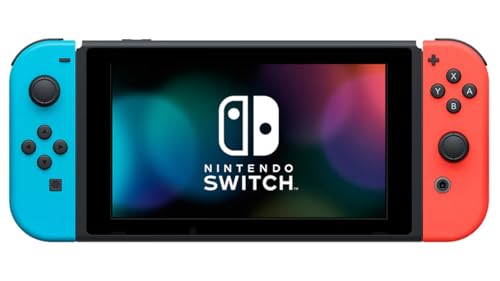
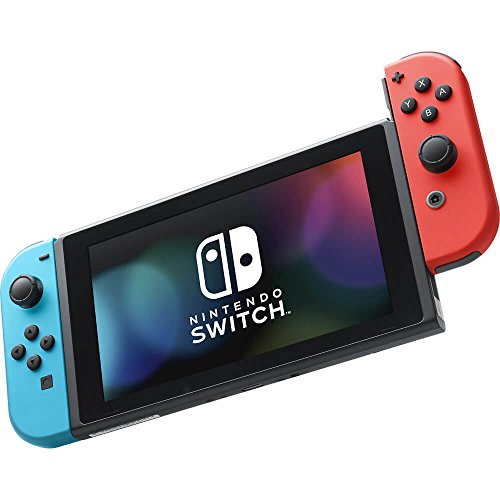
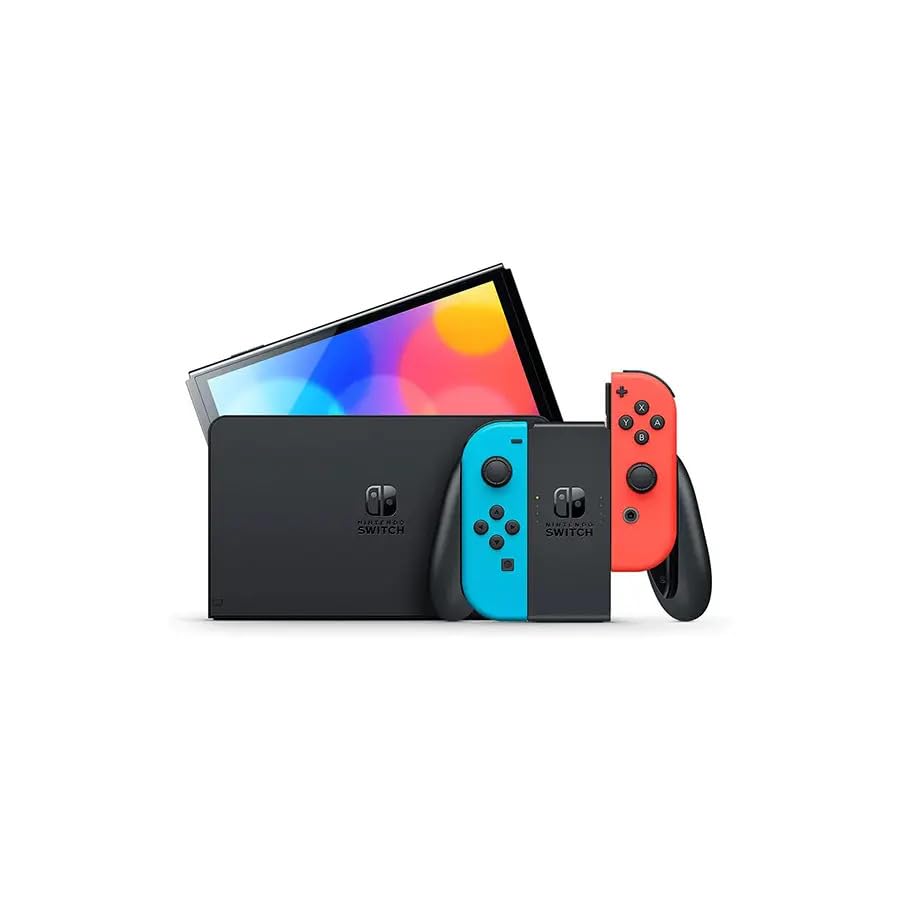
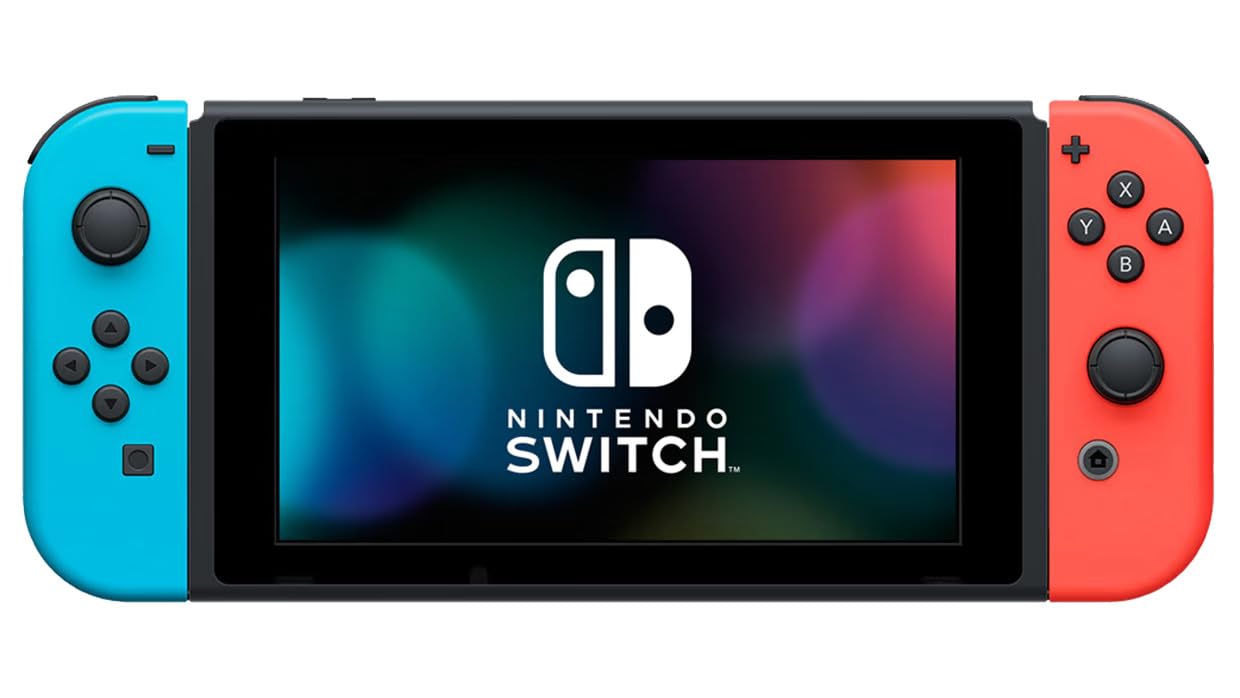
The Nintendo Switch Renewed is a factory-refurbished version of the standard 2019 Switch model (the one with better battery life than the original 2017 launch unit, but not the OLED screen). It comes with the console, the dock, a pair of Neon Blue and Red Joy-Con, the grip, straps, and all the cables you need—basically everything that came in the original box.
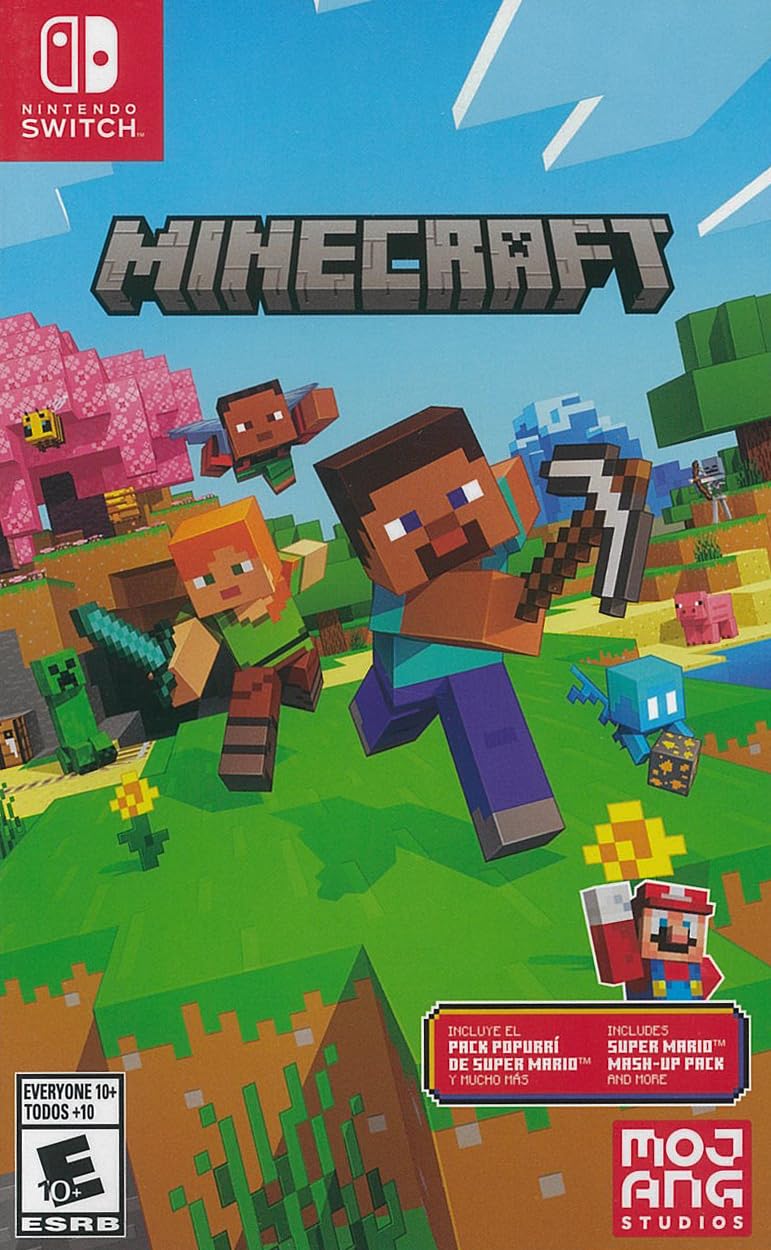
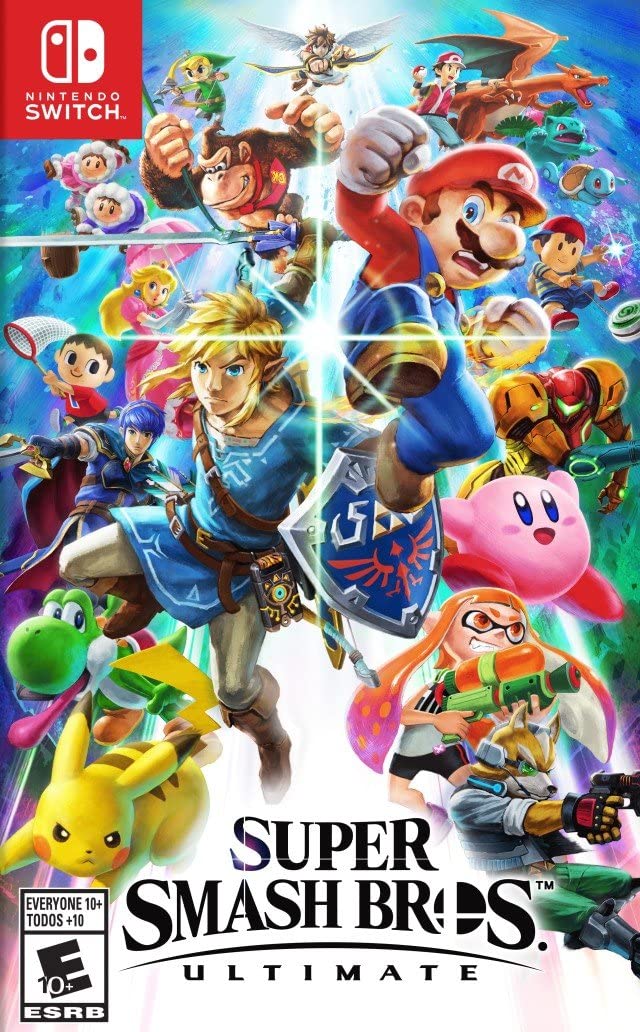
What problem does it solve? It gets you into Nintendo’s library—Mario, Zelda, Smash, Animal Crossing—without the $300+ price tag of a new system. This is for someone who wants to play the exclusives, doesn’t care about having the latest hardware, and understands that “renewed” means a little cosmetic wear or a scuff here and there is possible. You’re here for the games, not the unboxing experience.
Key Features
Hybrid design: You can dock it to your TV or pop it out and play handheld. That flexibility is still the Switch’s best trick, and it’s why the console hasn’t aged as fast as its specs suggest.
Improved battery (2019 model): This renewed unit is the revision that gets roughly 4.5 to 9 hours of playtime depending on the game. That’s noticeably better than the original 2017 model, which struggled to hit 3–6 hours. Expect realistic handheld sessions of about 4–6 hours on something like Mario Kart or Hollow Knight, less if you’re pushing brightness and Wi-Fi.
6.2-inch LCD screen: It’s not the OLED’s rich blacks or larger 7-inch display, but the LCD is perfectly fine for a room that isn’t directly lit. Colors are a bit washed out compared to the newer model, but you forget about it once you’re actually playing.
Kickstand and tabletop mode: The flimsy kickstand is still the weakest physical part, and it doesn’t lock into multiple angles. You can use it on a desk or tray table, but it’s best to keep it simple—plop it on a flat surface and you’re fine.
Joy-Con with motion controls: You get the full motion suite for games like Ring Fit or Just Dance, but you’ll probably want a Pro Controller for long TV sessions. The Joy-Con’s small buttons and sticks aren’t great for hours of action games.
Amazon Renewed warranty: You get a one-year warranty through Amazon’s Renewed program, which covers defects. It’s not Nintendo’s official warranty, but it’s real protection—just don’t expect the same customer service speed you’d get from the big N.
Fit for You
You want to play Nintendo exclusives but don’t want to spend $350 on a system you’ll use a few nights a week.
You travel or commute and want a handheld that also becomes a console when you get home—one box, no extra purchases.
You’re buying for a kid who will definitely drop it from a couch armrest, and you’d rather lose $194 than $350.
You have a gaming PC or PlayStation for heavy titles, and you just need a Switch for party games and Zelda.
You’re patient enough to shop a good deal, and you’re okay with the possibility of a few scratches on the backplate.
You want to test the ecosystem before committing to the OLED or a Switch 2 later on.
Uses
Picture a lazy Sunday: you’ve got the Switch docked, playing Tears of the Kingdom on the TV while the weather outside is miserable. That’s the core use case—the docked living room session. It works, it’s comfortable with a Pro Controller, and the 1080p output is adequate for a game that’s often stylized rather than photorealistic.
Then there’s the handheld mode on a flight or a train ride. You’ll tuck it into a backpack (get a hard case, trust me, the screen scratches if you just throw it in with keys) and pull it out when the tray table is down. The screen is bright enough for indoor lighting, but you’ll be tilting it awkwardly against window glare. It’s fine, not amazing.
Don’t underestimate tabletop mode. If you’re visiting a friend and they’ve got a hotel room or a dorm, you can pop out the stand and split the Joy-Cons for a quick round of Mario Kart 8. That moment—two people, one console, instant multiplayer—is something you won’t get from a PlayStation or Xbox.
Experience
Setup is genuinely easy: slide the Joy-Cons on, connect the dock to your TV via HDMI, and that’s it. The console walks you through Wi-Fi setup and lets you link a Nintendo account. There’s no phone app or driver installation required. You’ll be in a game within five minutes of opening the box.
Owners tend to mention the joy-con drift issue in the same breath as they mention how much they love the system. The analog sticks can develop a drift after months of use where your character walks on their own. It’s a known problem, and while the Renewed warranty covers it if it happens early, you may eventually need to replace a Joy-Con or use contact cleaner. It’s the one big recurring annoyance.
Battery life, as with any Switch, depends on what you play. Expect the 4.5 to 9 hour range: heavy 3D titles like Zelda or Mario Odyssey will drain it faster than side-scrollers or indies. In practice, most people get through a long session without panic, but if you’re planning a full day away from an outlet, a portable power bank is almost mandatory.
The small things: the fan is quiet, barely audible over game audio. The plastic back scratches easily if you slide it in and out of a dock’s tight fitting repeatedly. The kickstand is a joke—it’s a thin strip that opens about 60 degrees, and it will fold under pressure if you tap the screen too firmly. The Joy-Cons click in satisfyingly, though, and the whole device feels solid in the hand. It’s not premium like an iPhone, but it’s built to be dropped, not displayed.
Pros and Cons
Pros
Price: At $194, you’re saving a solid $100 over a new standard Switch and over $150 versus the OLED. That’s real money for a console that plays the exact same games.
Full accessory kit: The dock, Joy-Cons, grip, straps, and HDMI are all included. You don’t need to buy anything else to get started, except a game.
Battery life is acceptable: The 2019 revision is a big upgrade over the launch model. You’ll get through a flight or a few long commutes without hunting for an outlet.
Huge game library: The Switch’s catalog of exclusives and indies is enormous, and used physical games are often cheap. A Renewed console is a fine way to play that back catalog.
One-year Amazon warranty: It’s not Nintendo’s own support, but it’s better than buying used from a stranger with zero protection.
Portability: It fits in a sling bag or a large jacket pocket. The OLED model is slightly bigger, but this one is genuinely pocketable with a slim case.
Cons
Condition is a lottery: “Renewed” can mean anything from “barely touched” to “scratches on the screen, wobbly Joy-Cons.” Amazon’s grading is decent, but you won’t know until you open the box.
Joy-Con drift: The analog sticks will likely drift eventually. It’s not a matter of if, it’s a matter of when. Budget for a replacement pair or a repair kit down the line.
Screen is dimmer and smaller than OLED: If you’ve played the newer model, going back to the standard LCD feels like a slight downgrade. Indoors it’s fine; in direct sunlight it’s tough.
Not ideal for TV-only players: The Switch’s 1080p output and limited power in docked mode can’t match a PlayStation or Xbox. If you never play handheld, you’re paying extra for a feature you won’t use.
Charging is slow: The included AC adapter charges while gaming, but it doesn’t fast-charge. You’ll need to leave it overnight or in the dock for a few hours.
No game included: This is a console-only box. You’ll be spending another $40–60 on a game right away, so factor that into the total cost.
Advantages
Compared to buying a used Switch from a private seller, the Renewed option gives you a warranty and a return window. That’s a significant safety net, especially with joy-con drift being as common as it is.
It’s the best refurbished console for budget gaming: The Switch’s library is timeless, and the Renewed price undercuts the Steam Deck and ROG Ally by over $100 while still giving you Nintendo’s exclusives.
Play anywhere: No other current console matches its flexibility between handheld and docked. The Steam Deck is bulkier; the PlayStation Portal is handheld-only.
Cheap games: This console has been out long enough that many first-party titles drop to $40–50 on sale, and used copies are even cheaper. The cost of entry is lower than you’d think.
Who Should Buy
Parents or gift-givers who want a kid-friendly console that survives drops and spills without a $400 heart attack.
Budget-conscious gamers who primarily play on PC or a home console and want Nintendo’s exclusives as a secondary system.
Travelers who want a lightweight handheld that packs a library of games without needing a backpack full of cartridges.
People who want to play local multiplayer with friends or family—split the Joy-Cons and you have two controllers.
Skip it if you’re a graphics or performance purist who needs 4K or 60fps on everything. Also skip if you already own a standard Switch and just wanted a second one—better to save for the OLED or the eventual Switch 2. And if you’re planning to play 90% docked, a Renewed console is fine, but you’d honestly be better off looking for a cheap used Switch Lite plus a Pro Controller, unless you really want the dock.
FAQ
Is the Nintendo Switch Renewed worth it?
Yes, for the price, especially if you’re fine with cosmetic imperfections and the possibility of a worn battery. The $194 price point puts it firmly in “great value” territory, and the warranty protects you for a year.
How long does a Nintendo Switch Renewed last?
Expect several years of normal use, but the battery and joy-con drift are the first things to degrade. The console’s hardware is durable, and the battery is replaceable by a technician if it gets bad. Most users get 3–5 years before considering repairs.
Does Nintendo Switch Renewed come with a warranty?
Yes, a one-year warranty through Amazon’s Renewed program. It covers defects and malfunctions but not accidental damage. It’s more protection than buying used from a stranger, though less than Nintendo’s official warranty on a new unit.
Is the Nintendo Switch Renewed battery life good?
The Nintendo Switch Renewed battery life is solid—roughly 4.5 to 9 hours depending on the game and screen brightness. It’s a day-and-night difference from the 2017 launch model, which struggled to hit half that. Just expect to charge it after every full day of heavy play.
Can I use game cards and eShop games on a Renewed Switch?
Yes, it’s functionally identical to a new Switch. You can insert physical game cards, download from the eShop, and sync your save data to your Nintendo account. There are no restrictions on Renewed consoles.
What’s the difference between Nintendo Switch Renewed vs new?
New units come in pristine condition with a full-year Nintendo warranty and a guaranteed fresh battery. A Nintendo Switch Renewed unit is cheaper, may have scratches or a slightly worn battery, and has an Amazon-backed warranty instead. The games and performance are identical.
Final Verdict
There’s a good reason why the Switch remains one of the best gaming purchases of the last decade, and this Renewed model brings that experience down to a budget-friendly $194. If you’re buying for a kid, a casual gamer, or yourself as a secondary system, it’s a smart, well-protected bet.
The one thing to keep in mind: this is a discontinued model, and you’re getting the standard LCD, not the OLED. If you can live with that, you’ll be happy. If you know yourself and you’ll obsess over screen quality, save up for the OLED or even a new one when it goes on sale. Otherwise, pull the trigger—and pick up a carrying case and a can of contact cleaner while you’re at it.
Nintendo Switch Renewed vs the Competition in 2026
The Nintendo Switch Renewed sits in a weirdly sweet spot right now. It’s not the cheapest way into Nintendo’s library — that’s the Switch Lite — and it’s not the nicest screen you can get — that’s the OLED. But at roughly $194, it undercuts both while giving you the full hybrid experience: dock it, undock it, swap Joy-Cons, play on a TV. That matters more than you’d think. The question is whether you should save more money, spend more for a better screen, or abandon Nintendo entirely for something like the Steam Deck.
Product
Price Range
Key Strength
Key Weakness
Best For
Nintendo Switch Renewed
~$194
Full hybrid functionality at a discount
Battery life is decent, not great; screen is LCD and bezel-heavy
Budget gamers who want to play on TV and on the go
Same internal hardware; you’re paying for the display and build
Handheld-focused players who value screen quality
Nintendo Switch Lite
~$150 – $200 (new)
Lightest, most portable, cheapest entry point
No TV output, no detachable Joy-Cons, prone to stick drift without easy replacement
Kids, commuters, or anyone who never docks
Steam Deck (LCD 64GB)
~$350 – $400 (new, often on sale)
PC game library, far better performance, huge customization
Bulkier, shorter battery life on demanding games, no Nintendo exclusives
Players who want Steam sales and indie games over Mario
Nintendo Switch Renewed vs Nintendo Switch OLED
This is the one that stings a little. The OLED model uses the exact same processor, same RAM, same everything under the hood. So any game that runs on one runs identically on the other — Zelda: Tears of the Kingdom chugs in the same spots, Xenoblade Chronicles 3 drops resolution at the same crowded moments. What you get for the extra $100-plus is a screen that makes handheld mode genuinely beautiful. Blacks are black, colors pop, and the bezel shrinks from comically large to just slightly there. The kickstand on the OLED is also a full-width metal bar instead of that flimsy plastic toothpick on the standard model. If you play primarily docked, the Renewed makes more sense — you’re staring at a TV anyway, so the OLED screen does nothing for you. If you play handheld more than 70% of the time, the OLED is worth the premium. But here’s the thing: the Renewed’s battery life is roughly the same as the OLED’s (about 4.5–9 hours depending on the game), because Nintendo updated the original Switch’s battery in 2019. So don’t worry that you’re getting the old 2.5-hour battery — the Renewed units are the revised model.
Nintendo Switch Renewed vs Nintendo Switch Lite
If your budget is really tight, a new Switch Lite is around $200, and you can occasionally find a used one for $130. That’s tempting. But the Lite locks you out of two core Switch experiences: playing on a TV and playing with anyone else using a single console. You cannot dock a Lite. You cannot pop the controllers off for a quick two-player round of Mario Kart. And when the analog sticks drift — which they do, often — you either send the whole unit to Nintendo or crack it open yourself. On the Renewed, you just buy a new Joy-Con pair for $40 and snap them on. That’s the practical difference. The Renewed also has HD Rumble, which the Lite lacks entirely — it’s not a dealbreaker, but games like 1-2-Switch or Mario Odyssey use it in small, charming ways the Lite simply can’t replicate. So the Renewed is better if you ever see yourself playing on a TV or doing any local multiplayer. The Lite only wins if you are absolutely certain you will never, ever dock the thing and you want the smallest possible device for your bag.
Nintendo Switch Renewed vs Steam Deck (LCD)
This comparison only makes sense if you’re deciding between ecosystems, not just hardware. The Steam Deck is heavier (about 670g vs 398g), has worse battery life when running demanding games (sometimes barely 2 hours on Elden Ring), and you cannot play Super Mario Odyssey, Animal Crossing, or Pokémon on it — at least not legally or easily. But if your taste leans toward deep discounts, indie games, PC shooters, or emulation, the Steam Deck is a dramatically more powerful machine. It runs Cyberpunk 2077 at playable frame rates. It handles GameCube and PS2 emulation well. You can install a whole emulation frontend without jailbreaking anything. The Renewed is for Nintendo’s first-party games and simple pick-up-and-play sessions. The Steam Deck is for tinkering, for your Steam library, for games that demand actual graphical horsepower. If you only have $200 to spend, the Renewed wins by default. If you can stretch to $350 and don’t care about Mario, get the Steam Deck — it’s the better value per dollar for raw gaming capability.
Here’s the bottom line. The Nintendo Switch Renewed is for someone who wants the full hybrid experience — TV and handheld, Joy-Con swapping, local multiplayer — at the lowest possible price without buying a used unit from a stranger on Craigslist. It’s also for people who mostly play Nintendo’s own games and want to play them now, not wait for a Switch 2 that may or may not arrive this year. But if you never touch a TV, the Switch Lite will save you a bit of cash and some backpack weight. And if you already own a gaming PC or just want the widest game library at the best prices, skip Nintendo entirely and put your money toward a Steam Deck. The Renewed isn’t the best screen, the best battery, or the best performance in the category — it’s just the best balanced option if your budget stops just shy of $200.
Ready to decide on the Nintendo Switch Renewed?
See today’s price, stock and delivery options on Amazon.