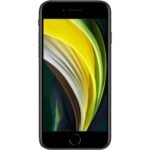
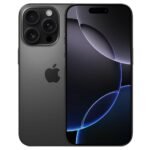
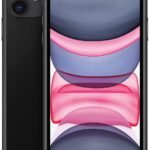
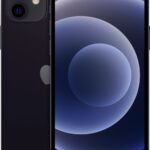
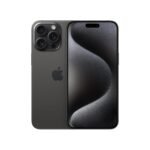
The iPhone 13's intuitive iOS interface, reliable performance, and extensive support make it highly usable for most people.
Overview
This Apple iPhone 13 review cuts straight to it: at under $280 for a renewed 128GB unlocked model, this is the best value iPhone you can buy right now, if you don’t need the latest specs. It solves the problem of wanting a modern iPhone without paying $800+, and it’s really for anyone who wants a reliable daily driver that’ll get software updates for years. The catch is you’re buying renewed, not new, so cosmetic condition and battery health vary.
The iPhone 13 sits in that sweet spot where Apple’s design, performance, and camera system are still excellent, but the price has dropped hard now that the iPhone 15 and 16 are out. It’s not cutting-edge, but it’s far from obsolete. For most people, it’s more than enough phone.
Key Features
6.1-inch Super Retina XDR display – Bright enough to see clearly in direct sunlight, and it looks sharp for videos and photos. No 120Hz refresh rate, but at this price you won’t complain.
A15 Bionic chip – Still fast enough for heavy games, video editing, and multitasking. You won’t notice a speed difference against an iPhone 14 or 15 for everyday stuff.
Dual 12MP camera system (wide and ultrawide) – Takes consistent, good-looking photos in most light. Night mode works well enough for party shots and street snaps. Not a pro camera, but it beats any midrange Android.
IP68 water resistance – Survives spills, rain, and even a dunk in the pool for a few minutes. Don’t test it on purpose, but it’s nice not to panic.
MagSafe charging and accessories – Snaps onto magnetic chargers, wallets, and mounts. Speeds up wireless charging to 15W, and the magnets are strong enough for car mounts.
128GB storage base – Enough for most people’s apps, photos, and a few games. If you shoot a lot of video, you might want 256GB, but for a renewed phone 128GB is the smart budget pick.
Fit for You
You’re upgrading from an iPhone X, XR, or 11 and want a noticeable camera and speed jump without spending $600.
You need an unlocked phone for a prepaid carrier like Mint, Visible, or T-Mobile, and don’t want to get locked into a contract.
You’re a parent handing down a phone to a teen, and “good enough” is the goal.
You value longevity and know the iPhone 13 will get iOS updates until at least 2027 or 2028.
You want a backup phone or travel phone that’s reliable, small enough for one hand, and won’t break the bank if lost or stolen.
You’re on a tight budget but refuse to use a cheap Android that’ll lag in a year.
Uses
At a coffee shop, you’ll pull this out for mobile payments, snap a photo of your latte, and jump on a Zoom call without the phone heating up. The battery handles a full day of moderate use — emails, maps, social scrolling, and a podcast or two. By evening, you’ll have 20–30% left.
On a weekend trip, the camera takes decent shots in decent light. The ultrawide lens makes group photos easier, and the portrait mode handles people and pets well enough. You won’t get the telephoto zoom of a Pro model, but digital zoom up to 5x is passable for a quick shot.
For navigation, the GPS locks fast, and the screen is readable under a car’s sunroof. You can run Google Maps and Spotify simultaneously without a stutter. MagSafe car mounts hold it securely, no wires dangling.
Watching Netflix in bed? The stereo speakers get loud enough for a small room, and the screen’s contrast makes dark scenes watchable. It’s not a theater experience, but it beats any budget tablet.
Experience
Setting up a renewed iPhone 13 takes about ten minutes. You pop out the SIM tray (the phone is unlocked, so any carrier works), tap your iPhone against an older one to transfer data, and you’re done. The Midnight color is a dark blue-ish black that hides fingerprints well.
Day to day, the A15 chip keeps everything snappy. Apps open instantly, scrolling is smooth, and Face ID works in the dark or with sunglasses. The notch at the top is still there — it’s not as sleek as the Dynamic Island on newer iPhones, but you stop noticing it after a day. The mute switch is a nice physical click for silencing the phone in meetings.
Battery life on a renewed unit is the big variable. A fresh iPhone 13 gets around 7 to 8 hours of screen-on time. Renewed phones can have batteries replaced or not. The listing says “battery health above 80%”, which means you’ll probably get a full day if you’re not a heavy user. If the battery degrades later, Apple charges $89 for a replacement at an Apple Store — cheaper than buying new.
The smaller annoyances: Lightning port instead of USB-C. You’ll need a separate cable if you already have USB-C for a MacBook or iPad. Also, the base storage of 128GB fills up faster than you think if you shoot 4K video or download many games. The screen is not 120Hz — once you use a ProMotion iPad, the 60Hz feels sluggish for a minute, but you adjust quickly.
Cleaning is easy — a microfiber cloth wipes the glass back and front. The edges are flat, which feels old-school and less slippery than rounded ones. The phone is also a bit heavier than its size suggests, but it feels solid, not cheap.
Pros and Cons
Pros
Price-to-performance ratio is insane – $279 for a phone that keeps up with $800 models from two years ago.
Five-plus years of software support – Apple updates iPhones for 6+ years. You’re good until 2028.
Camera is reliable and simple – Point and shoot; you get a good result 9 times out of 10.
MagSafe ecosystem – Accessories like battery packs, wallets, and chargers work like magic.
Unlocked and flexible – Works on any US carrier. Swap SIMs when traveling.
Cons
Renewed means unknown battery wear – You might get 80% battery health, which means you’re charging by 4pm instead of 9pm.
Lightning port in 2025 – Annoying if you’ve switched to USB-C elsewhere. You’ll need to carry a separate cable.
60Hz screen feels dated – Once you get used to 120Hz, this looks slightly stuttery when scrolling.
No telephoto lens – Zoom is digital only, so pictures of faraway things get soft quickly.
Notch instead of Dynamic Island – It’s functional but visually older. The notch covers video content more than the island does.
Advantages
Compared to an iPhone 13 vs iPhone 14 — the 14 is nearly identical except for a slightly better front camera, crash detection, and a minor GPU bump. You won’t notice any real difference in daily use, and the 14 costs $100–150 more used. The 13 wins on value.
Against midrange Android phones like the Google Pixel 7a or Samsung Galaxy A54, the iPhone 13 beats them in app performance, build quality, and long-term support. The Pixel has a better camera for night shots, but the iPhone’s ecosystem — iMessage, AirDrop, Apple Pay — keeps you locked in if you’re already in Apple’s world.
As the best refurbished iPhone for budget shoppers, the 13 sits right in the middle: cheaper than the 14 and 15, but far more capable than the SE 3 (smaller screen, worse battery, older design). It’s the Goldilocks pick.
Who Should Buy
Buy it if: You want a modern unlocked iPhone for under $300 that will last years. You don’t care about the latest design trends or a USB-C port.
Buy it if: You’re switching from Android to iOS and don’t want to spend a lot to test the waters.
Skip it if: You absolutely need the Dynamic Island, a telephoto camera, or USB-C – then look at an iPhone 15 or 16.
Skip it if: You’re a heavy gamer who plays Genshin Impact at max settings – the 60Hz screen and potential battery wear will frustrate you.
Skip it if: You mind buying renewed. If cosmetics matter a lot, or you want a fresh battery, spend more on a new iPhone 14 or SE.
FAQ
Is the Apple iPhone 13 worth it in 2025?
Yes, if you find a good renewed unit under $300. It still runs everything smoothly, gets updates, and takes solid photos. The main tradeoffs are the Lightning port and 60Hz screen.
How does iPhone 13 vs iPhone 14 compare?
The iPhone 14 is almost the same phone with a slightly better front camera and crash detection. For most people, the 13 saves you $100+ and gives the same day-to-day experience. Not worth the upgrade.
Is this the best refurbished iPhone for budget?
It’s the best balance of price, performance, and longevity. The iPhone SE 3 costs less but has a tiny screen and old design. The iPhone 12 is similar but slower and stops updates sooner.
Can I use this as an unlocked phone with any carrier?
Yes. The listing says unlocked, so it works with AT&T, T-Mobile, Verizon, and prepaid carriers like Mint, Visible, Boost, etc. Just pop in your SIM or activate an eSIM.
What does “renewed” mean for the iPhone 13 128GB unlocked?
Renewed means it’s a used phone that’s been inspected, cleaned, and tested. The battery is guaranteed above 80% health. Cosmetically, expect minor scratches on the screen or back, but nothing deep. Usually comes with a generic charger.
How long will the battery last on a renewed iPhone 13?
Depends on the unit you get. At 80% health, expect about 6–7 hours of screen time. You can replace the battery later for $89 at Apple. A typical renewed unit with 85–90% health will still get you through a full day.
Final Verdict
If you want a solid iPhone for under three hundred bucks, the Apple iPhone 13 128GB unlocked renewed is a smart buy. It skips the last couple years’ gimmicks, but the core experience — speed, camera, build, updates — is still excellent. The one thing to keep in mind: battery health is a lottery. If you get one at 80%, plan on a replacement within a year. Otherwise, this could easily be your phone for the next three years.
This Apple iPhone 13 review sums it up: you’re getting a phone that does 90% of what the newest models do, for less than half the price. That’s a deal worth taking.
The refurbished Apple iPhone 13 at $279.77 sits in an odd but appealing spot: not quite the newest, but far from obsolete. It’s the phone you buy when you want Apple’s ecosystem without paying flagship prices, but the market has shifted. A handful of rivals — both newer iPhones and strong Android options — make you think twice. Here’s how the iPhone 13 really stacks up against the phones you’re probably also considering, and where each one forces a compromise you actually need to know about.
Product
Price Range
Key Strength
Key Weakness
Best For
iPhone 13 (Renewed, 128GB)
$279.77 (renewed)
Strong camera, solid battery, A15 chip still speedy
60Hz display, no USB-C, no Dynamic Island
Budget-conscious iOS buyers who want a reliable daily driver
iPhone 14 (New)
Around $600 new
Same chip but slightly better low-light photos, crash detection
Nearly identical to iPhone 13; marginal upgrade for much more money
Someone who wants a brand-new phone with the latest safety features
iPhone SE (2022) (New)
Around $429 new
Home button, Touch ID, cheaper new price
Old design, tiny 4.7″ screen, mediocre battery life
People who refuse to give up Touch ID and a small phone
Samsung Galaxy A35 (New)
Around $400 new
120Hz OLED display, expandable storage, headphone jack
Slower processor, less polished software updates, camera struggles in dim light
Android fans on a budget who want a modern screen and don’t need iOS
Apple iPhone 13 vs iPhone 14
The “Apple iPhone 13 vs iPhone 14” comparison is the laziest one in tech, and also the most relevant if you’re buying new. The iPhone 14 uses the exact same A15 Bionic chip — just with an extra GPU core you won’t notice. It adds crash detection and a slightly better main sensor that handles shadows a hair better. But the screen, battery life, and daily feel? Nearly identical. If you’re looking at a renewed iPhone 13 for $280, the iPhone 14 costs more than double. That’s not a sidegrade — it’s paying a steep premium for a warranty and a few software tricks. Unless you absolutely need a brand-new phone with the latest safety features, the iPhone 13 makes the 14 look like a luxury you can skip.
iPhone 13 vs iPhone SE (2022): the case for and against
The iPhone SE is the cheapest way into a new iPhone, and it’s also the most frustrating. You get the same A15 chip crammed into a body with thick bezels, a 4.7-inch LCD, and battery life that dies before dinner if you use it hard. The iPhone 13 gives you a much bigger, brighter OLED display, Face ID that actually works in the dark, and a battery that lasts a full day without anxiety. For someone asking “is iPhone 13 worth it” over the SE, the answer is yes — especially the renewed version at this price. The SE is only for people who genuinely want a home button and a pocket-friendly size, and are okay with charging by 4 p.m.
iPhone 13 vs Samsung Galaxy A35: the Android alternative
If you’re open to leaving iOS, the Galaxy A35 throws a real curveball. It has a 120Hz AMOLED screen (the iPhone 13 is stuck at 60Hz), expandable storage via microSD, and a headphone jack — three things the iPhone lacks. Its camera is decent in good light but falls apart indoors, and the Exynos chip isn’t as snappy as the A15 for gaming or app launches. The A35 is also new and costs around $400, so it doesn’t beat the renewed iPhone 13 on raw price. For someone hunting “best refurbished iPhone for budget”, the iPhone 13 wins if you value consistent software updates, smoother app performance, and better photos in mixed lighting. But if you hate the thought of dongles and want a buttery-smooth screen, the A35 is the better daily driver for Android users who don’t mind a slower processor.
So who actually buys this renewed iPhone 13? You, if you want a reliable iPhone with a great camera and good battery, but don’t have $600+ to spend on something newer. The $279.77 price for a guaranteed 128GB unlocked unit makes it the smartest play for anyone who doesn’t need the absolute latest. Skip it if you’re a heavy gamer who wants 120Hz — grab the Galaxy A35 or save for a Pro model. And if you’re coming from an iPhone 11 or older, this is a big jump in performance and camera quality without the headache of a monthly payment. That’s the real answer to “is iPhone 13 worth it” in 2026: yes, provided you buy it renewed and ignore the newer iPhones that barely improve on it.
Ready to decide on the Apple iPhone 13?
See today’s price, stock and delivery options on Amazon.