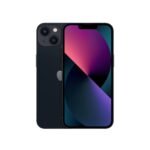
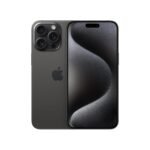
As a renewed iPhone 15 at a competitive price, it offers solid brand value and performance for the mid-range market.
Price vs. rivals
Cheaper
CheaperTypicalPricier
Priced at $414.99, this renewed iPhone 15 is positioned below the typical price for renewed current-generation iPhones, offering a more affordable option compared to similar listings.
Ease of use
Excellent 90/100
The iPhone 15 offers a highly intuitive interface and smooth user experience, though the renewed condition may introduce minor variability.
Overview
Here’s the short version of this Apple iPhone 15 review: if you want a modern iPhone without paying new prices, a renewed one is your smartest move. The iPhone 15 brings USB-C, the Dynamic Island, and a 48MP camera that actually makes photos look better—not just bigger. It solves the problem of wanting the latest design and performance without dropping $800+. Who’s it really for? Anyone who’s okay with a phone that’s been gently used, inspected, and repackaged, and who values a solid daily driver over bragging rights about a sealed box.
The 128GB model hits a sweet spot for most people—enough room for apps, photos, and a few movies, but not so much that you’re paying for empty space. And because it’s unlocked, you can take it to any carrier without hassle. The catch? It’s renewed, so you’re betting on the seller’s quality check. But at $414.99, the bet is usually worth it.
Key Features
USB-C charging – Finally, one cable for your iPhone, iPad, and MacBook. No more hunting for a Lightning cable when you’re at a friend’s place.
Dynamic Island – That little pill-shaped cutout at the top isn’t just for looks. It shows timers, music controls, and incoming calls without interrupting what you’re doing.
48MP main camera – Takes detailed shots that hold up well when you crop or print. The default 24MP mode is a nice balance of quality and file size.
A16 Bionic chip – Same processor as the iPhone 14 Pro. Handles games, video editing, and heavy multitasking without stuttering.
Ceramic Shield front – Apple’s glass-ceramic screen is tough. Drops from pocket height onto concrete? It’ll likely survive, though a screen protector is still smart.
Unlocked compatibility – Works with T-Mobile, AT&T, Verizon, and most MVNOs. Pop in a SIM (or use eSIM) and you’re online in minutes.
Fit for You
You’re upgrading from an iPhone 11 or older and want a noticeable leap in speed and camera quality.
You’ve got a drawer full of USB-C cables and want to finally ditch your Lightning stash.
You shoot a lot of photos of kids or pets and need a camera that catches quick movement without turning everything into a blur.
You travel often and want a phone that works with any carrier worldwide—unlocked means no SIM lock surprises.
You’re on a budget but refuse to buy a cheap Android that’ll slow down in six months.
You’ve considered a new iPhone but realized you’d rather spend the savings on accessories or a trip.
Uses
Picture this: you’re at a coffee shop, need to join a Zoom call, and your laptop battery just died. You pull out the iPhone 15, open the meeting, and the A16 chip handles everything smoothly—even with screen sharing. The battery holds up for a couple of hours of calls without panic.
Or you’re on a weekend hike. The 48MP camera captures the mountain view, and the wide lens lets you fit the whole group without stepping backward off a cliff. Later, you edit the shot in Photos with the built-in tools, and the Dynamic Island shows your progress while you scroll Instagram.
At home, you plug it into your monitor using a USB-C to HDMI adapter and watch a movie on the big screen. The 128GB storage is enough for a decent local library, but you’ll still rely on streaming for most stuff. Charging? You grab the same cable your friend’s Android uses—no more “does anyone have a Lightning cable?” moments.
Experience
Setting up a renewed iPhone 15 is almost identical to a new one. You turn it on, hold it near your old iPhone to transfer data, and within 20 minutes you’re back where you left off. The only difference is the packaging—it comes in a plain box, not the fancy Apple one, and there’s no charging brick. That’s fine; you probably have a USB-C charger already.
The first thing you’ll notice is the weight. It’s noticeably lighter than the Pro models—easy to hold one-handed. The aluminum frame feels solid but doesn’t scream luxury like stainless steel. The black color is a matte finish that hides fingerprints well, though the back glass still picks up smudges.
Daily use: the 60Hz screen is smooth enough for scrolling, but if you’re used to a 120Hz ProMotion display, you’ll see the difference. It’s not a dealbreaker for most people, just something to know. Face ID works reliably, even at an angle, and the speaker volume is loud enough for a podcast in the shower.
The battery is where renewed phones can vary. Some come with a fresh battery, others with one that’s seen a year of use. Check the listing carefully—many sellers mention the battery health percentage. If it’s below 85%, expect to charge by late afternoon with heavy use. A $99 battery replacement at Apple later fixes that, so it’s not a permanent issue.
One annoyance: the mute switch is still a physical toggle, which can collect lint. And the camera bump means the phone wobbles when you use it flat on a table. A case fixes that, but it’s worth noting if you go caseless.
Pros and Cons
Pros
USB-C is a genuine quality-of-life upgrade – You’ll use one cable for everything, and fast charging works with any PD charger.
48MP camera takes genuinely better photos – Especially in good light. Night mode is improved, and the 2x optical crop is useful.
A16 Bionic performance – Apps open fast, games run smoothly, and iOS animations stay fluid. It’ll feel current for years.
Renewed price is hard to beat – At $414.99, you’re saving roughly 40% compared to new, assuming the condition is as described.
Unlocked and widely compatible – No carrier strings attached. Travel easily or switch providers whenever you want.
Cons
60Hz screen feels dated next to competitors – Even midrange Androids now offer 90Hz or 120Hz. Scrolling and animations aren’t as fluid.
Battery health is a gamble on renewed models – You might get a battery at 90% or one at 80%. Check the listing or ask the seller.
No charging brick in the box – You need your own USB-C power adapter. If you’re moving from an older iPhone, you probably don’t have one.
Camera bump creates wobble on flat surfaces – A minor but constant annoyance if you use the phone without a case.
Storage at 128GB fills up fast for video shooters – 4K video eats space. If you record a lot, consider a 256GB model or offload to the cloud regularly.
Advantages
Where the iPhone 15 really shines is in the value-for-performance equation, especially when you buy renewed. Compared to a new iPhone 14, the 15 gives you USB-C, a better camera (48MP vs 12MP), and the Dynamic Island—all while costing less in its renewed form. It’s arguably the best refurbished iPhone for value right now because it bridges the gap between old and new without the premium price.
Better camera than any previous non-Pro iPhone.
USB-C makes it future-proof as Apple phases out Lightning.
Same chip as the iPhone 14 Pro, so performance is top-tier.
Lighter and more comfortable to hold than the Pro models.
Who Should Buy
Buy it if: You want a modern, fast iPhone with a great camera and don’t care about having the absolute latest model. You’re comfortable with a renewed phone and understand the battery lottery.
Skip it if: You need the highest possible screen smoothness (get a Pro model or an Android flagship). Or if you insist on a new-in-box phone with Apple’s warranty from day one—but you’ll pay a lot more.
FAQ
Is the Apple iPhone 15 worth it?
Yes, especially as a renewed phone. You get nearly all the features of the iPhone 15 Pro (minus the telephoto lens and ProMotion screen) for hundreds less. The USB-C port alone makes it a worthy upgrade from any Lightning-era iPhone.
How does iPhone 15 vs iPhone 14 compare?
The iPhone 15 wins with USB-C, a 48MP camera (vs 12MP), and the Dynamic Island. The iPhone 14 still has a Lightning port, a notch, and last year’s chip (A15). Unless you find a screaming deal on a 14, the 15 is the better buy.
Is iPhone 15 renewed worth it?
It is, but only if you buy from a reputable seller with a clear return policy and a description of battery health. Renewed models can save you 30–50% off new, and many look and work like new. Just don’t expect a pristine box or charging accessories.
How’s the iPhone 15 128GB review for storage?
128GB is enough for most people—about 30,000 photos or 100 apps plus a few movies. If you shoot a lot of 4K video or download large games, you’ll hit the limit. For everyday use, it’s a solid starting point.
What about the unlocked iPhone 15 review for carriers?
An unlocked iPhone 15 works with every major US carrier and most international ones. No bloatware, no carrier lock. You can switch SIMs or eSIMs freely—ideal for frequent travelers or people who like to hop between prepaid plans.
How is the renewed iPhone 15 battery life?
It varies. A renewed phone might have a battery health between 80% and 100%. At 90% health, you’ll get roughly a full day of moderate use. At 80%, expect to charge by early evening. Always check the listing for a battery health guarantee, or budget for a replacement.
Final Verdict
The Apple iPhone 15 in its 128GB renewed form is a smart buy for anyone who wants current technology without the new-price shock. It’s not perfect—the 60Hz screen and battery uncertainty are real trade-offs—but the core experience is excellent. You get a top-tier processor, a great camera, and the convenience of USB-C, all for about $415.
Just read the seller’s description carefully, especially the battery health and return policy. If those check out, this phone will serve you well for the next three to four years without feeling outdated. That’s a win in anyone’s book.
The renewed Apple iPhone 15 sits in an awkward spot: it’s not the latest flagship, but it’s not a budget phone either. At roughly $415 for a 128GB unlocked unit, you’re getting a device that launched with a USB-C port, the Dynamic Island, and a solid 48MP main camera. But in 2026, the competition has shifted. You’ve got newer Android mid-rangers that offer 120Hz screens and bigger batteries for less money, plus older iPhone flagships that still hold up. This comparison is about where that $415 goes furthest — and where it doesn’t.
Product
Price Range
Key Strength
Key Weakness
Best For
Apple iPhone 15 (Renewed, 128GB)
~$415
USB-C, Dynamic Island, strong main camera, long software support
60Hz screen, average battery life for a renewed unit, no telephoto
Someone who wants a modern iPhone on a budget, ecosystem loyalist
Apple iPhone 14 (Renewed, 128GB)
~$350–$400
Cheaper, same 60Hz OLED, better battery life than some 15 units
Lightning port, no Dynamic Island, same A15 chip (still fast)
Budget-focused iPhone buyer who doesn’t need USB-C
Samsung Galaxy S23 FE (Renewed)
~$360–$410
120Hz AMOLED, telephoto camera, faster charging
Heavier, older software update promise, less polished haptics
Android user who wants a flagship-feeling screen and zoom lens
Smaller battery, slower wired charging, no wireless charging?
Camera-first buyer who wants the best point-and-shoot experience
Apple iPhone 15 vs iPhone 14: The Renewed Value Check
If you’re reading an “iPhone 15 vs iPhone 14” comparison, the core question is: is the extra $50–70 worth it? The iPhone 15 gives you USB-C, which actually matters if you already charge an iPad or Mac with a single cable. The Dynamic Island is still a gimmick, but it’s a less annoying gimmick than the notch — it shrinks when you’re not using it. The 48MP camera lets you crop into shots without losing detail, something you can’t do on the 14. But here’s the trade-off: renewed iPhone 15 battery life can be a coin flip. Some units arrive with 85% health, which means you’ll be hunting for a charger by late afternoon. A well-kept iPhone 14 often has better health for less money. For the value hunters wondering “is iPhone 15 renewed worth it”, the answer hinges on whether you care about USB-C and a slightly better camera. If you don’t, the iPhone 14 is the smarter “best refurbished iPhone for value” pick.
Apple iPhone 15 vs Samsung Galaxy S23 FE
Here’s where the renewed iPhone 15 meets its real 2026 alternative. The Galaxy S23 FE, also available renewed around the same price, laughs at the iPhone’s 60Hz screen. Scrolling through Twitter feels like dragging a stick through mud next to the S23 FE’s 120Hz panel. It also has a 3x telephoto lens, so you can actually zoom into a concert stage without getting digital mush. But the trade-offs are real: the S23 FE is thicker, heavier, and its plastic frame creaks if you squeeze it. The iPhone 15 feels more premium in the hand, with that matte glass back and aluminum rails. And if you’re deep in Apple’s ecosystem — AirDrop, iMessage, shared calendars — switching to Samsung is a pain in the neck. The “unlocked iPhone 15 review” angle here is simple: if you want a polished daily driver that works perfectly with your Mac or iPad, stick with the iPhone. If you want a smoother screen and optical zoom, and you’re okay with Android’s quirks, the S23 FE is a better value.
Apple iPhone 15 vs Google Pixel 7a
The Pixel 7a isn’t renewed — it’s still sold new, often for around $380. That’s cheaper than the renewed iPhone 15. And the Pixel’s camera is the real star here. It pulls detail out of shadows that the iPhone 15 just can’t match, especially at night. The Pixel 7a also has a 90Hz screen, which is smoother than the iPhone’s 60Hz, even if it’s not the full 120Hz. But the Pixel’s battery life is mediocre, and its Tensor chip runs warm under load — playing a graphics-heavy game will leave your hand sweaty. The iPhone 15’s A16 chip is faster and stays cooler. And for a renewed device, battery life is a gamble on both sides, but the iPhone 15 tends to have better standby time. The real decision: the Pixel 7a is the better camera phone for less money, but the iPhone 15 is the better all-around experience if you value performance and ecosystem harmony. For someone writing an “iPhone 15 128GB review”, the Pixel is the one that makes you question your purchase after you take a single night-time photo.
So who should buy the renewed Apple iPhone 15? If you want USB-C, a familiar iOS experience, and you’re coming from an older iPhone (say, an XR or 11), this is a solid upgrade without paying $800. You’ll get regular software updates for years, and the 48MP camera is noticeably better than older iPhones. But if you’re someone who values a high-refresh-rate screen, or you take a lot of zoomed shots, the Samsung Galaxy S23 FE (renewed) will make you happier for the same cash. And if your top priority is the best stills camera under $400, buy the Google Pixel 7a new — it’s better than any renewed iPhone in that one specific, important way. Don’t force the iPhone 15 if your actual needs point elsewhere.
Ready to decide on the Apple iPhone 15?
See today’s price, stock and delivery options on Amazon.