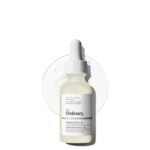
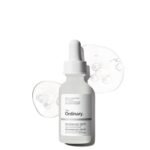
Exceptionally low price paired with high efficacy and strong consumer satisfaction makes this a standout value.
Price vs. rivals
Cheaper
CheaperTypicalPricier
Priced far below most comparable exfoliating toners, making it an exceptionally affordable option in the category.
Ease of use
Excellent 90/100
The product is simple to apply with a cotton pad, but users should follow basic precautions like avoiding the eye area and starting with infrequent use to prevent irritation.
Overview
This The Ordinary Glycolic Acid Toner review keeps it simple: for nine dollars, you get a 7% glycolic acid solution that actually does something. It’s a straightforward exfoliating toner designed to smooth texture, brighten skin, and fade dark spots over time. The catch is that 7% is no joke—this is for people whose skin already tolerates acids, not someone hoping for a gentle introduction.
You use it after cleansing, before moisturizer, and it targets the usual suspects: dullness, rough patches, uneven tone, and those stubborn little bumps that never seem to go away. It’s not a magic eraser, but for the price, it’s one of the best exfoliating toners for hyperpigmentation you’ll find without a prescription.
Key Features
7% Glycolic Acid concentration – This is the sweet spot for regular exfoliation. It’s strong enough to see results within a few weeks but not so aggressive that it peels your face off if you’re careful.
Aloe vera and ginseng in the base – They’re there to take the edge off the acid. You’ll still feel a tingle, but it won’t leave you red and angry the next morning.
Alcohol-free formula – No stinging from denatured alcohol, which matters if you have combination or slightly dehydrated skin that still wants chemical exfoliation.
240 ml bottle – That’s a lot of toner for nine bucks. You’ll use maybe three or four pumps per session, and the bottle lasts around six months if you use it four times a week.
No-frills glass bottle – It’s heavy, it’s basic, and it doesn’t have a pump. You’ll tip it onto a cotton pad. Some people hate that. Others don’t care because it costs the same as a sandwich.
Daily-use capable (if your skin can handle it) – Most people do fine with every other night. The label says daily, but start slow and see how your skin reacts.
Fit for You
You’ve got rough texture on your jawline or cheeks and gentle scrubs stopped helping months ago.
You have hyperpigmentation left over from acne or sun exposure and want something that fades it without bleaching the entire surrounding area.
You use retinol but your skin is still flaky, and you need a gentle chemical exfoliator to run on your off-nights.
You travel cheap and hate checking bags—the glass bottle is heavy, so you’ll decant it into a smaller plastic one.
You’re someone who buys the expensive serums but wants a toner that doesn’t cost more than your dinner.
You’ve always wondered what the difference is in The Ordinary Glycolic Acid vs Pixi Glow Tonic and want the one that actually delivers more acid per dollar.
Uses
Most people use it at night after washing their face. You soak a cotton pad, swipe it over your face and neck, avoid the eye area, and wait a minute before layering anything else. It works best when you let it sit and do its job instead of rushing to the next product.
Body use is a real win here. Swipe it on your elbows, knees, or the backs of your arms if you have keratosis pilaris—those rough little bumps that never go away with lotion alone. One friend of mine uses it on her feet once a week and calls it a mini pedicure.
You can also use it in the morning if you’re careful with sunscreen. Glycolic acid makes your skin more sensitive to UV, so skipping SPF after using this is asking for trouble. That’s non-negotiable.
Experience
The first time you use it, you’ll feel a slight tingle. If you’ve used AHAs before, it’s familiar—that mild warming sensation that tells you something is happening. If you haven’t, it might feel like a light sting for twenty seconds, then it fades. If it burns longer than that, wash it off and try every third night instead.
The bottle is the main annoyance. It’s a thick glass lab-style bottle with a screw cap, no pump, no dropper. You tilt it onto a cotton pad and sometimes too much comes out. You’ll develop a technique after a few uses—tip it quickly, don’t linger. The glass also means it’s heavy, and if you drop it in the bathroom, you’re cleaning up broken glass and expensive-smelling liquid.
It dries down fairly fast, maybe thirty seconds. There’s no sticky residue. Your face feels tight for a moment, then normal. If you follow with a moisturizer, everything settles nicely. By morning, your skin looks brighter and smoother. Not dramatically, but enough that you notice. After two weeks, texture starts to even out. After a month, dark spots look lighter.
The smell is minimal. Slightly clinical, a little sweet from the aloe. No perfume, no floral nonsense. It’s fine.
Pros and Cons
Pros
Absurdly cheap for the concentration – Nine dollars for a 7% glycolic acid toner that works? You’ll spend more on a single cocktail.
Noticeable results within weeks – Texture smooths out, dark spots start to fade, and your skin looks less tired. It’s not overnight, but it’s consistent.
Great for body use – Most people buy this for their face, then realize it’s perfect for rough elbows, knees, and KP. One bottle does double duty.
Simple ingredients, no filler junk – No alcohol, no fragrance, no unnecessary oils. It does one thing well.
Cons
The packaging is frustrating – No pump means you’ll waste product. You have to be deliberate with your pour, and the glass bottle feels cheap and heavy at the same time.
Too strong for sensitive skin – If you blush easily or react to strong coffee, this might cause redness and peeling. Start slow or pick a lower percentage.
Not beginner-friendly despite the “gentle” marketing – The Ordinary calls it a toner, but 7% glycolic acid is serious. New users should expect a learning curve.
Can cause purging – If you’re prone to breakouts, the acid may push everything to the surface before things clear up. That’s normal for AHAs, but you should know it’s coming.
You absolutely must wear sunscreen – Not a con of the product itself, but skipping SPF means you’ll undo the results and possibly make hyperpigmentation worse.
Advantages
If you’ve looked at the The Ordinary Glycolic Acid vs Pixi Glow Tonic question, the answer is straightforward. Pixi Glow Tonic is 5% glycolic acid with some aloe and ginseng, and it costs around four times more per ounce. The Ordinary gives you a higher concentration for less money, with a shorter ingredient list and fewer potential irritants. Pixi smells nicer and has fancier packaging. The Ordinary actually exfoliates harder and costs less.
It’s one of the few toners at this price point that reliably tackles texture and hyperpigmentation together.
The high concentration means you don’t need to use it daily to see results. Twice a week works for maintenance.
It’s unscented and alcohol-free, so people who hate perfumed skincare won’t recoil.
Who Should Buy
Buy it if you have normal to oily skin, you’re comfortable with chemical exfoliation, and you want a cheap way to smooth texture and fade dark spots.
Buy it if you want to try the best exfoliating toner for hyperpigmentation without spending thirty bucks on a bottle that might not work.
Buy it if you already use retinol and need a low-effort acid toner for your off nights.
Skip it if your skin is sensitive, reactive, or prone to eczema. Look for a 5% lactic acid or a PHA toner instead—they’re gentler and less likely to cause irritation.
Skip it if you want something that smells nice and looks pretty on your shelf. This bottle belongs in a college dorm bathroom, not an Instagram flat-lay.
FAQ
Is The Ordinary Glycolic Acid Toner worth it?
Yes, for anyone who needs a strong, affordable AHA toner and already knows their skin can handle glycolic acid. At nine dollars, it’s the best value per ounce in the exfoliating toner category, assuming you don’t have sensitive skin.
How long does one bottle last?
Around five to six months with regular use a few times per week. The 240 ml bottle goes further if you use it mainly on your face and only occasionally on your body.
Can I use this every day?
You can, but most people don’t need to. Every other night is enough for noticeable results. Daily use can cause over-exfoliation, especially if you also use retinol or vitamin C.
Is The Ordinary Glycolic Acid Toner safe for beginners?
Only if you start slowly. Use it once every three nights for two weeks, then increase frequency. Beginners with sensitive skin should try a lower concentration first, like a 5% lactic acid toner.
Does this toner help with acne scars and dark spots?
Yes, but it takes time. Glycolic acid speeds up skin cell turnover, which gradually fades hyperpigmentation. Expect visible lightening after about a month of consistent use.
Can I use it with other acids or retinol?
Not on the same night. Use it on alternate nights from retinol or other AHAs to avoid irritation. Layering multiple acids is a quick way to damage your moisture barrier.
Final Verdict
The Ordinary Glycolic Acid 7% Exfoliating Toner is exactly what it looks like: a no-nonsense chemical exfoliant that delivers on its promises for a laughably low price. If your skin can handle it, you’ll get smoother texture, brighter tone, and faded dark spots within a few weeks. It’s not elegant, it’s not pampering, and the packaging is a minor hassle. But for nine dollars, you’re getting one of the most effective glycolic acid toner benefits for skin on the market.
The one thing to keep in mind is that it’s not for everyone. Beginners and sensitive types should approach with caution or pick a gentler option. Everyone else should stop overthinking and add it to their cart. Is The Ordinary Glycolic Acid worth it? For the results you get at this price, absolutely.
The Ordinary Glycolic Acid Toner vs the Competition in 2026
The Ordinary’s 7% Glycolic Acid Toner sits in a weirdly sweet spot: it undercuts almost everything on price, yet delivers a straightforward, no-frills acid toner that actually works. At $9, it’s the cheapest way to get a solid glycolic acid toner benefits for skin—exfoliation, brightness, smoother texture. But cheap doesn’t mean best for everyone. The formula is potent (pH 3.6-ish) and has a noticeable tingle, which matters if you’re looking for a gentle glycolic acid toner for beginners. Here’s how it stacks up against three rivals you’d actually be comparing it against.
Gentler 5% strength, added aloe and ginseng, pleasant scent
Lower acid percentage, pricier per ounce, less potent exfoliation
Beginners, sensitive skin, those who want a spa-like feel
Paula’s Choice Skin Perfecting 8% AHA Gel
Premium (~$35-$40)
Lactic + glycolic blend, soothing green tea, no alcohol or fragrance
Expensive, gel texture feels less like a toner
Hyperpigmentation, sensitive but oily skin, willing to pay more
COSRX AHA 7 Whitehead Power Liquid
Mid-range (~$18-$22)
7% glycolic with soothing ingredients, pH balanced, gentle
Slightly tacky finish, not as fast-acting on texture
Beginners wanting 7% strength without irritation, combo skin
The Ordinary Glycolic Acid Toner vs Pixi Glow Tonic
Pixi Glow Tonic is the most direct alternative you’ll see on every shelf. The Ordinary Glycolic Acid Toner vs Pixi Glow Tonic comes down to two things: price and strength. The Ordinary gives you 7% glycolic for $9; Pixi gives you 5% for about twice that. If you’ve used acids before and know your skin can handle the tingle, The Ordinary is the better value—your skin will get brighter and smoother faster. But Pixi wins if you’re a beginner or have reactive skin. The 5% plus aloe and ginseng means less redness and a more pleasant routine. Also, Pixi smells like fresh tea while The Ordinary smells like a biology lab. That matters at 7 a.m. The best exfoliating toner for hyperpigmentation? The Ordinary is stronger, but Pixi lets you build up tolerance without burning your face off.
The Ordinary Glycolic Acid Toner vs Paula’s Choice 8% AHA Gel
Paula’s Choice is the premium option here, and the difference is in finish and skin feel. The Ordinary is a watery toner you swipe with a cotton pad; Paula’s Choice is a gel that you pat in. That gel format avoids the dripping-down-your-neck annoyance, and the blend of glycolic plus lactic acid targets hyperpigmentation more aggressively while soothing with green tea. If you’re asking “is The Ordinary Glycolic Acid worth it” for serious discoloration, The Ordinary can work—but it’s slower and more irritating. The Paula’s Choice gel is better for uneven tone and breakouts without the sting, and it doubles as a very light moisturizer. The trade-off: you pay $30 more and get a smaller bottle. For someone whose main concern is “The Ordinary toner for brightening and smoothing” on a normal-to-oily face, The Ordinary is fine. For sensitive skin or deep melasma, spend the extra cash on Paula’s Choice.
The Ordinary Glycolic Acid Toner vs COSRX AHA 7 Whitehead Power Liquid
COSRX is the closest competitor in strength—both are 7% glycolic—but their personalities differ. The COSRX formula includes sodium hyaluronate and betaine salicylate, which dial down the irritation. It’s a genuinely gentle glycolic acid toner for beginners who still want proper exfoliation. The Ordinary’s toner, by contrast, hits harder. You can feel it working, sometimes unpleasantly. That makes the COSRX a safer bet if your skin is new to acids or gets red easily. However, the COSRX dries with a slightly tacky film, and it doesn’t absorb as cleanly under moisturizer. The Ordinary evaporates fast. If you want exfoliation without lingering stickiness—especially under makeup—The Ordinary wins. For a calm daily routine on combination or dehydrated skin, the COSRX is smarter. Both are good. The COSRX is just more forgiving.
You should pick The Ordinary Glycolic Acid Toner if you already know your skin tolerates acids, you want the lowest price for a high-strength exfoliant, and you don’t mind a simple, non-fancy toner that does the job fast. It’s the value king for brightening and smoothing. But if your skin is reactive or you want to start with a lower dose, grab Pixi Glow Tonic. And if hyperpigmentation is your main battle and you have the budget, skip both and get the Paula’s Choice 8% AHA Gel—it’s the best exfoliating toner for hyperpigmentation that won’t wreck your moisture barrier. The Ordinary toner is worth it, but only for the right person. Match it to your skin’s tolerance, not just your wallet.
Ready to decide on the The Ordinary Glycolic Acid Toner?
See today’s price, stock and delivery options on Amazon.