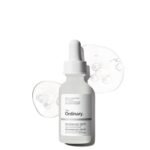
So, is the Differin Adapalene Gel review worth your time before you click “buy”? Short answer: yes, if you have stubborn non-cystic acne and patience for the adjustment period. For around $13, this is the strongest adapalene you can get without a prescription, and it actually works—provided you don’t quit after the first few weeks.
Combines dermatologist-recommended effectiveness with a price that feels accessible for daily skincare routines.
Price vs. rivals
Typical
CheaperTypicalPricier
Priced comparably to other brand-name adapalene gels, slightly above generic alternatives but within the typical range for a popular retinoid treatment.
Ease of use
Excellent 90/100
The product is easy to apply as a simple topical gel, but users must follow usage instructions to avoid irritation.
Overview – The Short Answer on Differin Adapalene Gel
Differin used to be prescription-only. Now you can grab a tube at the drugstore, and that’s a bigger deal than it sounds. It’s a 0.1% adapalene gel, which is a third-generation retinoid. That means it talks to your skin cells in a different, gentler way than older retinoids like tretinoin.
This stuff is for people with mild to moderate acne who are tired of spot treatments that dry out one pimple while the rest of their face throws a party. It works by speeding up skin cell turnover so pores don’t get clogged in the first place. It’s not a quick fix, but it’s a reliable long-term player.
Key Features
0.1% adapalene concentration – This is the highest strength available over the counter. It’s strong enough to make a real difference, but formulated to be less irritating than older retinoids.
15g tube – You only need a pea-sized amount for your whole face, so a tube lasts about two to three months. That’s roughly $4 to $6 a month for clear skin maintenance.
Gel texture, not cream – It dries down matte and sinks in fast. If your skin leans oily, you’ll prefer this over a heavy cream that sits on top of your face like a blanket.
No fragrance or dyes – There’s nothing in here to irritate sensitive skin further. It smells like nothing, which is exactly what you want from a treatment gel.
OTC availability – You don’t need a dermatologist appointment. You walk into a CVS or Target, it’s on the shelf. That convenience matters when your skin is flaring up and you need to act now.
Fit for You
You’ve tried salicylic acid and benzoyl peroxide washes but your chin and jawline still look like a rebellion is brewing.
You’re the type who reads skincare ingredients and wants the scientifically backed stuff, not the pretty pink bottle with vague promises.
You have closed comedones (those little flesh-colored bumps that never come to a head) and are tired of waiting for your skin to sort itself out.
You’ve got some post-acne marks that linger longer than the actual pimple did and you’d like to speed up the fading.
Your skin is not currently peeling from a different retinoid or prescription acne medication—Differin is a commitment, not a sidekick.
Uses
You use it at night, after washing your face and waiting for it to dry completely. A pea-sized dab, spread thin. That’s it. You don’t layer it with other active ingredients like AHAs or BHAs—that’s asking for a skin tantrum.
It’s also useful for acne scars in a secondary way. The gel won’t erase deep ice-pick scars, but it helps fade the red and brown marks left behind after a breakout heals. The faster cell turnover means those marks don’t hang around as long.
Some people use it off-label for clogged pores on their nose or even back acne. If your chest or shoulders break out, a small amount spread over the area works the same way as on your face.
Experience
The first two to three weeks are not pretty. Your skin might get drier, flakier, and temporarily more broken out before it clears. That’s called purging, and it’s a sign the gel is doing its job. Still, nobody’s face is thrilled to meet a retinoid for the first time.
You’ll need a good moisturizer. Not a fancy one—just something basic and hydrating that doesn’t break you out. Apply it after Differin or, if your skin is really angry, mix a pea of gel with your moisturizer to dilute it at first.
The tube is small, which is fine because you only need a tiny amount. The nozzle is precise, so you don’t accidentally squeeze out a blob onto the bathroom counter. One annoyance: the gel can get a bit thick as the tube empties, but warm it between your fingers for a second and it loosens up.
Sunscreen is non-negotiable. Differin makes your skin more sensitive to UV, and skipping SPF means you’ll undo the progress or worse, burn. Think of it as a reminder to finally wear sunscreen every day—not a bad habit to build.
Pros and Cons
Pros
Clinically proven active ingredient – Adapalene has decades of research behind it. You’re not betting on a trendy oil that “might” work.
Affordable for the results – At $12.97, this is cheaper than a lot of fancy cleansers that do less. You get real retinoid therapy for the price of a lunch.
Works on multiple types of acne – Whiteheads, blackheads, papules. If your acne is inflammatory or non-inflammatory, adapalene targets both.
Lasts several months per tube – One tube covers about two to three months of nightly use. That’s a good return on investment.
Easy to find – Amazon, Target, Walgreens, the grocery store. You don’t have to hunt for it or wait for a specialty order.
Cons
Purging phase is real – Your skin will likely get worse before it gets better. That first month can be discouraging if you’re not mentally prepared.
Dryness and peeling – Even with a moisturizer, you might have flaky patches around your mouth and nose. You have to commit to hydration and not picking at the flakes.
Not for severe cystic acne – If you’re dealing with large, painful cysts deep under the skin, this likely won’t cut it. That’s a prescription-strength situation.
Sun sensitivity – You have to wear sunscreen every single day or risk damage. That’s a non-negotiable that some people find annoying.
Can’t use with many other actives – No benzoyl peroxide in the same routine, no exfoliating acids on the same nights. Your skincare routine becomes simpler, which might feel limiting if you like layering products.
Where It Beats the Alternatives
Most people wonder about the Differin vs La Roche-Posay Adapalene choice. The honest difference: Differin is the original, and La Roche-Posay’s version has a slightly different base with added ceramides. The La Roche-Posay one may be a touch less irritating for dry skin, but it’s also pricier. Differin wins on value and the track record of being the go-to for years.
Better than spot treatments – Spot treatments only shrink one pimple at a time. Differin treats your whole face and prevents new ones from forming, which is a fundamentally different and better approach.
Cheaper than a dermatologist visit – You skip the copay and the prescription wait. For mild to moderate acne, this is the best adapalene gel for acne you can get without a doctor’s note.
Proven beyond the hype – A lot of “acne-fighting” serums rely on marketing. Differin relies on being a regulated OTC drug that has to prove its effectiveness.
Who Should Buy
Buy it if you have persistent whiteheads, blackheads, or small red bumps, and you’re ready to stick with it for three months to see real results. You’re patient and proactive about sunscreen.
Skip it and consider a prescription retinoid if your acne is severe, cystic, or covers large areas of your back and chest. A dermatologist can give you something stronger or combine it with an antibiotic.
Skip it and try a gentler OTC option if you have extremely sensitive, eczema-prone, or rosacea-prone skin. Adapalene might be too much, and something like azelaic acid could work better without the purge.
FAQ
Is Differin gel worth it?
Yes, for most people with mild to moderate acne. It’s affordable, backed by real science, and you don’t need a prescription. The catch is the patience required during the first month of purging and dryness.
How long does it take to see results from Differin?
You’ll likely see noticeable improvement around week 8 to 12. Some people see a little change sooner, but the real clearing happens after a few months of consistent nightly use.
How long does a 15g tube of Differin last?
About two to three months with nightly use. You only need a pea-sized amount for your whole face. A single tube is plenty for a full acne treatment course.
Can I use Differin with benzoyl peroxide or salicylic acid?
It’s best not to use them at the same time of day. Use Differin at night and a benzoyl peroxide wash in the morning if you must, but watch for excessive dryness. Skip salicylic acid entirely while your skin adjusts.
Is Differin safe for darker skin tones?
Adapalene is generally safe for all skin tones and does not cause the hyperpigmentation that some older retinoids can. It actually helps fade dark spots from old breakouts, which is a bonus for melanin-rich skin.
Can Differin help with acne scars?
It helps fade red and brown post-inflammatory marks by speeding up cell turnover. It won’t fix deep, pitted scars—that requires professional treatments like microneedling or laser—but it’s good for surface discoloration.
Final Verdict
Differin Adapalene Gel is the real deal for anyone with clog-prone, mildly angry skin who wants actual results without a prescription. It’s not magic overnight, and it will test your patience with that purging phase, but it’s one of the few OTC products that genuinely changes your skin’s behavior long-term. For $12.97, the Differin 0.1% adapalene formula is a solid bet if you’re ready to play the long game.
Just remember: sunscreen every morning, moisturizer every night, and don’t give up during the ugly phase. Your skin will thank you in three months.
Adapalene gels are everywhere now—three years after they all went OTC, the shelves are packed with near-identical 0.1% tubes. But they’re not actually identical. Differin Adapalene Gel, the original prescription-turned-drugstore staple, still anchors the category. It sits right in the middle of the price scale: cheaper than the French pharmacy prestige stuff, pricier than the store-brand clone. The question is whether you’re paying for the name or for something that actually works better on your specific skin.
Product
Price Range
Key Strength
Key Weakness
Best For
Differin Adapalene Gel 0.1%
~$13
Proven efficacy with decades of clinical data; spreads thinly so a tube lasts 3–4 months
Can cause purging that lasts 4–6 weeks; gel can pill under thick moisturizers
First-time retinoid users who want a reliable, mid-priced starter
La Roche-Posay Effaclar Adapalene Gel 0.1%
~$17–$20
Added soothing ingredients (thermal spring water, niacinamide) reduce irritation
More expensive per gram; the formulation feels slightly greasier on oily skin
People with sensitive, combo skin who are willing to pay extra for comfort
AcneFree Adapalene Gel 0.1%
~$10–$12
Cheaper than Differin with identical active ingredient; good for budget-conscious buyers
Generic tube design tends to crack at the hinge; gel texture is runnier
Anybody on a tight budget who doesn’t mind a flimsier tube
CVS Health Adapalene Gel 0.1%
~$8–$10
Lowest price point; nearly identical formulation to Differin
Can foam slightly when applied on damp skin; less consistent batch-to-batch viscosity
Strict price shoppers who’ll accept minor texture quirks
Differin Adapalene Gel vs La Roche-Posay Effaclar Adapalene
Here’s the real fight. La Roche-Posay’s version costs about $5 more per tube, and for that you get niacinamide and a thermal spring water base meant to lower the sting. It works—the first two weeks feel noticeably less angry if your skin hates change. But the payoff is that La Roche-Posay’s gel is a little heavier. On my oily T‑zone it sat there, refusing to sink in, while Differin dried down to nothing in ninety seconds. If you have dry or sensitive skin, the extra ingredients might save you from the flaky chin nightmare. If you’re greasy like me, stick with Differin’s leaner formula—it doesn’t need the extras to do the job.
Differin Adapalene Gel vs the Store-Brand Alternatives
CVS Health and AcneFree are the budget rebels. The active is the same 0.1% adapalene, so you’ll still get the same long-term results—less acne, smoother texture, some fading of old red marks (that’s the “Differin retinoid gel for acne scars” benefit people chase). The downsides are physical. The AcneFree tube has a flimsy hinge that splits after a month, leaving a crack that oozes product into your vanity drawer. The CVS gel can turn foamy if you apply it to damp skin, which ruins the even spread you want with a retinoid. For the price difference—maybe $3–5 per tube—you might decide the annoyance isn’t worth it. But if you’re running a four-year prescription and going through a tube every quarter, that adds up to real savings.
Who Picks Differin, and Who Should Walk Away
Choose Differin Adapalene Gel if you’re new to retinoids and want the one that’s been tested the longest—it’s the benchmark OTC option for good reason. The consistency is reliable, the tube doesn’t self-destruct, and the price is a fair middle ground. If you’ve already been using a generic adapalene with no issues, save your money and stick with the cheap stuff. And if your skin has a history of burning at the slightest chemical insult, skip both Differin and the generics and grab the La Roche-Posay—the extra soothing ingredients are worth the premium to avoid a week of painful peeling. As for the “best adapalene gel for acne” question, Differin still owns that title for the average person, but the best answer depends on whether your problem is acne, irritation, or your wallet.
Ready to decide on the Differin Adapalene Gel?
See today’s price, stock and delivery options on Amazon.