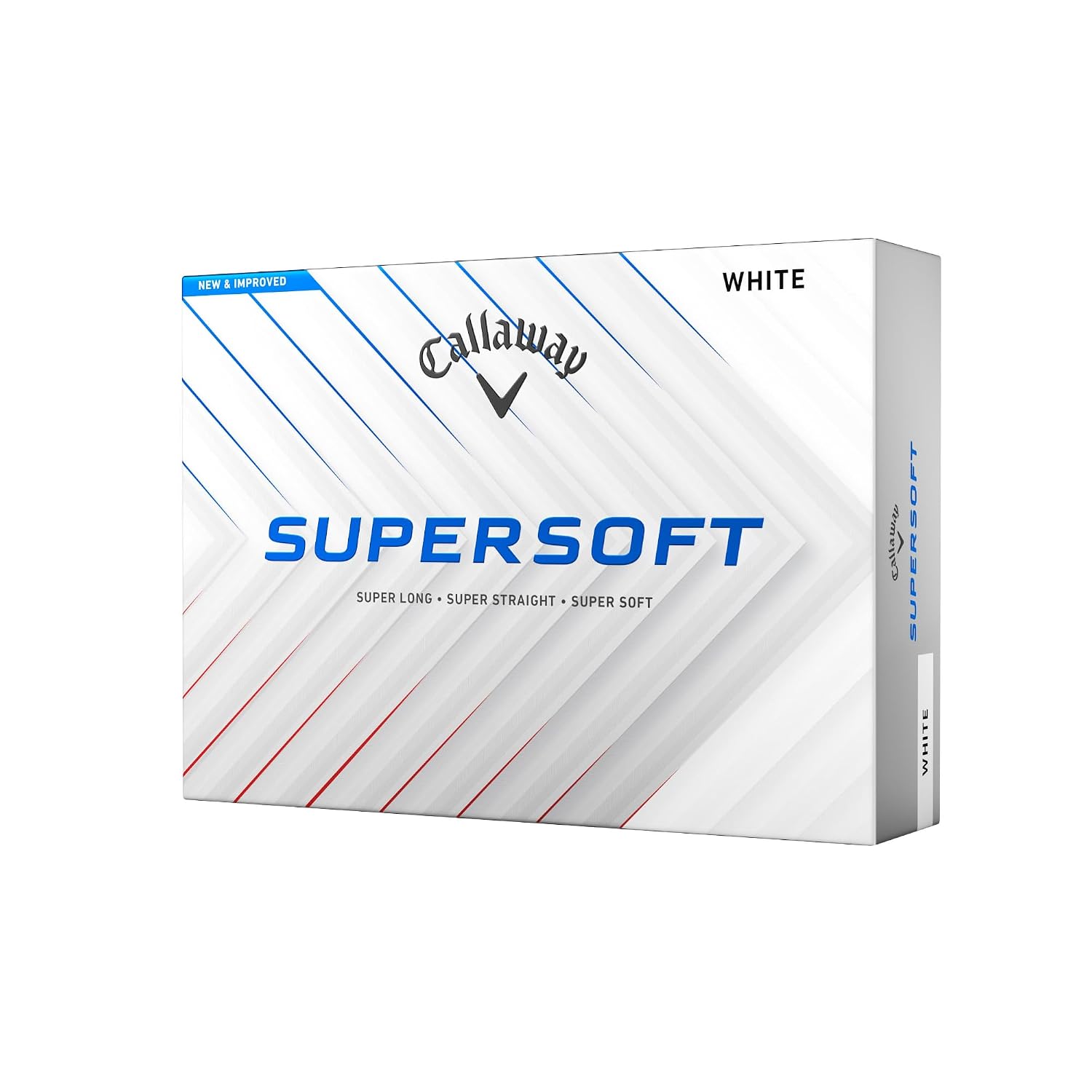
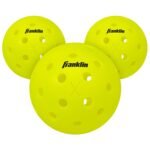
This Callaway Supersoft review cuts straight to the point: if you have a slow swing speed, you leave distance on the table with a standard ball. The Supersoft solves that with a compression rating designed to compress more easily, sending the ball further with the same effort. At $26.97 a dozen, it is worth it for the forgiveness alone.
High customer satisfaction and moderate cost deliver compelling value in the mid-tier segment.
Price vs. rivals
Cheaper
CheaperTypicalPricier
Priced below many comparable golf balls, it offers a more affordable option while maintaining strong quality and ratings.
Ease of use
Excellent 95/100
Golf balls are inherently simple to use, and the high rating indicates they perform reliably and feel good for most players.
Overview: Callaway Supersoft Review
Golf balls have a poorly kept secret. Most of them are pretty hard. They need a high clubhead speed to compress properly. For the average golfer, that means a lot of wasted energy sending a ball that doesn’t want to go far.
Callaway set out to fix that with the Supersoft. It uses a unique core blend and a very low compression rating so the ball doesn’t fight you. It is made for the player who wants to feel the ball work with them, not against them. This is a performance piece for the 85-mph driver, not the tour pro.
Callaway has been making soft balls for years, but they refined the formula here. The sweet spot between feel and distance is wider than in their earlier models. It shows they listened to the feedback from the last generation.
Key Features
Low-Compression Core: The core is designed to compress under lower impact forces. This means less energy lost and more energy transferred into forward motion for most players.
Thin Ionomer Cover: A thinner cover means the core gets to work faster. You get a softer feel off the clubface without the ball feeling like a marshmallow – mostly.
Hexagonal Dimple Pattern: Callaway uses a hex pattern to manage airflow. It helps the ball cut through the wind more consistently than a standard round dimple.
Alignment Line: A line on the ball helps you line up your grip for better putting. It is a small thing, but it is a real help in focusing on roll.
Proven Reputation: A 4.8 star rating from thousands of buyers. This isn’t just hype; it signals the product delivers on its specific promise consistently.
Fit for You
You swing a driver under 85 mph and want every yard you can squeeze out of your round.
You play a lot of early spring or late fall golf when the air is cold and balls feel like rocks.
You are introducing a friend or family member to the game and want them to have a satisfying first experience, not a jarring one.
You play on a tight course where straight-line distance matters more than shaping the ball with heavy spin.
You have a nagging wrist or elbow injury and hard balls hurt to hit.
You are tired of buying premium balls that feel the same off the tee as the cheap ones, just harder.
Uses
This ball works best when you are playing a full round with a slower tempo. Think resort courses, municipal tracks, or a relaxed weekend loop. It pairs perfectly with a forgiving game improvement iron.
It also shines on the range. Because it feels so good when you hit it pure, you can diagnose your swing without the distraction of a harsh feeling club. You feel the center of the face better.
Cold weather is where this ball really earns its keep. A standard ball feels like a billiard ball at 45 degrees. The Supersoft stays playable and responsive down to near freezing.
It handles a short game touch well. The soft cover grabs the green nicely on a well-struck pitch. It doesn’t bounce over the hole like a rock hard ball.
Experience: Living with the Callaway Supersoft
Out of the box, these balls look plain. Matte finish, discrete Callaway logo. They don’t scream performance. The first time you hit one, you will know exactly what that compression rating means. Off a driver, it makes a duller, more solid thud than a crack. It feels like the ball is absorbing the hit.
The sound is different. You might miss the sharp crack of a Pro V1, but you will not miss the distance you gain. On a par 3, the ball lands soft and stops quick.
Durability is fine for the price. You will get some scuffs on the ionomer cover, especially if you catch it off the heel of a shoe. It does not shred like some budget two-piece balls. The alignment line is a genuine help on the green. You line it up, the putt rolls true.
The matte finish reduces glare. You can track the ball better against a bright sky. The scuffing is real but mostly cosmetic. After a round, the ball looks lived in, not destroyed. The alignment line wears off at about the same time the matte finish starts to gloss up from the cart.
The main annoyance is the spin separation. You cannot work the ball hard from a tight lie. This isn’t the one if you are trying to shape shots. But if you just want to hit the ball, watch it fly, and enjoy the game, it is very close to perfect.
Pros and Cons
Pros
Real distance for slow swings: You will genuinely pick up yards over a standard ball if you are a 75-85 mph player.
Phenomenal feel: The soft feel is not a gimmick. It makes striking the ball satisfying and less punishing on a bad hit.
Works in cold weather: Does not turn into a rock. It stays playable when your buddies are complaining about their standard balls.
Very affordable: $26.97 for a dozen of a specialty ball is a bargain. You can afford to lose a few without wincing.
Alignment line is useful: Simple visual aid that genuinely helps setup consistency on the green.
Low glare: The matte finish makes it easier to track in the air on sunny days.
Cons
Not for high swing speeds: If you swing a driver over 95 mph, this ball feels dead and you lose distance. You compress it too much.
Cover durability: The thin cover scuffs easier than a Surlyn cover. You get a few rounds of good looks before it goes shabby.
Spin separation is limited: You cannot work the ball sideways as well as with a tour-level ball. High spin players should look elsewhere.
Matte finish marks up: The matte cover shows every scuff and mark. It looks dirty fast, even if it plays fine.
Limited availability in stores: You will mostly find these online. Hard to test a sleeve before buying.
Advantages
The biggest advantage is against the Titleist TruFeel. Callaway Supersoft vs Titleist TruFeel is a straight comparison of intent. The TruFeel is softer than a Pro V1, but it is still a tour-caliber core with a Surlyn cover. The Supersoft is significantly softer and compresses much easier. For the average golfer, the Supersoft is the better ball because it solves the distance problem directly. The Titleist is for the better player who wants a little forgiveness on a solid foundation.
Best golf balls for slow swing speed? This is the clear winner in its price class. Srixon and Wilson make soft balls, but the Callaway offers a better feel for the money. The compression rating is perfectly tuned for the 70-85 mph player.
It also beats every other soft ball in its class for sheer distance. You trade a bit of spin control for straight line distance. For most players, that is a trade you take every time.
Who Should Buy
Buy the Supersoft if: you are a high-handicap or moderate speed player looking for more forgiveness and distance. You play in cold climates. You have a physical limitation that makes a hard ball unfun. You just want a satisfying, high-flying golf ball without spending $50 a dozen.
Skip it if: you swing a driver over 95 mph and want a tour ball with spin and durability. You play a lot of firm, grainy fairways where a durable cover matters more. You need maximum spin control on approach shots and wedges.
FAQ
Is the Callaway Supersoft worth it?
For a golfer with a moderate swing speed (under 85 mph), yes. You get free distance and a much nicer feel for less money than a premium ball. It is a performance upgrade that actually pays for itself in better results.
What is the Callaway Supersoft compression rating?
The compression rating is very low, designed for impact forces generated by slower club speeds. This allows the core to deform and rebound efficiently where a standard ball would just slide up the face.
How is the Callaway Supersoft distance?
For its target player, it is excellent. Hard hitters will actually lose distance because they compress the core past its sweet spot. For the average weekend player, you gain a solid, noticeable bump in yardage versus a standard two-piece ball.
How does it compare to the Titleist TruFeel?
The Supersoft is softer and more forgiving. The TruFeel has a better cover for durability and spin. You pick the Supersoft if you want pure distance and a soft feel. You pick the TruFeel if you want a premium ball with a slight edge in softness.
Is this one of the best soft feel golf balls 2026?
Yes. It is the current standard in the category. Srixon and Wilson have competitors, but the Supersoft offers the best balance of feel, distance, and price for the majority of players.
Are the Callaway Supersoft golf balls good for beginners?
Ideal for beginners. The forgiveness and soft impact help build confidence and fun. A hard ball punishes a bad swing. This one rewards a decent swing with extra yards and a satisfying thump.
Final Verdict
The Callaway Supersoft is a specific tool for a specific player. It does not try to be the best ball in the world for everyone. It tries to be the best ball for the golfer who needs forgiveness and distance from a moderate swing speed. And it succeeds.
If you are that player, buy them. This Callaway Supersoft review has one main bottom line: ignore the hype and match the tool to the player. If you swing above 95 mph, stick with a firm core ball. But if you are the rest of us, this might be the best dozen dollars you spend on your game this year.
Callaway Supersoft Golf Balls vs the Best Soft Feel Golf Balls 2026
This Callaway Supersoft review starts with a simple opinion: the Supersoft is the default pick for golfers who want a low-compression ball that doesn’t cost tour-ball money. The Callaway Supersoft compression rating sits around 38, which puts it among the softest balls on the shelf. Callaway Supersoft distance is a real strength in this category; the low spin and high launch help slower swing speeds get the ball out there without extra effort. If you’re shopping for Callaway Supersoft alternatives, the three below are the ones worth comparing.
Product
Price Range
Key Strength
Key Weakness
Best For
Callaway Supersoft Golf Balls
Budget-mid ($26.97)
Soft feel and easy launch
Very low spin around the greens
Slower swing speeds and players who want a straight flight
Titleist TruFeel
Budget-mid (similar)
Durable cover and familiar sound
Less launch help on slower drives
Golfers who want soft feel but prefer a firmer putter strike
Srixon Soft Feel
Budget-mid (similar)
Snappier feel off the face and strong value
Cover can scuff on aggressive wedge shots
Players who want soft feel with more feedback
Wilson Staff Duo Soft
Budget (usually the cheapest)
Extremely soft and very straight
Minimal spin and touch around greens
Beginners, seniors, and very slow swing speeds
Callaway Supersoft Golf Balls vs Titleist TruFeel
Callaway Supersoft vs Titleist TruFeel comes down to which type of soft you prefer. The Supersoft feels plush through the whole swing, as if the cover absorbs the impact. The TruFeel is still a soft ball by Titleist standards, but it has a firmer, more familiar click off the putter. For a smooth tempo and a driver speed around 85 mph, the Supersoft launches higher and hangs in the air longer. The TruFeel’s cover holds up better if you find tree roots or cart paths. If you want maximum help getting the ball airborne, take the Callaway. If cover durability and a crisper putter feel matter more, the TruFeel wins.
Callaway Supersoft Golf Balls vs Srixon Soft Feel
Srixon Soft Feel is the closest like-for-like alternative. Both sit in the same price neighborhood, both use a low-compression core, and both promise soft feel. The difference shows on short shots. The Srixon cover feels a bit brisker at impact, which gives you more feedback on pitch shots but also scuffs sooner when you spin it hard. The Supersoft is quieter and more forgiving side-to-side; its lower spin keeps hooks and slices from turning into disasters. If you want a safer, straighter flight, the Callaway is the better choice. If you like to feel the ball react a little more around the greens and don’t mind replacing a scuffed cover sooner, Srixon is worth a look.
Callaway Supersoft Golf Balls vs Wilson Staff Duo Soft
The Duo Soft is usually the cheapest of the group and one of the softest balls you’ll find, with one of the lowest compression ratings on the shelf. It’s a natural fit if your swing speed is below 80 mph or your hands are tired of firm balls. But the Duo Soft gives up so much spin that greenside check basically doesn’t exist. You’ll be playing for roll-out, not a spinning stop. The Supersoft isn’t a spinning machine either, but it gives you a little more purchase on delicate short shots and still costs less than most premium balls. For most slow-swing golfers, the Supersoft is the better balance. The Duo Soft only makes sense when budget is the main concern and straight air is the goal.
So is Callaway Supersoft worth it? At $26.97, yes, for the golfer who wants a soft, low-compression ball that flies straight and stays out of trouble. It’s one of the best golf balls for slow swing speed in 2026, and it earns its place in the best soft feel golf balls 2026 conversation. If you swing faster than 95 mph and attack pins with a wedge, the lack of greenside spin will frustrate you. In that case, consider a firmer ball like the Titleist TruFeel or a premium urethane option such as the TaylorMade Tour Response. But if your priority is comfort, distance, and a straight flight at a friendly price, the Supersoft is the one.
Ready to decide on the Callaway Supersoft Golf Balls?
See today’s price, stock and delivery options on Amazon.