If you’re reading a ZELUS weighted vest review before adding one to your cart, here’s the short version: at $27.89, it’s worth it for anyone who wants a simple, adjustable weighted vest without spending $150 on a brand name. It isn’t perfect, but it’s a smart first weighted vest.
Exceptional value for an affordable weighted vest with versatile weight options and high customer satisfaction.
Price vs. rivals
Cheaper
CheaperTypicalPricier
This ZELUS weighted vest is priced well below most competing weighted vests, making it an excellent budget option for strength training and running.
Ease of use
Excellent 90/100
The weighted vest is easy to put on and adjust, with clear weight options and reflective stripes, making it straightforward for most users to incorporate into workouts.
Overview: ZELUS Weighted Vest Review
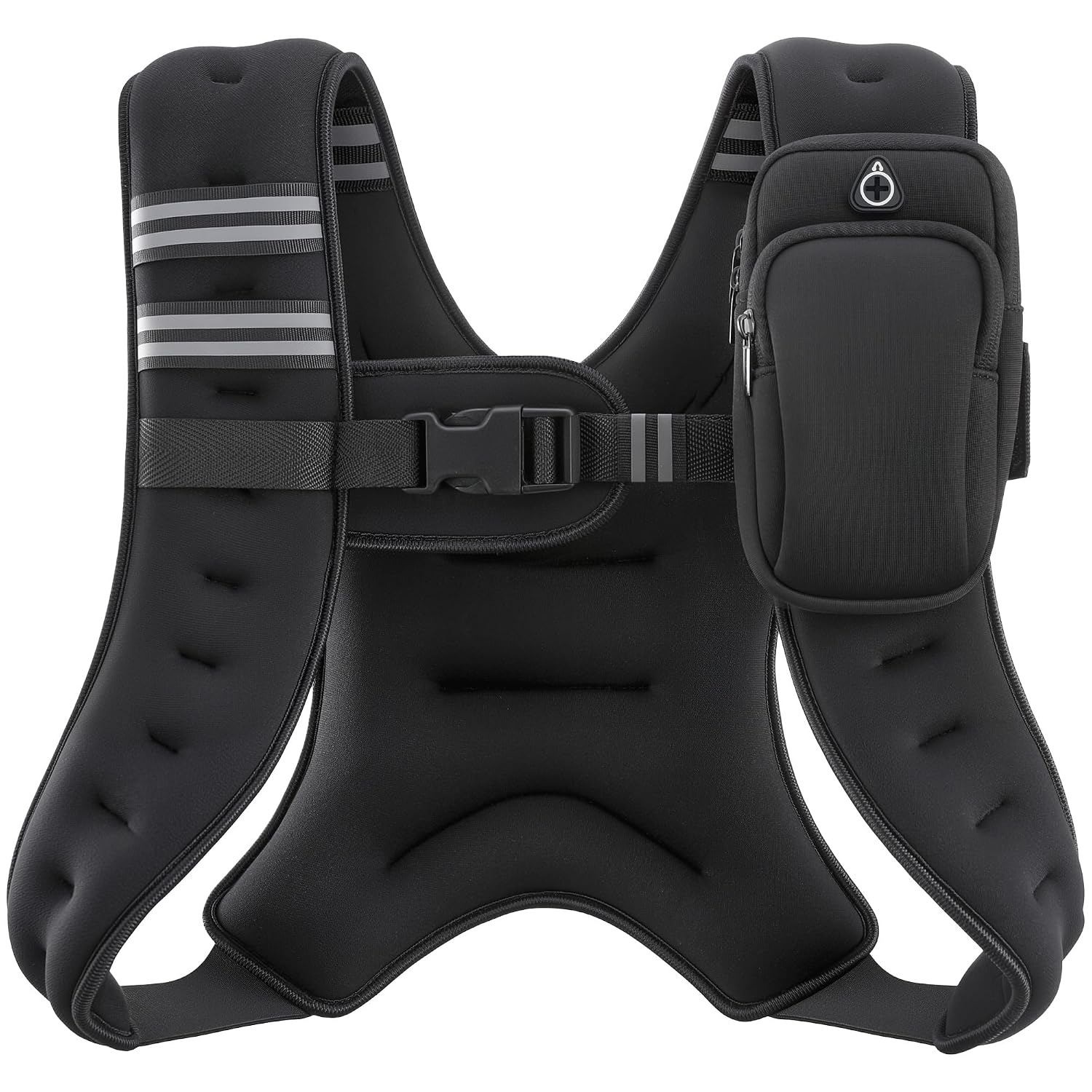
The ZELUS is a padded weighted vest with removable weight packs that can be adjusted from 6 lb up to 30 lb. You strap it on over a t-shirt or hoodie and add load to push-ups, pull-ups, lunges, runs, or ruck-style walks. It solves the “my bodyweight stopped being enough” problem without requiring a gym membership or a garage full of plates.
The real audience is people who want progressive overload at home, runners who want to build resistance, and anyone trying to make a 30-minute walk sweat more. It’s not a precision piece of gear for competitive athletes. It’s a straightforward tool, and at this price it’s arguably the best weighted vest for running if your goal is comfort and adjustability rather than racing with a pack.
Key Features of the ZELUS Weighted Vest
The specs matter less than how the features feel in practice.
Adjustable weight range. The 6 lb to 30 lb options let you start lighter than you think you need and add weight as you adapt. That’s the best way to avoid the back strain beginners get from jumping straight into a heavy vest.
Reflective stripe. The zelus weighted vest with reflective stripe earns its keep if you run or walk near traffic in low light. It won’t replace a headlamp or reflective jacket, but it gives drivers a clear, moving shape to see.
Removable weight packs. You can shift the load around or take out a pack for warm-up sets. Most owners use this to balance front and rear loading, which keeps the vest from pulling you forward.
Breathable mesh and padding. The mesh lets air move on warm days, and the padding keeps the weight from digging into your collarbone during push-ups. You’ll still sweat under it, but not as badly as with a cheap nylon plate carrier.
Multiple adjustment points. The shoulder and side straps let you get a close fit. A loose weighted vest is a miserable one: it bounces, shifts, and rubs. The extra minute you spend tightening before each workout pays off.
Fit for You: Is the ZELUS Weighted Vest Worth It?
For most people, yes. The fit is the part that makes or breaks a weighted vest, and the ZELUS offers enough adjustability to get close to your torso. Here are the situations where it really shines.
You run on roads before sunrise and want a bit of extra load without buying a dedicated running pack.
You train at home and need a way to make push-ups, squats, and split squats harder without adding a barbell.
You’re following a weight-loss plan and want a low-impact nudge to make daily walks sweatier.
You’re curious about weighted training but don’t want to spend $80+ only to discover you hate the feeling.
You do hiking or rucking and want a cheap, adjustable way to add load before investing in a dedicated rucksack.
Uses: Where the ZELUS Weighted Vest Earns Its Keep
If you’re thinking about a zelus weighted vest for weight loss, the smart way to use it is on walks and circuits, not as a magic fat-burner. A three-mile walk with 20 lb changes the session. You don’t have to run; a fast walk with the vest gets your heart rate up, and the load gives your legs and lower back something to work against.
Runners use it for short intervals and hill repeats rather than long distance. The added load disrupts your running form quickly, so keep the pace honest and the mileage short. That’s where the reflective stripe matters: early-morning or late-evening visibility.
Bodyweight circuits are another natural fit. Do push-ups, lunges, bear crawls, and carries in the vest and you’ll feel the difference within a few rounds.
Experience: Living with the ZELUS Weighted Vest
You’ll feel the weight on the first pull-up. The vest sits close to your torso, so it doesn’t swing around like a backpack full of books. The first time you put it on, you’ll think it feels heavier than the number says. That’s normal, because the weight sits differently than a backpack and your core has to work just to keep your posture straight.
The shoulder padding softens the pressure, though you’ll notice the load on your traps by the end of a set. It’s a good kind of tired, the kind that tells you the activity is doing something.
Getting the fit right takes a minute. You tighten the shoulder straps and side straps until it feels like a firm second layer. If you leave it loose, even 12 lb will bounce and rub under your arms. The adjustment effort is small, and after a few sessions it becomes automatic.
Storage and cleaning are low-key. Hang it in a closet or over a chair; don’t leave it crumpled on the floor because the padding can lose its shape. A damp cloth takes care of most sweat, and letting it air out keeps the mesh from smelling. The weight packs are contained, so there’s no sand or powder leaking out to deal with.
The small annoyances are real but not dealbreakers. The front can feel bulky when you’re doing push-ups with the weight fully loaded, so you may need to set up wider than normal. The side straps can loosen during longer sessions, and you’ll pull them tight again between exercises. There’s a little noise when the weight packs settle, but it’s not the loud clanking you’d expect from a loaded backpack.
None of this changes the core verdict: this ZELUS weighted vest review still comes out positive, especially for the price.
Pros and Cons of the ZELUS Weighted Vest
Pros
Cheap enough to try. At $27.89, it costs a fraction of most adjustable vests, so you can figure out whether you actually like weighted training without a big commitment.
Wide weight range. Starting at 6 lb and going up to 30 lb means it grows with you, which is a real advantage for a beginner who isn’t sure what load works.
Adjustable fit. The shoulder and side straps let you dial it to your torso, so it doesn’t slide around the way loose, one-size-fits-all vests do.
Reflective stripe. Running in dim light feels a little safer, and the stripe runs across enough of the vest to be visible from several directions.
Breathable construction. The mesh panels keep air moving, so you’re not trapped in a sweaty plastic shell during a home workout.
Cons
Straps need retightening. You’ll probably pull the side straps snug once or twice during a long session, especially if you’re doing dynamic movements.
Not built for long runs. The load settles on your shoulders and upper back after a couple of miles. Use it for intervals or rucking, not your steady long run.
Bulky on push-ups. With the front pockets full, the vest sits higher than a slim plate carrier, so you’ll need a wider hand position to avoid bumping it on the floor.
Fit takes fiddling. If you’re between sizes, the adjustment is doable but not instant. Expect to spend a minute loosening and tightening straps before the first few workouts.
30 lb is the ceiling. That’s plenty for most people, but stronger athletes who need 40 lb or more will have to look elsewhere.
Advantages: ZELUS vs Hyperwear and Other Alternatives
The closest thing to a head-to-head here is the zelus weighted vest vs hyperwear weighted vest, and it comes down to price and purpose. Hyperwear vests are built with a slimmer profile and a higher-end fit, so they move more naturally in dynamic workouts. The ZELUS is bulkier, but it costs a fraction of the price and still handles running, lifting, and rucking without complaint.
Against generic cheap vests with sand-filled pouches, the ZELUS wins on adjustability and weight range. The weight packs are easier to move around, and the strap system gives you more control over fit. You don’t get the premium finish or low-profile feel of a $200 vest, but you also don’t have to worry about wrecking an expensive piece of equipment on a gravel trail.
Price advantage. Few vests in this weight range come this cheap with the same adjustability.
Weight range advantage. The 6 lb to 30 lb span covers walking, running, and strength work better than fixed 20 lb vests.
Fit advantage. Shoulder and side straps beat the one-size-stretchy-fabric style of many budget vests.
Who Should Buy the ZELUS Weighted Vest
This vest has a clear sweet spot. It’s for people who want to add load to their existing routine without signing up for a gym membership or spending big money on specialty gear.
Buy it if you’re new to weighted training and want a cheap, adjustable option to see what works.
Buy it if you run or walk at dawn and want extra load plus a reflective stripe for low-light visibility.
Buy it if you’re doing at-home bodyweight circuits and need to make push-ups, squats, and lunges harder.
Skip it if you’re a competitive athlete who needs the sleek profile and precise balance of a Hyperwear or similar high-end vest.
Skip it if you plan to run long distances with 20 lb or more; a dedicated weighted rucksack with hip support would be kinder to your spine.
FAQ: ZELUS Weighted Vest Review
Is the ZELUS weighted vest worth it?
Yes, for most buyers it is a good buy. At $27.89 you get an adjustable vest with a useful weight range, a reflective stripe, and no big quality worries. It will not replace a $200 competition vest, but it is a smart first vest.
Is the ZELUS weighted vest safe for running?
Yes, if you start light and keep the vest snug. Begin with 6-8 lb and focus on short intervals, hill sprints, or a brisk walk before you try a full run. If you feel shoulder pain or back strain, reduce the weight.
How long does the ZELUS weighted vest last?
With reasonable care, expect a few years of regular use. The mesh and straps are the first things to show wear; don’t machine wash it, and store it flat or hung. Owners tend to replace it when they outgrow 30 lb, not because it falls apart.
Does the ZELUS weighted vest work for weight loss?
It can help, but only as one part of the plan. Using a zelus weighted vest for weight loss on walks and circuits adds resistance and raises your heart rate, which burns more calories than the same workout without it. The vest doesn’t melt fat on its own.
What is the difference between ZELUS and Hyperwear?
The ZELUS is the affordable, slightly bulkier option; Hyperwear is the sleeker, more expensive one. The ZELUS offers more weight range per dollar, while Hyperwear vests distribute load in thinner plates that move better with dynamic exercises. If budget matters, choose ZELUS. If comfort matters more, choose Hyperwear.
Can you use the ZELUS weighted vest for push-ups and pull-ups?
Yes. Push-ups and pull-ups are where this vest earns its keep; the weight adds resistance to bodyweight movement. Use a moderate load and watch your form. The vest can get in the way with narrow hand placement, so space your hands wider.
Final Verdict: ZELUS Weighted Vest Review
The ZELUS weighted vest review ends with a simple bottom line: buy it if you want an affordable, adjustable introduction to weighted training. It does the job, has enough weight range to keep you busy for a long time, and won’t ruin your budget if you decide it’s not for you.
The one thing to keep in mind is the trade-off. The vest is bulkier and a little less refined than expensive options like Hyperwear. But at $27.89, you’re getting most of the benefit at a fraction of the cost. That’s a deal.
ZELUS Weighted Vest Review: vs the Competition in 2026
The ZELUS weighted vest sits at the cheap end of a category that loves to overcharge for straps and foam. At $27.89, it has a reflective stripe, a no-fuss fixed weight, and enough padding to make lunges feel less like a dare. In a market full of adjustable plates and premium runners’ gear, this ZELUS weighted vest review keeps returning to one question: is a simple, cheap vest all you actually need?
Product
Price Range
Key Strength
Key Weakness
Best For
ZELUS Weighted Vest (6-30 lb)
From $27.89
Reflective stripe, tidy fit, serious value at the entry price
Fixed weight; no way to adjust the load as you progress
Budget runners and gym-goers who want one set weight and no decisions
Hyperwear Hyper Vest PRO
Premium
Low bounce, tight fit, weight sits close to the body
Price is several times higher; not a casual purchase
Runners who care about stride and won’t tolerate a bouncing vest
RUNFast Adjustable Weighted Vest
Budget/mid
Removable steel bars let you increase weight over time
Bulkier build; zippers and pouches add fuss
Cross-training and progressive bodyweight workouts
Yes4All Adjustable Weighted Vest
Budget
High weight capacity for a low price
Boxy silhouette; less pleasant for jogging
Weighted pull-ups, dips, walking, and heavy carries
ZELUS weighted vest vs Hyperwear Weighted Vest
Hyperwear’s Hyper Vest PRO is the best weighted vest for running if you define “best” as “I can’t feel it shift when I’m moving fast.” Its plates sit in slim pockets and it closes like a second skin. The ZELUS vest moves more, especially on a mile-long jog, and the shoulder straps aren’t as contoured. But the Hyperwear costs a lot more, and the ZELUS weighted vest with reflective stripe is genuinely useful for pre-dawn runs. If you’re a serious runner, skip ZELUS and save up. If you run for twenty minutes as part of a workout, the ZELUS is good enough.
ZELUS weighted vest vs RUNFast Weighted Vest
If you’re still trying to find the load that feels right, RUNFast is the obvious choice among ZELUS weighted vest alternatives. Its removable steel bars mean you can start light, then add a bar when a set of push-ups feels easy. That’s a real advantage. But it’s bulkier, and every zipper and pouch is another thing to break. The ZELUS doesn’t give you that tuning, and that’s the trade-off. The ZELUS weighted vest for weight loss works the same way a pricier one does: extra load makes your heart and legs work harder. You don’t need adjustable pockets to make walking or bodyweight circuits count.
ZELUS weighted vest vs Yes4All Weighted Vest
Over in the heavy-duty camp, Yes4All builds a heavier, more utilitarian vest for people who spend more time under a pull-up bar than on a run. It maxes out at a much higher load, and it’s still cheap. The fit is blockier, though, and the front panels tend to sit a little stiff. The ZELUS feels closer to a regular workout top and looks better while doing it. If your workouts are built around carries and weighted dips, the Yes4All is the harder-working option. If you want something that doesn’t fight you during squats or lunges, ZELUS is the quieter choice.
So, is the ZELUS weighted vest worth it? For a budget shopper who knows their weight and wants one vest for mixed runs and gym work, yes. Pick the ZELUS if you’re starting out, want a reflective stripe, and don’t need to adjust load mid-session. Pick the Hyperwear Hyper Vest PRO instead if running is your main goal and you can spend more for less bounce.
Ready to decide on the ZELUS weighted vest?
See today’s price, stock and delivery options on Amazon.