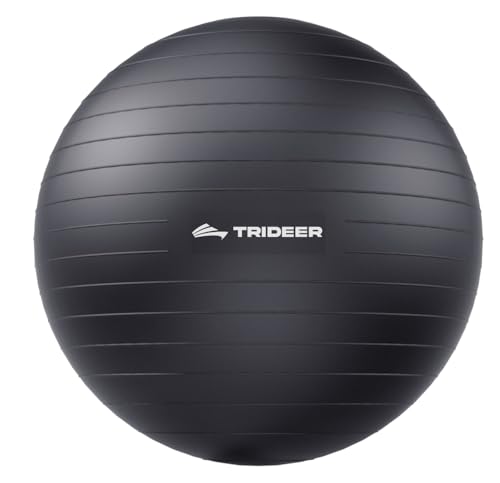
At this price point, the Trideer Yoga Ball offers exceptional durability, included pump, and high customer satisfaction, making it a top-tier value compared to similarly priced alternatives.
Price vs. rivals
Typical
CheaperTypicalPricier
Priced near the typical mid-range for exercise balls, aligning with popular alternatives while offering a standard balance of cost and features.
Ease of use
Excellent 90/100
The included pump makes inflation simple, and the ball's straightforward design is easy for most people to use for basic exercises or seating.
Trideer Yoga Ball Review: Is It Worth the Hype?
The Trideer Yoga Ball is worth it for most people, and this Trideer yoga ball review will explain why. For $17.99, you’re getting a reliable, anti-burst exercise ball that comes with a pump, which is a combination that’s hard to beat. It’s not a miracle cure for back pain, but it’s a solid piece of gear that does exactly what it promises to do.
Overview
This is a 55cm stability ball designed for exercise, pregnancy support, and general core work. It solves the problem of needing a versatile piece of fitness equipment without spending a fortune or clearing out a room for a home gym. Instead, you get a durable ball that you can stash in a corner and inflate whenever you need it. It’s really for anyone who wants to add some movement to their day, whether that’s swapping your desk chair, doing stretches after a workout, or using it during pregnancy for gentle exercise and support. It’s not a professional-grade physiotherapy tool, but it’s a great entry point for most home users.
Key Features
– Anti-Burst Construction: This is the big one. If you’ve ever worried about a ball exploding underneath you, this feature directly addresses that fear. It’s designed to deflate slowly if punctured, not pop violently. That peace of mind matters a lot when you’re balancing on it. – Pump Included: You won’t need to hunt for a separate pump or blow it up by mouth. The included pump works fine, and it’s a lot better than the alternative. Just don’t expect a high-end gym pump; it gets the job done with some patience. – Slip-Resistant Surface: The material has a slight texture that helps keep it in place on hard floors. You’ll still want to be careful on smooth surfaces like tile, but the grip is noticeably better than cheaper, slicker balls. – Multiple Size Options: While this review focuses on the 55cm size, it comes in various diameters to fit your height and intended use. Getting the right size is crucial for proper posture and exercise form, so check the size chart before you order. – Ability to Inflate to Desired Firmness: This is a nice touch. You can pump it up to be rock-hard for more challenging balance work, or keep it slightly softer for pregnancy support or sitting. It makes the ball more versatile than a one-size-fits-all approach.
Fit for You
– You spend eight hours a day at a desk and want a more active way to sit, even if it’s just for part of the day. – You’re pregnant and looking for a comfortable, supportive way to do gentle stretches and pelvic exercises at home. – You have a chronic ache in your lower back and your doctor or physiotherapist has suggested trying a stability ball for exercises. – You want to improve your core strength and balance, but you don’t like going to the gym or using complicated machines. – You’re looking for a cheap, cheerful way to add some variety to your home workout routine and don’t want to buy another piece of bulky equipment.
Uses
The most common scene is swapping your office chair for the ball. You’ll find yourself subtly shifting and engaging your core muscles just to stay upright, which breaks up the monotony of sitting still. It’s not a substitute for standing, but it makes sitting feel less passive. Then there’s the workout side. You can use it for crunches, planks, wall squats, and a dozen other exercises. It’s particularly good for stretching. Leaning over the ball to stretch your back feels genuinely effective, and it’s a good reason to keep it inflated and nearby. For pregnancy, owners tend to mention using it for sitting and gentle rocking, which can ease pelvic pressure and help position the baby. It’s also useful in early labour for some people, though you should always check with your midwife first. It’s a tool that offers a lot of support in a very simple form.
Experience
Living with the Trideer Yoga Ball starts with the inflating, which is the first test of patience. The hand pump isn’t powerful, so getting the ball to a good firmness takes a few minutes of effort. Get the kids to help or put on a podcast, because it’s a genuine workout for your arms. Once it’s inflated, the ball feels surprisingly solid. There’s a slight chemical smell right out of the box that tends to fade after a day or two, which is typical of this kind of product. The surface is sturdy and doesn’t feel cheap, though you’ll notice it’s not as thick as a premium physio ball. Cleaning is simple, a damp cloth with some mild soap does the trick. The bigger issue is storage. A fully inflated 55cm ball is bulky. You can deflate it to store it, but honestly, most people end up leaving it inflated and finding a corner for it. It also rolls around, so it can be a bit of a hazard until you find a permanent spot for it. The small annoyances are the pump and the ball’s tendency to slide if you’re on a very polished floor. But the experience is otherwise positive. It holds air well, maintains its shape, and feels robust during use.
Pros and Cons
Pros
Reassuringly sturdy: The anti-burst design and thick material mean you can trust it with your full bodyweight.
Genuinely useful for back pain: Regular gentle stretching over the ball helps loosen tight lower back muscles more effectively than simple floor stretches alone.
Good grip: The textured surface prevents annoying slipping during workouts, even on carpet or rubber mats.
Great value for money: At around $18, it’s much cheaper than physio balls, yet it feels close in quality.
Pump included: Saves you a separate purchase and the hassle of hunting for an adapter.
Cons
Slow pump: The included pump works, but it takes a few minutes and some effort to reach your desired firmness. It’s a minor workout in itself.
Slight chemical smell at first: Expect a new-ball odour that takes a couple of days to dissipate completely.
Firmness depends on your effort: If you under-inflate it, it won’t support you properly. You have to take the time to get it right.
Not a miracle cure: It won’t fix your posture or back pain by itself. You still have to put in the work and use it consistently.
Advantages
When looking at a Trideer vs Gaiam yoga ball, the Trideer usually comes out ahead on price and included accessories. You get the pump in the box, which isn’t always the case with other brands where you have to pay extra or use your own. Where it really shines is stability. The anti-burst build and the material quality give it an edge over no-name brands you find on sale. It feels less like a toy and more like a piece of fitness equipment. For the cost, you’re getting a product that competes with balls costing twice as much. It’s also a fantastic option when searching for the best yoga ball for pregnancy because it offers a large, stable surface area at a low price. The firmness you can choose gives you the support you need, and the durability ensures it’ll last through months of daily use. The fact that it works for both exercise and ergonomic seating is a big advantage over single-purpose chairs or balance boards.
Who Should Buy
– Buy it if you want an affordable, versatile piece of home gym kit. It covers core work, stretching, and active sitting, all for less than the cost of a dinner out. – Buy it if you’re expecting and your healthcare provider has given you the go-ahead for gentle exercise. It’s a safe, supportive option for pregnancy-related aches and pains. – Buy it if you have lower back stiffness from long periods of sitting. It’s a practical tool for simple, effective stretches at your desk or in the living room. – Skip it if you want a complete back pain treatment plan. This ball is a tool, not a therapist. You’ll still need proper guidance and exercises. – Skip it if you hate inflating things and don’t want to spend a few minutes setting it up. The pump is functional, but it’s not a quick process. – Look elsewhere if you need a ball for intense, heavy-duty gym workouts every day. This is a home-use ball, and a heavier-duty professional ball might last longer under constant, rigorous use.
FAQ
Is the Trideer Yoga Ball worth it?
Yes, it offers excellent value for the price. You get a durable, anti-burst ball with a pump included for around $18, making it a smart purchase for home exercise and back pain relief. It outperforms its price point in terms of build quality and stability.
How long does it last?
With normal home use, you can expect it to last for years. The material is thick and resistant to punctures, and it holds air very well. The main thing that might wear out is the pump, not the ball itself. Keep it away from sharp objects and it will serve you well.
Is it safe for pregnancy?
Yes, it’s generally considered safe for pregnancy, but you should consult your doctor or midwife first. It provides a comfortable seat and a stable base for gentle stretches and pelvic tilts. Many people find it helpful for easing lower back pain and hip pressure during the later months.
Is the ball stable enough for workouts?
The anti-burst construction and slip-resistant surface make it a very stable base for exercise. You can confidently do crunches, planks, and squats, but you should always ensure it’s inflated to the correct firmness for your weight. If it’s too soft, it’s unstable; if it’s too hard, it’s less comfortable.
What is the Trideer yoga ball stability like for sitting?
It’s great for active sitting, but it’s a different experience from a chair. You’ll engage your core muscles to stay balanced, which is the point. The ball won’t topple over, but if you’re not used to it, you might feel a bit wobbly for the first week. Start with short periods to build up your balance.
Is the pump included any good?
The hand pump is basic but functional. It takes a few minutes to fully inflate the ball, and it requires some elbow grease, but it gets the job done without needing an extra purchase. Don’t expect a high-speed electric pump; it’s a tool that requires patience.
Final Verdict
The Trideer Yoga Ball is a solid, reliable piece of equipment that delivers on its main promises. It’s a particularly great choice if you’re looking for an exercise ball for back pain, as the supportive stretching and core engagement can genuinely make a difference. It’s also a top contender for the best yoga ball for pregnancy, thanks to its safety features and comfort. The only real thing to keep in mind is the setup. You’ll need to spend a few minutes with the pump before you can use it, and you’ll need to find a spot to store the inflated ball. But once that’s done, you have a versatile piece of kit that will serve you well for a long time. At $17.99, it’s easy to recommend.
You’ve narrowed it down to the Trideer Yoga Ball, but now you’re wondering how it stacks up against the established names. The Trideer lands squarely in the budget-friendly sweet spot at around $18, but it brings a few surprises—like a thick, anti-burst shell and a surprisingly good pump. That doesn’t mean it’s the right pick for everyone. Below you’ll find a head-to-head with three well-known rivals, so you can see where Trideer wins, where it compromises, and whether you should spend a little more or a little less.
Product
Price Range
Key Strength
Key Weakness
Best For
Trideer Yoga Ball
Budget ($17-19)
Thick, quiet anti-burst material; excellent pump included
Surface texture can feel slightly tacky when new
Home exercise, back pain relief, pregnancy support
Gaiam Balance Ball
Budget ($15-20)
Classic smooth vinyl; widely available in stores
Pump is cheap and often loses pressure; ball feels thinner
Lightest option; comes with a bonus resistance band
Thinner wall; audible air release when sitting; pump barely works
Occasional core work or seated desk use
Trideer Yoga Ball vs Gaiam Balance Ball
The Gaiam Balance Ball is the old reliable you’ll find at Target or Walmart. It’s fine for a quick stretch or a few crunches, but the difference shows up when you sit on it for more than ten minutes. The Trideer’s wall is noticeably thicker—you don’t feel every bump from the floor, and it doesn’t hiss air when you shift your weight. The pump that comes with the Gaiam is notoriously flimsy; the Trideer pump actually works on the first try and inflates the ball in under two minutes. If you plan to use your ball for desk sitting or pregnancy support (where stability matters), the Trideer Yoga Ball is worth the extra three bucks. The Gaiam wins only if you need to buy one in a physical store today and can’t wait for shipping.
Trideer Yoga Ball vs TheraBand Pro Series Stability Ball
The TheraBand Pro Series is a tank. You could probably park a car on it. But that ruggedness comes with a price—both in dollars and in convenience. The TheraBand does not include a pump (add $12-15 for a decent one), and its surface is matte rubber that grabs your clothes in a way some people find annoying. The Trideer can’t match the TheraBand’s puncture resistance; if you’re a 240-pound person doing burpees on concrete, spend the extra for TheraBand. For everyone else—the home exerciser, the person with lower back pain, the pregnant woman—the Trideer’s anti-burst rating (tested to over 2000 pounds) is more than enough, and you get a pump that doesn’t require a second mortgage. The Trideer Yoga Ball is the smarter buy for 90% of people, but the TheraBand is the clear choice if “never, ever fails” is your only requirement.
Trideer Yoga Ball vs URBNFit Exercise Ball
URBNFit is the bargain-bin option. At $12-13, it’s tempting, and the inclusion of a resistance band sounds great until you try it. The band snaps after a few uses, and the pump is basically a toy—expect to spend ten minutes puffing by hand. More importantly, the URBNFit ball’s vinyl is thinner, so it develops a slow leak within a few months if you sit on it daily. The Trideer costs about five dollars more, but it doesn’t cut corners on the shell thickness or the pump quality. If you’re buying a ball for a kid’s playroom or something you’ll inflate twice a year, save the money and grab the URBNFit. For any actual exercise routine—yoga, Pilates, back pain rehab—spend the extra few bucks on the Trideer Yoga Ball. You’ll replace the URBNFit in three months anyway.
So who should pick the Trideer Yoga Ball? Anyone who wants a durable, comfortable ball for home workouts, pregnancy, or sitting at a desk, and who doesn’t want to be annoyed by a bad pump. If you need a ball for strictly physical therapy sessions with a medical professional, spring for the TheraBand Pro Series instead—its puncture resistance and controlled deflation are unmatched. But for the vast majority of buyers, the Trideer’s balance of price, pump quality, and quiet stability makes it the best yoga ball for pregnancy and everyday use under twenty bucks.
Ready to decide on the Trideer Yoga Ball?
See today’s price, stock and delivery options on Amazon.