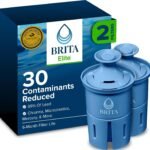
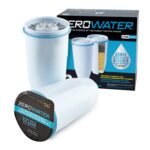
This Brita replacement filter review cuts straight to it: Yes, these filters are worth it if you want cleaner-tasting tap water without a complicated setup. They’re the default for a reason—affordable, easy to find, and they do the job. But you should know the trade-offs before you buy.
High customer satisfaction and trusted brand reputation make this a strong value choice in the standard filter segment.
Price vs. rivals
Typical
CheaperTypicalPricier
Priced at a typical mid-range level for Brita brand replacement filters, comparable to most retail listings.
Ease of use
Excellent 90/100
The replacement filters are very easy to install with simple instructions, making them highly usable for an average person.
Overview
Brita replacement filters slide into the standard pitcher or dispenser and reduce chlorine taste, copper, mercury, and a few other common contaminants. Most people buy them because tap water where they live smells like a swimming pool or leaves a chalky feeling on their teeth. This is the basic solution for that problem.
It’s not a purification system. It won’t handle heavy metals at dangerous levels, and it does nothing for fluoride or bacteria. What it does is improve the taste and smell of municipal tap water fast. If your water comes from a well, look elsewhere—these filters aren’t meant for untreated groundwater.
Key Features
Activated carbon and ion exchange resin – The carbon grabs chlorine and bad tastes. The resin catches things like copper and lead. It’s straightforward chemistry that works well for city water.
Two-month or 40-gallon lifespan – You get about two months of normal use per filter. If your household drinks a lot of water, that 40-gallon mark comes sooner. Mark your calendar when you install one.
Easy twist-on installation – You soak the new filter for ten minutes, twist it into the reservoir, and you’re done. No tools, no plumber, no mess.
White plastic casing – It’s plain, it’s plastic, and it fits every standard Brita pitcher and dispenser made in the last decade. Nothing fancy, but it’s compatible.
Replacement indicator sticker (if your pitcher has one) – Some Brita pitchers come with a little sticker that tracks when you installed the filter. It counts down days. Handy if you forget things like your own birthday.
Fit for You
You fill a coffee maker or electric kettle every morning and want fewer mineral deposits building up over time.
Your tap water has a slight chlorine smell that makes iced tea or lemonade taste like a poolside accident.
You live in a small apartment and can’t install an under-sink or faucet-mounted filter.
You buy bottled water just for drinking but hate hauling cases from the grocery store.
Your kids refuse to drink tap water, so you’re looking for the cheapest way to fix that without a fight.
Uses
Pour tap water into the pitcher, let it pass through the new filter, and drink. That’s the whole process. The real uses show up in the small moments—filling a glass before bed without wrinkling your nose, making soup stock that tastes clean, or pouring water for pets who are picky about their bowl.
It also works for keeping a pitcher in the fridge so you always have cold water ready. That’s where most people find the value: no waiting for a faucet filter to drip, no bottled water stockpile. Just a cold pour.
The catch? You have to stay on top of replacements. A filter that’s a month past its prime still lets water through, but it stops cleaning as well. The taste creeps back.
Experience
Living with a Brita filter is mostly forgettable, which is the whole point. You install it, you forget about it, and your water tastes fine. The first time you twist a new filter into the reservoir, it rattles a little until it’s seated right—just push until you hear it click.
That ten-minute soaking step before installation? It matters. Owners who skip that step end up with water that tastes like carbon dust for the first few pitchers. Soak it, rinse it, then use it.
The filter slows down the water flow a bit, especially when it’s new. Toward the end of its lifespan, it slows noticeably. You’ll stand there holding the pitcher under the faucet longer than you’d like. That’s the signal to swap it.
One small annoyance: the plastic threads on the filter can be stiff, especially if you live somewhere cold. Your fingers may need a little more grip to get an old filter off. A towel helps.
Pros and Cons
Pros
Immediately better taste – The difference is noticeable from the first glass. Chlorine and metallic notes vanish.
Widely available – You can find these filters at grocery stores, drugstores, and online. No hunting for a specific model.
Cheap per gallon – At roughly $0.13 per gallon for a set of four, it’s cheaper than bottled water by a long shot.
Zero installation required – No wrench, no drilling, no plumber. Anyone can do it in under two minutes.
Compatible across many Brita models – The same filter fits the classic pitcher, the slim carafe, and the larger dispensers.
Cons
Short lifespan in heavy-use homes – If four people drink from the pitcher daily, a filter won’t last two months. You’ll replace it closer to every five weeks.
Plastic waste – Each filter is a plastic shell with carbon inside. There’s no recycling program for them in most places. The environmental cost adds up.
It doesn’t filter fluoride – If that matters to you, this isn’t the filter. You’d need a reverse osmosis system or a specialty filter.
Slow flow rate as it ages – A new filter pours fine. A three-week-old filter pours slower. A six-week-old filter tests your patience.
Advantages
The biggest advantage over alternatives is how easy it is to keep using. You don’t have to install a faucet filter that might not fit your tap, or pay for a subscription service. You buy a four-pack and you’re set for eight months.
When you compare Brita vs PUR replacement filters, the main difference is taste profile. PUR filters use a different carbon blend that some people describe as “more filtered.” Brita leaves a cleaner, neutral taste with no aftertaste. Neither is wrong; it’s personal. But Brita filters are simpler to find in most stores and are usually a dollar or two cheaper per filter.
Is Brita water filter worth it compared to buying bottled water? Yes, unless you need something portable. For the fridge or counter, this wins on cost and convenience.
Who Should Buy
City dwellers with municipal tap water – Your water probably has chlorine and maybe some copper from old pipes. This fixes that.
People who want a cheap, low-effort option – If you don’t want to research water chemistry or install hardware, this is your filter.
Anyone looking for the best water filter for pitcher under thirty bucks – There are fancier pitchers with better filters, but they cost more. At this price, Brita earns its spot.
Skip it if: you have well water, want to remove fluoride, or need a filter certified for lead at high levels. In those cases, look at ZeroWater or a solid under-sink system instead.
FAQ
Is the Brita replacement filters worth it?
Yes, for improving the taste and smell of municipal tap water at a very low cost per gallon. If your water is okay but a little flat, this fixes it cheaply.
How long does a Brita standard filter last?
Two months or 40 gallons, whichever comes first. Heavy use cuts that time down. A family of four might replace the filter every five weeks.
What contaminants does the Brita filter remove?
It reduces chlorine taste and odor, copper, mercury, and some particulates. It does not remove fluoride, bacteria, viruses, or dissolved lead at high levels.
Can I use a Brita filter with well water?
Not recommended. Well water can contain bacteria and sediments that Brita filters aren’t designed to handle. You need a filtration system rated for untreated groundwater.
How do I know when to replace the Brita filter?
Your pitcher may have a sticker indicator. Otherwise, watch for slower flow or a return of that chlorine taste. Setting a phone reminder at the two-month mark works fine.
Final Verdict
If you just want tap water to taste clean without spending much money or thinking about it, the Brita replacement filter is the right answer. It’s not fancy, it’s not perfect, and it won’t solve every water problem—but for basic taste improvement, it’s hard to beat at this price.
One thing to keep in mind: you have to commit to changing the filter on schedule. A forgotten filter does nothing useful. Keep a spare pack in the pantry and set that reminder. Do that, and you’ll be happy with your water for a long time.
Brita Replacement Filters vs the Competition in 2026
The Brita Standard filter is the default choice for millions of people, and for good reason — it’s cheap, easy to find, and does the basic job of reducing chlorine taste and smell. But the “best water filter for pitcher” category is crowded, and a few alternatives tackle things Brita doesn’t: lead, copper, or total dissolved solids. This Brita replacement filter review puts the standard white cylindar up against three real rivals so you can decide whether the simplicity is worth the trade-offs.
Doesn’t remove heavy metals like lead or copper; short lifespan (40 gallons)
Everyday tap improvement on a budget
PUR PLUS Pitcher Replacement Filters (4-pack)
~$24
NSF certified for lead and mercury reduction; slightly longer life (40-60 gallons)
Filters slower than Brita; plastic housing feels flimsy
People worried about lead or copper in older pipes
ZeroWater 4-Pack Replacement Filters
~$38
Removes nearly all dissolved solids (TDS meter included); zero taste
Expensive per filter; slow flow; can strip beneficial minerals
Extreme water hardness or weird off-tastes that Brita can’t fix
Soma Pitcher Replacement Filters (6-pack)
~$25
Plant-based filter shell; eco-friendly packaging; reduces chlorine and some metals
Shorter lifespan (30-40 gallons); filter can float in the pitcher
Eco-conscious users who like the carafe design
Brita replacement filters vs PUR: The lead factor
If you’re on city water that’s tested clean, the Brita standard filter is fine. But open the tap in an older house and you’re getting trace amounts of lead and copper — Brita’s white filter doesn’t touch them. PUR’s PLUS filter is certified for lead, mercury, and a handful of other contaminants. That’s the single biggest reason to pay a few bucks more. The catch? PUR pitchers are slower. You’ll stand there waiting while a full pitcher trickles through, and the filter housing is that thin, hollow plastic that feels like it’ll crack if you drop it. Brita’s cylinder is sturdier. So: if your priority is heavy-metal removal, go PUR. If you just want less chlorine taste at a slightly lower cost and faster flow, Brita wins.
Brita replacement filters vs ZeroWater: Overkill or necessary?
ZeroWater filters use a five-stage process that pulls out pretty much everything — lead, chromium, fluoride, even the minerals that give water that light, crisp mouthfeel. The result is water that tastes exactly like nothing. Some people love that (they call it “pure”). Others find it flat and slightly acidic. There’s also the price: a four-pack of ZeroWater filters runs about $38, and each filter lasts maybe 20–30 gallons if your total dissolved solids are high. Brita’s standard filter costs half that and lasts 40 gallons. The Brita replacement filters vs ZeroWater comparison really comes down to your tap’s starting quality. If you have hard, metallic-tasting water that Brita barely masks, ZeroWater is the solution. If your water is decent, you’re throwing money away.
Brita replacement filters vs Soma: The eco angle
Soma filters are made with a coconut‑based carbon shell and come in recyclable packaging — genuine props for the design. They also reduce a few extra contaminants like copper and zinc that Brita’s standard filter ignores. But the lifespan is shorter (about 30–40 gallons), and the filter can bob to the top of the carafe if you pour too fast, which is annoying. Soma pitchers are beautiful — that brushed steel and glass look — but the draw of Soma is the aesthetic and the green cred, not superior filtration. If you want a filter that does the basics while looking good on your counter and makes you feel better about the planet, Soma makes sense. If you just want the cheapest, easiest refill that’s in every Walmart and Target, stick with Brita.
So who should buy the Brita standard replacement filter? Anyone whose primary complaint is “my tap water tastes like a swimming pool,” who doesn’t have lead or heavy-metal worries, and who values low cost and constant availability over exotic contaminant removal. If you’re on a budget or you’re just starting with filtered water, Brita is the right call. But if you’ve got old plumbing, check the PUR PLUS instead — that $3–$4 price difference per filter is small insurance for peace of mind. And if your water is so hard it leaves chalky rings on everything, skip both and grab ZeroWater. Do that, and you won’t be looking for the best water filter for pitcher come next year’s review.
Ready to decide on the Brita replacement filters?
See today’s price, stock and delivery options on Amazon.