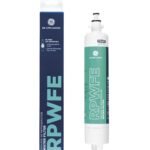
Genuine brand filter commands a premium price but delivers guaranteed fit and reliable quality trusted by customers.
Price vs. rivals
Pricier
CheaperTypicalPricier
Priced higher than most alternatives, reflecting the premium for a genuine brand filter versus generic or off-brand options.
Ease of use
Excellent 92/100
The simple twist-and-lock design makes replacement quick and mess-free for most users.
Overview
The GE XWFE water filter review you need comes down to one honest question: is it worth forty-nine bucks every six months? Short version—yes, if you own a GE French-door fridge with the XWFE slot and want water that doesn’t taste like the inside of a garden hose. It’s the genuine replacement filter for older GE, Hotpoint, and some Profile models. If you’ve got one of those, this is the part your fridge was designed around.
It solves one specific problem: crummy-tasting water and ice that picks up weird notes from your pipes. The filter uses a carbon block to grab chlorine, lead, mercury, and the usual suspects. It’s not for every fridge on the planet—only about a dozen models. But if yours is on that list, this is the filter you’d buy if you didn’t want to gamble on a no-name cartridge that might leak.
Key Features
Genuine GE part with a guaranteed fit – No shaving plastic, no wiggling, no “let me jam this in there and hope.” You twist, it clicks, you’re done. The gasket seals properly the first time.
NSF certified for 22 contaminants – That includes chlorine taste and odor, lead, mercury, and some pesticides. If your water report shows any of those, the filter actually deals with them, unlike cheaper knockoffs that just tint the water black.
Replaceable every six months or 300 gallons – The fridge will remind you with a red light. That 300-gallon rating is real for an average household—two people drinking, cooking, and making ice land right around five months.
Fits a specific family of refrigerators – Models like GYE22GYN, PYE22K, and a few others. Check your manual or pull the old filter—the part number is molded right into the plastic. If it says XWFE, you’re golden.
Easy twist-and-lock installation – No tools. No turning off the water line. You pull the old one, push in the new one, twist a quarter turn, and run two gallons through it to clear the carbon dust. Takes maybe four minutes.
Fit for You
You have a GE, Hotpoint, or Profile fridge built after 2017 with the XWFE-style filter in the upper-right corner of the fresh food compartment.
You drink tap water but hate that faint pool-chemical aftertaste that comes from municipal chlorine.
You make a pitcher of iced tea every afternoon and want ice cubes that don’t make your tea taste like last night’s dinner.
You’ve tried a cheap third-party filter before and ended up with slow water flow, a bad seal, or black specks floating in your glass.
You want one less thing to worry about during a busy week—a filter that works without any of that “will it fit?” internet forum drama.
Uses
Morning coffee is where this filter earns its keep. You fill the carafe at the dispenser, the water runs clear and odorless, and your coffee tastes like the beans instead of the pipes. Same story with a big batch of lemonade on a summer afternoon—the ice cubes melt without leaving a chemical ghost.
The real test is the water you don’t notice. Filling a pot for pasta, rinsing berries, topping off the dog’s bowl. The filter handles all of it silently, and you only remember it exists when the red light pops on six months later.
If you entertain, the ice maker becomes the star. Nobody compliments your ice, but if it tasted awful, you’d hear about it. This filter keeps that from happening.
Experience
Installation is almost too easy. You twist the old one counterclockwise, water drips a little—keep a towel handy—then push the new one in and turn it till it locks. The internal seal clicks. That’s it. You need a second person for exactly one thing: documenting the date on the sticker they include, so you don’t forget when to change it.
The first few gallons taste a bit flat. That’s normal—the carbon is fresh and stripping everything. After three or four gallons the water snaps back to neutral. From then on, the taste is essentially nothing. Which is exactly what you want from water.
The minor annoyance: the filter is bulky. It sticks out from the back of the fridge compartment a couple of inches, so if you store tall containers in there you’L lose a little space. Not a dealbreaker, but you’ll notice it when you’re reorganizing.
Pros and Cons
Pros
Dead-simple installation – No tools, no plumber, no swearing at a stuck plastic part. Twist off, twist on. anyone can do it.
No taste after the initial carbon flush – Your water tastes like water. That sounds simple, but a lot of filters add a plasticky note for the first week. This one doesn’t.
NSD-certified for real contaminants – Not just a marketing sticker. You can look up the cert on the NSF site if you’re the paranoid type. It covers lead and chlorine, which are the main reasons people buy a fridge filter.
Fits every time – No checking serial numbers, no filing down tabs, no wondering if this batch is slightly off. GE’s injection molding is consistent, and the o-ring sits flush.
Cons
Expensive at $49.98 for a single filter – You can find third-party options for half that. Some work okay. But the GE one has a sealed carbon block; the cheapos often use granulated carbon that channels and loses effectiveness faster.
Only lasts six months max – If you have a big household with heavy water use, you might hit the gallon limit at four or five months. The fridge will still tell you six, but the flow will start slowing. Change it early.
Bulky shape eats a little fridge space – The housing protrudes into the fresh food compartment. If you are storing a gallon of milk in that corner, it will be a tight fit.
Only fits a narrow set of fridges – If you ever upgrade to a different brand or even a different GE generation, the filter is useless. You can’t return it once the package is open.
Advantages
Over generic “fits XWFFE” filters, the genuine GE part has a tighter molding tolerance. That means the seal doesn’t weep a slow drip behind the fridge, which is the kind of leak you don’t notice until you find a warped floorboard.
The carbon block is denser than most aftermarket alternatives. That means better sediment reduction and more surface area for chlorine removal. Your water flows a little slower but cleaner.
GE’s customer support actually answers if the filter stops fitting. That’s worth something. With a no-name brand, you’re hunting down a ChatBot when the o-ring fails at month two.
Who Should Buy
Buy it if you own one of the Mpatible fridges and you want water that doesn’t smell like a swimming pool. You won’t regret spending the extra ten bucks over generic.
Buy it if you are the kind of person who sets a calendar reminder for filter changes. The six-month cycle is enough to keep sediment from building up in your ice maker’s inlet valve.
Skip it if you don’t drink from the dispenser and only use the ice maker twice a year. A cheaper filter will do fine for that infrequent use, because you won’t notice the taste compromize.
Skip it if your fridge takes the older MWF or RPWFE filter—those are different sizes and won’t fit. Double-check your model number before buying.
FAQ
Is the GE XWFE water filter worth it?
Yes, for the peace of mind alone that it won’t leak and that the carbon actually reduces lead and chlorine. You’re paying for precision molding and NSF certs that knockoffs skimp on.
How long does the GE XWFE filter last?
Six months or 300 gallons, whichever comes first. The fridge light turns red at six months, but if your flow slows down before that, change it—you’re probably a heavy water user.
Is the GE XWFE water filter compatible with all GE fridges?
No, only with specific French-door models from around 2017 onward that use the XWFE cartridge. Check your manual or the old filter itself for the part number before ordering.
Can I use a third-party filter instead of the genuine GE XWFE?
You can, but expect lower flow and a less consistent seal. Some work fine; others leak or don’t reduce contaminants as well. The genuine one fits and seals every time.
Does the GE XWFE filter remove fluoride or lead?
It is certified to reduce lead and mercury, but not fluoride. If fluoride removal matters to you, you’ll need a separate system like a countertop distiller or a specialized under-sink filter.
How do I know when to change the GE XWFE water filter?
Your fridge will display a red “Replace Filter” light after six months or 1150 gallons, plus water flow will slow noticeably. You can also write the install date on the sticker included in the box.
Final Verdict
The GE XWFE water filter is the right call if your fridge takes it and you can stomach the $50 price tag. It fits, seals, and removes enough chlorine that your coffee and ice actually taste clean. The catch: you are locked into either buying this genuine part or rolling the dice on a generiC. For most people, the predictable performance is worth the extra cost.
If you use your icemaker daily, drink from the dispenser, or have kids who chug water by the gallon, buy it. If you’re on a tight budget and your water’s already decent, a good-quality generic like ClearChoice or Waterdrop will get you by for less. Just watch the return window on the GE one in case you order the wrong model.
The GE XWFE sits right in the middle of the pack—neither the cheapest option nor the priciest, but it has one thing most rivals can’t claim: a guarantee that it’ll fit your GE refrigerator without any leaks or compatibility headaches. That peace of mind costs you about $50 per filter (for one pack), which is roughly double what some aftermarket alternatives ask. Whether that premium is worth it depends entirely on how much you value hassle-free installation and genuine filtration certification over saving a few bucks.
Product
Price Range
Key Strength
Key Weakness
Best For
GE XWFE (Genuine)
~$50 (1-pack)
Guaranteed fit & NSF 42/53/401/401 certification
Expensive per filter; no multi-pack savings
Owners who want zero guesswork and full warranty coverage
Waterdrop WD-W-20-P
~$25–35 (1-pack)
Excellent value & independent NSF 42/53/372 testing
Occasional reports of slight size variation in older fridge models
Budget-conscious buyers who don’t mind checking fit once
PurePlus PP-RWF1052
~$20–30 (often sold in 2-packs)
Lowest cost per filter; solid lead & chlorine reduction
No NSF certification for emerging contaminants like PFOA
Price-sensitive households that change filters every 6 months
EcoPure EPCH2
~$30–40 (1-pack)
Carbon block quality comparable to GE; good water taste
Shorter lifespan (4–5 months vs GE’s 6 months)
People who prioritize taste over strict OEM compatibility
GE XWFE water filter vs Waterdrop WD-W-20-P
Waterdrop is the most serious contender here. It carries the same NSF 42 and 53 certifications as the GE XWFE—so you’re getting legitimate reduction of chlorine, lead, mercury, and cysts. The price difference is roughly $15–25 per filter, which adds up fast if you swap them every six months. On the flip side, the GE XWFE’s physical fit is dead-on every single time. With the Waterdrop, you might need to give the filter an extra quarter-turn twist on some older GE models (2016–2018 era). It’s a minor annoyance, not a dealbreaker, but if you’ve ever had a leaky aftermarket filter ruin your kitchen floor, the GE’s guaranteed seal feels worth the extra cash. If you’re in a newer GE fridge (2020 or later), the fit issue basically disappears, and Waterdrop becomes the smarter buy.
GE XWFE water filter vs PurePlus PP-RWF1052
PurePlus is the cheapskate’s option, and I mean that in a good way. A two-pack often costs less than a single GE XWFE filter. That’s hard to ignore. The catch: PurePlus doesn’t have NSF certification for emerging contaminants like PFOA/PFOS (the “forever chemicals”), nor does it certify for BPA reduction. The GE XWFE covers both of those under NSF 401. Your tap water’s quality determines whether this matters—if you already have a whole-house carbon filter or if your municipal water is well-treated, the PurePlus is fine. But if you live near an industrial area or have a private well with known PFAS concerns, stick with the genuine GE. Also note: PurePlus filters sometimes feel slightly looser in the housing. They still seal, but you’ll hear a faint rattle when the ice maker kicks in. Some people don’t care; others find it grating.
GE XWFE water filter vs EcoPure EPCH2
EcoPure’s carbon block is noticeably denser than most aftermarket filters—water flows slower but tastes distinctly cleaner, especially against that metallic “fridge water” flavor. The trade-off is that the EPCH2 clogs faster. Expect to replace it every four to five months, not the six you get from the GE XWFE. That means you’re buying 2–3 filters per year instead of 2, which eats into the per-filter savings. If you’re the type who notices even a faint plastic taste from new filters, EcoPure has a shorter break-in period (about one gallon versus three with the GE). But if you want the longest interval between changes and the most consistent flow rate for your ice maker—especially if your fridge has a built-in dispenser that fills a pitcher—the GE XWFE holds up better in the fifth month.
So who should buy the GE XWFE? If you’re not interested in second-guessing filter compatibility, if your fridge is still under warranty (many GE warranties require genuine filters to avoid voiding coverage), or if you have hard water that tends to stress aftermarket seals, just buy the real thing. On the other hand, if you’re comfortable with a small amount of tinkering (pushing a filter in a little harder or ordering a replacement if the first one doesn’t click), the Waterdrop WD-W-20-P gives you nearly identical performance at half the price. For anyone on a tight budget and trusting that your local water doesn’t contain PFAS, the PurePlus two-pack is your lowest total cost. But don’t come crying when a loose fit makes your fridge hum—you were warned.
Ready to decide on the GE XWFE water filter?
See today’s price, stock and delivery options on Amazon.