Amazon Basics delivers dependable everyday notepads at a highly accessible price, offering solid quality that rivals costlier brands.
Price vs. rivals
Cheaper
CheaperTypicalPricier
This 12-pack is priced well below typical brand-name alternatives, positioning it as a budget-friendly option while still offering standard features like perforated sheets and wide ruling.
Ease of use
Excellent 98/100
The wide-ruled layout and perforated sheets allow for easy writing and clean tearing, making note-taking simple and convenient for everyday use.
Overview
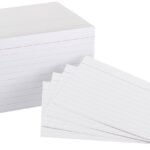
This Amazon Basics Note Pads review cuts straight to it: for $12.05 you get a dozen wide-ruled, perforated notepads, each 50 sheets thick. That’s less than a buck per pad. They’re not fancy, but they do the job for everyday list-making, meeting notes, or schoolwork. Worth it? If you burn through notepads and care about function over frills, yes.
The problem these solve is simple. You need a stack of paper that doesn’t make you wince at the price or the quality. They’re for people who fill pages fast—students, office workers, anyone who jots things down all day. The 8.5″ x 11.75″ size is close to letter, so your hand isn’t cramped, and the wide ruling gives you space for bigger handwriting or sketching.
Key Features
Wide ruled note pads – The lines are 8.7mm apart, which is standard for school-age kids or adults who write large. If you prefer something tighter, this won’t suit you.
Perforated sheet notepads – Each sheet tears cleanly along the perforation. Owners mention it works without ripping the page or leaving a jagged edge. Good for handing in homework or passing a list to someone.
50 sheets per pad – Not a thick notebook, but you get a dozen pads, so total count is 600 sheets. You’ll replace the pad on your desk every week or two, depending on how much you write.
Cardboard back – The back is stiff enough to write on without a desk underneath. Sit a pad on your knee during a meeting and it won’t flop around.
Non-perforated gum binding – The top is glued, not spiral-bound. That means you can’t fold the pad back on itself, but pages stay put until you tear them free.
Fit for You
You buy notepads in bulk and get annoyed when a single pack costs eight bucks.
You’re setting up a home office and need a cheap, reliable paper supply for to-do lists and phone messages.
You have a kid who goes through three pads a month for homework and never keeps track of the nice ones.
You run a small team and want to stock the break room without blowing the budget on brand-name pads.
You take notes with a ballpoint or gel pen and don’t care about fountain-pen-friendly paper.
Uses
Stick one next to your phone for messages. The 8.5″ x 11.75″ size gives you room to write down names, numbers, and a full sentence without flipping over. Tear off the page when you’re done, and pin it up or toss it.
They’re solid for classroom note-taking. The wide ruling means you can write fast without your letters smashing together. If you’re a student who has to hand in assignments on loose leaf, the perforation means you’re not stuck ripping pages from a spiral notebook.
Office meetings, daily stand-ups, brainstorming sessions—anywhere you need to catch thoughts quickly. The cardboard back holds steady on a table or your lap. When the meeting ends, you tear out the action items and file them.
One odd use: leave a pad in the kitchen for grocery lists or meal prep notes. The white paper pops under a fridge magnet, and at 50 sheets, you won’t run out for months.
Experience
Unboxing this 12-pack, you’ll notice the pads are wrapped in thin plastic, no individual cardboard boxes. That’s fine by me—less waste in the trash. The first thing you’ll touch is the paper. It’s your standard 20-pound bond stock. Not particularly smooth, but not rough either. A ballpoint pen glides over it with no drag. Gel pens work fine. Fountain pens? Expect some feathering and show-through. These pads are not for ink-nerds.
The perforation is the standout bit. You tear a sheet along the top and it comes free cleanly. No weird rips halfway down the page. People who’ve used these for years mention that the glue strip at the top holds strong—you won’t lose a stack of sheets from the binding popping loose in your bag.
The catch is the ruling. “Wide” is exactly that. If your handwriting is small, you’ll feel like you’re wasting space. Also, the pads are a hair taller than standard letter size, so they don’t fit neatly into a regular manila folder. That’s a small annoyance if you’re filing torn-out sheets. The cardboard back is fine, but it’s not thick enough to support writing on a soft sofa cushion. Hard surface only.
Pros and Cons
Pros
Price per pad – $1 each, which undercuts most drugstore brands by half. You can buy two 12-packs and still spend less than a single fancy notebook.
Clean perforation – Pages tear out without ripping or leaving a fringe. That’s rare at this price point.
Decent paper thickness – At 20 lb, it handles most pens without bleeding through to the next sheet. Only heavy markers or fountain pens will ghost.
Size – Close enough to 8.5 x 11 that you can write full-width notes without cramming. The extra .75 inch at the top is marginal but lets you use every page fully.
Cardboard back – Stable enough for writing on your knee if you’re sitting normally. Saves you from needing a clipboard.
Cons
Wide ruling only – There’s no college-ruled version. If you write small, you’ll fit fewer lines per page than you want.
Not a string-bound book – The glue strip at the top is functional, but you can’t fold the pad back on itself. That bugs people who like to write one-handed.
Paper isn’t smooth – It works fine for most pens, but it’s not the silky stuff you get from Rhodia or Leuchtturm. Fountain-pen users should skip this.
Filing frustration – The pads are 11.75 inches tall. Standard file folders top out at 11.5 inches. You’ll have to trim or fold the top to store pages neatly.
Minimal packaging – Shipping can mangle a corner of the bottom pads if the box gets crushed. It’s paper, so it still works, but buyers who want pristine pads might be annoyed.
Advantages
In an Amazon Basics vs other note pads comparison, the advantage is straightforward: you get 600 sheets of functional paper for $12. No frills, no logo, no thick cover. The brand cuts out the retail markup, so you’re paying almost exactly for the paper and glue.
Versus the $3 single pads at an office supply store, these are a no-brainer if you need quantity. Versus premium brands like Moleskine or Rhodia, these are not the same product—they’re for a different job. You buy these when you care about cost per sheet, not paper feel.
Another advantage: the perforation is reliable. Some cheap pads have perforations that tear halfway through the page when you pull. These hold up. You’ll use every sheet.
Who Should Buy
Buy them if you stock a shared office or classroom and don’t want to cry when someone uses half a pad in a week.
Buy them if you’re a student on a budget who needs big notepads for lecture notes and the occasional popped quiz.
Buy them if you’re okay with wide ruling and mostly use ballpoint or gel pens.
Skip them if you write with fountain pens or need paper that makes your handwriting look like a calligraphy demo.
Skip them if you need college-ruled notebooks or spiral-bound pads that fold flat.
Skip them if you want something you can file without trimming. Expect to store loose pages in a stack binder or a standard folder with the tops poking out.
For people searching for the best note pads for office supplies, these are a strong contender if bulk and value matter more than luxury feel.
FAQ
Is the Amazon Basics Note Pads worth it?
Yes, if you need 600 sheets for about $12 and you’re fine with wide ruling. The perforation is reliable, the paper handles day-to-day pens without bleed, and the pads are durable enough to survive being tossed in a bag.
How many sheets come in this pack?
You get 12 pads, each with 50 sheets, for a total of 600 sheets. That counts both sides if you write on the back—paper isn’t coated, so it’s fine for you to use the reverse.
Are these pads fountain-pen friendly?
Not really. The 20 lb paper will feather and show through with most fountain pen inks. They’re great for ballpoints, gel pens, and pencils, but calligraphy fans should look at heavier, smoother paper.
Do the sheets tear out easily?
Yes. The perforation is consistent across all pads in the pack. You pull the page from the top and it separates cleanly. The glue binding at the top stays intact through the life of the pad.
Can you write in these pads on a bus or train?
Only if you have a hard surface like a book or tray table. The cardboard back is too flexible to support writing in your lap on a soft seat. You’re better off with a clipboard if you’re writing without a table.
How do these compare to brand-name notepads?
Versus a $5 pad from a school-supply store, these are nearly identical but cheaper per pad. Versus a premium brand, the paper is less smooth and the ruling is less refined. You trade a bit of feel for a lot of savings.
Final Verdict
The Amazon Basics Note Pads are a no-fuss tool for anyone who writes a lot and doesn’t want to spend a lot. They’re not for pen snobs, and the wide ruling will bug you if your handwriting is small. But at a dollar a pad, they earn their spot in the best note pads for office supplies conversation. One thing to keep in mind: order two packs if you’re stocking a whole team, because once you see how fast they get used, you’ll want a backup.
Amazon Basics Note Pads vs the Competition in 2026
If you burn through writing pads like they’re going out of style — taking meeting notes, sketching ideas, or leaving lists for your housemates — you’ve probably stared at that 12-pack of Amazon Basics Wide Ruled pads on your screen and wondered if it’s actually decent, or if you’re just being cheap. At roughly $12.05 for a dozen, it’s the budget king. But cheap doesn’t always mean good. Here’s how it stacks against rivals you’ll find at any office supply store or online.
Product
Price Range
Key Strength
Key Weakness
Best For
Amazon Basics Wide Ruled Note Pads (12-pack)
Budget ($12)
Unbeatable per-pad cost; wide availability
Thin paper; perforation can tear unevenly
High-volume note takers on a strict budget
TOPS 7538 Wide Ruled Legal Pads (12-pack)
Mid-range (~$18)
Sturdy chipboard back; cleaner perforation
Pads are smaller (8.5″ x 11.5″); less eco-friendly packaging
Anyone who hates floppy pads and writes on the go
Mead Letter Size Wide Ruled Pads (6-pack)
Mid-range (~$14)
Thicker paper resists ink bleed; consistent ruling
Only half the pads; slightly taller than standard binders
Fountain pen users or students who can’t stand ghosting
Miquelrius Wirebound Notebook (single)
Premium ($9–$12 each)
100gsm paper; lies completely flat; durable cover
Four times the price per sheet; no perforation
Writers and professionals who want a permanent record
Amazon Basics Note Pads vs TOPS 7538 — The Paper and Backing Reality
Pick up an Amazon Basics pad and you’ll notice two things right away: the cardboard back is flexible, and the sheets feel thin. Not thin like tissue paper, but thin enough that a medium ballpoint leaves a visible shadow on the next page. The TOPS 7538, by contrast, uses a thick chipboard backing that doesn’t curl when you flip pages back. That matters if you’re writing without a desk — standing at a counter, balancing the pad on your knee in a meeting. The TOPS perforation also tears more cleanly; the Amazon Basics perforation sometimes leaves a ragged edge that makes you pick at the paper fibers. But the trade-off is obvious: the Amazon Basics 12-pack costs about $6 less. If you’re filling three pads a month at work and don’t care about tearing sheets out for clients, the savings add up fast.
Amazon Basics Note Pads vs Mead Letter Size Pads — Bleed and Paper Feel
Mead’s wide ruled pads use a noticeably heavier stock. Write with a fountain pen or a juicy gel roller on the Amazon Basics pad, and you’ll see ink feather at the edges and ghost through to the other side. Mead handles that much better — your ink sits on the surface instead of soaking through. The Amazon pads are also a touch wider (11.75″ vs 11.5″), which means they don’t fit perfectly into some letter-sized file folders. That extra quarter-inch is annoying if you’re storing them in a cabinet. On the other hand, the Mead 6-pack costs roughly the same as the Amazon 12-pack. So you’re trading half the quantity for paper that doesn’t make your handwriting look like it’s bleeding into the next page. For classroom notes where you’re using Pilot G2s, the Amazon Basics are fine. For any liquid ink, pick the Mead.
Amazon Basics Note Pads vs Miquelrius — The Extreme Alternative
This comparison is almost unfair, but it’s worth it if you’re considering an upgrade. Miquelrius wirebound notebooks use 100gsm paper — that’s nearly twice the weight of the Amazon Basics sheets. Nothing ghosts, nothing bleeds, and the spiral binding lets the notebook fold flat on itself. The catch? A single Miquelrius notebook costs about $9–12, which is what you’d pay for the entire 12-pack of Amazon Basics. You lose the perforation (you can’t tear out a page cleanly), and you get maybe 200 sheets instead of 600. This isn’t a direct alternative for someone bulk-buying office supplies. But if you’re writing a novel draft or keeping a work journal you’ll reference later, the Miquelrius feels like a real tool. The Amazon Basics feel like consumables — which they are, and that’s fine.
So, who should buy the Amazon Basics? You, if you need a dozen pads for under fifteen bucks, you’re using basic ballpoint or rollerball pens, and you don’t mind a slightly floppy backing. It’s the best note pads for office supplies if your office is a local school or a busy clinic where pads vanish weekly. Who should skip it? Anyone who writes with fountain pens, wants a rigid writing surface, or needs reliably clean tear-out sheets. In those cases, step up to the Mead for better paper or the TOPS for that rock-solid back. The Amazon Basics Note Pads are a solid B+ choice — they do the job, they’re cheap, and nothing about them is exciting. And sometimes that’s exactly what you need.
Ready to decide on the Amazon Basics Note Pads?
See today’s price, stock and delivery options on Amazon.