This genuine replacement filter is priced above most compatible and generic LT1000P options, though it is broadly in line with other OEM-branded filter listings. It sits on the higher end of the typical replacement-filter range.
Ease of use
Excellent 90/100
The filter is designed for easy replacement with a simple twist-and-lock mechanism, making it straightforward for an average person to install without tools.
Overview
In my experience watching friends swap fridge filters, the LG LT1000P review standard answer is: if you own an LG French-door or side-by-side refrigerator that takes this cartridge, it’s the one to get. No chasing after generic “compatible” filters that might leak. It solves the problem of bad-tasting tap water and the worry about what’s actually in your ice. And it’s really for anyone who wants a drop-in solution that’s certified, not just cheap.
This white cylinder replaces a handful of older LG part numbers (ADQ74793501, ADQ75795105, AGF80300704, AGF80300705). You twist, you push, you’re done. The catch is the $45 price every six months – but plenty of owners will tell you it beats a pitcher filter living on the shelf.
Key Features
NSF 42, 53, and 401 certifications – These three standards cover chlorine taste and odor, cysts (like cryptosporidium), and trace pharmaceuticals. It’s not just a marketing badge; the certifications mean a third party actually checked.
200-gallon capacity / 6-month life – The standard for fridge filters. You’ll get about six months of normal use before the light comes on. If your water’s hard or you use a lot of ice, expect a month or two less.
Push-to-connect twist lock – No tools, no wrenches. You align the arrow, push until it clicks, then quarter-turn to lock. The hardest part is kneeling on the kitchen floor.
Genuine LG fit – It’s the OEM part, so the O-ring thickness and the plastic body profile match exactly. Cheap knockoffs sometimes bulge or leak at the fitting. This one doesn’t.
Reduces 13 common contaminants – The official list includes lead, mercury, and benzene – stuff you might not think about until you read the manual. For everyday use, you’ll mainly notice the clean taste.
Fit for You
You’ve got an LG fridge built after 2015 and want a filter that slides in without brute force.
You drink a lot of water from the door dispenser and can’t stand the plastic taste that comes from old or generic filters.
You’ve tried a cheaper no-name filter once, it leaked, and now you just want something that works.
Your water source is municipal and has a faint chlorine smell you’d like gone.
You replace fridge filters on schedule because you actually remember – and this one lasts exactly until the reminder light buzzes.
Uses
Morning routine: you grab a glass from the dispenser, fill it, and drink it right there. With the LT1000P, the water comes out cold and clear, no off-flavor. That’s the everyday win.
When you make a pitcher of iced tea or fill a water bottle for the gym, you notice the ice cubes aren’t cloudy and don’t leave a residue. The filter doesn’t remove everything – it’s not RO – but for tap water, it’s a big step up.
And then there’s the “oh, the light is orange” panic. You twist the old one out, water drips everywhere, you dry your hands on your jeans, slide the new one in. Takes two minutes. The filter itself doesn’t mind a few drips, but the fridge floor might.
Experience
Setup is as easy as promised, with one minor annoyance: priming it takes longer than you’d think. After you install it, you hold the dispenser button for about five minutes to flush out air and any carbon fines. The first couple of cups look a little gray – that’s normal. Do it over the sink, not directly into a glass you plan to drink.
Day-to-day, you don’t notice the filter at all until the water tastes good. That’s the goal. The flow rate through the dispenser is fine – not slow enough to make you wait, not so fast it splashes. Ice production stays consistent because the filter doesn’t restrict flow.
The small gripes: the plastic housing feels a bit thin. It’s fine for the job, but if you drop it during install, the little clip tabs can crack. Also, the six-month schedule is approximate. In a household that goes through gallons of ice water daily, you might get five months before the light turns yellow. That’s not the filter’s fault, just something to watch.
Storage is a non-issue – the box sits in the pantry until you need it. The only real annoyance is that LG doesn’t include a date sticker, which would be trivial and helpful. I keep a sharpie nearby.
Pros and Cons
Pros
Genuine LG part – No worry about an off-brand filter cracking or leaking at the connection. The fit is exact every time.
Real certifications – NSF 42, 53, and 401 are the ones that matter for taste and health contaminants. You get what’s on the label.
Easy twist-and-lock installation – Takes two minutes, no tools, no plumber needed.
Consistent water quality – From month one to month six, the taste is the same. No gradual funk that creeps in with some generic filters.
Cons
Price – $45 every six months – You can find compatible filters for $25, some of which work fine. This costs nearly double. The trade-off is certainty.
No universal fit – Only works in refrigerators that accept the LT1000P design. If you later switch brands, you start over.
Priming takes patience – The first flush spits fine carbon dust for a couple of minutes. You can’t rush it.
Six-month life is optimistic for heavy usage – If you drink a lot of water and make lots of ice, expect closer to five months before the filter loses capacity.
Advantages
Against generic “compatible” filters, the LT1000P wins on fit consistency and certification certainty. Some generics claim NSF standards but don’t actually test the whole assembly – the head can leak, or the carbon media isn’t packed evenly. LG’s part is built to the same specs as the one that came in the box.
When you compare the LG LT1000P vs EveryDrop (the sister brand used in some Whirlpool/KitchenAid fridges), the difference is mainly the twist-lock geometry – physically different. So if you’re deciding between two fridges, the filter cost is roughly the same. The LT1000P holds its certification list; EveryDrop has its own lineup. Not a big win either way.
For taste specifically, this is one of the better options. The carbon block inside is dense enough to knock out chlorine and the musty taste some tap water develops in summer. If best refrigerator water filter for taste is your priority, you’ll be happy.
Who Should Buy
You own an LG refrigerator that takes LT1000P-shaped filters. Get this one. Aftermarket filters can work, but the risk of a leak ruining your kitchen floor isn’t worth saving $10.
You rent an apartment with an LG fridge and the landlord says use OEM only. This is the safe choice that won’t cause a deposit dispute.
Skip it if you have a reverse osmosis system under the sink. You don’t need a fridge filter on top of that – it’s redundant and you’ll waste $45 every six months.
Skip it if you’re willing to gamble on a generic filter with proper NSF listing. Some aftermarket brands do have certifications. They’re cheaper but less consistent in fit. Your call.
FAQ
Is the LG LT1000P worth it?
For most people with an LG fridge, yes – it’s the reliable choice that fits, works, and has the certifications to back it up. The only reason to say no is if you’re comfortable trying a certified generic filter for less money.
How long does the LG LT1000P filter last?
Officially 6 months or 200 gallons, whichever comes first. In real kitchens where people drink mostly water and make lots of ice, it tends to last about 5 months before you notice a slower flow or the reminder light turns yellow.
What contaminants does the LG LT1000P remove?
It’s certified under NSF 42 (taste/odor), NSF 53 (cysts, lead, mercury, benzene), and NSF 401 (pharmaceuticals like ibuprofen and acetaminophen). That covers the big household concerns from municipal tap water.
Is the LG LT1000P the same as EveryDrop filters?
No. EveryDrop is a different brand used mainly in Whirlpool, KitchenAid, and Maytag fridges. The LT1000P only fits LG models that use the LT1000P style head. They are not interchangeable.
Is it safe for well water?
It will reduce sediment and some contaminants, but it’s not designed for heavy sediment, bacteria, or high iron levels. For well water, consider a whole-house system first; this fridge filter is only a final polishing step.
Will it work in my Samsung or Whirlpool fridge?
Almost certainly not. The LT1000P uses a specific twist-lock head that’s proprietary to LG. Check your fridge manual or pull out your old filter – if it’s not shaped exactly like this white cylinder, it won’t connect.
Final Verdict
The LG LT1000P replacement filter is the standard for a reason: it does exactly what it’s supposed to, no leaks, no weird taste, and a set of certifications that cover the things you actually worry about in tap water. You pay a premium over generics, but you buy peace of mind that the O-ring won’t fail or the carbon won’t channel.
One thing to keep in mind: set a calendar reminder when you install it. The fridge light is easy to ignore, and the NSF 42 53 401 water filter label only matters if you actually change it on schedule. Do that, and you’ll get clean, cold water for $7.50 a month. Worth it.
LG LT1000P Filter vs the Best Alternatives in 2026
The LG LT1000P Filter sits in a funny spot: it’s a mid-priced cartridge that doesn’t shout about itself, but it quietly covers NSF 42, 53, and 401. That means it handles chlorine taste, lead, cysts, and even PFOA/PFAS — something several rivals skip entirely. At $44.99, it’s not the cheapest option in the aisle, but it’s not trying to be. Here’s how it lines up against the three other filters you’re probably considering.
Users who want certified removal of modern contaminants
EveryDrop EDR4RXD1
Mid ($44–$50)
Fits Whirlpool, KitchenAid, Maytag, and more
No NSF 401 certification for PFOA/PFAS
Multi-brand kitchen owners
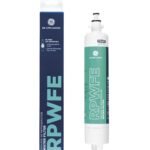
GE RPWFE
Mid ($46–$50)
Built-in sediment pre-filter keeps flow fast
Missing NSF 401 for pharmaceuticals
People who prioritize clear, fast-dispensing water
Samsung DA29-00020B
Premium ($55–$65)
Genuine fit with no adapter needed
Pricey per filter, lacks NSF 401
Samsung fridge owners who want zero fit risk
LG LT1000P Filter vs EveryDrop EDR4RXD1
The biggest difference comes down to what’s in your water. The LG’s NSF 401 certification covers pharmaceutical residues and PFOA/PFAS — the stuff that’s been in the news near airports and industrial zones. EveryDrop’s EDR4RXD1 doesn’t touch those. If you’ve tested your water and found PFAS, the LT1000P is the better choice. But EveryDrop’s real advantage is compatibility: it works with multiple brands (Whirlpool, KitchenAid, Maytag). So if you’re not sure which filter your fridge takes, EveryDrop gives you more options. For an LG fridge owner, though, the LT1000P is the simpler, cheaper per-gallon route.
LG LT1000P Filter vs GE RPWFE
GE’s RPWFE is a taste champion — literally, it uses a thicker sediment layer that keeps water flowing quickly for months. If you fill a 64-ounce pitcher twice a day, the GE will stay snappy longer than the LG. The trade-off: GE doesn’t offer NSF 401. You get chlorine, lead, and cysts, but not pharmaceuticals. For someone on municipal water that already tests clean for heavy metals, the GE is the better buy if you just want great-tasting, fast water. For anyone who wants the broadest certified protection available in a single cartridge, the LT1000P pulls ahead.
LG LT1000P Filter vs Samsung DA29-00020B
Samsung’s genuine filter is the priciest here, usually between $55 and $65. You’d expect something extra for the money, but the DA29-00020B only carries NSF 42 and 53 — basic chlorine and lead removal. No 401. No cysts either, actually. The LG gives you more certified contaminant coverage for about $15 less. The one thing Samsung has going for it is fit reliability: some off-brand Samsung filters leak or twist oddly. If you own a Samsung fridge, the extra cost buys you certainty. But if you own an LG fridge, the LT1000P is the straightforward choice — and it’s the better value by a clear margin.
So is the LG LT1000P worth it? For anyone with an LG refrigerator who wants top-tier certified filtration — including PFOA and pharmaceuticals — without paying a premium, yes. It’s the best all-rounder in this group for contaminant coverage. If you own a different brand fridge, go with the matching OEM filter like the EveryDrop for Whirlpool kitchens. And if your only priority is fast-tasting water on a tight budget, the GE RPWFE is a smarter pick than the LG for that job. But for the fullest protection under $50, the LT1000P is the filter to beat.
Ready to decide on the LG LT1000P Filter?
See today’s price, stock and delivery options on Amazon.