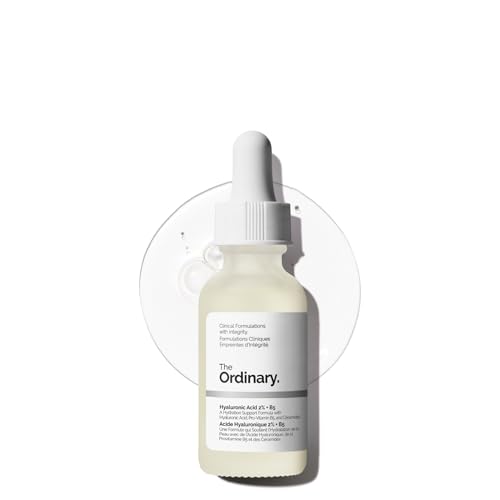
Is the The Ordinary Hyaluronic Acid 2% + B5 serum worth it? At $9.90, yes, if you want a no‑nonsense hydrator that does exactly what hyaluronic acid should do—pull water into your skin. It’s not the only option, but for the price it’s hard to beat. Just know it works best on damp skin, not dry.
The Ordinary delivers clinically effective hydration ingredients at a fraction of the cost of competitors, making it an unbeatable value.
Price vs. rivals
Cheaper
CheaperTypicalPricier
This serum is priced far below most competitors, offering exceptional value for a multi-depth hydration formula.
Ease of use
Excellent 93/100
The serum is straightforward to apply with a dropper and requires no special mixing or equipment, making it very easy for an average person to use.
Overview
This is a straightforward multi‑depth hydration serum. It uses three forms of hyaluronic acid plus vitamin B5 (panthenol) and, in the current version, ceramides. The idea is simple: different molecular weights let the serum work at different layers of your skin, so you get surface wetness and deeper plumping in one dropper.
It’s really for anyone whose skin feels tight after cleansing, looks a little flat, or drinks up moisturizer too fast. If you have dry, dehydrated, or combination skin, this is the kind of product you’ll reach for daily. Oily types can use it too, but you might want a lighter formula in humid weather.
Key Features
Three molecular weights of hyaluronic acid – Low, medium, and high weight molecules. The large ones sit on top and soften; the small ones sink in. That’s the “multi‑depth” promise, and it actually holds up.
Added vitamin B5 (panthenol) – Helps calm irritation and supports moisture retention. If your skin gets red or reactive, this makes the serum gentler than a plain HA.
Ceramides in the current formula – A bonus. Ceramides help patch up your skin barrier so water doesn’t escape as fast. Older bottles didn’t have them; the newer ones do. Check the label.
Water‑based, lightweight texture – It’s a thin, almost watery gel. A few drops spread easily. No silicone, no oil, no greasy film.
Fragrance‑free and alcohol‑free – No stinging, no scent. Good for sensitive skin and for anyone who hates perfume in their face products.
$9.90 price tag – That’s the real headline. You get the same kind of HA blend that costs three times as much from department‑store brands.
Fit for You
You wake up with flakes around your nose every winter and want something that won’t pill under sunscreen.
You have a “skin cycling” routine and need a plain hydrating step that doesn’t interfere with acids or retinol.
You’re traveling to a dry climate or an air‑conditioned hotel and your usual moisturizer isn’t cutting it.
You’ve tried a “plumping” serum before and felt it just sat on your face like glue. This one absorbs faster.
You’re new to hyaluronic acid and want to test it without spending twenty bucks on something you might not like.
You layer serums – it layers cleanly under oil or cream because it dries down slightly tacky, not sticky.
Uses
Morning or night, doesn’t matter. You apply it to a damp face – right after cleansing while your skin is still wet. A few drops, press in gently. Then wait maybe thirty seconds before your moisturizer. If you put it on dry skin, it can feel tight and might even dehydrate you (that’s how HA works: no water around, it pulls from your skin instead).
You can also use it as a boost under a sheet mask. Spread a layer first, then put the mask on. The occlusive sheet traps everything, and the serum helps the mask’s active ingredients penetrate a touch better. Not a necessary step, but a nice cheap upgrade.
In winter or on flights, you can even mix a drop into your moisturizer. Changes the texture a little – thinner, smoother – and gives the cream a hydration kick without a separate layer.
Experience
The dropper works fine. The bottle is glass, which feels sturdy enough for a bathroom shelf. You’ll use maybe three to four drops per application – two for the face, one for the neck. A 30 ml bottle lasts about two to three months with daily use. No strong smell, nothing offensive.
The slight annoyance is the tackiness while it dries. For about thirty seconds after applying, your skin feels a little sticky – not glossy, just… clingy. It fades once you put moisturizer on top. If you’re impatient, you might find that brief window irritating. Another thing: the serum can pill if you overload it or if you’ve just used a strong AHA that leaves a film. Less is more here.
Storage is zero hassle – keep it away from direct sun, screw the cap tight. It’s a simple product that doesn’t ask for fuss. The biggest human detail: you’ll notice your skin looks slightly fuller in the morning after consistent use. Not a dramatic plump like a filler, but that “I drank more water” look. For $10, that’s a decent result.
Pros and Cons
Pros
Real multi‑depth effect – Different molecular weights mean you get surface softness and deeper hydration. You can feel the difference compared to a one‑weight HA serum.
Ceramides included now – Barrier support without a separate product. A free upgrade from earlier versions.
Fragrance‑free and gentle – Even rosacea‑prone skin tolerates it well. No irritation from essential oils or alcohols.
Price is hard to beat – $9.90 for a solid HA serum with B5 and ceramides. Comparable formulas from other brands run $20–$35.
Layers well – Works under makeup, under sunscreen, under oil. Dries down enough that you don’t get a slip‑and‑slide situation.
Cons
Tacky dry‑down window – For about thirty seconds, it feels a bit adhesive. Not a dealbreaker, but you have to wait before the next step.
Must be applied to damp skin – Use it on dry skin and it can backfire, making you feel tighter. That’s user error, but the product doesn’t warn you obviously on the bottle.
Can pill with certain products – If you layer too much or follow with a thick silicone cream, you might get little balls forming. Stick to thin moisturizers or wait longer between steps.
Not a standalone moisturizer – This is a serum, not a cream. You still need a separate occlusive. People new to HA sometimes think it replaces moisturizer. It doesn’t.
Glass bottle is breakable – The dropper bottle is nice, but if you drop it in the shower, it’s gone. No travel‑friendly plastic option.
Advantages
Compared to other drugstore HA serums, this one wins on the three‑weight formulation and the added ceramides. The best hyaluronic acid serum for dry skin at this price point? Likely yes, because dry skin needs both surface hydration and barrier repair, and the ceramides help with that second part.
If you’re wondering about The Ordinary Hyaluronic Acid vs The Inkey List Hyaluronic Acid, here’s the short version: The Inkey List is slightly thicker and has no ceramides, but it’s also $9. The Ordinary gives you more molecular diversity and a lighter feel. Trade‑offs are real – Inkey List has a nicer dropper, Ordinary has better ingredient spread. For dry skin, Ordinary edges ahead.
Another advantage: it’s one of the few cheap serums that actually lists the percentage of HA (2%) and includes B5. Most budget brands keep those numbers vague. The Ordinary doesn’t hide the formula, which builds trust.
Who Should Buy
Buy it if your skin is dry, dehydrated, or prone to tightness after cleansing. Also buy it if you want a budget‑friendly way to test whether hyaluronic acid works for you.
Buy it if you already like The Ordinary’s no‑frills approach and want a hydrating layer that won’t interfere with your actives.
Skip it if you hate any tackiness, even brief. Look for a poly‑or‑saccharide‑based serum that dries instantly, like the Isntree Hyaluronic Acid Toner.
Skip it if you live in a very dry climate and can’t be bothered to apply it on damp skin. In low humidity, HA serums can backfire. A glycerin‑based toner might suit you better.
Skip it if you want a single product that hydrates and moisturizes. This only does the first part – you’ll need to seal it with a cream.
FAQ
Is The Ordinary Hyaluronic Acid worth it?
Yes, at $9.90 it’s one of the best values in skincare. You get a well‑formulated multi‑depth HA with B5 and ceramides, and it performs like serums that cost twice as much. The only catch is you have to apply it to damp skin.
How long does The Ordinary Hyaluronic Acid serum last?
A 30 ml bottle used daily – three to four drops per application – lasts roughly 2–3 months. If you use it only on your face and skip the neck, you might stretch it to 3.5 months.
Is The Ordinary Hyaluronic Acid safe for sensitive or acne‑prone skin?
Yes, it’s fragrance‑free, alcohol‑free, and non‑comedogenic on paper. Sensitive skin tolerates the low‑irritation formula well. Oily and acne‑prone skin can use it without clogging, though a lighter gel might feel less sticky in humid weather.
Can I use The Ordinary Hyaluronic Acid with retinol or vitamin C?
Yes, it layers cleanly. Apply the serum to damp skin, wait a minute, then retinol or vitamin C. The HA won’t interfere. Just don’t mix it directly in your palm – layer instead to avoid pilling.
Does The Ordinary Hyaluronic Acid contain ceramides?
The current version does. The formula was updated to include ceramides alongside the B5. Older stock might not have them, so check the ingredient list on the box. If you see “ceramide NP” near the bottom, you’re good.
What is the best way to apply The Ordinary Hyaluronic Acid 2% + B5?
On a damp face right after cleansing. Dispense 3–4 drops into your palm, press onto skin, let it sit about 30 seconds until somewhat dry, then follow with a moisturizer. That’s the routine that gives the plumping result most people talk about.
Final Verdict
If you need a cheap, effective hyaluronic acid serum that actually hydrates at multiple levels, this is it. The Ordinary Hyaluronic Acid 2% + B5 delivers exactly what the packaging promises – multi‑depth hydration for plumper, smoother skin – for under ten dollars. The ceramides in the latest formula make it even better for dry or barrier‑damaged skin.
The one thing to keep in mind: it’s a serum, not a moisturizer, and it demands damp skin to work properly. Follow those two rules and you’ll get results that beat products at triple the price. For most people, that’s an easy yes.
The Ordinary Hyaluronic Acid Serum vs the Competition in 2026
Price-wise, The Ordinary Hyaluronic Acid 2% + B5 (with Ceramides) sits at the very bottom end of the serum aisle—$9.90 gets you a full ounce. That alone would make it a default pick, but the formula actually does something smarter than most budget serums. It stacks three different molecular weights of hyaluronic acid (so it hydrates at the surface, mid-layer, and deeper) plus ceramides to patch up your moisture barrier. For the price, nothing else in this bracket gives you that multi-depth approach and barrier support. That said, it’s not the only game in town. You’ve got lighter options, pricier mineral-water serums, and drugstore gels that all claim similar results. Here’s how they actually compare when you’re putting them on your face every morning.
Product
Price Range
Key Strength
Key Weakness
Best For
The Ordinary Hyaluronic Acid 2% + B5 (with Ceramides)
~$10
Multi-depth hydration + ceramides for barrier repair
Texture can feel tacky or pill if you rush the layering
Dry, dehydrated skin that also needs barrier support
The Inkey List Hyaluronic Acid Serum
~$9
Very lightweight, fast-absorbing, zero residue
Only one molecular weight; no added ceramides or lipids
Oily or combination skin that wants hydration without any slickness
Vichy Minéral 89 Hyaluronic Acid Serum
~$30
Volcanic mineral water + HA; soothing for sensitized skin
No ceramides, and the price per ounce is three times higher
People with reactive skin who are willing to spend more on a simple, calming hydration
Neutrogena Hydro Boost Hyaluronic Acid Serum
~$13
Gel-like, plumping effect without stickiness
Contains fragrance (some batches); no barrier-repair ingredients
Normal to oily skin that wants a bouncy, cooling gel texture at a drugstore price
The Ordinary Hyaluronic Acid Serum vs The Inkey List Hyaluronic Acid
Both cost about the same, but they’re not interchangeable. The Ordinary’s serum is thicker—it’s almost like a clear, slightly viscous gel that you have to pat in on damp skin, or it’ll sit there and pill if you rub. The Inkey List version is thinner, more watery, and sinks in fast even on dry skin. That makes The Inkey List the better pick if you’re oily or live in a humid climate and can’t stand a tacky phase. But The Ordinary’s formula has ceramides, which The Inkey List skips entirely. If your skin feels tight after washing or you’re dealing with flaky patches from tretinoin or winter air, The Ordinary’s extra barrier support matters more than a silky finish. For a true multi-depth hydration serum for plump skin, The Ordinary wins. For a no-fuss, no-residue hydrator under makeup, go Inkey List.
The Ordinary Hyaluronic Acid Serum vs Vichy Mineral 89
Vichy’s Mineral 89 costs about three times as much per ounce. You’re paying for a fancy mineral water base (volcanic from the Auvergne region) and a formula that’s almost comically simple—just hyaluronic acid and water plus trace minerals. It feels cooling and strange in a nice way, like a thin, slippery toner. But it doesn’t do anything for your barrier. The Ordinary, at a third of the price, gives you ceramides plus three sizes of HA that reach different skin depths. So who actually needs Vichy? People whose skin freaks out at the slightest ingredient—if even The Ordinary’s B5 or ceramide mix makes you red, Vichy might be the only hyaluronic serum you tolerate. For everyone else, especially if you’re seeking the best hyaluronic acid serum for dry skin, The Ordinary is the smarter buy. You’re not paying for a French spa story; you’re paying for actual barrier repair.
The Ordinary Hyaluronic Acid Serum vs Neutrogena Hydro Boost
Neutrogena’s Hydro Boost serum is a drugstore classic for a reason—it has that bouncy, gel-cream feel that immediately plumps fine lines without leaving a film. But check the fine print: it contains fragrance (limonene, linalool, the usual suspects), and it has zero ceramides or B5. If your skin is robust and just needs a quick hydration fix in the morning, Neutrogena works fine and dries down faster than The Ordinary. But for anyone with compromised barrier—think dehydrated skin from over-exfoliation, or irritation from retinoids—that fragrance can sting. The Ordinary’s version is fragrance-free, richer, and tailored to repair as it hydrates. In the debate “is The Ordinary Hyaluronic Acid worth it” vs a $13 drugstore option, the answer hinges on whether you’re hydrating for plumpness alone or hydrating and restoring structural integrity. The Ordinary does both; Neutrogena only does one.
So who should pick The Ordinary Hyaluronic Acid Serum? You, if your skin is dry, tight, or prone to flaking, and you want a serum that tackles hydration at multiple depths while also fortifying your barrier—all for under ten bucks. It’s not the most elegant texture, and you’ll have to apply it to damp skin and wait a beat before the next layer, but the results beat serums costing five times as much. If, instead, you have oily or acne-prone skin and just want a light hit of moisture that disappears, the The Inkey List Hyaluronic Acid is a better match. Or if your skin is so reactive that even a tiny dose of ceramides feels too heavy, Vichy’s Mineral 89 might be worth the splurge. For everyone else in the middle, The Ordinary is the absolute best hyaluronic acid serum for the money in 2026.
Ready to decide on the The Ordinary Hyaluronic Acid Serum?
See today’s price, stock and delivery options on Amazon.