Offers a fun, entry-level collecting experience but the coin contents hold minimal numismatic value relative to the price.
Price vs. rivals
Typical
CheaperTypicalPricier
Priced at $16.49, this falls right in the typical range for a roll of 50 circulated wheat pennies, offering fair value for the condition and variety. It is neither a bargain nor overpriced compared to similar unsearched rolls.
Ease of use
Excellent 95/100
Easy to open and inspect the coins, straightforward for any user.
Overview
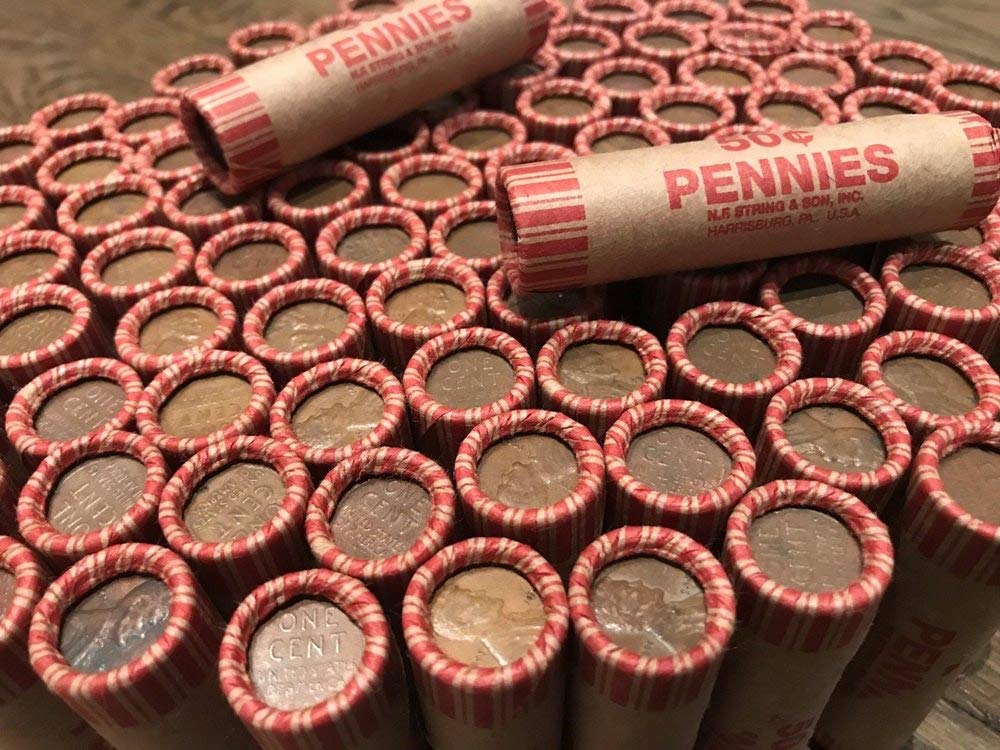
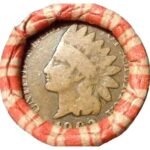
So you’re thinking about buying a roll of wheat pennies. The Wheat Penny Roll review you’re about to read is the honest, no-fluff version I’d give a buddy who asked, “Is this worth $16?” Short answer: if you’re hoping to fund a vacation with a rare 1909-S VDB, probably not. If you want a fun, tactile way to spend an evening sorting through history, and you like the gamble of an unsearched roll, then yeah—this is a solid buy for the price. You’ll get 50 circulated wheat pennies (wheat pennies vs modern pennies review will tell you they’re bigger, heavier, and feel different in the hand) in a paper shotgun roll. Expect common dates, maybe a few decent finds, but don’t bank on hitting the jackpot.
Key Features
50 unsearched wheat cents – No picking through the roll. You get what’s inside, which means every coin is a surprise. This matters because it keeps that “what’ll I find?” feeling alive from the first coin to the last.
Mixed years, circulated Good or Better condition – Most coins are well-loved, with readable dates and decent detail. You won’t find uncirculated gems, but you won’t get slicks that are just copper blobs either.
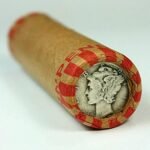
Shotgun-style paper wrap – Classic paper roll that’s easy to open (just tear the end). No plastic, no glue—just pure coin-roll nostalgia.
Common-date composition – The bulk will be 1940s, 1950s, and maybe a few 1930s. Steel cents from 1943 are possible but pretty rare in these rolls. The seller doesn’t cherry-pick, so you take the luck as it comes.
Affordable entry point – At $16.49, you’re paying about 33 cents per coin. That’s higher than face value (obviously), but lower than what you’d pay for individually picked wheat cents at a coin shop. You’re buying the hunt.
Good for a beginner’s starter pack – If you’re wondering about the best coin roll for collecting start, this is a low-risk way to learn grading, date variety, and the feel of pre-1982 copper. No need to drop hundreds on a certified set.
Fit for You
You’re the kind of person who can’t resist checking pocket change and feels a little thrill spotting a wheatie.
You want a tangible, screen-free activity to do with kids—sorting coins beats another video.
You’re a new collector looking for a cheap, unsearched wheat penny roll value test—to see if you even enjoy coin roll hunting before investing in better material.
You like having a small, portable project that fits in a jacket pocket.
You need a last-minute, under-$20 gift for someone who’s into history, nostalgia, or old America.
You’re curious about the is wheat penny roll worth it question and want to settle it with ten minutes and a magnifying glass.
Uses
Friday night, you pour the roll onto a desk, maybe spread a towel to catch rolling coins. Each penny gets a quick look—check the date, look for errors (die cracks, double dies—you probably won’t find any, but you’ll look), then sort into a folder or a coin tube. Takes about 20 minutes for the whole roll.
It’s also a decent companion for a road trip. Open the roll in the passenger seat, stack them by decade, hand the coolest ones to the driver for a quick glance. The paper wrap keeps them quiet; no metal-on-metal clatter.
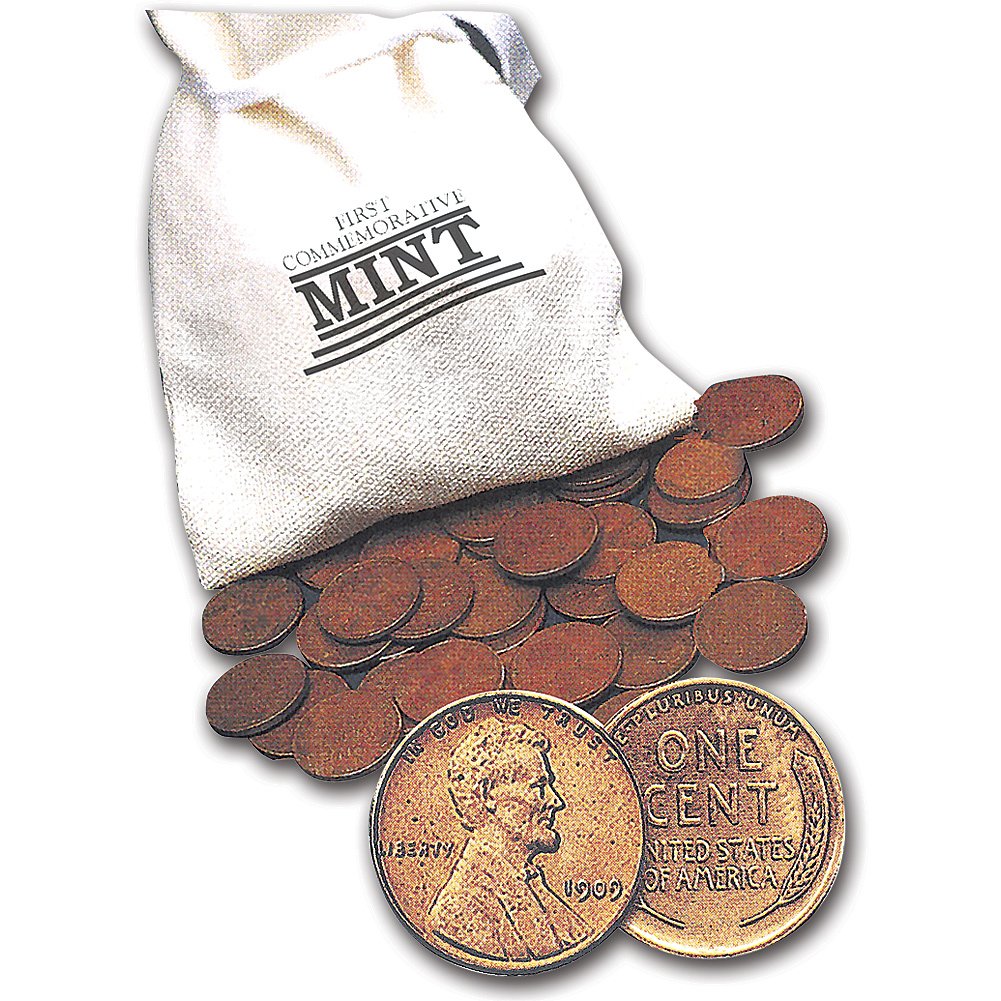
And honestly, they’re just nice to hold. Wheat pennies vs modern pennies review will note the difference in heft—older cents are heavier because they’re 95% copper. Running a finger over the wheatears on the reverse is a small pleasure that a shiny zinc cent can’t match.
Experience
Opening the roll is dead simple. Tear one end, slide out the stack. No sticky residue, no plastic shards. The coins are a little dirty—expect a mix of dark brown, some greenish patina, maybe a few with light corrosion. That’s normal for circulated coins. You’ll want to wash your hands after handling them for a while.
The dates can be tough to read on some coins. A loupe helps. You won’t need any special tools beyond that. I’d budget an extra 20 minutes if you want to check each one carefully. The condition is “Good or Better” as advertised, but “Better” means you can make out the date and the main design. Some are still pretty rough.
The small annoyance? You might get duplicates. A lot of duplicates. In one roll, you’ll likely see five or six 1954-D cents. It’s a roll of common dates, after all. If you’re hoping for a full set of Lincoln cents from 1909 to 1958, you’ll need many rolls. That’s not a flaw of this product—it’s just reality of unsearched, mixed-year shotgun rolls.
Another thing: the paper wrap is thin. If you’re storing it for a while, keep it in a dry place. Damp will stain the coins through the paper.
Pros and Cons
Pros
Authentic unsearched experience – You genuinely get what’s in the roll, no pre-sorting. The best coin roll for collecting start if you want the real feeling of coin roll hunting.
Fair price per coin – At $0.33 each, you’re not overpaying for common wheats. Comparable to buying bulk lots online.
Good variety of decades – Most rolls cover the 1930s through 1950s, so you see a range of designs and wear patterns.
Easy to open and sort – No frustration with glued ends or shrink wrap. Just a traditional paper roll.
Low commitment – $16.49 won’t break the bank. Even if you hate it, you’re out less than dinner out.
Cons
Low chance of truly rare finds – Don’t expect a 1909-S VDB or even a 1914-D. Steel cents are possible but uncommon. The value is in the hunt, not the treasure.
Many duplicate dates – You will see the same mint mark and year several times. It gets old if you’re hoping for variety.
Some coins are borderline slick – A small percentage have dates worn nearly flat. That’s within “Good” condition, but it’s disappointing if you want readable coins.
No guarantee of condition – “Good or Better” is broad. You might get a few that are only Fair. That’s the gamble.
Paper roll can break – If you carry it around, the ends can tear and coins spill. Store it upright or in a baggie.
Advantages
Where this product beats alternatives is in the simple, unfiltered experience. Unsearched wheat penny roll value here isn’t about hitting a big score—it’s about the time you spend looking. A lot of sellers pre-scan rolls with a coin sorter and pull out the good stuff. Not this one, per buyer reports. You’re getting the raw mix.
Compared to buying individual wheat pennies from a dealer, you save on markup. A single common wheat cent on eBay can go for $0.50 to $1.00 with shipping. Here you get 50 for $16.49. That’s a better deal if you just want a pile of old copper to sort.
Versus modern penny rolls (2010+ zinc cents), these are bigger, heavier, and more interesting to look at. A 50 wheat pennies review often mentions how much more character the old coins have—the toning, the wear, the history of someone’s pocket change from the Depression.
It’s also a great conversation starter. Pull out a roll at a family gathering, and suddenly your aunt wants to show you the 1943 steel penny she found as a kid. You’ve got something tangible to share.
Who Should Buy
Buy it if – You’re new to coin collecting and want a low-cost, hands-on introduction. The best coin roll for collecting start for under $20.
Buy it if – You’re looking for a quiet, screen-free evening activity. Sorting 50 wheat pennies is surprisingly meditative.
Buy it if – You want a small gift for someone who likes history or nostalgia. The coins themselves are little time capsules.
Skip it if – You’re a serious collector hunting for key dates. You’ll be disappointed, and you’re better off buying raw lots with known content.
Skip it if – You expect pristine, uncirculated copper. These are circulated, and some are pretty beat.
Skip it if – You’re tight on money and need a sure thing. This is a gamble, not an investment.
FAQ
Is the Wheat Penny Roll worth it?
It is worth it if you value the experience of the hunt over the certainty of value. For $16.49, you get 50 circulated wheat cents with a fair chance of finding a few better-date coins and a genuine unsearched roll feeling.
What is an unsearched wheat penny roll value?
Value is mostly in the copper content (about 3.1 grams per cent, so 50 cents = roughly 155 grams of copper, market value around $1.50) plus whatever numismatic premium the dates carry. Expect maybe $8–$12 worth of coins if resold individually, so you’re paying a small premium for the fun.
Wheat pennies vs modern pennies review: what’s the difference?
Wheat pennies (1909–1958) are 95% copper, heavier, and larger in diameter than modern zinc cents (1982–present). They have a classic reverse design and better weight. Modern pennies feel flimsy and are 97.5% zinc with a thin copper plating.
How many steel cents are in an unsearched roll?
Steel cents from 1943 are possible but rare. Most rolls contain zero. If you find one, it’s usually in worn condition. The seller does not guarantee or predict their presence.
Can you resell wheat pennies from a roll?
Yes, but you’ll likely get pennies each for common dates. A dealer might pay $0.05–$0.10 per common wheat cent if you sell in bulk. Better to keep them for a collection or give them away to kids starting out.
What’s the best coin roll for collecting start?
This Wheat Penny Roll is a strong candidate because of the low price, real unsearched content, and historic variety. Combine it with a cheap coin folder and you have a complete starter kit for under $30.
Final Verdict
The Wheat Penny Roll (50 unsearched circulated wheat cents) delivers exactly what it promises: a cheap, honest, slightly messy stack of history you can sort through yourself. It’s not going to make you rich, and you’ll see a lot of 1950s Philadelphia mint marks. But if you’re buying for the curiosity, the tactility, or the quiet hour spent with a loupe, you’ll get your money’s worth. The one thing to keep in mind: lower your expectations for rare finds, and raise them for the experience itself.
Here’s the thing about unsearched wheat penny rolls: they’re a gamble wrapped in cardboard and tape. The Wheat Penny Roll (fifty coins, mixed years, circulated condition) lands at $16.49 with a 3.7-star average, which puts it right in the middle of a weird market where you’re paying for the thrill of the search as much as the coins themselves. If you’ve been reading wheat pennies vs modern pennies review comparisons, you know the appeal—these are coins with history, not just pocket change. The unsearched wheat penny roll value proposition is simple: you get fifty genuine wheat cents for about 33 cents each, and every roll is a fresh lottery. Some alternatives give you more curation, some give you more coins for the dollar, and some just give you better packaging. Let’s sort through them.
Product
Price Range
Key Strength
Key Weakness
Best For
Wheat Penny Roll (50 Unsearched)
$16.49
True unsearched experience with mixed years
You’ll mostly get common 1940s–50s wheaties with little rarity
Beginners who want the authentic “digging” feel at a fair price
MyPileOfCoins Unsearched Wheat Penny Roll
~$15–18
Often includes older pre-1940 coins in the mix
Packaging is flimsy; coins sometimes arrive dusty
Collectors hunting for specific early wheat dates
Littleton Coin Compny Wheat Penny Collection Roll
~$25–30
Guaranteed Good or Better with some semi-keys
More expensive per coin; less of a “surprise” factor
New collectors who want quality assurance over surprise
Historic Coin Collection Unsearched Wheat Penny Roll
~$12–14
Budet-friendly entry point
Higher chance of damaged or slick coins you can’t read
Kids or casual collectors on a tight budget
Coin Supply Express Wheat Penny Roll
~$16–20
Sturdy shotgun roll packaging that protects coins
Smaller selection of year variety per roll
Collectors who prioritize storage and presentation
Wheat Penny Roll vs MyPileOfCoins: The Surprise Factor
If you’re after that genuine unboxing jolt—the moment you pop the crimped ends and dump fifty wheat cents onto your desk—both the Wheat Penny Roll and MyPileOfCoins deliver the kind of experience you’d write a wheat penny roll unboxing post about. The difference is in what you actually find. MyPileOfCoins tends to throw in more pre-1940 coins, sometimes a bit ratty, but with a better chance of spotting a key date like a 1914-D (don’t hold your breath, but it’s possible). The Wheat Penny Roll is more consistent: you’ll see a lot of 1944, 1945, 1946, 1947, 1948, 1949, 1950s—the usual suspects. That makes it a better bet if you’re filling album slots and don’t want too many duplicates. In a 50 wheat pennies review context, that consistency is either a pro or a con depending on what you want. MyPileOfCoins is the wilder cousin. You might get a 1919. You might get a 1958-D. It’s less predictable, and that’s the draw.
Wheat Penny Roll vs Littleton Coin Company: The Trust Premium
Littleton charges more—around $25 to $30 for fifty wheat pennies—and you’re paying for a guarantee. Every coin is hand-inspected, graded Good or Better, and you won’t find holed, bent, or slick coins in the mix. That’s a real advantage if you’re giving this as a gift or if you’re new and worried about getting burned. But here’s the trade-off: you lose the thrill. A Littleton roll is curated. You know you’re getting decent coins, but you also know nobody accidentally slipped a 1909 VDB in there. The Wheat Penny Roll, at $16.49, gives you the opposite promise: nobody checked. That’s the whole point of an unsearched roll. So if the question is “is wheat penny roll worth it for a beginner who wants quality?”, maybe Littleton. If you want the real experience of sorting through pocket change from sixty years ago, the Wheat Penny Roll wins.
Wheat Penny Roll vs Historic Coin Collection: The Budget Angle
Historic Coin Collection sells a similar unsearched roll for about $12–14, which is tempting when you’re on a budget. But here’s the catch: their rolls have a higher proportion of coins that are slick, worn past readability, or showing damage from circulation. That $14 roll might have 10–12 coins where you can barely make out the date. The Wheat Penny Roll, at $16.49, is more consistent—most coins are readable, most have clear wheat stalks, and you’re less likely to end up with a handful of nondescript copper discs. For a kid starting a collection, or for a classroom activity, the Historic Coin Collection roll is fine. But if you’re actually trying to build a collection of readable wheat pennies, spend the extra two bucks.
So who should pick the Wheat Penny Roll? You, if you want the honest unsearched experience at a fair price with decent condition coins. You’re not paying for curation or promises of rarity—you’re paying for fifty genuine wheat cents from mixed years, most of which you can actually read and enjoy. It’s the best coin roll for collecting start if you want to learn how to sort, grade, and organize without a safety net.
Who should skip it? If you want guarantees—no slick coins, no surprises, and a higher chance of semi-key dates—spend the extra on the Littleton Coin Company Wheat Penny Collection Roll. And if you just want the cheapest possible way to get fifty wheat pennies in your hands and don’t care if some are rough, the Historic Coin Collection Unsearched Wheat Penny Roll will save you a few dollars. But for the middle ground—the spot where price, condition, and the genuine thrill of the search meet—the Wheat Penny Roll is the pick.
Ready to decide on the Wheat Penny Roll?
See today’s price, stock and delivery options on Amazon.