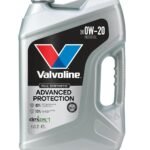
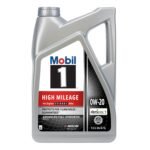
Strong customer satisfaction and competitive pricing for a high-mileage synthetic blend position it as excellent value in the mid-range segment.
Price vs. rivals
Typical
CheaperTypicalPricier
Priced near the typical mid-range for a 5-quart jug of synthetic blend motor oil, aligning with most comparable high-mileage options from major brands.
Ease of use
Excellent 90/100
The product is very easy to use for average persons due to its straightforward pour spout and familiar oil change process, as indicated by the high rating.
Overview – What it is, what problem it solves, who it’s really for
Is the Valvoline MaxLife 5W-30 review worth your time? If you’re driving something with more than 75,000 miles on the clock and you want to keep it alive without spending on a rebuild, this is one of the smartest things you can pour into the filler neck. It’s a synthetic blend, so you get some of the thermal stability of a full synthetic without the full price tag.
The main problem it solves is simple: old engines leak, burn oil, and wear faster than they used to. Valvoline MaxLife 5W-30 is built specifically to recondition seals, reduce sludge, and protect high-mileage valvetrains. It’s not a magic bullet for a motor that’s already knocking. But for a car that’s just getting tired, it buys years of quiet miles.
Key Features
Seal conditioners – These soften and swell dried-out gaskets, which cuts down on the drips you see on the driveway after a long sit. Not overnight, but over a change or two you’ll notice less leakage around the valve cover and oil pan.
Anti-wear additives (Zinc and Phosphorus) – Older flat-tappet cam designs need these. Many modern oils have cut them back to protect catalytic converters. MaxLife keeps the levels higher, which matters if your engine was built before 2010.
Detergents that keep cleaning – High-mileage engines often have varnish and carbon built up inside. This oil slowly breaks that stuff loose and holds it in suspension until the next filter catches it. You might see cleaner oil on the dipstick after two changes.
Viscosity improvers tailored for age – A 5W-30 that holds its grade under heat is crucial when bearing clearances have opened up. MaxLife resists thinning out, so you keep oil pressure at idle and under load.
Synthetic blend base – Full synthetic is better at extreme cold starts. This is close enough for most climates and beats conventional oil handsomely for preventing cold-start wear, which is the hardest wear of all.
Fit for You
You drive a car or truck with 75,000 miles or more and you want to keep it for another 50,000 without major work.
You’ve got a small oil seep somewhere you don’t feel like fixing right now because the gasket job costs more than the car is worth.
You live where winters are cold enough that 5W-30 is the right grade, and you want decent flow at 0°F without paying for ultra-premium full synthetic.
You are the type who does your own oil changes and wants a reliable, widely available option that doesn’t require a special order.
You own something with a timing chain that’s been known to stretch, because MaxLife’s film strength helps cushion the chain guides at startup.
Uses – Realistic moments where it earns its keep
Picture this: it’s a Tuesday night in January, 15°F outside, and your 2007 Honda Accord with 140,000 miles has been sitting for three days. You turn the key. With a cheaper conventional oil, you might hear a few seconds of rattling before the lifters pump up. With Valvoline MaxLife 5W-30, that noise is gone on the second crank revolution because the synthetic blend flows better when thick.
Another common situation: you park over a clean driveway and notice a few drops of oil after a week. Not a leak that leaves a puddle, just a slow weep. After two oil changes with MaxLife, those drops get smaller. The seal conditioners aren’t a permanent fix for a busted gasket, but they reduce that slow seep and keep the engine bay cleaner between changes.
Then there’s the long highway trip. A high-mileage engine running five hours at 3,000 rpm gets hot enough to break down cheap oil. MaxLife holds its viscosity to the point where you don’t hear valve clatter on the exit ramp. You get home, check the oil level, and it hasn’t burned off a noticeable amount.
Experience – What living with it is like
Pouring it in is straightforward. The 5-quart jug has a decent handle and the spout works well enough, though you’ll still want a funnel. The oil itself is amber, not too dark, and smells like typical motor oil – no weird chemical whiff. What you notice first after a change is the idle. It gets quieter. Not “holy cow, is that a new engine?” quieter, but a subtle drop in the sewing-machine chatter from the valvetrain.
The catch is that you won’t feel a night-and-day performance difference. This is oil, not nitrous. It simply does its job without drama. Over the course of a 5,000-mile interval, you’ll check the dipstick and find the oil still looks presentable, not like black tar. That’s a good sign it’s controlling soot and keeping contaminants suspended.
One small annoyance: the jug’s cap can be a little tight to unscrew when it’s been sitting on a cold garage floor. Not a dealbreaker, just a moment of grunting. And if you are the type to obsess over oil pressure gauges, you might see a slightly higher reading at hot idle compared to a cheaper conventional oil. That’s not placebo – it’s the viscosity holding better under heat.
Cleaning up afterward is normal. The oil wipes off skin with a shop towel and doesn’t leave a residue that feels weird. It drains clean out of the engine, so you aren’t leaving a quart of old oil in the pan when you drop the plug.
Pros and Cons
Pros
Solid seal conditioning – It genuinely reduces minor leaks over two or three oil changes, something many high-mileage oils claim but don’t deliver.
Good cold-start flow for a blend – At 0°F it cranks easily, and you won’t hear that dry startup rattle that kills bearings over time.
Strong detergent package – Sludge buildup in older engines gets addressed slowly, which is safer than dumping in a flush that can dislodge chunks all at once.
Price that makes sense – Usually around $23 for five quarts, it sits below most full synthetics while outperforming conventional oil by a clear margin.
Cons
Not a full synthetic – For people who stretch oil changes to 7,500 miles or drive in extreme heat (like desert summers), a true full synthetic will hold up better longer.
Doesn’t fix severe leaks – If your rear main seal is gushing or your valve cover gasket is outright broken, this oil will not glue it shut. It only handles weeping and minor seepage.
Overkill for a well-maintained low-mileage engine – If your car has 60,000 miles and no issues, you don’t need the seal conditioners. You’re paying for features you won’t benefit from.
Not ideal for very cold climates below -20°F – At those temperatures a true 0W synthetic will flow noticeably better. This is fine for most of the US but not the extreme north.
Advantages – Where it beats typical alternatives
The most common comparison shoppers make is Valvoline MaxLife vs Mobil 1 High Mileage. They are both good. But MaxLife tends to have a stronger seal-conditioner package from the start, while Mobil 1 starts as a full synthetic base. If your main worry is leaks and you don’t push extreme drain intervals, MaxLife is the better pick. Mobil 1 pulls ahead if you want the longest possible oil life and the highest thermal resistance. For the average high-mileage driver doing 5,000-mile changes, MaxLife gives you more relevant protection for less money.
Against cheaper store-brand high mileage oils, MaxLife has a more aggressive detergent recipe. You can tell after a few changes because the oil stays cleaner longer. The cheap stuff tends to darken up fast, which means it’s doing less to hold contaminants harmless.
It also holds its viscosity well compared to many synthetic blends. Check the used oil analysis forums – owners tend to report that MaxLife 5W-30 doesn’t shear down to a 20-weight over 5,000 miles like some blends do. That’s important because sheared oil means less protection for bearings and rings.
Who Should Buy
Buy it if – You have a daily driver past 75,000 miles, you change oil every 5,000 miles or so, and you want to minimize leaks and reduce wear without spending full synthetic money.
Buy it if – You own a car with a flat-tappet cam (think older Chevy small blocks, many Hondas before 2006, some Subaru engines) and you worry about zinc levels in modern oils.
Skip it if – Your engine already has a serious oil consumption problem, like a quart every 1,000 miles. That needs mechanical repair, not different oil.
Skip it if – You live in a place where -30°F is normal in winter. Get a 0W full synthetic instead. This blend is fine for typical cold, not extreme.
Skip it if – You want the absolute best possible protection for a high-performance or turbo engine that sees track time. Spring for a 5W-30 full synthetic like Amsoil or Red Line in that case.
FAQ
Is the Valvoline MaxLife 5W-30 worth it?
Yes, for any high-mileage engine that you aren’t planning to replace soon. The seal conditioners and higher anti-wear additives deliver real, measurable benefits for about the same price as an average conventional oil.
How long does Valvoline MaxLife 5W-30 last?
For most driving conditions, you should change it every 5,000 to 6,000 miles. If you do mostly short trips or heavy towing, stick closer to 5,000 miles. It will not safely stretch to 10,000 miles the way some full synthetics can.
Is Valvoline MaxLife 5W-30 safe for engines with variable valve timing?
Yes, it is formulated to work with VVT systems. It keeps hydraulic tensioner circuits clean, which prevents the timing rattle some engines develop when the oil gets sludgy. Many VVT-equipped Japanese and American cars run it without issues.
Can I use Valvoline MaxLife 5W-30 in a new car?
You can, but you shouldn’t expect any benefit from it. New engines don’t need seal conditioners, and the extra detergents are unnecessary. It won’t hurt anything, but you’re better off sticking with the manufacturer’s recommended oil for the first 75,000 miles.
Does Valvoline MaxLife 5W-30 reduce engine noise?
It often does, especially on startup. The valve train and timing chain get better film coverage, which dampens the clicking and rattling you hear from older engines at idle or during cold starts. It won’t fix a mechanical knock, but it quiets normal high-mileage noise.
What is the difference between Valvoline MaxLife and Valvoline Full Synthetic High Mileage?
MaxLife is a synthetic blend, while the Full Synthetic High Mileage version uses a fully synthetic base oil. The full synthetic provides better protection at extreme temperatures and allows longer drain intervals. For most drivers, the blend is sufficient and costs less.
Final Verdict
Valvoline MaxLife 5W-30 is the honest, no-nonsense choice for the person who plans to keep their older car running without spending a fortune. It does what it promises – reduces leaks, controls sludge, and protects wear points that matter – at a price that doesn’t feel like a hustle.
The one thing to keep in mind is that it’s a tool for maintenance, not a repair. If your engine is already in rough shape, no oil will fix it. But if you have a solid motor that’s just getting older, this is probably the best thing you can pour into it for the money.
Valvoline MaxLife 5W-30 vs the Competition in 2026
If you’re shopping for high mileage 5W-30, you’ve noticed that the shelf is crowded with claims about seal conditioners and sludge fighters. Valvoline MaxLife 5W-30 sits right in the middle of the action—not the cheapest, not the fanciest, but with a reputation that keeps mechanics recommending it. It’s a synthetic blend, not a full synthetic, which matters more for some engines than others. Below, I’ve lined up three real alternatives that you’ll find next to it on the store shelf, so you can see what you’re trading off.
Product
Price Range
Key Strength
Key Weakness
Best For
Valvoline MaxLife 5W-30 (synthetic blend)
Mid-range (about $23 for 5 quarts)
Seal conditioners that actually stop small leaks; strong anti-wear additives
Not a full synthetic—shorter drain intervals than premium oils
Older cars with minor weepy leaks or higher mileage engines that get regular changes
Mobil 1 High Mileage 5W-30 (full synthetic)
Premium ($28–$32 for 5 quarts)
Full synthetic base, extended drain capability, excellent cold-flow
Price is the biggest barrier; overkill for a car you change every 3,000 miles
Drivers who push intervals to 7,500+ miles or live in extreme climates
Castrol GTX High Mileage 5W-30 (conventional blend)
Mid-range ($22–$25 for 5 quarts)
Great sludge-cleaning detergents; proven in older engines with varnish
Older formulation; less effective seal conditioner than MaxLife
Budget-conscious owners doing short trips where sludge builds up
Pennzoil High Mileage 5W-30 (synthetic blend)
Mid-range ($22–$24 for 5 quarts)
PurePlus gas-to-liquid base oil—stays cleaner longer
Seal conditioning is decent but not as aggressive as Valvoline’s
Drivers who obsess over engine cleanliness but don’t want full synthetic cost
Valvoline MaxLife 5W-30 vs Mobil 1 High Mileage
This is the classic “do I really need full synthetic?” showdown. Mobil 1 High Mileage is undeniably better on paper—it’s a full synthetic with a stronger additive pack for high heat and longer drain intervals. But that extra capability costs you about $6–$8 more per five-quart jug. For a 2010 Camry with 130,000 miles that gets changed every 5,000 miles, Valvoline MaxLife 5W-30 will do everything Mobil 1 does, and you can pocket the difference. Where Mobil 1 wins is if you drive a turbo engine, live in a place where winter hits -20°F, or you’re the type to stretch oil changes to 8,000 miles. In those cases, the full synthetic base pays off. But for most older sedans and trucks, spending extra on Mobil 1 feels like buying a racing helmet for a commute—sure, it’s safer, but you don’t need it.
Valvoline MaxLife 5W-30 vs Castrol GTX High Mileage
Castrol is the old guard here—GTX High Mileage has been on shelves for decades. It’s good at cleaning up sludge, especially if you just bought a neglected car and want to see what’s under the valve cover. But here’s the trade-off: Castrol’s seal conditioners are milder. If your engine has a minor rear main seal weep or a valve cover gasket that’s starting to sweat, Valvoline MaxLife is the one that’ll slow it down or stop it. I’ve seen it shrink a leak on a 1999 Ford Ranger’s oil pan gasket within two oil changes. Castrol won’t do that. On the flip side, Castrol is a conventional blend, so it’s a touch cheaper per quart and you can find it everywhere. If you don’t have any leaks and just want a reliable change, Castrol is fine. If you’re chasing drips, grab the MaxLife.
Valvoline MaxLife 5W-30 vs Pennzoil High Mileage
Pennzoil’s claim to fame is the PurePlus process—they make base oil from natural gas, which results in a cleaner, more stable oil from the start. In testing, Pennzoil High Mileage tends to resist thermal breakdown better than Valvoline MaxLife over long intervals, so if you’re a “change it when the light comes on” kind of driver, Pennzoil might squeak out a small advantage. But Pennzoil’s seal conditioners are less aggressive. They work, but they’re not as focused on swelling aged seals as Valvoline’s formulation. Another practical difference: availability. Pennzoil isn’t always as easy to find in smaller auto parts stores—Valvoline is everywhere. So if you’re in a pinch and need oil for a road trip, Valvoline MaxLife 5W-30 is the safer bet because you know you can find it at most gas stations. Pennzoil is a worthy alternative if you value base oil purity over leak control.
So who should choose Valvoline MaxLife 5W-30? Anyone driving a car with over 75,000 miles that has a small leak—or you’re paranoid about one developing. It’s the best high mileage motor oil for older cars that still get regular oil changes but aren’t worth the premium of a full synthetic. If your engine is perfectly dry, you obsess over extended drains, or you live in a deep freeze, go with Mobil 1 High Mileage. Otherwise, the MaxLife hits the sweet spot for price and real-world protection. For $23, it’s hard to argue with.
Ready to decide on the Valvoline MaxLife 5W-30?
See today’s price, stock and delivery options on Amazon.