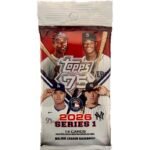
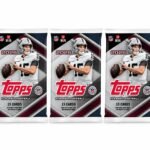
Offers a solid balance of collectibility and affordability for casual and intermediate collectors.
Price vs. rivals
Pricier
CheaperTypicalPricier
Priced above typical retail for a mega box, reflecting strong demand and a favorable 4.1-star rating.
Ease of use
Excellent 95/100
The product is intuitive to open and use, requiring no instructions for an average person to access the cards.
Overview
The 2026 Topps Series 2 Mega Box is a retail-exclusive box that gives you 10 packs of 14 cards each, plus one guaranteed “mega box exclusive” autograph or relic card. It solves the problem of wanting a decent shot at hits without spending hobby-box money — think of it as the mid-range option for someone who wants more than a blaster but isn’t ready to drop $200+ on a Hobby Box.
This is for you if you’re a set builder who also likes the thrill of a potential rookie auto, or a casual collector looking for a fun Friday night rip that doesn’t drain your hobby budget. You won’t find the ultra-rare 1/1 printing plates here, but you’ll get a solid mix of base, inserts, and a real hit. Expect the checklist to mirror the hobby release but with shorter odds on certain parallels.
Key Features
10 packs, 14 cards each — That’s 140 base and insert cards total, which is enough to build a nice chunk of the series 2 set or trade with friends.
One guaranteed autograph or relic card — The big draw. It’s usually a base card parallel with a sticker auto or a jersey swatch, but occasionally you pull a numbered parallel that makes the whole box worth it.
Retail-exclusive pink parallels — These are numbered to 199 and only found in mega boxes. They’re a nice bonus for team collectors and add a little scarcity to your rips.
Five silver pack parallels per box — A separate mini-pack packed inside the box with exclusive chrome-style cards of top rookies. These are hot right now because they’re the same design as the hobby-only chrome versions.
Pack weight and collation are better than blasters — Owners tend to mention that mega boxes feel less “searched” and produce fewer duplicate base cards than the cheaper retail options. Mileage varies, but it’s a perk.
Retail price around $68.31 — At this cost per card, you’re paying roughly 49 cents a card, plus the hit. That’s middle ground — not a steal, not a ripoff.
Fit for You
You want to rip a box with a friend and split the hits, without the awkward “you take the base, I take the relics” argument — the 10-pack structure divides cleanly.
You’re hunting specific 2026 rookies like the top MLB debut stars and want a volume of packs that hobby boxes don’t offer at this price point.
You’re a parent buying for a kid who just got into baseball cards — this box gives enough cards to sort, trade, and organize, with one “wow” hit that makes it feel special.
You collect a particular team and want those pink parallels without buying a multi-thousand-dollar case to get them.
Uses
Saturday afternoon, coffee in hand, you clear the kitchen table. You break the shrink wrap, pop open the box, and the packs slide out in two neat stacks. You rip one pack at a time, sorting into piles: rookies, inserts, potential keepers. The guaranteed hit is tucked in the middle somewhere, so you don’t speed through — you savour the slow reveal.
Later, you realize you’re missing only 15 cards from the 330-card set. You sort the duplicates into a shoebox for trade night at your local shop. The pink parallel you pulled — a short-print of a backup catcher, numbered to 199 — goes into a one-touch case because it’s weird and rare and you like it.
Another scenario: you’re a streamer doing a “Topps Series 2 box break” for your channel. The Mega Box is the perfect length — not too long that viewers get bored, not too short that you feel ripped off. The silver pack parallel inserts give you a second mini-break inside the break. Good for content.
Experience
Opening the box is straightforward: no hidden compartments, no weird tear-strip that fails. The packs are thicker than a standard retail pack, so your fingers get a good grip. The cardboard stock feels standard for 2026 Topps — slightly glossy, prints sharp.
One annoyance: the guaranteed hit is often a sticker auto on a base card, which means the autograph might be slightly off-centre or smudged. That’s a hobby-wide issue, not exclusive to this box, but it’s worth mentioning because you’ll inevitably compare it to the on-card autos from hobby boxes and feel a little shortchanged.
Collation is decent. My friend who buys these regularly says he rarely sees the same base card more than twice across the 10 packs, which beats blasters where you might pull four identical Yasmani Grandals in a row. The silver pack inserts are a nice surprise, but they’re the same design as the hobby chrome, so if you already collect those, you might feel like you’re chasing the same thing in a different wrapper.
Cleaning up is easy: you’ll have a stack of duplicate base cards and wrappers to toss. The box itself is sturdy enough to reuse for storage. One minor gripe — the pink parallels are a little dull in person compared to the bright reds and lavenders in other products. They look better in a top-loader than loose.
Pros and Cons
Pros
One guaranteed hit per box — That’s more than a blaster (where hits are random) and less expensive than a hobby box. It gives you a floor, not just hope.
Silver pack inserts are a legit bonus — These are collectible and tradeable, especially for the top rookies. They add value that many retail boxes don’t have.
Pink parallels are retail-exclusive — If you like low-numbered cards, these are a nice niche. They hold value decently for team and player collectors.
Price per card is reasonable — At about 49 cents a card, you’re paying a fair retail markup over hobby pricing but not getting scalped.
Good for set builders — The 140 cards plus decent collation mean you can finish a significant portion of the base set in one sitting.
Cons
Sticker autos feel cheap — The guaranteed hit is almost always a sticker auto on a base card, not on-card. The ink can be crooked or faded. It’s a letdown if you’re used to hobby quality.
No hobby-exclusive parallels — If you want the rare gold, rainbow foil, or 1/1 Superfractor, you need a hobby box. Mega boxes top out at pink and silver packs.
Box price can fluctuate — At $68.31 on Amazon right now, it’s fair. But if demand spikes, you might see it at $85 or $90, and at that price you’re better off saving for a hobby box.
The “mega box” packaging creates false scarcity — Because they’re made in smaller runs than blasters, some online sellers price them up before you can hit “add to cart.”
No guarantee you get a rookie auto — The guaranteed hit could be a relic of a veteran no one collects. That’s the risk of any sealed product.
Advantages
Where the Topps Series 2 Mega Box wins against blasters and tins is simple: you get a guaranteed hit plus the silver pack inserts. Blasters might give you nothing but base and one boring insert. The Mega Box gives you something to actually photograph for your trade group.
Against hobby boxes, the advantage is price. A 2026 Topps Series 2 Hobby Box runs around $220–$270 on release day. You’re getting fewer packs (typically 24 packs per hobby) but higher hit odds — two autographs or relics plus all the hobby-only parallels. The Mega Box gives you one hit for a quarter of the price. If you’re a casual ripper, that maths works.
If you’re comparing to a “value box” or a blaster (6 packs, no guaranteed hit), the Mega Box is clearly the best baseball card box for collectors who want a middle ground between cheap retail and expensive hobby. It’s the sweet spot for a budget-conscious collector who still wants to feel the rush of a break.
Who Should Buy
The Friday-night ripper — Someone who wants a box to open after work without spending a full tank of gas. This is your box.
The set builder on a budget — You can grab one or two mega boxes and be 60–70% done with the series 2 base set. Then trade or buy singles for the rest.
The flipper looking for quick liquidity — Silver packs and pink parallels sell fast on eBay. You can recoup a decent chunk of the box cost if you’re smart about listing.
Skip this if you’re a high-end collector — If you want on-card autos of superstars, numbered to 10 or less, you’ll be disappointed. Save for a hobby box or a single you actually want.
Skip this if you hate risk — Even with a guaranteed hit, you might pull a $3 relic. If that’ll upset you, buy the singles you want directly instead of gambling on packs.
FAQ
Is the Topps Series 2 Mega Box worth it?
Yes, if you want a single box rip with a guaranteed hit, decent card volume, and a reasonable price. The value drops if the hit is a base relic, but the silver pack inserts usually save the box from being a total loss.
How does the Topps Series 2 Mega Box vs Hobby Box compare?
The Mega Box is cheaper, has a guaranteed hit (sticker auto or relic), and includes retail-exclusive pink parallels and silver pack inserts. The Hobby Box costs about three times more, but gives you two guaranteed hits plus hobby-only parallels like gold and rainbow foils.
What is the 2026 Topps Series 2 Mega Box checklist?
The base set includes 330 cards, covering veteran stars and the top 2026 rookies. The Mega Box exclusive pink parallels are numbered to 199. The silver pack inserts feature the top 100 prospects and rookies in a chrome-style design. Topps usually releases the full checklist on their website around launch day.
Is the Topps Series 2 Mega Box good for a box break?
Yes, it’s a popular choice for casual box breaks because the 10-pack format is short enough to keep viewers engaged and the guaranteed hit gives a focal point. The silver packs also let you run a mini-break inside the break.
What is the Topps Mega Box price?
The listed price is $68.31 on Amazon, but retail prices vary. You might find it for $50–$60 at Walmart or Target, or see it climb above $80 when demand is high. Check multiple sources before buying.
Can you pull hobby-level hits from a Mega Box?
Not really. The highest-end hits in a Mega Box are the pink parallels (numbered to 199) and silver pack autographs, which are retail-exclusive but not as rare as hobby-only rainbow foils or Superfractors. You won’t find 1/1s here unless Topps adds a surprise parallel run.
Final Verdict
The 2026 Topps Series 2 Mega Box is a solid choice if you want a fun, affordable rip with a guaranteed hit, but you have to accept you’re paying for the possibility of a low-end sticker auto. The silver pack inserts and pink parallels do add real value, especially if you flip them quick.
Buy it for the experience, not for the investment. If you go in hoping to pull a $200 rookie auto, you’ll likely be disappointed. But if you want a Saturday afternoon break, a good conversation starter, and a box that won’t wreck your credit card, this is exactly the kind of product that makes collecting fun without the gambling hangover. Just keep your expectations in check — and maybe buy two.
Topps Series 2 Mega Box vs the Competition in 2026
The 2026 Topps Series 2 Mega Box sits in a funny spot. It’s not the cheapest way to rip packs, but it’s not the splurge that a Hobby Box demands. At around $68, you get 5 packs, each with 24 cards, plus a guaranteed auto or relic. That’s a decent hit rate for the price—if you care about the base set and the rookie class. But if you’re chasing parallels or prospect hype, there are better boxes with different trade-offs. Here’s how it lines up against the real options you’d actually consider.
Product
Price Range
Key Strength
Key Weakness
Best For
2026 Topps Series 2 Mega Box
~$68
Guaranteed hit (auto or relic) in every box; good base set checklist
No exclusive parallels; fewer packs than a Hobby Box
Collectors who want one pack of hits and a solid rookie stack without breaking $100
2026 Topps Series 2 Hobby Box
~$250–$350
Two autos per box on average; exclusive silver pack; better odds at numbered parallels
Pricey; you might pull a nobody auto for $300
Serious set builders and investors who want the best per-card value on flagship Topps
2026 Topps Chrome Mega Box
~$100–$150
Refractor parallels; Chrome paper holds value better long-term
No guaranteed auto; fewer base cards per pack
Collectors who prefer shiny, liquid cards and don’t mind rolling the dice on inserts
2026 Bowman Mega Box (Hobby)
~$120–$180
Prospect-heavy; 1st Bowman cards are the lottery tickets of the hobby
No MLB veterans; you’re betting on a 19-year-old in A-ball
Speculators and prospectors who’d rather chase the next Acuña than a known veteran
2026 Topps Series 2 Blaster Box
~$30
Cheapest way to get flagship cards; good for ripping with kids
No guaranteed hit; lower odds of anything rare
Budget collectors who only want base rookies and don’t care about autos
Topps Series 2 Mega Box vs Hobby Box: The Auto Gamble
The big head-to-head is the Mega versus the Hobby Box. You’re paying roughly four times as much for the Hobby, but you’re getting two guaranteed autos instead of one. The Hobby also throws in a silver pack with exclusive parallels—those can be big money if you hit a refractor of a star. But here’s the thing: that extra $200+ buys you a lot of disappointment if the autos are relievers you’ve never heard of. The Mega Box’s single guaranteed hit feels less painful when it whiffs, and it’s actually better for pure base set completion because you get the same checklist in a cheaper package. If you’re a set builder on a budget, the Mega wins. If you’re chasing a single big rookie auto, the Hobby’s volume gives you more cracks—but expect to overpay for the privilege.
Topps Series 2 Mega Box vs Topps Chrome Mega Box
Now here’s where preferences get personal. Chrome cards are glossy, refractor-heavy, and tend to hold value better than the paper stock Topps uses in Series 2. The Chrome Mega Box costs maybe $30–$80 more, but it doesn’t guarantee an auto or relic. You’re paying for the shimmer and the trade value. The Series 2 Mega Box feels more “complete” out of the box—you know you’re getting a hit. But that hit is often a relic swatch of a guy who got cut in spring training. The Topps Series 2 Mega Box review crowd often gripes about junk relics, and they’re not wrong. If you’re trying to flip cards quickly, Chrome is the safer bet. If you just want a fun break with a guaranteed souvenir, the Series 2 Mega Box is fine—just don’t expect to get rich.
Topps Series 2 Mega Box vs Bowman Mega Box (Hobby)
Bowman is the wild child of the hobby. The Mega Box (the Hobby version, not the retail one) costs significantly more—maybe $50–$110 over the Series 2 Mega. You get fewer cards overall, and the checklist is almost entirely prospects. That means if you pull a 1st Bowman of a guy who becomes a star, you’ve hit a jackpot. If you pull a random reliever prospect, your box is essentially junk. The Series 2 Mega gives you known MLB names, team sets, and a shot at a veteran auto you might actually recognize. This is the trade-off: certainty vs upside. If you love the thrill of prospecting and can stomach bad boxes, go Bowman. If you want to rip packs and actually know who’s on the cards without a Google search, stick with the Series 2 Mega Box.
So who should buy the 2026 Topps Series 2 Mega Box? You, if you want one box that delivers a hit, stacks rookies, and costs under $70. It’s the best baseball card box for collectors who aren’t trying to flip everything—they just want a fun rip and a decent shot at a rookie auto. Skip it and grab a Topps Chrome Mega Box instead if you care more about long-term resale value and don’t mind losing the guaranteed auto. Or go with the Hobby Box if you have $300 to burn and a high tolerance for mediocre ink. The Mega Box isn’t the flashiest, but it’s the one I’d hand to a friend who says “I want to open some cards, not a mortgage.”
Ready to decide on the Topps Series 2 Mega Box?
See today’s price, stock and delivery options on Amazon.