Delivers strong protein content at a wallet-friendly price point with solid ratings, making it a dependable everyday pick.
Price vs. rivals
Pricier
CheaperTypicalPricier
Priced slightly above many common protein bar alternatives, likely due to the higher protein content and gluten-free positioning, but still within the mid-to-upper range for comparable 12-count boxes.
Ease of use
Excellent 95/100
The bars are individually wrapped and easy to open, with a familiar texture and taste, making them simple to eat on the go.
Overview: Pure Protein Chocolate Deluxe Review
If you’re looking for a straightforward protein bar that actually tastes like chocolate and doesn’t cost a fortune, the Pure Protein Chocolate Deluxe review you’re reading cuts to the chase: yes, it’s worth buying—especially if you prioritize macros over a candy-bar texture. This bar delivers 21g of protein with minimal sugar, and it’s gluten free. But there are trade-offs.
This is a no‑nonsense bar for people who need a quick protein fix without messing around. It solves the problem of finding a portable, shelf‑stable snack that won’t wreck your diet or your budget. You’ll see it in gym bags, desk drawers, and backpack side pockets—anywhere you need a reliable 200‑calorieish boost. It’s not trying to be a gourmet dessert; it’s trying to be your go‑to when you’re hungry and in a hurry.
Key Features
21 grams of whey protein – That’s enough to support muscle recovery after a workout without needing to chug a shake. The protein blend (mostly isolate and concentrate) absorbs fast, so you’re not left feeling bloated.
Gluten free – Made with no wheat, barley, or rye. If you have celiac disease or a sensitivity, these bars are safe. The facility also handles gluten, so check your own tolerance, but the recipe itself is clean.
Only 1–2 grams of sugar – Sweetened mainly with sucralose and a touch of sugar alcohol. You won’t get a sugar crash, but the sweetness is noticeably artificial—that’s the trade‑off for the low carb count.
12 bars per box, about $1.58 each – At $18.98, you’re paying less than most premium protein bars. For the protein content alone, the cost‑per‑gram is solid. It’s a budget‑friendly option if you buy by the box.
Individually wrapped, no refrigeration needed – Toss one in your bag and forget about it. The wrapper is easy to open (no wrestling with tear‑here strips that never work). Stays good for months at room temp.
Fit for You
You hit the gym after work and need something to eat on the drive home that won’t leave crumbs all over your car seat.
You’re counting macros and want a bar where the protein number is more than double the fat and carbs combined.
You keep a stash in your office drawer for the 3 p.m. slump that’s not worth a vending machine run.
You avoid gluten and are tired of reading labels for twenty minutes in the grocery aisle.
You’re prepping for a long hike or bike ride and need a lightweight calorie source that won’t melt or squish.
You just want a chocolate fix that doesn’t come with 30 grams of sugar and a side of guilt.
Uses: Best High Protein Bars for Post Workout
Right after you finish a session—whether it’s weights, a spin class, or a long run—your body needs protein to start repairing muscle. This bar fits that window perfectly: 21 grams of fast‑absorbing whey, around 200 calories, and a taste that won’t make you gag when you’re still breathing heavy. Throw one in your gym bag and eat it on the walk to the car.
It also works as a meal replacement in a pinch. Not ideal for every day, but when you’re racing between meetings and lunch is a distant memory, this bar will keep you from buying a gas‑station sandwich. The texture is firm and chewy, not gooey, so you can eat it one‑handed while scrolling through emails.
Experience
Unwrapping one, you’ll notice a faint cocoa smell that’s more artificial than a real brownie—think chocolate‑flavored protein powder, not a bakery. The bar itself is dense and chewy, almost like a firm nougat, with occasional crunchy bits (probably soy crisps or cocoa nibs). It doesn’t crumble or leave sticky residue on your fingers, which is a small but real win.
The main annoyance: the sweetness. Sucralose has that lingering aftertaste, and if you’re sensitive to it, you’ll taste it for a minute or two afterward. Some people don’t notice; others find it cloying. The chocolate coating is thin and a little waxy—fine for texture, but not the kind that melts on your tongue. You’ll get through it quickly, and honestly, you’ll probably be glad it’s not bigger. At 1.76 ounces, it’s a modest portion that leaves you satisfied without feeling stuffed.
Storage is zero effort. Keep the box in a cool pantry or your bag. In hot weather, the coating might soften slightly, but it won’t turn into a puddle. No refrigeration needed, no sticky mess. Just unwrap and eat.
Pros and Cons
Pros
High protein, low sugar – 21g protein with only 1–2g sugar means you get the muscle repair without a sugar spike. Hard to beat for the price.
Gluten free and affordable – Most gluten‑free protein bars cost more per bar. These sit at a reasonable $1.58 each, making them a solid weekly staple.
Convenient packaging – The wrapper tears cleanly, the bar doesn’t break apart, and you can eat it without a plate. Perfect for on‑the‑go.
Good macro ratio – About 21g protein, 16–18g carbs, 6–8g fat. That’s a 40‑ish‑30‑ish split, which fits a lot of training diets.
Cons
Artificial sweetener aftertaste – Sucralose is strong here. If you can’t stand that chemical finish, you’ll regret the purchase after two bites.
Not a candy‑bar substitute – The texture is dense and the coating is waxy. Don’t expect a Milky Way. It’s a protein bar first, treat second.
Can be dry – Some bars improve with a sip of water or milk. On its own, the chewiness can feel a bit flour‑like if you’re not ready for it.
Limited flavor variation – The chocolate flavor is decent but one‑note. After a few boxes, you might crave something with more depth or mix‑ins.
Advantages: Pure Protein Bars vs Quest Bars
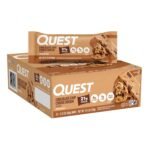
Quest bars are the obvious competitor here, and the differences matter. Pure Protein uses mostly whey protein isolate and concentrate, while Quest relies on a blend that includes calcium caseinate and milk protein isolate. The result: Pure Protein has a simpler ingredient list with fewer gums and fibers. Taste‑wise, Quest bars are chewier and often have a stronger artificial flavor; Pure Protein is a bit more straightforward and less gelatinous. Price also favors Pure Protein—about $1.58 per bar versus $2.00+ for Quest. If you want a no‑frills protein source and you’re okay with sucralose, Pure Protein wins on value. If you prefer a softer, more dessert‑like texture, Quest might edge ahead.
Who Should Buy
Buy it if: You’re on a budget, need 20+ grams of protein on the go, and don’t mind a mild artificial sweetness. Ideal for post‑workout refueling or a pre‑lunch snack.
Skip it if: You hate artificial sweeteners. Try brands like RXBAR or Larabar instead—they use dates and egg whites, though they’re higher in sugar and lower in protein.
Skip it if: You want a bar that tastes like a real chocolate bar. You’re better off with something like Built Bar or a refrigerated option, but they cost more.
Also skip if: You need a dairy‑free option. Pure Protein bars contain milk derivatives. Look at No Cow or Oatmega if you’re vegan or lactose‑intolerant.
FAQ
Are Pure Protein bars worth it?
Yes, for the protein‑to‑price ratio. At under $1.60 per bar with 21g of whey protein and very low sugar, they’re one of the best value options on the shelf. Just be ready for the sweetener taste.
Pure Protein bars gluten free?
Yes, they are certified gluten free. The recipe uses no wheat, rye, or barley, and the bars are manufactured in a facility that handles gluten, but the product itself is safe for most people with celiac or sensitivity.
How long do Pure Protein Chocolate Deluxe bars last?
Look at the best‑by date on the box—typically 10–12 months from production. Once opened, eat the bar within a day or two. Unopened, they stay fine in a cool, dry place for months.
Is Pure Protein Chocolate Deluxe nutrition good for weight loss?
It can fit into a calorie‑controlled diet. With around 200 calories and 21g protein, it’s a satiating snack that helps curb cravings. But it’s still a processed bar, not a whole food—don’t rely on it for every meal.
Can you eat Pure Protein bars before a workout?
Sure, but give yourself 30–45 minutes to digest. The whey protein provides quick amino acids, and the modest carbs offer a bit of energy. Some people find the bar a little heavy right before intense exercise—try a half bar instead.
How does Pure Protein compare to other chocolate protein bar brands?
It’s leaner than most—fewer carbs, less fat, and less sugar than a typical chocolate‑coated bar. The trade‑off is a more artificial taste and firmer texture. If you want a candy‑bar experience, look elsewhere; if you want macros, this wins.
Final Verdict: Pure Protein Chocolate Deluxe Review
The Pure Protein Chocolate Deluxe bar is a smart buy for anyone who values protein per dollar above all else. It’s not a gourmet experience, and the artificial sweetener might bug you, but for post‑workout refueling or a busy‑day snack, it gets the job done without emptying your wallet.
Keep in mind that no bar is magic. You’re paying for convenience and macros, not a culinary masterpiece. If that trade‑off sounds fine, grab a box. If you can’t stomach sucralose or need dairy‑free, pass. For everyone else—this is the $1.50 solution that actually works.
Pure Protein Chocolate Deluxe Bars vs the Competition in 2026
Pure Protein Chocolate Deluxe Bars live in that sweet spot where price meets protein. You get 21 grams of protein for about $1.60 a bar, gluten-free, and a chocolate coating that actually tastes like chocolate. But the texture leans a little dry and crumbly, and the sweetness can feel one-note if you’re used to softer, layered bars. So how do they stack up against the heavy hitters? Let’s line them up side by side.
Product
Price Range
Key Strength
Key Weakness
Best For
Pure Protein Chocolate Deluxe Bars
Budget ($1.50–$1.70/bar)
21g protein, gluten-free, low sugar (2g)
Dry, crumbly texture; can be cloyingly sweet
Post-workout refuel on a tight budget
Quest Chocolate Chip Cookie Dough Bar
Mid ($2.00–$2.50/bar)
Chewy, satisfying texture; 21g protein, high fiber (14g)
Artificially sweetened—some dislike the aftertaste
Anyone who wants a chewy, cookie-like bar with filling fiber
ONE Protein Bar (Maple Glazed Doughnut)
Budget-Mid ($1.70–$2.10/bar)
Soft, dessert-like texture; 20g protein, 1g sugar
Thinner coating; can be too soft/creamy for some
People craving a candy-bar experience without the sugar crash
Built Bar (Chocolate Coconut)
Mid ($2.20–$2.80/bar)
Unique “marshmallow” texture; 17g protein, low cal (130)
Lower protein per dollar; divisive texture
Weight-conscious snackers who hate dry protein bars
Pure Protein Chocolate Deluxe Bars vs Quest Bars
This is the most common showdown. Both pack 21g of protein, but Quest’s texture is where the real difference lives. A Quest bar is chewy in a way that feels like real cookie dough—you can bite into it without fear of shrapnel. Pure Protein’s Deluxe bar, especially the chocolate variety, tends to crumble as you eat. The chocolate coating helps hold it together, but halfway through you’re usually picking pieces off your shirt. Quest also offers a massive 14g of fiber (versus Pure Protein’s 3g), so if you want to feel full for two hours, Quest wins. The trade-off? Quest costs about $0.50 more per bar, and the artificial sweetener taste (sucralose) is more noticeable. Pure Protein uses a blend that’s sweeter upfront but less lingering. For post-workout protein where you just want quick macros and don’t care about the eating experience, Pure Protein is the smarter buy. If you plan to eat the bar as a meal replacement or snack between meals, Quest’s fiber and chew are worth the extra dollar.
Pure Protein Chocolate Deluxe Bars vs ONE Bars
ONE Bars are the closest price rival, often sitting at $1.70–$1.90. Both claim 1g of sugar (Pure Protein says 2g, but it’s negligible). The real split is texture. ONE Bars are soft—almost like a frosted doughnut in bar form. The Maple Glazed Doughnut flavor is notorious for being so creamy it feels dessert-adjacent. Pure Protein’s Chocolate Deluxe is denser, drier, and more traditional protein-bar territory. If you have a sweet tooth and hate chewing through chalk, ONE is your move. But Pure Protein edges ahead on protein per gram overall—21g vs 20g—and it’s noticeably cheaper in multipacks. The catch: ONE bars have a thinner chocolate coating that sometimes melts onto your fingers before you finish. Pure Protein’s coating is thicker and holds up better in a gym bag. So if you’re tossing bars into a backpack for a busy day, Pure Protein is less messy. For a post-dinner treat at home, go ONE.
Pure Protein Chocolate Deluxe Bars vs Built Bars
Built Bar is the oddball here. Their texture is unlike any other—it’s airy and marshmallow-like, dipped in a thin chocolate shell. That makes it a fantastic alternative for people who hate dense protein bars. You get only 17g of protein, but the calorie count is lower (130 vs Pure Protein’s 190). That’s a meaningful difference if you’re cutting weight or just want a snack, not a meal. The built-in weaknesses: Built bars cost more per bar, and the marshmallow core can feel almost too sweet—some flavors taste like a candy bar that forgot to be healthy. Pure Protein’s Chocolate Deluxe is more straightforward: you know it’s a protein bar, it tastes like one, and it’s cheaper. For a post-workout bar where protein density matters, Pure Protein wins. For an afternoon snack that feels indulgent but light, Built Bar is the better call—just don’t expect to be full for long.
So who should buy Pure Protein Chocolate Deluxe Bars? You, if your budget is tight, you want 21g of clean gluten-free protein per dollar, and you don’t mind a bar that’s a little dry and sweet. It’s the best value in the category for refueling after a workout—nothing fancy, just solid macros at a low price. Who should look elsewhere? If texture is your hill to die on, skip these and buy Quest Bars for that chewy cookie experience, or ONE Bars if you want something softer. And if you’re watching calories more than protein, Built Bar offers a lighter alternative that actually tastes like dessert.
Ready to decide on the Pure Protein Chocolate Deluxe Bars?
See today’s price, stock and delivery options on Amazon.