Balances premium protein content and strong customer satisfaction with a reasonable per-serving cost, offering solid value in the mainstream market.
Price vs. rivals
Typical
CheaperTypicalPricier
This product is priced somewhat higher than many standard high-protein shakes, reflecting its premium brand and high ratings, but remains within a competitive mid-to-upper range for 12-packs.
Ease of use
Excellent 95/100
This ready-to-drink shake is extremely easy to use, as it requires no preparation—just open and consume.
Overview
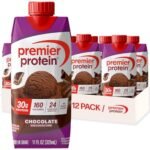
These are ready-to-drink protein shakes with 30 grams of protein, 1 gram of sugar, and 160 calories per bottle. The problem they solve is simple: you need fast protein without measuring powder, shaking a bottle, or cleaning up. They’re for anyone who values convenience above all else and has a tolerance for heavily sweetened, artificially flavored drinks. The catch is that sweetness—some people find it cloying after the first few sips.
Key Features
– This is the headline numbers. For anyone tracking macros, thats a rare ratio in a shelf-stable shake. You can hit your protein target without blowing your sugar budget.
<
– No blender, no shaker cup, no spoon. Twist the cap and its done. Thats the entire “prep.” Great for mornings when you’re already running late.
<
– This isn’t watery like some cheap shakes. Its closer to a thin milkshake. Some people call it a dessert. Others find it too heavy for a morning drink.
<
– Each bottle has 24 vitamins and minerals, including calcium and vitamin D. Its not a replacement for a good multivitamin, but it fills in some gaps if your diet is patchy.
<
– Chocolate is the most popular, and for good reason. The vanilla and caramel are solid too. Bananas and cream is love-or-hate based on how you feel about artificial banana.
– You can keep a case in the pantry or under your desk. No refrigereration needed until you crack one open. That matters if you buy in bulk or pack them for trips.
Fit for You
> >
>
< <
< >
<
>
Uses
>
>
It also shines as a travel or office stash. Throw a bottle in your bag before a long meeting or a flight and you avoid the sad airport snack-bar protein selection. The shelf stability means you can keep a case in your car trunk for emergencies, though summer heat will make them taste weird.
Some people bake with them. You can substitute a bottle for milk in pancake batter or oatmeal. The result is sweeter than usual, so you’ll want to adjust your added sugar. But it works if you need to treat a recipe like a protein delivery vehicle.
Experience
The first thing you notice when you open a bottle is the smell. The chocolate version is unmistakable—like a powdered cocoa mix with a chemical edge. It warns you that this is not a natural product. Then you pour it into a glass and see the thickness: it pours like a thin milkshake, not like milk or water.
Drinking it, the texture is smooth and coating. No graininess, which is a huge win over many dehydrated powders. The flavor is very sweet—think of a chocolate milk that someone added extra artificial sweetener to. It doesn’t taste exactly like chocolate; it tastes like “protein shake chocolate.” After a while you get used to it, but the first few sips can be jarring.
The aftertaste is a thing. Some people report a lingering artificial-sweetener note that stays on the tongue. Others, especially those used to sucralose or acesulfame potassium, won’t notice it. The shake is also quite thick—if you’re not in the mood for something that coats your mouth, you might find it heavy for a 7 AM drink.
Cleaning is trivial. The cap barely touches the liquid; a quick rinse is fine. The bottle itself you toss or recycle. The main annoyance is that you have to shake the bottle before opening because ingredients settle. If you don’t, the first sip is thin and the last sip is a paste of settled powder. It’s a small thing, but forgetful owners complain about it.
Storage is easy because the cases are compact and stack flat. They take up about the same space as a case of soda cans. You do need to store them in a cool, dry place—direct sunlight or high heat can change the flavor noticeably over time.
Pros and Cons
Pros
Macro profile – 30 grams of protein for 160 calories and 1 gram of sugar is hard to beat at this price point.
Convenience – There is no faster way to get a significant amount of protein into yourself. Twist, drink, done.
Price per gram of protein – At roughly $2.67 per bottle for 30g of protein, you’re paying less per gram than most fresh options or premium powders.
Widely available – You can find these in grocery stores, big box clubs, and drug stores. No special ordering required.
Flavor consistency – Every bottle of chocolate tastes identical. No batch variations, no clumps, no surprises.
Cons
Artificial sweeteners – The sucralose and acesulfame potassium blend is strong. If you’re sensitive to that taste, you might find them virtually undrinkable.
Thick consistency – Some people want a thin, refreshing drink after a workout. This is not that. It’s heavy enough to feel like a mini-meal.
Sodium content – 240mg per bottle is not huge, but it adds up if you drink two a day. Watch it if you’re on a low-sodium diet.
Not organic – The ingredients list includes carrageenan, maltodextrin, and soy lecithin. If clean-label eating is your priority, these aren’t it.
The sweetness gets old – Drinking one every day for weeks can make you crave something savory. The flavor fatigue is real.
Advantages
In the Premier Protein vs Orgain shakes comparison, the edge is clear on macros. Premier gives you 30g of protein per bottle compared to Orgain’s 21g, for about the same calories. Orgain uses organic ingredients and stevia, which some find less offensive than artificial sweeteners. But if pure protein-per-dollar is your metric, Premier wins that race.
Better protein-to-cost ratio – At $31.99 per 12-pack, you’re paying roughly $2.67 per bottle. That’s cheaper per gram of protein than most organic or plant-based RTD shakes.
Lower sugar than many competitors – 1 gram of sugar vs 5–10 grams in many similar shelf-stable shakes. This matters for weight loss and blood sugar management.
More protein per ounce – Some rival shakes give you 20g in 11 ounces. Premier packs 30g into 11 ounces. Less volume, same protein.
Shelf-stable without preservative taste – Compared to generic store-brand shakes, the flavor here is consistently better. You don’t get that “cardboard” note.
Who Should Buy
People who have a protein target to hit every day and don’t want to cook meat or clean blender jars.
Anyone doing serious weight training or high-volume endurance work who needs quick recovery fuel.
Travelers who need a reliable protein source at airports, hotels, or road stops.
Weight-loss dieters who need a sweet liquid that satisfies a craving without ruining their daily sugar limit.
People who already drink protein powders but hate the mess and graininess of home-mixed shakes.
Who should skip it: anyone who intensely dislikes artificial sweeteners, people on a strict clean- or organic-only diet, and those who want a thin, hydrating post-workout drink. For those cases, consider a plain whey isolate powder or an unsweetened plant-based RTD like Evolve or OWYN.
FAQ
Is the Premier Protein Shakes worth it?
For the protein-to-calorie ratio and the grab-and-go convenience, yes—particularly if you’re trying to lose weight or build muscle without spending time on prep. The trade-off is the strong artificial sweetness, which not everyone tolerates.
What are the Premier Protein 30g protein shake nutrition facts?
Each 11-fluid-ounce bottle contains 160 calories, 30 grams of protein, 1 gram of sugar, 6 grams of carbohydrates, 2.5 grams of fat, and 240 milligrams of sodium. It also includes 24 added vitamins and minerals like calcium, vitamin D, and iron.
Are these shakes good for weight loss?
They can be, if you use them to replace a meal or as a high-protein snack between meals. The 30 grams of protein helps keep you full, and the 1 gram of sugar keeps insulin spikes low. But they are not a magic solution—calories still count.
How long do Premier Protein shakes last unopened?
The shelf life is about one year from the date of manufacture when stored in a cool, dry place. Always check the “best by” date printed on the box. Once opened, you should drink it within a few hours and keep it refrigerated.
What are the Premier Protein shake ingredients?
The main ingredients are calcium caseinate and whey protein concentrate as the protein sources, along with water, cocoa powder (for chocolate), and sunflower oil for texture. The sweeteners are sucralose and acesulfame potassium. It also contains vitamin and mineral premix, and carrageenan as a thickener.
Is this chocolate protein shake review consistent with other flavors?
Generally yes. The chocolate is the most popular flavor for its milkshake-like profile. Vanilla and caramel are also well-liked. The fruit flavors—like strawberries and cream—tend to be more polarizing because the artificial fruit taste is more pronounced.
Final Verdict
If you need reliable, fast protein and you’re okay with a sweet, thick drink made with artificial ingredients, this is one of the best values in the ready-to-drink category. The combination of 30 grams of protein and 1 gram of sugar per bottle is genuinely hard to find elsewhere at this price. The convenience alone saves you minutes of prep and cleanup every day.
The one thing to keep in mind: buy a single bottle before committing to a case. The sweetness and texture are dealbreakers for some people, and it’s a shame to be stuck with 11 bottles you don’t enjoy. For everyone else, these earn a spot in the pantry.
You’ve probably seen the shelf of chocolate protein shakes at the store and wondered: which one actually tastes good without a laundry list of weird ingredients? The chocolate Premier Protein shake has been a staple of the ready-to-drink aisle for years, and it’s still a solid bet. It packs 30 grams of protein, 1 gram of sugar, and 160 calories per bottle, which hits a sweet spot for anyone trying to lose weight or just get through a busy afternoon without a crash. But a few real alternatives give it real competition, and the differences matter more than you’d think.
Product
Price Range
Key Strength
Key Weakness
Best For
Premier Protein 30g (Chocolate)
Mid (~$2.67/bottle)
High protein, low sugar, decent chocolate flavor
Thinner texture, slight artificial aftertaste
Weight loss, post-workout, anyone who needs 30g protein without sugar
Lactose intolerance, people who can’t handle artificial sweeteners, smooth texture lovers
Premier Protein Shakes vs Orgain Organic Shakes
Trying to decide between these two usually comes down to how you feel about plants and protein numbers. Premier Protein uses milk protein concentrate and gets you 30g per shake, while Orgain uses pea and brown rice protein and tops out at 20g. That’s a full third less protein in the same size bottle. If you’re using these for weight loss or serious gym recovery, the gap is huge. But Orgain’s ingredient list is shorter and its organic seal matters to some people. The flavor difference is real, too – the Orgain chocolate tastes sweeter (like a dessert milkshake) and has a grittier texture that coats your tongue. Premier’s version is thinner, with a mild fake-chocolate note that reminds me of a low-sugar hot cocoa packet. If you’re doing the “Premier Protein vs Orgain shakes” comparison because you want something more natural, you’re trading 10g of protein per bottle for peace of mind with those organic ingredients. For weight loss, Premier wins easily.
Premier Protein Shakes vs Muscle Milk Pro 32
These two are the closest in concept, but they feel completely different in the mouth. Muscle Milk Pro 32 has 2 extra grams of protein but also 50 more calories, which come from extra fat and a thicker base. If you drink them side by side, Premier slides down like a thin chocolate milk, whereas Muscle Milk coats your mouth and leaves a heavier aftertaste of cream and artificial sweeteners. That thickness helps if you want a shake that feels like a meal replacement, but it’s also the reason some people dislike it after a workout – it can sit in your stomach like a brick. Premier’s lighter texture makes it easier to drink right after a run or during a busy morning. When it comes to sugar, both are under 2g, so that’s a tie. Price per bottle is nearly identical, so the choice is really about whether you prefer a thicker or thinner shake for your specific situation. If you’re looking at the “best protein shakes for weight loss”, the extra calories in Muscle Milk make Premier a smarter pick.
Premier Protein Shakes vs Fairlife Core Power 26g
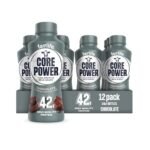
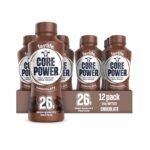
This is where the texture argument gets interesting. Fairlife Core Power uses ultra-filtered milk that removes lactose and concentrates the protein naturally, which gives it a completely smooth, clean taste with no chalkiness or aftertaste. Premier’s chocolate shake, by comparison, relies on more processing and artificial sweeteners (sucralose and acesulfame potassium) to hit the 30g protein with only 1g sugar. The result is that Fairlife tastes more like real chocolate milk – it’s the shake for people who say they hate protein shakes. But you’re paying about 25–30% more per bottle for that luxury, and you only get 26g of protein. That 4g difference is meaningful if you’re counting macros precisely for weight loss or bodybuilding. Also, Fairlife’s higher price per serving adds up fast. Premier Protein shake vs this rival boils down to a simple trade-off: more protein and less cost with a mildly artificial finish (Premier) versus a smoother, lactose-free experience that cuts your protein by 4g and your wallet a little harder. If you’ve got a sensitive stomach or hate aftertastes, go Fairlife.
Who should buy the Premier Protein Shake
If your goal is weight loss, you’re counting protein grams like they’re cash, and you want the most efficient 30g per bottle without spending a fortune per case, pick the Premier Protein Chocolate. It’s also the right call if you’re okay with a thinner shake and don’t mind the faint artificial sweetener note. But if you’re plant-based, need lactose-free milk, or you’d rather drink something that tastes indistinguishable from refrigerated chocolate milk, skip Premier and grab Fairlife Core Power or Orgain. The “is Premier Protein worth it” question usually comes down to whether you value protein density and price over mouthfeel and ingredient minimalism. For most people trying to lose weight or build muscle on a reasonable budget, it absolutely is.
Ready to decide on the Premier Protein Shakes?
See today’s price, stock and delivery options on Amazon.