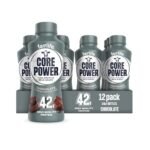
This Core Power protein shake review cuts straight to it: the Core Power Chocolate Protein Shakes are worth buying if you want a ready-to-drink recovery shake that actually tastes like chocolate milk instead of chalky protein goo. They’re smooth, they’re effective, and they cost about $3.50 per bottle. But they’re not for everyone, and the price adds up fast.
The excellent taste, high-quality protein source, and strong customer satisfaction justify its premium pricing in the recovery drink category.
Price vs. rivals
Pricier
CheaperTypicalPricier
Priced above typical mid-range protein shakes due to the premium Fairlife brand and ultra-filtered milk, but still within a competitive range for high-quality ready-to-drink options.
Ease of use
Excellent 95/100
The product is a ready-to-drink bottle that requires no preparation, making it extremely easy to consume for an average person.
Overview
Core Power is made by Fairlife, the dairy brand that uses a special filtration system to concentrate milk protein and remove some of the lactose. These 14-ounce bottles pack 26 grams of protein, 150 calories, and about 9 grams of sugar each. The whole idea is simple: drink one after a workout when your muscles need fuel, without having to blend anything or wash a shaker cup.
This is for people who actually use protein shakes for recovery and want something that doesn’t feel like a chore to finish. It’s not a weight-loss shake, not a meal replacement, and not a pre-workout jolt. It’s milk protein in a bottle, designed to get into your system fast and taste good doing it.
Key Features
Ultra-filtered milk base – Fairline filters out much of the lactose and concentrates the protein naturally, so the shake has a clean, dairy-forward taste without the syrupy artificial feel of many competitors.
26 grams of protein per bottle – That’s a solid post-workout dose for most people, enough to kick-start muscle repair without overloading your gut after a hard set.
14 fluid ounces per serving – These are bigger than the typical 11-ounce protein shakes, so you get a fuller, more satisfying drink that actually feels like you had something substantial.
Three grams of carbs from sugar – The sugar comes from lactose remaining after filtration, not added sweeteners. It’s moderate, so it fits most macros without tasting like a dessert.
Ready to drink, no refrigeration needed until opened – You can stash a case in your gym bag, office drawer, or car trunk for weeks and it stays fine. Open one and you’ll want to finish it within a few hours if kept cool.
Pack of 12 for about $41.88 – That works out to roughly $3.49 per bottle, which is mid-range for premium RTD shakes. Cheaper than fresh smoothies, pricier than powder.
Fit for You
You finish a workout and want protein within the next 30 minutes, but you don’t want to stop and mix powder or rinse a blender.
You’re tired of chalky, artificially sweetened protein shakes and just want something that tastes like chocolate milk with less sugar.
You travel often for work or sports and need a protein source that won’t spill in your bag, won’t go bad, and doesn’t require a fridge until you crack it open.
You have mild lactose sensitivity and react better to filtered dairy shakes than standard whey or casein powders.
You pack lunches or school bags and want a kid-friendly protein drink that doesn’t scream “diet food” or taste like a chemistry experiment.
Uses
This is a protein shake for muscle recovery you grab after a heavy lifting session, a long run, or a grueling spin class. That’s the sweet spot. You rip open the lid, chug it in the locker room or on the drive home, and you’re done.
It also works as a between-meals snack when you’re crunched for time. Not a meal replacement—don’t pretend a 150-calorie shake is lunch—but it’ll shut down the hangry beast for a couple of hours if you’re stuck in back-to-back meetings.
Some people use it as a coffee creamer substitute. Pour a splash into your morning brew instead of milk or half-and-half and you get a protein boost without the weird clumps that whey powder leaves in hot liquid. It works surprisingly well, though it thins the coffee a bit.
The one place it falls short is as a post-cardio hydration drink. It doesn’t have electrolytes in any meaningful quantity, so if you just ran 10 miles in summer heat, you still need water or a sports drink alongside it.
Experience
Living with a case of these is easy. They come in a solid plastic bottle with a screw cap that seals tight, so you can throw them in a bag without worrying about leaks. Opening them for the first time takes a little torque, but not a fight.
The texture is where this shake wins. It’s thin, not thick like a protein smoothie. You can drink it fast without feeling like you’re chewing a shake. No graininess, no chalkiness, no weird lumps. It’s genuinely smooth, almost like regular milk but a tiny bit richer. If you’ve ever had Fairlife milk, you know the flavor profile—slightly sweeter and creamier than store-brand milk, with no artificial aftertaste.
The chocolate flavor is mild, not intensely cocoa-heavy. It tastes more like chocolate milk than a protein shake, which is the point. But if you want a dark, bitter chocolate hit, this isn’t that. It’s sweet, kid-friendly chocolate.
Storage is simple. Keep the case in a closet or pantry. Once you open a bottle, you need to drink it within a few hours or refrigerate it. If left out overnight, it’s a gamble—dairy products don’t play around.
The small annoyance: the bottle is 14 ounces, which is bigger than the standard 11-ounce shake bottle. That’s great for fullness, but it doesn’t fit in some car cup holders. Measure your cupholder depth before tossing one in the door pocket.
Cleaning is basically nothing. You drink it, you recycle the bottle. That’s the whole ritual. No shaking, no blending, no rinsing a leaky shaker cup that smells like sour milk three days later.
Pros and Cons
Pros
Tastes like real chocolate milk – That’s the headline. It’s smooth, not chalky, and doesn’t leave that fake sweetener coating on your tongue.
Fits most diets easily – 26 grams protein, 150 calories, reasonable sugar. It slots into a cut, a bulk, or maintenance without math.
Travels well and needs no prep – Room-stable until opened, sealed tight, grab-and-go. As close to zero effort as a protein shake gets.
Gentler on sensitive stomachs – The filtration removes much of the lactose, so people who bloat on standard whey often tolerate this fine.
Cons
Pricey per serving compared to powder – At $3.49 a bottle, it costs about three times what a serving of whey powder runs. You pay for convenience and taste.
Not great for low-sugar or keto diets – Nine grams of sugar per bottle comes mostly from lactose. That’s not huge, but if you’re strict under 20 grams of carbs a day, it’s a big chunk.
Chocolate flavor is mild, not bold – This isn’t a rich dark chocolate experience. It’s closer to a regular carton of chocolate milk. Some people want more punch.
Plastic bottle waste – Each serving creates a recyclable but single-use bottle. If you’re trying to cut plastic consumption, this won’t help.
Advantages
The biggest advantage Core Power has over the rest of the RTD shelf is taste and texture. Most protein shakes in this category use whey or casein powders dissolved in water, with gums and emulsifiers to fake a creamy mouthfeel. Core Power starts with actual milk and filters it. The result is a shake that tastes like a dairy product, not a supplement lab’s best attempt at one.
Core Power vs Premier Protein is the most common comparison shoppers make. Premier Protein shakes are cheaper, usually around $1.50–$2.00 per bottle, and come in more flavors. But they rely on artificial sweeteners (sucralose) and have a thinner, more synthetic taste. Core Power uses real sugar in moderate amounts and tastes noticeably more natural. If you’re sensitive to artificial sweeteners or just hate the chemical aftertaste, Core Power wins easily. If budget is your top concern and you don’t mind the sweetener, Premier gets the job done.
For best protein shakes for workout recovery, the argument for Core Power is straightforward: it delivers 26 grams of complete milk protein quickly, it doesn’t upset your stomach, and it actually tastes good enough that you’ll willingly drink it every day. That last point matters more than people admit. The best recovery shake in the world is worthless if you dread drinking it.
The Core Power Fairlife chocolate review consensus among regular buyers is that it’s the closest you’ll get to a bottled chocolate milk that also works as serious recovery fuel. It’s not the cheapest and not the only option, but it’s the one that balances taste, protein quality, and convenience better than most.
Who Should Buy
Buy it if: You work out regularly and want a post-workout protein source that tastes great and requires zero prep or cleanup. You don’t mind paying a few extra dollars per serving for that convenience.
Buy it if: You’re a traveler, a field worker, or anyone who needs shelf-stable protein that doesn’t need a fridge until opened. You can keep a case in your car for weeks.
Buy it if: You’ve tried other RTD shakes and hated the chalky texture or chemical aftertaste. This is the palate reset you’re looking for.
Skip it if: You’re on a tight budget. Buy a bag of quality whey powder and a shaker bottle. You’ll spend a third as much per gram of protein.
Skip it if: You need extremely low sugar or are doing strict keto. The lactose adds up. Look at unsweetened or egg-white-based protein options instead.
Skip it if: You want your recovery shake to double as a meal. At 150 calories and 26 grams of protein, this is a supplement, not a lunch.
FAQ
Is the Core Power protein shake worth it?
Yes, if you value taste and convenience over raw cost savings. You’re paying about $3.50 per bottle for a shake that actually tastes good and requires zero prep. For many people, that trade-off is absolutely worth it. If you’re comparing strictly on price per gram of protein, powder wins every time.
Is Core Power protein shake worth it for daily use?
That depends on your budget and habits. Drinking one every day would cost roughly $105 per month. If that fits your spending and saves you from skipping post-workout nutrition or buying expensive smoothies, it’s a solid investment. If that feels steep, use it as an occasional backup and rely on powder for daily use.
How long do Core Power shakes last unopened?
The bottles are shelf-stable for several months, thanks to the ultra-pasteurization process Fairlife uses. Check the date printed on the bottle or case. Once opened, you should drink the shake within a few hours if left at room temperature, or refrigerate and finish within a couple of days.
Is this shake safe for people with lactose intolerance?
Fairlife’s filtration process removes about 50% of the lactose compared to regular milk. Many people with mild lactose intolerance tolerate it fine. If you have a severe dairy allergy, avoid it. If you’re just sensitive, start with one bottle and see how you feel before committing to a whole case.
Can you drink Core Power shakes without working out?
Sure, you can drink it as a snack or a coffee additive. But it’s designed as a recovery drink, and it only has 150 calories, so it’s not a meal. Drinking a protein shake when you didn’t exercise isn’t harmful, it’s just unnecessary for most people.
Does this come in other flavors?
Yes. Along with chocolate, Core Power also offers vanilla and strawberry in the 26-gram line, and they have a 42-gram line for people who want a bigger protein hit. The chocolate tends to be the most popular, and it’s the one most people reach for when they want a chocolate-milk-style recovery drink.
Final Verdict
This is the Core Power protein shake review bottom line: Core Power Chocolate Protein Shakes are one of the best-tasting RTD recovery shakes you can buy, and they deliver exactly what they promise. The protein count is solid, the ingredients are clean, and the taste is genuinely good enough that you might drink one even when you didn’t work out.
The real question isn’t whether these shakes work—they do. It’s whether the convenience and taste are worth the price premium over mixing your own powder. For many people, the answer is yes. Just keep a case on hand for the days when you’re rushing out the door and know that skipping protein isn’t an option.
Core Power Chocolate Protein Shakes vs the Competition in 2026
Core Power Chocolate Protein Shakes sit right at the premium end of the ready-to-drink protein market—not because they’re trying to be fancy, but because they’re built on Fairlife’s ultra-filtered milk, which gives you real dairy protein (casein and whey) without the chalky, artificial aftertaste that plagues so many competitors. At around $3.50 a bottle, you’re paying for a genuinely clean ingredient list and a texture that drinks more like chocolate milk than a shake. But how does it stack up against the biggest names in the aisle? Let’s sort through the actual differences that matter for workout recovery and daily protein.
Product
Price Range
Key Strength
Key Weakness
Best For
Core Power 26g Chocolate
Premium (~$3.50/bottle)
Real milk base, smooth texture, no artificial sweeteners
Higher price per g of protein; limited flavor variety
Post-workout recovery when you want real food ingredients
Premier Protein 30g Chocolate
Mid-range (~$2.50/bottle)
30g protein per serving, widely available, budget-friendly
Uses sucralose and acesulfame K; can have a thin, slightly metallic finish
Stretching your protein dollars without sacrificing protein count
Muscle Milk 32g Chocolate
Mid-premium (~$2.80/bottle)
High protein (32g), thicker mouthfeel, good for bulking
Contains processed oils and artificial thickeners; can sit heavy
Quick calorie-dense refuel after heavy lifting or long cardio sessions
Orgain Organic Plant-Based Chocolate
Mid-range (~$2.70/bottle)
Vegan, no dairy, organic pea/rice protein, clean label
Grainy texture, lower protein (20g), less satiating
Dairy-free dieters or anyone who hates whey bloat
Core Power Chocolate Protein Shakes vs Premier Protein
This is the most direct comparison because both are ultra-filtered milk shakes, but Premier Protein cuts corners. Premier uses sucralose to hit that 30g protein mark for a dollar less per bottle, and you can taste it—the finish is just a little sharp, a little fake. Core Power Fairlife Chocolate, on the other hand, relies on real sugar and the natural sweetness of milk. The 26g vs 30g difference is negligible for most people; you’re trading 4g of protein for a vastly better flavor and a texture that actually coats your mouth instead of sliding down like tinted water. If your primary goal is maximizing protein per dollar and you don’t mind artificial sweeteners, go Premier. But if drinking something that tastes like real chocolate milk makes you actually look forward to post-workout refueling, Core Power wins that trade-off hands down.
Core Power Chocolate Protein Shakes vs Muscle Milk
Muscle Milk has been around forever and it’s got that cult following among lifters who want maximum calories plus protein. A single bottle of Muscle Milk Chocolate packs 32g protein and around 250 calories, whereas Core Power 26g sits at about 170 calories. That difference matters: if you’re trying to lean out, Core Power gives you high protein without the extra fat and carbs. But Muscle Milk’s texture is thicker, almost milkshake-like, because it’s loaded with sunflower oil and maltodextrin. That can be a blessing after a brutal squat session when you need energy fast, but it’s a curse if you’re sipping a shake mid-morning and want something light. Core Power is the better daily driver; Muscle Milk is the heavy hitter for days when your legs feel like jelly. Also, Muscle Milk’s ingredient list reads like a chemistry lab compared to Core Power’s “milk and cocoa” simplicity.
Core Power Chocolate Protein Shakes vs Orgain Organic Plant-Based
If you’re dairy-free or vegan, you already know the struggles of finding a ready-to-drink protein that doesn’t taste like chalk blended with sadness. Orgain’s plant-based chocolate is one of the better contenders—it’s genuinely organic, no artificial nonsense, and it’s easy on the stomach. But the texture is always going to be a compromise. Core Power is silky because it’s real milk; Orgain is gritty because pea and rice protein just don’t dissolve the same way. The protein content difference (26g vs 20g) isn’t huge, but for muscle recovery after intense lifting, that extra 6g can help close the rebuilding window. If you can tolerate lactose, Core Power is simply a more effective, more pleasant choice. If your stomach vetoes dairy completely, then Orgain becomes the best alternative in the shelf-stable RTD category—just be prepared to shake it twice as long and accept that last mouthful of sediment.
Who should buy Core Power Chocolate Protein Shakes? You, if you care more about ingredient quality and taste than cutting every last cent off the price. Core Power is the ideal post-workout recovery shake for people who want real dairy protein, low sugar, and a texture that doesn’t trigger flashbacks to diet shakes. It’s also great for keeping in a bag or car because the bottle is tough and doesn’t need refrigeration until opened. Who should skip it? If you’re on a tight protein budget and drink two or more shakes a day, Premier Protein will save you roughly a dollar per serving—that adds up. And if you need maximum protein with extra calories for heavy bulking, Muscle Milk’s 32g version gives you more density per bottle. But for the daily grind of muscle recovery where you want something that tastes like an actual treat, Core Power is the one you’ll reach for morning after morning.
Ready to decide on the Core Power Chocolate Protein Shakes?
See today’s price, stock and delivery options on Amazon.