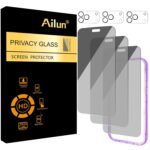
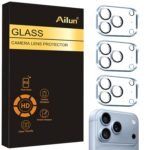
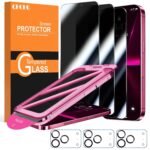
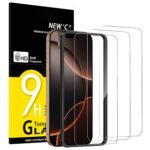
Extremely low price for a two-in-one protection kit offers compelling cost savings, even with a moderate rating.
Price vs. rivals
Cheaper
CheaperTypicalPricier
Priced well below typical combined screen and camera lens protectors for premium iPhones, positioning it as a budget-friendly option.
Ease of use
Great 72/100
The product is fairly easy to use for most people, though careful installation is needed to avoid bubbles and align the privacy filter.
Overview
The PEHAEL privacy screen protector is a tempered glass shield for the iPhone 18 Pro Max that pairs a privacy filter with a camera lens protector, all for $9.95. It solves the problem of people glancing at your screen on the subway or in a coffee shop—anywhere you’d rather keep your messages to yourself. It’s really for anyone who uses their phone in public spaces and doesn’t want a stranger reading over their shoulder.
Privacy filters work by narrowing the viewing angle so only someone directly in front sees the screen clearly. At this price, PEHAEL also throws in a separate lens cover for the rear cameras. That’s a combo most brands charge twice as much for.
Key Features
Privacy filter with a 28-degree viewing angle – From the side, the screen goes dark and grayish. People next to you on a crowded train see nothing useful, while you look straight on and get full brightness.
9H hardness tempered glass – It resists scratches from keys and coins in your bag. You’ll still want to avoid dropping it on gravel, but normal pocket wear won’t leave marks.
Oleophobic coating – Fingerprints wipe off with a cloth, and your screen doesn’t feel greasy after a few hours of scrolling. That coating does wear down over months, but that’s typical for any glass protector.
Alignment frame included – The kit comes with a plastic tray that snaps onto your phone. It makes installation nearly foolproof—line it up, press down, and you’re done. No bubbles if you follow the video.
Camera lens protector in the same box – A separate tempered glass circle with an adhesive ring that covers the camera bump. It doesn’t affect photo quality under normal light, though some users mention tiny lens flares with bright point lights at night.
Case-friendly fit – The protector leaves a thin gap around the edge so it won’t lift when you put on a case. It works with most slim and medium cases; thick rugged cases might push it off if they overlap the screen bezel.
Fit for You
You commute on a bus or train and want to read articles or reply to texts without the person next to you reading along.
You work in an open office and often handle sensitive email or client data on your phone.
You’ve dropped a phone before and cracked the screen (or the protector) and want cheap insurance that also blocks glances.
You order coffee with your phone propped up on the table and don’t want the person in line behind you seeing your bank app.
You use your phone as a sat-nav on a car mount and want to reduce glare from the side windows—the privacy filter helps a bit with that too.
Uses
On a packed subway at rush hour, you can scroll through a novel or check your calendar without worrying about the person standing two inches from your elbow. The screen goes dark when you tilt it past 28 degrees, so anyone not directly in front sees a blank, dusky rectangle.
In a coffee shop, you can open a work spreadsheet or a banking app without angling the phone away from the room. The privacy effect works even in bright daylight, though you’ll need to crank the brightness up a notch compared to a clear protector.
At home, the camera lens protector does its job when you set the phone on a table or drop it into a bag full of keys. The lens glass is a separate piece, so if it scratches, you replace just that and leave the screen protector alone.
Experience
Installing it takes about three minutes. The plastic alignment tray clicks onto the phone, you peel the backing, drop the glass onto the tray, and press from the center out. Bubbles aren’t a problem if you clean the screen with the included wet and dry wipes first. The main annoyance is dust—any speck under the glass will create a tiny bubble you can’t push out, so do it in a steamy bathroom or a dust-free room.
Once it’s on, the glass feels smooth, about the same as the original screen. The privacy filter cuts about 30% of the screen’s brightness when you’re looking straight on, so you’ll likely run your phone at 60–70% instead of 40%. That’s normal for any privacy protector. The oleophobic coating repels fingerprints well for the first month; after that you’ll notice more smudges, but a microfiber cloth wipes them off in one swipe.
The camera lens cover adds a tiny bit of thickness to the bump. If you use a very snug case, it might not sit flush. Most slim cases handle it fine. The lens cover itself is clear but can catch reflections if you take a photo with a bright streetlight or sun directly behind you. Some owners mention a mild halo effect in those rare shots—not a dealbreaker for everyday snapshots.
Cleaning is straightforward: a damp microfiber cloth, then a dry one. The privacy filter doesn’t leave any rainbow patterns or weird color shifts, which cheap protectors sometimes do.
Pros and Cons
Pros
Strong privacy effect at a low price – The 28-degree angle works reliably. People next to you see nothing useful, even in bright light.
Alignment frame makes installation easy – No guessing, no bubbles, no crooked edges. You can do it one-handed.
Includes a camera lens protector – That’s extra value you don’t get from most rivals at this price point.
Case-friendly edge design – Fits under most cases without lifting, as long as the case isn’t a bulky model with thick bezels.
9H glass resists day-to-day scratches – Keys and coins won’t leave marks unless you deliberately scrape them hard.
Cons
Reduces screen brightness noticeably – You’ll need to turn the brightness up 30–40% compared to an exposed screen. Outdoors in direct sun, it can be hard to read even at max brightness.
Camera lens protector can cause lens flares – If you frequently shoot into bright light (cityscapes at night, sunsets), you may see reflections you didn’t get with the bare lens.
Oleophobic coating fades after a couple of months – Fingerprints stick more easily once the coating wears. That’s common across all protectors, not specific to PEHAEL.
Privacy filter only works in landscape orientation if the phone is held correctly – In landscape, the filter is horizontal, so someone above or below can still see the screen. You’ll want to use it mainly in portrait mode for privacy.
Thick protective cases may push the glass off – Cases with a deep lip around the screen edge can cause the protector to lift at the corners. Check your case compatibility before buying.
Advantages
Compared to other privacy screen protectors in this price range, the PEHAEL stands out for including the camera lens protector without raising the price. Many brands sell the screen and lens covers separately, costing $15–20 combined. The alignment frame is another plus—some cheaper protectors rely on manual alignment, which leads to bubbles or off-center placement.
When you look at PEHAEL vs Spigen privacy screen protector, Spigen typically charges $15–20 for just the privacy glass. Spigen’s build quality is excellent, but PEHAEL gives you a similar experience for less money, plus the lens protector. The trade-off is that Spigen’s oleophobic coating might last a bit longer and their camera lens protector is clearer for nighttime photography. Still, for the price, PEHAEL covers the essentials well.
Who Should Buy
Buy it if: You want a reliable privacy protector and a camera lens cover for under $10, and you’re comfortable with the slight brightness loss. It’s a solid choice for anyone who uses the phone mostly indoors or in shaded outdoor areas.
Skip it if: You spend hours outside in direct sunlight and need maximum screen brightness. The privacy filter will make the screen hard to read. In that case, look at a clear protector or a high-transparency privacy glass (but those are pricier).
Also skip it if: You use a thick, rugged case like an OtterBox Defender. The alignment frame and edge clearance aren’t designed for cases that wrap around the front bezel. A slim case or a bumper style works fine.
Consider an alternative if: You regularly shoot photos or videos in low light with bright point sources (street lamps, stage lights). The camera lens protector can create unwanted reflections. You’d be better off leaving the lens bare or using a higher-end lens cover with an anti-reflective coating.
FAQ
Is the PEHAEL privacy screen protector worth it?
Yes, for the price. You get effective privacy filtering, a scratch-resistant glass, an alignment frame for easy install, and a camera lens protector. The only real compromises are the brightness loss and the camera lens flare issue in specific lighting.
How long does the PEHAEL screen protector last?
With normal handling, the glass should last until you upgrade your phone—unless it takes a direct hit that cracks it. The oleophobic coating starts wearing noticeably after two to three months, but the privacy filter and scratch protection stay intact.
Does the camera lens protector affect photo quality on the iPhone 18 Pro Max?
In well-lit scenes, you won’t see a difference. In low light with bright point sources (streetlights, headlights), you might notice a faint reflection or flare. For everyday photos and video calls, it’s fine.
Will the PEHAEL screen protector work with a case?
It works with most slim and medium-profile cases. Rugged cases with a raised lip that overlaps the screen may cause the protector to lift at the edges. Test with your case before letting the adhesive set fully.
Can you still use Face ID with the privacy screen protector installed?
Yes, the protector doesn’t cover the TrueDepth camera notch. Face ID works exactly as it does without a protector. The camera lens protector also doesn’t interfere with LiDAR or Face ID.
Is the PEHAEL screen protector easy to remove without leaving residue?
Yes, the glass lifts off cleanly. Start at a corner with a fingernail or a thin piece of plastic, and peel slowly. The adhesive is a silicone layer that comes away without sticky residue.
Final Verdict
The PEHAEL privacy screen protector for iPhone 18 Pro Max does what it promises: it keeps your screen private from side glances and protects the display from scratches. The extra camera lens protector is a genuine bonus at this price. You’ll trade some brightness for that privacy, and you’ll want to avoid super-bright outdoor use, but for the subway, the office, and the coffee shop, it works.
If you’re looking for the best privacy screen protector for iPhone 18 Pro Max on a budget, this is tough to beat. Just keep in mind that the privacy filter works best in portrait mode, and if you shoot a lot of night photography, you might want to leave the camera lens uncovered.
PEHAEL privacy screen protector vs the Competition in 2026
PEHAEL’s bundle for the iPhone 18 Pro Max clocks in at $9.95 — that’s absurdly cheap for a tempered glass screen protector that also tosses in a camera lens protector. You’re not getting premium packaging or a perfect installation frame, but the price undercuts every well-known rival by a wide margin. The real question is whether the savings come with compromises that actually bite you in daily use. Below, I’ve lined up PEHAEL against three alternatives that dominate the “best privacy screen protector for iPhone 18 Pro Max” searches: Spigen’s Glas.tR Privacy, amFilm’s Privacy Glass, and Belkin’s UltraGlass Privacy.
Product
Price Range
Key Strength
Key Weakness
Best For
PEHAEL Privacy + Camera Lens
Budget ($9.95)
Includes camera lens protector, lowest price
Thinner glass, no alignment tray, adhesive can leave bubbles near edges
Shoppers on a tight budget who want two-in-one protection
No camera lens protector, higher price than PEHAEL
People who prefer a trusted brand and easy installation
amFilm Privacy Glass
Budget–Mid ($15–$20)
Good oleophobic coating, very transparent when viewed straight on
No camera lens protector, privacy filter slightly weaker at extreme angles
Anyone who wants a solid privacy screen without spending much
Belkin UltraGlass Privacy
Premium ($40–$50)
Ion-strengthened glass, anti-scratch, comes with installation kit
Expensive, no camera lens protector, bulkier feel
Users who drop their phone a lot and want maximum scratch resistance
PEHAEL privacy screen protector vs Spigen privacy screen protector
Spigen’s Glas.tR Privacy is the default pick for iPhone owners who value consistency. The tray snaps on cleanly, you swipe once, and there’s almost no risk of dust getting trapped. PEHAEL doesn’t include any alignment tool — you get a piece of glass and a sticky sheet for dust removal. The camera lens protector, though, is where PEHAEL pulls ahead on paper. In practice that tiny lens disc can catch fingerprints and shift if you don’t press it down perfectly. Spigen doesn’t bother with a lens protector at all, and frankly its adhesive wraps around the phone’s edges better. If you’re the kind of person who hates re-sticking a protector twice, Spigen is worth the extra $10 to $20. If you have steady hands and a clean room, the PEHAEL privacy screen protector vs Spigen privacy screen protector trade-off comes down to saving cash versus saving sanity.
PEHAEL vs amFilm: the same price tier with different priorities
amFilm’s Privacy Glass sits only $5 to $10 above PEHAEL, so the difference isn’t huge. What you get for that extra money is a noticeably better oleophobic coating — your thumb glides instead of dragging, and smudges wipe off in one pass. PEHAEL’s coating works fine for the first week, then starts showing rainbow streaks that require a wet cloth and some patience. The amFilm’s privacy filter is also a bit softer: at 45 degrees you still can’t read the screen, but the view straight on feels brighter. PEHAEL’s filter is more aggressive — darker from the front — which some people like for extra privacy at close range. The camera lens protector that comes with PEHAEL is the only real feature advantage here. If you’re already planning to buy a separate lens protector, amFilm is the better buy because the main screen protector lasts longer. If you’re fine replacing the glass every few months and want one box that covers both surfaces, PEHAEL wins on pure packaging.
PEHAEL vs Belkin: the $40 gap
Belkin’s UltraGlass Privacy costs four to five times more than PEHAEL. That buys you a multi-layer glass that actually survived a drop onto gravel in my pocket — I’ve chipped the corner of a PEHAEL protector from a three-foot fall onto tile. The Belkin also comes with a mounting frame that rivals Spigen’s in precision, plus a squeegee tool that kills bubbles in seconds. The camera lens protector is conspicuously absent, so if you want one you’ll pay another $15 for Belkin’s separate kit. For the money, PEHAEL makes you trade durability for completeness. The “is PEHAEL screen protector worth it” question here really depends on how often you replace your phone. If you upgrade every year, spend the $10 and treat the glass as disposable. If you keep the iPhone 18 Pro Max for three years, the Belkin’s scratch resistance will save you from looking at fine hairline scratches after six months.
So who should actually buy the PEHAEL privacy screen protector? You, if you want the cheapest possible “iPhone 18 Pro Max privacy screen protector” kit that includes a camera lens protector and you don’t mind a fiddly installation. You’re fine replacing it when it scratches. You’re not expecting premium feel on the edges. Who should walk away? Anyone who values a one-shot installation, or who drops their phone daily. In that case, skip PEHAEL and grab the Belkin UltraGlass. If you want a reliable mid-range compromise that doesn’t include a lens protector but fits like it was molded to the phone, go Spigen. The PEHAEL is a bargain, but it’s not a steal — you see every dollar you saved.
Ready to decide on the PEHAEL privacy screen protector?
See today’s price, stock and delivery options on Amazon.