Exceptional user ratings and a trusted formula make this a standout value in its category.
Price vs. rivals
Typical
CheaperTypicalPricier
Priced slightly above the typical mid-range for diaper rash creams, reflecting its maximum strength formula and strong consumer ratings.
Ease of use
Excellent 95/100
The product's high user rating indicates it is straightforward to apply and effective, making it very easy for an average person to use.
Overview
This Boudreaux’s Butt Paste review starts with a blunt answer: yes, the Maximum Strength version is worth it for parents dealing with angry, persistent diaper rash, because it works fast and the 4 oz tube lasts a surprisingly long time. It’s a thick, white paste with 40% zinc oxide—one of the highest concentrations you’ll find without a prescription—and it sits in that sweet spot between drugstore generics and pricey natural creams. If your baby’s rash is stubborn, or you’re tired of reapplying something watery every diaper change, this is the tube to grab.
It’s designed for one job: creating a serious barrier between your baby’s bottom and whatever is happening in that diaper. Not a fancy lotion. Not a gentle cleanser. A paste. It stays put, it doesn’t budge, and it lets the skin heal. Parents of newborns with constant poops love it, but it’s also the cream you reach for when the rash looks raw and you need results by morning.
Key Features
40% Zinc Oxide Concentration – This is the active ingredient that blocks moisture. Most standard creams use 12–15%. The extra density means you use less per change, and the paste doesn’t wipe off the second a wet diaper touches it.
Methylparaben & Preservative-Free Formula – Boudreaux’s skips some of the common preservatives that can irritate already-sore skin. If your baby has reacted to other creams, the simpler ingredient list here is a real advantage.
Thick, Non-Drying Texture – It spreads like a stiff ointment, not a lotion. You’ll want a pea-sized dab for most rashes, and it stays white on the skin so you can see where you’ve applied it. No translucent disappearing act.
Maximum Strength Label – This isn’t marketing fluff. At 40% zinc oxide, it’s stronger than the original (which is 16%). The tube clearly says “maximum strength,” and for rashes that look angry and weepy, it delivers what it promises.
4 Ounce Tube with a Small Opening – Odd detail, but the nozzle is small enough that you don’t squeeze out a mountain of paste. You get a controlled, thin ribbon. That small opening actually saves product. No waste.
Unfragranced – No baby powder scent, no lavender, no “clean cotton” smell. Just the mild smell of the base ingredients. Babies with sensitive noses or eczema-prone skin do better without added fragrance, and this one doesn’t have any.
Fit for You
Your baby gets a raw, blistery rash after three days of diarrhea and you need something that forms a real shield.
You hate the way thinner creams soak into the diaper liner and leave your baby’s bottom unprotected two hours later.
You’re already using cloth diapers and you’ve read that zinc oxide can stain—this paste is thick enough to stay on the skin rather than migrate.
You have a toddler who sleeps 12 hours straight and wakes up with a rash that looks worse than it did at bedtime.
You’ve tried two or three other brands and your baby still cries when you wipe.
You want one tube for the diaper bag and one for the changing table without spending $15 each.
Uses
The main use is obvious: diaper rash. But the version that works best is the rash that’s already there, red and raised, and you want it gone by the next morning. Slather a generous layer on clean, dry skin before a long sleep—especially overnight—and the paste holds up against hours of pee. You change the diaper in the morning and there’s still a white layer in the creases. That’s the barrier working.
Parents also mention using it for the first sign of irritation, before a full rash develops. A thin coat after every diaper change for a day or two, and the red patches disappear. It’s overkill for a clean bottom with no rash—a standard zinc cream would be lighter—but for the proactive parent, it shortcuts the worry.
Some people use it on their own skin for chafing from running or bike shorts, or on a toddler’s drool rash around the chin. The 40% zinc oxide works on any moisture-related skin breakdown, not just diaper area. Just know it’s thick and white, so you’ll look like you have clown makeup on your thigh.
Experience
Getting the paste out of the tube takes a firm squeeze, especially when it’s cool. It doesn’t flow like lotion—it’s stiff. You’ll push a small ribbon onto your finger or directly onto the diaper area, and then spread it. It’s not slippery; it drags a little. Some parents prefer to warm the tube in their hands for a few seconds, or rub it between their fingers first to soften it. Others say just go in with a quick finger and the body heat melts it enough.
It sits on the skin as a visible white layer. Get ready for that—it doesn’t vanish. If your baby wears a diaper and you open it, you might wonder if half the tube has migrated to the inside of the diaper. It hasn’t. The paste is simply thick enough that it stays put. The downside is, wiping it off fully at the next change takes some work. You’ll need a wet cloth or wipe, and sometimes gentle rubbing. That’s the trade-off for long-lasting protection. A thin cream wipes off cleanly; this paste says, “I’m staying until bath time.”
One small annoyance: the cap is a flip-top that can get gummed up. If you let paste dry on the nozzle, it clogs. A quick rinse under hot water every few days solves it, but it’s not a “set and forget” package. Also, the tube is squat—4 oz in a short, wide container. It fits in a diaper bag, but it takes up more footprint than a long, skinny tube of Desitin. Not a big deal, but noticeable if your bag is packed tight.
You won’t smell much. If you sniff the tube, there’s a faint, waxy smell, but nothing floral or chemical. The moment it’s on the skin, the fragrance practically disappears. That’s a relief for anyone who’s tried a scented cream and regretted it mid-diaper change.
Pros and Cons
Pros
High zinc oxide content that really works. At 40%, it stops wetness like a sealant. One application can last through a 10-hour overnight stretch.
Simpler ingredient list. No parabens, no dyes, no preservatives that are known irritants. Fewer ingredients mean fewer chances for a reaction.
Economical per use. A pea-sized amount is all you need for most changes. The 4 oz tube can last a month or more, even with heavy daily use.
Doesn’t sting on raw skin. Some creams with alcohol or drying agents burn when applied. This one goes on without the yelp from your baby.
Fast visible results. A rash that looks bad at dinner will look calmer by breakfast, assuming you apply a generous layer and let it sit.
Cons
Thick, stubborn texture. It’s hard to spread thinly, and if you use too much, it cakes in creases. It doesn’t glide like a lotion.
Hard to fully remove. You’ll need to wipe multiple times or use a washcloth. This is not the cream for a quick “wipe and go” situation.
Cap clogs easily. Dried paste builds up on the nozzle. If you don’t clean it, the flip-top won’t close flush, and it leaks a bit in the bag.
Not ideal as a daily preventive. For a baby with no rash, it’s overkill. The thickness can feel greasy and waste product if you’re just applying after every pee.
Can stain cloth diaper liners and clothing. The high zinc oxide leaves white marks that don’t wash out completely. Use a liner if you care about the fabric.
Advantages
Against standard 15% zinc oxide creams, the Boudreaux’s Maximum Strength formula simply does more with less. You don’t need to reapply at every diaper change for a rash that’s already established. That makes it a better choice for parents who are sleep-deprived and want the rash to heal without constant interventions.
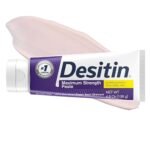
In a direct comparison, Boudreaux’s Butt Paste vs Desitin often comes down to texture and ingredients. Desitin Maximum Strength also has 40% zinc oxide, but it contains fragrance and fish liver oil (the source of that strong, distinct smell). Many babies do fine with it, but if your child has sensitive skin or you prefer no added scent, Boudreaux’s wins. It also has a slightly lower potential to stain clothing, because it absorbs into the skin a bit more rather than sitting in the fiber.
If you’re looking for the best diaper rash cream for sensitive skin, this is a strong candidate. The absence of common preservatives and synthetic fragrance makes it one of the few products you can try when your baby has reacted to everything else. It’s not as thick as petroleum-based barriers, but for water resistance and healing, it gets the job done.
Boudreaux’s Butt Paste for babies is a specific product: it’s not marketed for adults, but the ingredient safety makes it suitable across the board. The maximum strength formula is potent enough for diaper rash and gentle enough that you’re not worried about accidental ingestion from a baby’s hands. That peace of mind matters.
Who Should Buy
Buy this if: your baby has a diaper rash that hasn’t improved after two days of over-the-counter 15% creams. Or if you want one tube for the diaper bag that works on the go without needing to reapply.
Skip this if: your baby’s skin is perfectly fine and you just want a light, invisible daily lotion. You’ll be scrubbing off a paste that isn’t needed. Look for a lighter barrier like Aquaphor Baby or a standard zinc cream.
Skip this if: you hate the feeling of thick creams or you change diapers every two hours and don’t need a 10-hour hold. A thinner cream will serve you better and be easier to wipe.
Buy this if: you’ve tried a natural brand with 10% zinc oxide and it didn’t prevent overnight rashes. The Boudreaux’s is a step up in protection without switching to a prescription product.
FAQ
Is the Boudreaux’s Butt Paste Maximum Strength worth it?
Yes, if you need a strong, long-lasting barrier for moderate to severe diaper rash. At around $7.47 for 4 oz, it costs about the same as Desitin but with fewer additives. The trade-off is the thick texture, and the small tube size means it’s a concentrated product, not a daily commodity for a clean bottom.
What are the Boudreaux’s Butt Paste maximum strength ingredients?
Active ingredient is 40% zinc oxide. Inactive ingredients: castor oil, mineral oil, paraffin, peruvian balsam, petrolatum, white wax, and boric acid. No parabens, no artificial fragrances, no dyes. The peruvian balsam gives it a slight herbal note, but it’s a minimal ingredient.
Is Boudreaux’s Butt Paste safe for newborns and sensitive skin?
Yes, it’s safe for newborns, including premature babies if they have a rash. The lack of common irritants like parabens and fragrance makes it a first-line choice for sensitive skin. Still, patch-test a small area if your baby has had allergic reactions before.
How long does a 4 oz tube last for daily use?
With daily application at every diaper change on a baby with an active rash, expect the tube to last about four to six weeks. If you use it only overnight, it’s easy to see the product lasts over two months or more. The small opening helps.
Can I use Boudreaux’s Butt Paste on cloth diapers?
You can, but the high zinc oxide will cause stains if you apply directly on the diaper liner. Use a fleece liner or plan to treat stains. The paste itself does not rinse off the fabric with cold water and a soap like naptha.
Final Verdict
Boudreaux’s Butt Paste Maximum Strength is a well-designed, no-nonsense option for parents who need a diaper rash cream that works beyond the mild stuff. The 40% zinc oxide is the main reason you’ll notice a real improvement overnight, and the short ingredients list is the reason you’ll trust it on raw skin. It’s not a gentle daily lotion. It’s a paste for when you need real protection. Stick with it for the rash that’s angry, not for the baby with no rash. The only thing to keep in mind: you’ll have to clean the cap regularly and don’t mind a small battle to remove the paste at diaper changes.
Boudreaux’s Butt Paste Maximum Strength vs the Competition in 2026
When your baby’s rash has gone from pink to pissed-off red, you need something that works fast and doesn’t quit. Boudreaux’s Butt Paste Maximum Strength sits in the sweet spot of the diaper cream aisle: it’s got a 40% zinc oxide punch, a thick, creamy texture that stays put, and a price that won’t make you wince. But it’s not the only option. Desitin, Triple Paste, Aquaphor, and Weleda all have loyal followings, and the right pick depends on how bad the rash is, how sensitive your baby’s skin is, and how much scrubbing you’re willing to do at diaper changes. Here’s how they stack up.
Product
Price Range
Key Strength
Key Weakness
Best For
Boudreaux’s Butt Paste Maximum Strength (4 oz)
$7.47
High 40% zinc oxide with a thick, non-greasy paste that doesn’t migrate
Cornstarch base can be messy to apply and stains clothes
Moderate to severe rashes on normal-to-sensitive skin
Desitin Maximum Strength (4 oz)
~$7–$8
Same 40% zinc oxide but with a more traditional, greasy barrier that spreads easily
Strong, fishy cod liver oil smell; can be hard to fully remove
Parents who want a familiar, no-fuss cream for everyday use
Triple Paste (4 oz)
~$12–$13
40% zinc oxide plus a water-repellent base that seals out moisture longer
More expensive; the thick, white paste can flake off or clump
Stubborn rashes that need overnight protection without reapplication
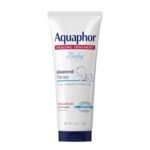
Aquaphor Baby Healing Ointment (3.5 oz)
~$6–$7
Petrolatum-based barrier that’s gentle and fragrance-free; zero zinc oxide
Doesn’t treat or heal existing rash—only prevents moisture contact
Diaper changes for rash-free babies or mild irritation prevention
Weleda Diaper Cream (4.2 oz)
~$10–$11
Only 12% zinc oxide, but with calendula and chamomile; very gentle on ultra-sensitive skin
Too weak for anything beyond a mild, early-stage rash
Babies with eczema or reactive skin who need a soothing, low-active cream
Boudreaux’s Butt Paste Maximum Strength vs Desitin Maximum Strength
These two go head-to-head on paper: both pack 40% zinc oxide, sit in the same price range, and claim to heal the worst rashes. The real difference? Texture and smell. Boudreaux’s uses a cornstarch base, which makes the cream thick and a little gritty—think peanut butter with a bit of sand. It stays where you put it, even if your baby’s sliding around on their back. Desitin has a smoother, greasier consistency, like heavy-duty sunscreen, and that infamous cod liver oil smell that some parents swear keeps rashes away and others find nauseating. If you’re sensitive to fishy odors or your baby turns their nose up, Boudreaux’s is the cleaner bet. But if you don’t mind the scent and prefer a cream that spreads easily without clumping, Desitin gets the job done for the same cash.
Boudreaux’s Butt Paste Maximum Strength vs Triple Paste
Triple Paste is the premium outlier here. It’s also 40% zinc oxide, but the base is designed to repel moisture more aggressively—parents call it “the overnight fixer” because one application can still be there eight hours later. Boudreaux’s won’t last quite that long without rubbing off on clothes or diaper liners. So if your baby’s rash is raw and you’re chasing a miracle, Triple Paste might be worth the extra $5 per tub. But Boudreaux’s is easier to apply in smaller amounts and doesn’t leave the same flaky patches that Triple Paste can shed during the day. For a moderate rash that you’ll change every 2–3 hours, Boudreaux’s is enough. For a blistering, red, angry rash that needs a barrier that refuses to budge, spring for Triple Paste.
Boudreaux’s Butt Paste Maximum Strength vs Weleda Diaper Cream
Weleda plays in a completely different league. Its 12% zinc oxide is designed for gentle protection, not heavy-duty healing. You’d use it after a normal diaper change, when your baby’s bottom is clean and happy, not when they’re screaming from a raw patch. Boudreaux’s is overkill for that situation—it’ll cake on and be a pain to wipe off. But if your child has sensitive skin that reacts to the cornstarch or any essential oils in Boudreaux’s (some babies do break out from the zinc oxide concentration itself), Weleda’s calendula formula offers a mild, calming alternative. The trade-off is obvious: you can’t cure a serious rash with Weleda. For daily maintenance on delicate skin, it’s a solid pick. For a full-on diaper rash, you need Boudreaux’s.
You should grab Boudreaux’s Butt Paste Maximum Strength if your baby has a moderate to severe rash, you don’t mind a slightly thicker paste that stains onesies, and you want results at a reasonable price without the fish-oil smell. But if your baby’s skin is ultra-sensitive—think eczema, or they react to the cornstarch—consider Weleda Diaper Cream instead for routine care, and keep Boudreaux’s for the rough nights. And if cost is no object and you need a barrier that survives a 12-hour sleep without a single diaper change, Triple Paste is the upgrade that actually earns its premium price tag.
Ready to decide on the Boudreaux's Butt Paste Maximum Strength?
See today’s price, stock and delivery options on Amazon.