Exceptional ratings and trusted brand reputation make this a standout value at a reasonable price point.
Price vs. rivals
Typical
CheaperTypicalPricier
The product is priced near the typical mid-range for popular baby healing ointments, reflecting its trusted brand reputation and high customer ratings without exceeding competitor norms.
Ease of use
Excellent 95/100
The ointment is very easy to use due to its simple squeeze-tube application and gentle formulation suitable for sensitive skin.
Overview
This is the giant 7-ounce tub of Aquaphor Baby Healing Ointment. It’s basically petroleum jelly with some key extras — a thick, scentless balm that seals moisture in and keeps irritants out. Parents buy it for diaper rash prevention, cracked cheeks, and that weird elbow eczema that appears in winter. It costs about $13 and lasts months.
Is the Aquaphor Baby Healing Ointment worth it? Yes, if you deal with persistent diaper rash or dry patches that lotions just slide off. It’s more protective than a standard cream and gentler than zinc-heavy pastes. The catch is the texture — it’s greasy, it stains fabric, and you will have it under your fingernails until your kid starts college.
Key Features
41% Petrolatum base — That’s the main sealing ingredient. It sits on top of the skin, not sinking in, which means it actually stops wetness from touching a rash. Most diaper creams sink in or rub off. This one stays put.
Lanolin-free formula — Lots of babies react to lanolin, especially the ones with sensitive skin or wool allergies. This skips it entirely, so you don’t have to wonder if that redness is the ointment itself.
Fragrance-free and paraben-free — It smells like nothing at all. That matters when you’re slathering it on broken skin or a baby’s face where scented stuff burns and annoys.
Dermatologist-recommended — Pediatricians hand this out like candy. You’ll see it in hospital newborn kits and hear about it from every parent whose kid had a rash that wouldn’t quit.
7-ounce tub — That’s big. The smaller tubes are fine for the diaper bag, but this tub sits on the changing table and keeps going through three months of nightly applications. You won’t rebuy every two weeks.
Multi-use, not just diaper area — Owners use it on chapped lips, cuticles, minor scrapes, and even tattoo aftercare. It does the same job everywhere: block air and moisture until skin heals itself.
Fit for You
Your baby gets a red, angry diaper rash every time they sleep through the night and sit in a wet diaper for eight hours.
You live somewhere dry or cold, and your kid’s cheeks look like little sandpaper circles by February.
You’ve tried four different diaper rash creams, and each one either didn’t work or made the rash angrier.
You cloth-diaper and need a barrier that won’t wreck absorbency or require special scrubbing to wash out.
You have a drooly teething baby with a permanent raw ring around their mouth and chin.
You want one product for diaper changes, dry skin, and the occasional scraped knee so your bathroom drawer isn’t a pharmacy aisle.
Uses
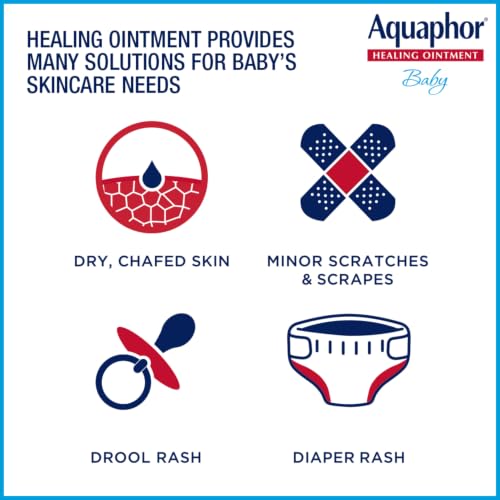
The main event is diaper rash. Slather it on like buttering toast at every change — a thick, visible layer. Zinc creams fight rashes by drying them out. Aquaphor prevents them by putting a shield between the skin and the wetness. If a rash is already there, you’ll want to pair it with a medicated cream underneath and then seal with Aquaphor on top.
For dry skin, this is one of the best diaper rash ointments for babies that happens to work everywhere else. Rub a pea-size amount on elbows, knees, or cheeks right after a bath while skin is still damp. It locks in that bath moisture instead of letting it evaporate. One application usually lasts through the night.
As an Aquaphor Baby ointment for dry skin, it also handles drool rash and windburn. Apply a thin film around the mouth before meals or outdoor time. It doesn’t taste like anything, so babies don’t fight it as much as weird-flavored balms.
For minor scrapes or cuts, clean the spot, dry it, then paint on a layer. It keeps the wound from sticking to bandages and keeps dirt out. Not for infected stuff — this is for clean, minor skin breaks only.
Experience
The texture is the first thing you notice. It’s thick and occlusive, closer to cold cream than lotion. You’ll dip a finger in and get a waxy blob that takes a little warmth to spread. That warmth comes from your fingers, which means you’ll stand there rubbing it between your hands for five seconds before applying it to the baby. The baby will probably squirm during those five seconds.
Application itself is fast — one smooth pass covers a diaper-area red spot. You use more than you think you need. A thin layer works for prevention, but for existing irritation you want it thick enough to see a white sheen. If the skin still looks pink through the ointment, add more.
Cleaning up is the downside. It does not wash off with just water. You’ll need soap, and if it gets on clothes or cloth diapers, you’ll want to pretreat with a stain remover before washing. It fades over time but may leave a faint grease mark on cotton. The tub itself gets greasy around the rim quickly. Keep a wipe handy for your hands after each use.
It lives on the changing table. You won’t need to store it in the fridge or keep it out of sunlight. It’s stable at room temperature for ages — the 7-ounce tub easily lasts three to four months with daily use. The only small annoyance is digging ointment out of the wide tub when your hands are slimy. A small spatula or a dedicated clean finger helps.
Pros and Cons
Pros
Extremely effective barrier — It genuinely prevents diaper rash when used consistently. Parents who apply it at every change report drastically fewer angry red nights.
Hypoallergenic and plain — No fragrance, no lanolin, no common irritants. It works for the vast majority of babies, including eczema-prone ones.
One product, many jobs — You can use it on rashes, dry patches, chapped lips, cuticles, and minor scrapes. It replaces four different products in your cabinet.
Lasts forever — A 7-ounce tub at $13 is a screaming deal. You’ll likely throw it away because it expired, not because you ran out.
Pediatrician-backed — Hospital nurseries, derms, and seasoned parents all recommend it. You’re not guessing with an off-brand.
Cons
Extremely greasy — It feels like you rubbed petroleum jelly on the baby. It gets on your hands, the changing pad, and anything the baby touches for an hour after application. Some parents hate the texture.
Stains fabric easily — A smear on a onesie or sheet leaves a greasy mark that requires pre-treating. If you care about pristine baby clothes, this will test your patience.
Does not treat active fungal rash — If the redness is from yeast (bright red with raised bumps), Aquaphor alone will not fix it. You need an antifungal cream first, then Aquaphor on top.
Too heavy for some situations — For mild dryness on normal skin, it’s overkill. A simple lotion would work without the greasiness. This suits moderate to severe dry patches best.
Messy packaging — The wide tub lets air and dust in, and you have to dip clean fingers or a spatula each time. The small tube format is better for on-the-go use, but the tub gives you the best value.
Advantages
Compared to standard petroleum jelly, Aquaphor Baby Healing Ointment has extra ingredients like panthenol, bisabolol, and glycerin that help soothe and slightly moisturize while it seals. Plain Vaseline just seals. If you’re wondering about the Aquaphor vs Vaseline for baby debate, the real difference is those additives — Aquaphor does a little more healing, Vaseline is cheaper and simpler. For rash-prone babies, Aquaphor’s extra ingredients make a noticeable difference in how fast redness fades.
It also beats traditional zinc oxide pastes in one key area: it does not dry out the skin. Zinc creams work by absorbing moisture and creating a dry barrier. That helps heal some rashes, but it can leave the surrounding skin flaky. Aquaphor keeps the whole area hydrated.
Works as a base layer under zinc creams for stubborn rashes
Does not sting on broken skin like some medicated ointments
One tub replaces diaper cream, face balm, cuticle oil, and lip balm
Lanolin-free means fewer allergic reactions than brands like Lanolin or Bag Balm
Who Should Buy
Parents of newborns — The first few months of constant wet diapers are exactly when this prevents problems before they start.
Families in dry or cold climates — Winter skin, windburn, and low-humidity dryness are this product’s natural habitat.
Any parent tired of buying three different creams — This one jar does most of what those separate products do, and does it better.
People with eczema-prone kids — Keep a tub in the bathroom for post-bath sealing. It works as a maintenance moisturizer between flare-ups.
Skip it if — You cannot stand greasy textures on your hands or the baby. You prefer powder-based or spray-on diaper protectants. Or you already have a routine with a zinc cream that works perfectly — don’t fix what isn’t broken.
FAQ
Is the Aquaphor Baby Healing Ointment worth it?
Yes, for most babies, especially if they get frequent diaper rash or have dry, sensitive skin. The 7-ounce tub costs about $13 and lasts months, making it one of the cheapest and most effective preventative products you can buy.
How long does a 7-ounce tub last?
For daily diaper-area use on one baby, you’ll get three to four months out of it. If you also use it on dry patches and faces, two to three months is realistic. It thick and a little goes a long way — you just tend to use more than you intend to.
Is it safe for newborns?
Yes. It is fragrance-free, lanolin-free, and contains nothing known to irritate newborn skin. Pediatricians commonly recommend it straight out of the hospital. Use a thin layer at each change to build the habit.
Does it work for eczema?
It works as a protectant and moisture sealant, not as a treatment for active eczema. Apply it over a prescribed steroid cream or over a moisturizer to lock everything in. It is commonly recommended for post-bath sealing to prevent transepidermal water loss.
What are the Aquaphor Baby Healing Ointment ingredients?
The main ingredient is petrolatum (41%). It also contains mineral oil, ceresin, lanolin alcohol (not lanolin oil — less allergenic), panthenol, glycerin, bisabolol, and a few stabilizers. No fragrances, no parabens, no dyes.
Can I use it on cloth diapers?
Yes, but with care. The petrolatum can build up on cloth diapers and reduce absorbency. Use a liner or prewash diapers with hot water and a good detergent. Some cloth-diapering families prefer it, others avoid it — depends on your wash routine.
Final Verdict
The Aquaphor Baby Healing Ointment is the standard for a reason. It does one thing — block moisture — and does it better than nearly anything else at the price. You’ll deal with greasiness and the occasional stain, but you’ll deal with a lot fewer 3 a.m. diaper rash meltdowns.
Buy it if you’re stocking a diaper bag or building a newborn care kit. Skip it only if you hate the feel of petroleum products on your hands. For everyone else, this tub saves money and replaces half your baby-care shelf.
Aquaphor Baby Healing Ointment vs the Competition in 2026
You’re staring at a shelf of tubes and tubs, each promising to fix your baby’s angry red bottom, flaky cheeks, or cracked knuckles. Aquaphor Baby Healing Ointment sits in the middle of the market—not the cheapest, not the priciest, but with a 4.9-star average that screams “I work.” It’s a hybrid: part petroleum-based protectant, part moisturizing cocktail with panthenol and bisabolol. But is it actually better than the petrolatum jar your grandmother swore by, or the zinc-heavy pastes that dermatologists love? Here’s the honest breakdown.
Product
Price Range
Key Strength
Key Weakness
Best For
Aquaphor Baby Healing Ointment
~$13
Versatile – diaper rash, dry patches, chapped skin, even lips
Greasy texture; doesn’t stay put on a squirming baby
All-in-one prevention and mild treatment
Vaseline Original Petroleum Jelly
Under $5
Pure petrolatum, dirt cheap, and fragrance-free
Zero active ingredients; just a barrier
Budget barrier protection for normal skin
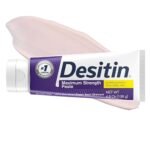
Desitin Maximum Strength
~$9
40% zinc oxide – fast rash fighter for angry red bottoms
Thick, pasty, tough to wipe off; stains clothes
Active, painful diaper rash that needs heavy artillery
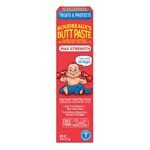
Boudreaux’s Butt Paste Original
~$8
16% zinc oxide plus castor oil and boric acid – effective with a smoother spread
Strong smell; not for general dry skin
Moderate diaper rash without the crusty paste problem
Aquaphor Baby Healing Ointment vs Vaseline for Baby
Vaseline is just petrolatum. Aquaphor Baby Healing Ointment is petrolatum plus mineral oil, ceresin, lanolin alcohol, panthenol (pro-vitamin B5), glycerin, and bisabolol (chamomile derivative). In practice, that means Aquaphor actually moisturizes while it seals—Vaseline only seals. If your kid has dry, flaky skin from cold weather or eczema, Aquaphor will soften it faster. But if you’re just slapping something on a clean diaper area to prevent friction, Vaseline does the same job for a third of the price. The trade-off: Aquaphor feels greasier and takes longer to absorb, while Vaseline sits on top like a waxy blanket. For diaper rash that’s already red and weeping, neither is ideal—you need zinc. So the “Aquaphor vs Vaseline for baby” decision really comes down to use case. Dry skin? Aquaphor wins. Preventing diaper rash on normal skin? Save your money and grab the three-dollar tub.
Aquaphor Baby Healing Ointment vs Desitin Maximum Strength
Here’s where the “best diaper rash ointment for babies” argument gets heated. Desitin Maximum Strength packs 40% zinc oxide—that’s a lot. Aquaphor has zero zinc. If your baby has a blistering diaper rash that makes them scream when you wipe, Desitin is the nuclear option. It creates a thick white paste that stays put for hours. Aquaphor, on the other hand, slides around and can rub off on the diaper lining. I’ve had Desitin stick through two overnight diaper changes; Aquaphor needed reapplying after the first pee. But Desitin is a pain to remove—you need baby oil or a warm washcloth, and it leaves white crust in every crease. Aquaphor wipes off easily. So if your baby has healthy skin most of the time and you just want a gentle day-to-day barrier, Aquaphor is enough. If you’re asking “is Aquaphor Baby Healing Ointment worth it” for full-blown diaper rash, the answer is no—go Desitin. For maintenance, Aquaphor is better because it doesn’t leave that chalky residue.
Aquaphor Baby Healing Ointment vs Boudreaux’s Butt Paste Original
Boudreaux’s is the middle child. It has 16% zinc oxide, castor oil, boric acid, and Peruvian balsam—which gives it that strong, herbal-cough-syrup smell. Not everyone loves that. Aquaphor is nearly odorless. In terms of texture, Boudreaux’s spreads like a thick cream while Aquaphor is more of a slick ointment. I’ve found Boudreaux’s works well for mild-to-moderate rashes and doesn’t stain clothes as badly as Desitin. But it’s a single-purpose product: it goes on butts and that’s it. Aquaphor Baby ointment for dry skin works on elbows, cheeks, cuticles, and even as a lip balm in a pinch. So if you want one tube that does everything, Aquaphor wins again. But if your baby has persistent diaper rash that needs a dedicated treatment with active zinc, Boudreaux’s is a solid alternative—just be ready for the smell. The Aquaphor baby healing ointment ingredients list is simpler and less likely to irritate sensitive noses (or parents’ noses).
So who should pick Aquaphor? If you want a single multi-purpose ointment that handles dry skin, chapped lips, minor diaper prevention, and the occasional scratch, it’s the best $13 you’ll spend. But if your baby is dealing with a real, angry diaper rash right now, skip it and buy Desitin Maximum Strength—it’ll work faster and you won’t have to reapply all night. And if you’re on a tight budget and only need barrier protection, Vaseline is honestly fine. Aquaphor is the versatile workhorse, not the specialist. That’s the trade-off, and it’s why it’s the top-rated option without being perfect for every situation.
Ready to decide on the Aquaphor Baby Healing Ointment?
See today’s price, stock and delivery options on Amazon.