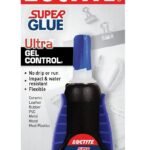
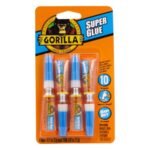
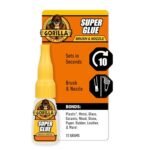
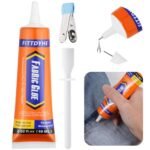
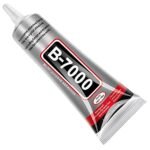
Is the Wood Super Glue Liquid worth it? For eight bucks, you get a clear instant CA glue for wood that bonds fast and holds strong on furniture repairs, small projects, and even oily woods like teak. It’s not a miracle worker for gap-filling or massive joints, but if you need a reliable, fast-setting glue for tight-fitting parts, this Wood Super Glue review will show you exactly where it shines and where it doesn’t.
High user satisfaction at a moderate price point makes this product a reliable choice for woodworking projects.
Price vs. rivals
Typical
CheaperTypicalPricier
Priced competitively within the mid-range for heavy-duty wood CA glues, reflecting its quality and specialized use.
Ease of use
Great 80/100
The glue is easy to apply with its precision tip, but requires careful handling to avoid sticking to skin or surfaces accidentally.
Overview
This is a liquid cyanoacrylate glue for wood – basically the thin, runny kind that wicks into cracks and tight joints. It’s made by a brand called Wood Super Glue, and it’s aimed at anyone doing fine woodworking, model building, or quick furniture fixes. The bottle holds 2 ounces, and the glue comes out clear, so you don’t get ugly white residue on dark wood.
The big problem it solves is speed. You apply, hold for a few seconds, and the bond is already strong enough to sand or paint. No clamping overnight. But because it’s thin, it won’t fill gaps larger than a hairline. That’s the trade-off: precision work is its home, not gap-gluing.
Key Features
Thin consistency – It flows into tight seams and capillary action pulls it deep into cracks. Great for hairline fractures in furniture legs.
Clear finish – No foggy or chalky look. You can use it on visible joints without worrying about staining the wood.
Fast setting time – Grab time is about 10–15 seconds, full cure in 24 hours. You can move on to the next step quickly.
Works on many woods – Handles softwoods like pine, hardwoods like oak, and even oily exotics if you clean the surface first.
Small precision tip – The nozzle lets you apply single drops without flooding the area. Less mess, less waste.
Low odor formula – Still cyanoacrylate, so there’s some smell, but noticeably less than typical CA glues.
Fit for You
You’re repairing a loose chair rung that’s still snug – the glue will wick in and hold.
You build model furniture or dollhouses and need a bond that won’t swell the wood.
You hate cleaning up PVA glue squeeze‑out that dries white and takes forever to sand.
You’re gluing a small wooden knob back onto a cabinet door and want it fixed in under a minute.
You work with exotic woods like rosewood or ipe that reject regular wood glues – this one sticks if you prep right.
You need a heavy duty super glue for woodworking that can handle moderate stress, like a broken tool handle.
Uses
Imagine a hairline crack running down the side of a walnut jewelry box. Regular wood glue is too thick to seep in, and epoxy is overkill. A drop of this liquid cyanoacrylate glue for wood hits the crack, spreads instantly, and the bond virtually disappears after a light sanding.
Another real situation: you’re assembling a small wooden stool, and the dowels are a snug fit. You apply thin CA glue to the hole, insert the dowel, and it sets in seconds. No clamps, no waiting. That’s where this stuff earns its keep – when fit is already tight and you just need a fast, strong grip.
For heavy duty furniture repair, like attaching a thick table leg that’s split, this isn’t your go‑to. The joint needs surface area and pressure; a thicker epoxy or polyurethane glue would be better. But for small repairs, especially on decorative pieces, it’s hard to beat.
Experience
The first thing you notice is how runny it is. You squeeze gently, and the glue flows almost like water. That’s great for getting into tight spots, but it also means you have to be precise – one wrong drip and you’ve glued your finger to the piece. Owners tend to mention that the precision tip helps, but you still want a waxed paper towel nearby.
Setting up is simple: clean the surfaces, apply a drop or two to one side, press together, and hold for about 15 seconds. The glue grabs fast, so you don’t have time to reposition. That’s fine if you’ve dry‑fitted everything first, but a mistake can be annoying to undo.
Cleaning up a spill before it cures needs acetone or CA glue debonder. Once dry, you can sand it off, but it’s tough. Storage is easy – the cap seals tightly, and a cool dark spot keeps it liquid for months. The smell is mild for a CA glue, but you still don’t want to inhale it directly.
The small annoyance? The bottle can clog if you don’t wipe the tip after use. A thin wire or pin clears it, but it’s a tiny hassle. That said, for the price, it’s a minor trade‑off.
Pros and Cons
Pros
Fast bonding – You can handle the piece in under a minute. No clamps needed for most small repairs.
Clear and invisible – The glue doesn’t leave a frosty residue. It blends into the wood grain.
Precise application – The nozzle delivers drops, not streams. You control exactly where it goes.
Low odor – Still ventilate, but it won’t fill the room with that harsh chemical smell.
Great value – At $7.99 for 2 ounces, it’s cheaper per ounce than many name‑brand CA glues.
Cons
Too thin for gaps – If the joint isn’t tight, the glue just wicks away without bridging the space. Use a gel or epoxy instead.
Can’t reposition – Once the surfaces touch, they’re stuck. No sliding or adjusting.
Clogging tip – The nozzle tends to block if you don’t clean it after each use. A minor but consistent fuss.
Not ideal for large repairs – For a big chair leg or a heavy table, you need a glue with more gap‑fill and longer open time.
Requires clean surfaces – Dust, oil, or old finish will weaken the bond. You have to prep well.
Advantages
Compared to regular PVA wood glue, this stuff sets in seconds, not hours. No clamps, no cleanup of white squeeze‑out. Against epoxy, it’s faster and doesn’t need mixing. But the real edge is on tricky woods – oily species like teak or rosewood that repel water‑based glues actually hold with cyanoacrylate. If you’re working on a project with tight joints and want a clear, instant bond, this is the kind of heavy duty super glue for woodworking that saves time.
Bonds in seconds instead of hours.
Clear finish – no sanding off dried glue.
Works on oily woods where PVA fails.
Cost‑effective for small jobs.
Who Should Buy
Buy it if you do small furniture fixes, model making, or fine woodworking where joints are tight and appearance matters.
Buy it if you need a quick repair on a decorative item and don’t want to clamp.
Skip it if you’re gluing large surfaces or gaps – get a wood‑filling epoxy or polyurethane glue instead.
Skip it if you hate fussing with clogged nozzles or need repositioning time – a slower‑set CA glue or PVA might suit you better.
FAQ
Is the Wood Super Glue Liquid worth it?
For $7.99, yes, if your jobs are small, clean, and tight‑fitting. It sets fast, stays clear, and performs like pricier CA glues. Not worth it for gap‑filling or large furniture repair.
Wood Super Glue vs Gorilla Wood Glue – which is better?
They serve different purposes. Gorilla Wood Glue is a PVA that needs clamping and dries yellow, good for big joints. Wood Super Glue is a liquid cyanoacrylate that bonds instantly without clamps, ideal for small precision work.
How long does the bond last?
On a properly prepared joint, the bond is permanent under normal use. It resists moisture moderately but isn’t waterproof. For outdoor furniture, you’ll want a glue rated for exterior use.
Is it safe for food‑contact surfaces?
No. Cyanoacrylate glues are not food‑safe. Use only on non‑food items like furniture, models, or decorative pieces. Keep it away from cutting boards and kitchen utensils.
Can I use it on metal or plastic?
It bonds well to metal if the surface is clean, but avoid it on smooth plastics like polyethylene – they’ll resist. For most woods and metals, it works fine.
Does it work as a clear instant CA glue for wood on dark woods?
Yes, the clear finish is one of its strengths. It doesn’t leave the cloudy residue some regular CA glues do on walnut, mahogany, or ebony.
Final Verdict
If you need a fast, invisible bond for tight wood joints, the Wood Super Glue Liquid delivers. It’s not for every job – skip it if you’re filling cracks or slathering glue on big panels – but for the specific use‑case of precision wood repair, it’s hard to beat at this price. Keep the tip clean, work in a ventilated space, and you’ll wonder why you ever bothered with slow glues for small fixes.
The one thing to remember: fit first, glue second. This glue doesn’t fill gaps, so make sure your pieces already fit snug. Do that, and you’ve got a reliable, budget‑friendly option that earns its spot in any woodworker’s drawer.
You’ve got a cracked chair leg, a split cutting board, or a broken guitar headstock. Maybe you just want something that sets fast and stays clear. Wood Super Glue Liquid is a thin cyanoacrylate that soaks into wood fibers and locks them together in seconds. It’s cheap, it’s clear, and it works—but so do a handful of other glues, each with a different personality. Here’s how they stack up, no fluff.
Product
Price Range
Key Strength
Key Weakness
Best For
Wood Super Glue Liquid
Budget ($7–9)
Ultra-thin, fast wicking into cracks and end grain; dries crystal clear
Not gap-filling; can run if applied too heavy; bonds skin in about 3 seconds
Fine cracks, hairline splits, small furniture repairs, inlay work
Gorilla Wood Glue
Budget ($5–8)
Incredibly strong on porous wood; foams and fills small gaps
Needs clamping for 30–60 min; dries tan/white; not for tight hairline cracks
Large glue-ups, butcher blocks, panel joinery where you can clamp
Titebond III Ultimate
Mid ($8–12)
Waterproof, sandable, long open time for complex assemblies
Slow cure; dries amber; requires clamps; glue line can show on light woods
Outdoor furniture, cutting boards, anything that might get wet
Starbond CA Glue (Thin)
Mid ($10–15)
Very pure, low-odor formula; excellent for wood turning and inlays
Pricier per ounce; bottle can clog if not stored right
Woodturning, segmented bowls, and projects needing a pristine finish
Wood Super Glue Liquid vs Gorilla Wood Glue
Let’s get the obvious out of the way: these two aren’t really the same type of glue. Gorilla Wood Glue is a PVA that needs clamps and an hour of patience. Wood Super Glue Liquid is a cyanoacrylate that sets in under 30 seconds. So why compare them? Because if you’re searching “best wood glue for heavy duty furniture repair,” you’ll see both. The real question is whether you have time to clamp or not. If you’re fixing a broken table leg where you can hold the parts tight for a minute, Wood Super Glue Liquid works—just apply sparingly so it doesn’t dribble onto the finish. But if you’re regluing a whole chair rung that needs gap-filling and structural bonding, Gorilla Wood Glue will give a stronger, more forgiving joint. The downside? That white foam squeeze-out you have to wipe off, and the fact you can’t see the glue line clearly. Wood Super Glue Liquid dries transparent, which matters when you screw up and some seeps onto the surface.
Wood Super Glue Liquid vs Starbond CA Glue (Thin)
Starbond is the premium choice for serious wood turners and model makers. Both are thin liquid cyanoacrylates, both wick into tight cracks like a dream. The difference is in the chemistry and the cost. Starbond uses a “low-bloom” formula that reduces the white frosting effect on finished wood. Wood Super Glue Liquid can leave a faint haze if you over-apply or use an accelerator, but honestly, for most repair jobs (a split drawer side, a loose veneer edge) you won’t notice it. Where Starbond pulls ahead is in precision work—like gluing a hairline crack in a walnut bowl that you want to stay invisible. The Starbond also has a slightly longer shelf life if you store it in the fridge. But at nearly double the price per ounce, it’s hard to justify for a one-off fix. If you’re a hobbyist who goes through a bottle every few months, Wood Super Glue Liquid is a solid “clear instant CA glue for wood” that won’t make you cry when it clogs up.
Wood Super Glue Liquid vs Titebond III Ultimate
Titebond III is the heavy lifter of wood adhesives. It’s waterproof, rated for outdoor use, and gives you a good ten minutes to slide parts into position. That is the opposite of Wood Super Glue Liquid, which grabs instantly. The trade-off? Titebond III needs clamps, a damp cloth for squeeze-out, and at least 24 hours for full cure. Wood Super Glue Liquid does the job in two minutes, no clamps needed for small parts. But here’s where the catch bites: if you’re repairing a heavy load-bearing joint—like a broken chair stretcher or a split table apron—the thin CA glue may not have enough shear strength long-term. Titebond III will hold even under stress and moisture. So if you’re building outdoor furniture or fixing a kids’ toy that will see abuse, go with Titebond III. For quick indoor repairs where you can’t clamp and don’t want to wait, Wood Super Glue Liquid is the right choice—but don’t expect it to survive a damp garage floor.
So, should you buy Wood Super Glue Liquid? Yes, if you need a fast-drying, clear, heavy duty super glue for woodworking repairs that don’t require waterproofing or gap-filling. It’s especially good for hairline cracks, small furniture parts, and any situation where clamping is impractical. You’ll appreciate the price—$7.99 is hard to beat for a decent-sized bottle of liquid cyanoacrylate glue for wood. But if your project involves large surfaces, outdoor exposure, or joints that need to flex under weight, skip it and grab a bottle of Titebond III or a thick CA like Starbond medium. And if you’re just gluing a loose dowel and you’ve got ten minutes to kill, Gorilla Wood Glue is the workhorse that never lets you down. Choose based on the job, not the hype.
Ready to decide on the Wood Super Glue Liquid?
See today’s price, stock and delivery options on Amazon.