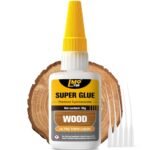
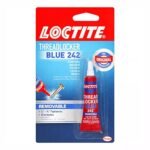
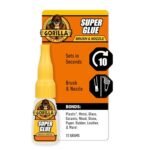
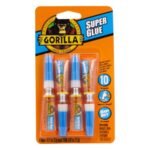
Priced above basic super glues but justified by a trusted brand, reliable gel formula, and controlled application that reduces mess.
Price vs. rivals
Pricier
CheaperTypicalPricier
Priced above typical drugstore super glue singles, reflecting the brand-name gel-control format and small tube size. It is clearly above mid-range, but not the most premium option available.
Ease of use
Excellent 90/100
The gel formula and precision tip make application easy and reduce mess, though careful handling is still needed to avoid sticking fingers.
Overview
If you’re wondering whether the Loctite Ultra Gel Control Super Glue is worth the $4.49 price, the short answer is: yes, if you’re tired of runny glue ruining your project. It’s a gel formula that stays put, cures fast, and works on the tricky surfaces—plastic, wood, metal—that often fight back against standard super glues. You get control without the drips, and that alone makes it a smart pick for small repairs.
This is an instant adhesive, a cyanoacrylate gel, packaged in a 0.14 oz bottle with a precisely cut nozzle. It’s designed for people who’ve had too many accidents with liquid super glue: the kind that seeps sideways, bonds your fingers, or leaves a white haze on a clear part. It solves the “Where did that go?” problem. You apply exactly where you want, and it stays. That matters when you’re fixing a plastic hinge or a ceramic mug handle.
Key Features
Gel control formula – It’s thick enough that you can dab a dot on a vertical surface and it won’t run. No more glued-to-the-table disasters.
No-drip vertical hold – Apply it to an upside-down piece of trim or a loose cabinet knob, and it stays where you put it. Cure happens on your schedule, not gravity’s.
Fast tack time for plastics – Most users report a set time inside 10–30 seconds on non-porous surfaces. That’s quick enough to hold parts in place without clamping forever.
Works on multiple materials – Plastic, wood, metal, rubber, ceramic, leather. It’s a generalist, but a good one. Expect strong bonds on all of them if surfaces are clean.
Low-odor formula – Cyanoacrylate has that sharp, irritating smell. This version is noticeably less aggressive. You can work indoors without feeling like you’re huffing solvents.
Precise applicator tip – The nozzle is narrow and tapered. You control the bead size. It’s not a needle, but it’s a lot easier than the fat tips on many glue bottles.
Fit for You
This glue fits specific moments, not every repair. It’s a good match if you:
Snap a plastic clip on a backpack strap and need it fixed before your afternoon walk.
Glue a loose veneer strip back onto a bookshelf and don’t want the glue oozing over the edge.
Repair a broken eyeglass temple (the kind with a tiny hinge) where liquid glue would flood the joint.
Fill a gap between a wood dowel and a hole that’s slightly too wide. The gel bridges the space.
Work on a project in a cold garage or drafty room. The gel thickens less than liquids in cool conditions, so it’s more predictable.
Hate the wasted glue that dries on the rim of the bottle. The narrow tip stays clean longer if you wipe it after use.
Uses
Think of the small, annoying break that makes you sigh. A ceramic mug handle cracks off. You could buy a new mug, but you like that one. The gel lets you dab a thin line on the broken edges, press and hold for twenty seconds, and set it aside to fully cure overnight. No slide, no mess.
Plastic repairs are the star here. A child’s toy car loses a wheel axle? A dab on the axle, press into the socket, hold for a count of ten. Done. You don’t need clamps or rubber bands. The gel’s body stops it from wicking into the plastic grain and weakening it.
Wood crafts work well, too. Gluing a small trim piece onto a picture frame? The gel won’t soak into the wood and leave a dark stain the way thin super glue does. It stays on the surface and bonds the two pieces together. For porous wood, you might want a tiny clamp, but for tight joints, the gel holds quickly.
Metal repairs happen less often, but when they do, the gel behaves itself. Fixing a broken metal bracelet clasp? Apply a tiny drop, press, and wait thirty seconds. You get a brittle bond, so don’t expect it to take heavy torque, but for low-stress jewelry fixes, it works.
Experience
You open the bottle and feel the weight of something small and purposeful. The cap is a standard push-and-twist top. It doesn’t stick to the nozzle if you keep the tip clean. The first squeeze gives you a blob of clear, thick gel that looks like a tiny slug. You steer it where you want, and it stops the moment you ease pressure. That’s the main event: control. No slow-motion horror of glue running onto your fingers.
Setup is simple: clean the surfaces with a dry cloth, maybe rub them with a little isopropyl alcohol if they’re greasy. The gel bonds best on clean, dry, non-porous materials. Wood needs a tiny bit of moisture in the air—it actually helps cyanoacrylate cure faster. If your wood is bone-dry, you might wait a little longer than the listed twenty seconds.
The small annoyance? The bottle is 0.14 oz, which is about four dollars for a tiny tube. It dries out fast if you don’t seal the cap tight. You get maybe a dozen solid uses before the nozzle clogs or the gel thickens in the bottle. Keep a pin handy to clear the tip, and store it upright in a cool place.
Cleaning up is simple—if you catch it wet, accelerate or nail polish remover (acetone) takes it off. Once cured, you’ll cut or sand it away. Don’t panic when your skin accidentally gets a drop; warm soapy water and gentle rubbing loosens it in a minute or two. It holds fast, but not forever on skin.
Pros and Cons
Pros
No-drip application – The gel consistency prevents messy runoffs, especially on vertical surfaces. You place the glue, you don’t chase it.
Fast set time on plastics – Most common plastics bond in under 30 seconds. You can let go and trust it.
Good bond strength for small repairs – Cured joints handle shearing forces well. A broken eyeglass arm held for months in casual use.
Low odor – The reduced fume level means you don’t have to ventilate a room as aggressively. Better experience overall.
Versatile material compatibility – Plastic, wood, metal, rubber, ceramic—it bonds to each one adequately. One bottle covers a range of household fixes.
Cons
Small bottle size – 0.14 oz is tiny. If you have a large project or need multiple repairs over weeks, you’ll go through it fast. Buy multi-packs.
Clogs easily – The nozzle tends to dry up after a few uses if you don’t clean it thoroughly. Keep a thin wire or pin on hand.
Gap-filling is limited – It works best on tight-fitting joints. If a crack is more than a hairline wide, the gel may not bridge it reliably. You’d want a thickening powder or a different adhesive.
Brittle on flexible materials – Bonded rubber or soft plastic can snap if bent repeatedly. This glue is rigid; for flexible joints, use a flexible epoxy instead.
Not outdoor-rated – It’s not waterproof. If used outdoors, moisture and UV will degrade it over months. For garden furniture, use something weatherproof.
Advantages
Where does this beat the typical super glue? For starters, Loctite Ultra Gel Control vs Gorilla Glue is a common comparison, and the clear winner here is control. Gorilla Glue’s original super glue is runny; this one stays put. Gorilla’s gel version is thicker but often leaves a white residue on dark plastics. Loctite’s formula is clearer and less likely to fog.
Another advantage: the low odor. Standard cyanoacrylate glues can make your eyes water. This one dials that back, so you don’t feel like you’re inhaling nail polish remover. That’s a real benefit if you work indoors with minimal ventilation.
The best super glue for plastic repairs depends on the plastic type, but for most household plastics—ABS, polystyrene, acrylic—this gel grips well without cracking. No need to prime or sand first, as long as the surface is clean. That saves time.
The price per ounce is high, but the waste is low. You use exactly what you need, less dries on the tip, and fewer repairs fail because of accidental overflow. For small, precise jobs, the effective cost is lower than a cheap bottle that half-evaporates.
Who Should Buy
Buy it if you fix small plastic items—toys, glasses, electronics housings—where precision matters more than huge strength. You hate the mess of liquid glue.
Buy it if you do wood crafts like model building, jewelry making, or fixing furniture veneers. The gel stops the soak-in problem.
Buy it if you want a one-glue option for quick household repairs that don’t involve heavy loads or outdoor exposure.
Skip it if you need to glue large areas or fill big gaps. Look for epoxy or construction adhesive instead.
Skip it if you’re bonding things that will flex, like a phone case or a rubber bumper. You’ll want a flexible adhesive or a rubber-toughened cyanoacrylate.
Skip it if you’re on a strict budget for high-volume use. A larger bottle of standard super glue is cheaper per fix, even if you lose some to waste.
FAQ
Is the Loctite Ultra Gel Control Super Glue worth it?
Yes, for precise small repairs where you need control and fast set time. The gel stops drips and allows accurate placement. At about $4.50, it’s a good buy for occasional use, but expect to repurchase if you have many projects.
What is the Loctite Ultra Gel Control dry time?
On non-porous surfaces like plastic or metal, the glue sets in 10–30 seconds. Full cure takes 24 hours, but the bond holds enough to handle gently after a minute. Wood and porous materials may take a bit longer because the moisture content varies.
How long does a Loctite Ultra Gel Control bond last?
For indoor, low-stress repairs like a broken toy or a ceramic knickknack, the bond can last many months to years. It degrades with repeated flexing, heat, or moisture. Outdoors, expect a few months before UV and humidity weaken it.
Is Loctite Ultra Gel Control safe for plastic models?
Generally yes, for common model plastics like styrene, ABS, and polystyrene. It won’t melt them like some solvent-based glues. But test on a hidden spot first: it can cause micro-crazing on some clear plastics under stress.
Can I use Loctite Ultra Gel Control on wood crafts?
Yes, it’s one of the better super glues for wood crafts because the gel doesn’t soak in and stain the wood. It bonds quickly if the wood is dry and clean. For porous woods, a light sanding helps. It won’t fill gaps larger than a thin sheet of paper.
Does Loctite Ultra Gel Control work on metal?
It bonds well to clean, bare metal surfaces. Steel, aluminum, and brass all hold firmly. The joint is brittle, so avoid heavy impact loads. For metal-to-metal, you might get better gap-filling from an epoxy, but for small parts like a bracket or a clasp, this works fine.
Final Verdict
The Loctite Ultra Gel Control is a reliable, precise tool for anyone who does light repairs around the house. You get the control of a gel without the mess of thin super glue, and it handles the surfaces that matter most: plastic, wood, and metal. It’s not a heavy-duty solution, and the tiny bottle means you’ll run out faster than you expect. But for the price of a coffee, you solve that one broken thing that’s been sitting in a drawer for weeks.
One thing to keep in mind: store it upright with the cap tight, and keep a pin to unclog the nozzle. If you can live with that ritual, this glue earns its spot in your toolbox. For the typical household fix, the Loctite Ultra Gel Control is worth the small investment.
Loctite Ultra Gel Control Super Glue vs the Competition in 2026
This Loctite Ultra Gel Control review is for anyone who has bought a cheap tube of super glue, squeezed it too hard, and ended up wearing the repair rather than making it. That’s the exact mess this gel was designed to stop. Loctite’s version isn’t the cheapest on the shelf, and it isn’t the biggest. What it does better than almost everything in its price range is put the glue only where you intend it to go. For a category full of watery tubes and gloopy nozzles, that control makes it the default pick for careful repairs around the house.
Product
Price Range
Key Strength
Key Weakness
Best For
Loctite Ultra Gel Control Super Glue
Mid — $4.49 for a small 0.14 oz tube
Pinpoint metal tip with a non-drip gel formula
Tiny bottle runs out fast on bigger jobs
Plastic repairs, wood crafts, small household fixes
Gorilla Glue Original Gorilla Super Glue Gel
Mid (similar price to Loctite)
Thick gel fills gaps and holds vertical surfaces well
Chunky nozzle makes precise work awkward and stringy
Large breaks, gap filling, rougher repairs
Starbond Medium CA Glue
Budget-to-mid (cheaper per ounce in bulk bottles)
Excellent value for woodworking and model work
Runs easily and needs a separate precision tip
Woodworkers, hobbyists, anyone using activator
Krazy Glue Home & Office
Budget (a few dollars less)
Cheap, available everywhere, bonds quickly
Thin and messy; hard to aim precisely
Quick household fixes where precision doesn’t matter
Permatex Super Glue Gel
Mid (comparable to Loctite)
Good on rubber and plastic, no-clog applicator
Slower dry time and less precise application
Automotive trim, gaskets, rubber parts
Loctite Ultra Gel Control Super Glue vs Gorilla Glue
This is the comparison most people actually care about. Loctite Ultra Gel Control Super Glue vs Gorilla Glue comes down to how annoyed you get when glue goes somewhere it shouldn’t. The Loctite tip is a thin metal needle that lets out a bead small enough to sit on the head of a pin. That’s a lifesaver for something like reattaching a cracked plastic tab on a drawer or fixing a hinge where a stray drop will lock the whole thing shut. Gorilla’s gel is tougher and does a brilliant job filling gaps on bigger surfaces, but the wider plastic nozzle makes it clumsy on fine work. You end up with a string of glue across your fingers every time you pull away. On dry time, the Loctite Ultra Gel Control dry time is genuinely quick: it grabs in about 15 to 30 seconds and cures fully overnight. Gorilla will hold too, but the real difference isn’t speed, it’s control.
Loctite Ultra Gel Control Super Glue vs Starbond CA Glue
Starbond is a serious alternative for people who glue things all day and don’t want to pay a big markup for a fancy nozzle. A bulk bottle of Starbond Medium is far cheaper per ounce than the Loctite, and it’s probably the best super glue for plastic repairs when you’re working through a whole batch of model parts or 3D prints. But the stock bottle wants to run, not bead. You’ll need to buy a separate precision applicator, and by the time you do, the price gap starts to close. The Loctite is the better choice for wood crafts because the gel doesn’t soak into the grain as quickly, so you can clamp two pieces without the glue bleeding through and staining the surface. Starbond is fantastic value, but it asks you to bring your own control.
Loctite Ultra Gel Control Super Glue vs Krazy Glue Home & Office
Krazy Glue Home & Office is the cheap, familiar route, and it’s absolutely fine for gluing the corner of a mat or fixing a shoe sole. It’s just not in the same class for precision. The liquid is thin, the tube gives you no warning before it floods out, and you’ll frequently glue your fingers to the workpiece before you glue the workpiece together. If you’re asking “is Loctite Ultra Gel Control worth it,” the answer shows up the first time you use it on a broken pair of glasses or a ceramic mug handle. Yes, it costs more than Krazy Glue. But the Loctite is more likely to stick to the one spot you aimed at, and that saves you from the only truly annoying part of using super glue: the mess you make before it dries.
Loctite Ultra Gel Control Super Glue vs Permatex Super Glue Gel
Permatex doesn’t get enough attention in the super glue conversation. It does an excellent job on rubber and plastic trim, especially in cars, and its gel stays where you put it. But it’s slower to set, and the applicator, while reliable, doesn’t give you the same needlepoint accuracy as the Loctite. If you’re fixing a cracked tail light or a loose interior panel, take the Permatex. For repairs that require delicacy, the Loctite is still the one I’d reach for.
So who should buy the Loctite Ultra Gel Control Super Glue? Anyone doing small, careful repairs where one stray drop ruins everything: broken plastic clips, model kits, wood inlays, picture frames, ceramics. If you’re mostly gluing big blunt surfaces, or you want maximum glue for minimum cash and don’t mind a bit of stringing, get the Gorilla Glue gel or a bulk Starbond bottle instead.
Ready to decide on the Loctite Ultra Gel Control Super Glue?
See today’s price, stock and delivery options on Amazon.