The Quest bar offers a balanced value proposition with strong macros and dietary alignment, but its protein bar category competition and per-bar cost place it in solid mid-tier territory without commanding a premium reputation.
Price vs. rivals
Typical
CheaperTypicalPricier
Priced competitively within the premium protein bar segment, neither notably cheap nor expensive compared to similar alternatives.
Ease of use
Excellent 90/100
Simply unwrap and eat, requiring no preparation or utensils, making it very easy for anyone to use.
Overview of the Quest Cookie Dough Protein Bar
Quest Cookie Dough Protein Bar review — if you’re on keto, counting carbs, or just tired of protein bars that taste like cardboard, this one is worth a try. It’s a 200‑calorie bar with 21g of protein, 1g of sugar, and 4g of net carbs, sweetened with erythritol and stevia. The texture is soft and doughy, the flavor is convincing enough to satisfy a cookie craving, and it fits macros for low-carb and gluten‑free diets. You’ll pay about $2.20 per bar, which is fair for a portable meal that actually fills you up.
This bar solves a simple problem: you need a snack that keeps blood sugar stable, doesn’t wreck your ketosis, and doesn’t make you dread lunchtime. It’s really for people who prioritize protein and fiber over sugar and carbs—athletes, office workers, commuters, anyone who wants to eat clean without a fridge nearby.
Key Features
21g protein per bar — That’s enough to support muscle repair after a workout or keep hunger at bay for a few hours. It comes from a blend of milk protein isolate and whey protein isolate, so you’re getting complete amino acids.
Only 1g sugar — Most protein bars pack 10–15g of added sugar. Quest uses erythritol and stevia instead, which means no sugar crash and no guilt for anyone watching their carbs.
4g net carbs — After subtracting 14g of fiber and 1g of sugar alcohols, you’re looking at just 4 carbs. That’s keto‑friendly, low‑carb friendly, and diabetic‑friendly as long as you tolerate sugar alcohols well.
Gluten‑free and keto‑certified — The bar contains no wheat, rye, or barley ingredients. It’s also labeled keto‑friendly by Quest, so you can trust the carb count for strict keto.
No added sugar, no soy — Unlike some competitors, Quest leans on whey and milk proteins rather than soy. The sweeteners are all non‑glycemic, so you won’t see a blood sugar spike.
Fit for You
You follow a keto or low‑carb diet and need a snack that won’t blow your daily carb limit.
You keep a protein bar in your glove box or backpack for emergencies—this one won’t melt or turn into a brick.
You’re tired of protein bars that taste like chalk and want something that actually resembles dessert.
You make a smoothie every morning but hate cleaning a blender — crumble half a bar into yogurt or milk for a quick, no‑blend breakfast.
You’re gluten‑intolerant and get nervous about cross‑contamination from other brands.
Uses
After a heavy leg day, you’ll pop one in your gym bag and eat it on the drive home. It’s chewy but not sticky, so you can open it one‑handed while stopped at a light. The 21g of protein helps your muscles recover without the sugar crash you’d get from a sports drink.
Mid‑afternoon slump at the office. Instead of raiding the vending machine for chips, you pull out a Quest Cookie Dough bar. It’s satisfying enough to kill the hunger, but the fiber and fat keep you steady until dinner. You won’t get the jitters from caffeine or a sugar spike.
On long hikes, it’s smaller than a sandwich and won’t go bad in your pack. The bar holds up in heat better than chocolate‑coated ones — no messy melt. Just be ready with a water bottle; it’s dry enough that you’ll want a swallow after each bite.
Experience
Opening the wrapper takes a bit of effort—the seal is tight, and the bar can break if you yank too hard. Once you’ve got it out, you’ll see a dense, square bar that looks like pale cookie dough studded with tiny chocolate chips. The texture is soft and slightly crumbly, not sticky like a candy bar. It yields when you bite, but it doesn’t dissolve instantly.
The first taste is sweet—the erythritol hits your tongue fast, with a cooling sensation like a sugar‑free gum. The chocolate chips are real, though small, and they add little pops of cocoa. The aftertaste is mild, nothing like the bitter metallic tang of some stevia‑sweetened bars. You’ll notice a slight dryness after a few bites, so sipping water or coffee helps.
It fills you up more than a 200‑calorie snack should. The 14g of fiber plus the protein create real satiety. You won’t be hungry again in an hour. That’s the main reason people buy these in 12‑packs: they work as meal replacements when you’re rushing.
One small annoyance: the bar can stick to your teeth, especially the outer edges. And if you leave a bar in a hot car, it softens but doesn’t turn into goo—it just gets harder to eat neatly. Storage is fine at room temperature, but a cool drawer keeps the dough from softening.
Pros and Cons
Pros
Great macro profile — 21g protein, 4g net carbs, 1g sugar. That’s hard to beat for a packaged snack.
Fills you up — The fiber/protein combo keeps you satisfied for 3–4 hours, unlike many bars that leave you hungry.
Decent taste for a keto bar — It’s not a gourmet cookie, but it’s far better than chalky or chemical‑tasting alternatives.
Widely available — Amazon, most grocery chains, even some gas stations carry them. No hunting around.
Gluten‑free and keto‑certified — You don’t have to guess whether the label is trustworthy.
Cons
Contains sugar alcohols — Erythritol can cause gas or bloating in some people, especially if you eat more than one bar a day.
Taste is still artificial — The sweetener has a cooling aftertaste, and the dough isn’t as buttery as real cookie dough. It’s good, not great.
Price per bar — ~$2.20 each is higher than generic bars, though comparable to other premium low‑carb brands.
Sticks to teeth — The chewy texture leaves residue. You’ll want to brush or at least swish water afterward.
Not for non‑low‑carb eaters — If you don’t need keto macros, you can find cheaper bars that taste better because they use real sugar.
Advantages
In a Quest vs RXBAR protein bars showdown, the differences are clear. RXBARs are made with dates, egg whites, and nuts—no sugar alcohols, but they pack 20–25g of carbs and 10–12g of sugar. Quest bars are better for keto, lower in sugar, and higher in protein per gram. RXBARs taste more natural (like a fig bar), while Quest tastes more like a cookie‑dough treat. Your choice depends on whether you prioritize whole‑food ingredients or macro precision.
Compared to other best protein bars for keto diet options like Dang or Perfect Keto, Quest is cheaper per bar and easier to find. It also has a wider range of flavors. The catch is that those competitors often use allulose or monk fruit, which cause fewer digestive issues. Still, for the price and availability, Quest holds its ground.
Who Should Buy
You’ll love it if you’re on keto or low‑carb and need a quick protein fix that fits your macros. Also if you’re gluten‑free and want to avoid surprise gluten in other processed snacks.
You’ll like it if you’re not low‑carb but want a higher‑protein, lower‑sugar option for post‑workout recovery. Just be aware that the taste is less indulgent than a regular snack bar.
Skip it if you’re sensitive to erythritol (gas, bloating, or laxative effect). Also skip if you prefer whole‑food ingredients like dates and nuts—RXBAR or Larabar would suit you better.
Definitely skip it if you’re looking for a treat that tastes identical to a real cookie. This is a health bar dressed up as dessert, not a dessert.
FAQ
Is the Quest Cookie Dough Protein Bar worth it?
Yes, if you want a convenient, macro‑friendly bar that fits keto, low‑carb, or gluten‑free diets. The taste is good for the category, the protein and fiber fill you up, and the price is reasonable compared to similar bars. Just don’t expect cookie‑dough bakery quality.
Are these bars safe for diabetics?
Generally yes. With only 1g of sugar and 4g of net carbs, they won’t spike blood sugar. However, the sugar alcohols can cause digestive discomfort in some people, so start with half a bar to see how you respond.
Do they taste like real chocolate chip cookie dough?
Close but not identical. The texture is soft and doughy, and the chocolate chips are real. But the sweetness comes from erythritol, which has a cooling aftertaste. Fans say it’s the best‑tasting Quest flavor, but it’s still a diet bar.
How many carbs are in one bar?
Total carbs are 24g, but 14g of fiber and 6g of sugar alcohols bring the net carbs down to 4g. Perfect for keto and low‑carb diets. If you’re counting total carbs, it’s 24g.
Can I eat these if I’m not on keto?
Sure. They’re a portable, high‑protein snack that’s lower in sugar than most bars. But you’ll pay a premium for ingredients you might not need. If you don’t care about net carbs, a regular granola bar is cheaper and tastier.
How long do they last in storage?
Unopened, they stay fresh for about 6–9 months if kept in a cool, dry place. Once opened, eat the whole bar — they don’t reseal well and will dry out. Avoid hot cars; the dough softens but doesn’t spoil quickly.
Final Verdict on the Quest Cookie Dough Protein Bar Review
This Quest Cookie Dough Protein Bar is a smart buy for anyone who needs a portable snack that fits keto, low‑carb, or gluten‑free eating. The macros are excellent, the flavor is above average for the category, and the satiety is genuine. You’ll get a solid return on your $2.20 per bar if you value convenience and precision.
The one thing to keep in mind: sugar alcohols. If your stomach tolerates erythritol, you’re golden. If not, you might want to test a single bar before committing to a 12‑pack. For everyone else, this is one of the most reliable low‑carb protein bars on the shelf—honest, filling, and easy to recommend.
Quest Cookie Dough Protein Bars vs the Competition in 2026
The Quest Cookie Dough Protein Bar review starts with a simple fact: it’s a keto-friendly bar that doesn’t taste like dry sawdust. The Quest Nutrition bars chocolate chip cookie dough flavor is the one most people mean when they say “cookie dough protein bar.” It costs $26.36 per 12-count, holds a 4.4-star average, and sits right in the middle of the market. This comparison is mostly about how far you’re willing to stretch the word “dough.” In this low carb protein bar review, the real rivals are RXBAR, Think!, and Pure Protein.
Product
Price Range
Key Strength
Key Weakness
Best For
Quest Chocolate Chip Cookie Dough
Mid: $26.36 per 12-count
21g protein, low net carbs, gluten free
Texture can be dense and slightly chalky after a few bites
Keto dieters and low-carb snackers who want a sweet bar
RXBAR Chocolate Sea Salt
Premium: costs more per bar than Quest
Whole-food ingredients, egg white protein, no added sugar
Only 12g protein and too many carbs from dates for keto
Clean-label fans who aren’t strict about carbs
Think! Chocolate Chip Cookie Dough
Mid: similar price to Quest
20g protein, low sugar, satisfying texture
Firmer and more cake-like than actual cookie dough
People who want a filling high-protein bar without paying extra
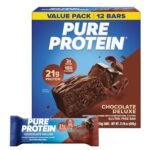
Pure Protein Chocolate Chip Cookie Dough
Budget: less per bar than Quest
21g protein, chocolate coating, easy to find
Maltitol can cause digestive issues; sweeter flavor
Tight budgets who need protein without a high price
Quest Cookie Dough Protein Bars vs RXBAR protein bars
Quest Cookie Dough Protein Bars vs RXBAR protein bars is really a matter of priorities. RXBAR’s entire pitch is a short label: dates, egg whites, chocolate, maybe some sea salt. That’s great if you can tolerate the higher carbohydrate load from dates and the lower protein count. But if you’re looking for the best protein bars for keto diet, RXBAR is out. Quest uses whey protein isolate, milk protein, fiber, and a sugar alcohol to get a bar with around 20g protein and only a few net carbs. You pay for that with a longer ingredient list and a slightly chemical aftertaste that some people notice. The Quest bar is the better workout-recovery or dessert substitute. The RXBAR is the better whole-food snack if you don’t count carbs. In the Quest vs RXBAR protein bars debate, you’re choosing between macro control and ingredient simplicity.
Quest Cookie Dough Protein Bars vs Think! Chocolate Chip Cookie Dough
Think! is the closest competitor on paper. The Think! Chocolate Chip Cookie Dough High Protein Bar has about 20g protein and a similar price point. The real difference is texture. Quest is softer, denser, and closer to the fudgy center of a cookie. Think! is firmer and a bit crumbly, more like a baked bar that’s been sitting in a backpack. Think! has a cleaner flavor, but it also feels more like a protein bar. If you’re tired of bars that pretend to be candy, Think! might be the better everyday pick. Quest is the one you want when you’re craving something dessert-like but still need to hit your protein target. Both are solid high-protein low-carb bars, but the chew and sweetness are the deal-breakers.
Quest Cookie Dough Protein Bars vs Pure Protein
Pure Protein is the budget wildcard. You can often find it for less per box than Quest, and it still puts up 21g protein. The chocolate coating makes it taste like a candy bar, but the sweetness is more artificial and the maltitol can cause stomach trouble if you eat more than one. Quest’s ingredients are generally better, even though Quest also uses sugar alcohols. For a quick protein fix on the go, Pure Protein works. For a snack that also deserves a place in a low carb protein bar review, Quest has the edge. If you don’t react badly to maltitol and you want to save a few dollars, Pure Protein is a fine alternative. If you want chocolate chip cookie dough that actually tastes like the name, spend the extra money on Quest.
So, is Quest protein bars worth it? For most people looking for high protein low carb bars gluten free, yes. The Quest nutrition bars chocolate chip cookie dough version is consistent, satisfying, and close enough to a treat that you won’t feel punished at snack time. It’s the right choice if you’re on keto, if you want more than 15g protein per bar, or if you just want a portable chocolate chip cookie dough bar without a sugar crash. But if you need a clean label and don’t mind higher carbs, get an RXBAR instead. If your priority is the lowest price and you handle maltitol fine, Pure Protein wins. Quest sits in the middle, and that’s exactly where it belongs.
Ready to decide on the Quest Cookie Dough Protein Bars?
See today’s price, stock and delivery options on Amazon.