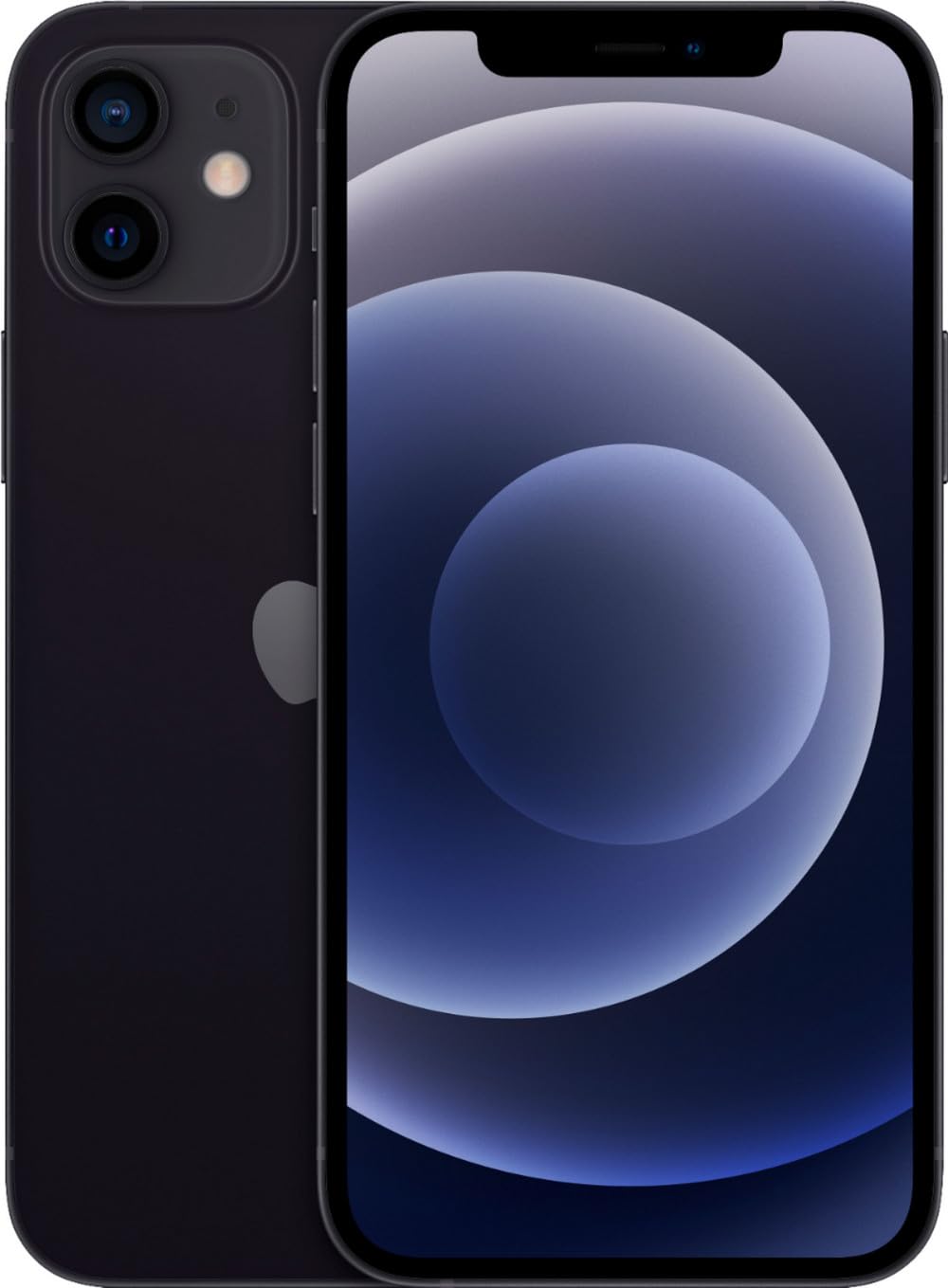
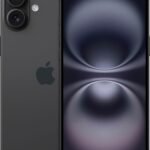
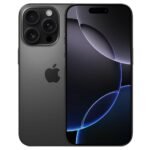
This renewed iPhone 12 offers strong value at a low entry price, appealing to budget-conscious buyers seeking reliable performance.
Price vs. rivals
Cheaper
CheaperTypicalPricier
Priced well below typical refurbished iPhone 12 listings, making it a budget-friendly option among similar pre-owned models.
Ease of use
Excellent 90/100
The iPhone 12's intuitive interface and consistent performance make it highly accessible for the average user.
Overview
The iPhone 12 is Apple’s 2020 flagship, and in 2026 it’s the price of a decent dinner out for two. At $199.99 renewed, it solves the “I need a modern iPhone but I’m not spending $800” problem. It’s really for someone who wants a phone that still feels premium—OLED screen, proper camera system, wireless charging—without the monthly payment plan.
The catch is the 64GB storage. That’s the real gatekeeper here. If you take more than a few apps and some photos, you’ll be fighting the “Storage Almost Full” notification before lunch on day one. But as a secondary phone or for a light user? It works.
Key Features
6.1-inch Super Retina XDR OLED display – Blacks are actually black. HDR content looks punchy. It’s the same screen tech Apple used in the iPhone 14 Pro, which is weird to say about a $200 phone.
A14 Bionic chip – Still fast enough for everyday apps, maps, social feeds, and even some light gaming. It won’t choke on iOS 18. It just won’t set speed records anymore.
Dual 12MP camera system (wide + ultrawide) – Daytime shots are great. Night mode is surprisingly decent for the age. The ultrawide is useful for group photos but gets soft in low light.
MagSafe wireless charging – Magnets in the back for chargers, wallets, and stands. It’s a genuinely nice convenience that the iPhone SE (the other budget option) leaves out.
IP68 water resistance – Survives a drop in a puddle or a splash from a drink. Not for swimming, but your average “oops” moment is covered.
5G (sub-6 GHz) – Works on most carriers’ 5G networks. Not the super-fast mmWave kind, but the “downloads are quick enough” kind. Fine for streaming and downloads.
Fit for You
You want an iPhone for the iOS ecosystem—Messages, FaceTime, AirDrop—but can’t stomach the current new price.
You’re buying a first smartphone for a teen or older relative who just needs calls, texts, and a decent camera.
You need a backup or travel phone that won’t cause panic if it gets lost or stolen.
You already own MagSafe accessories (chargers, battery packs) and don’t want to lose that convenience.
You’re okay managing storage like it’s 2015—deleting old apps, offloading photos to the cloud regularly.
You value one-handed use over a giant screen. The 6.1-inch size is comfortable in most hands and pockets.
Uses
Pulling it out for a quick photo at a weekend market: you get a sharp, colorful shot without fiddling with settings. The ultrawide fits the whole stall in frame, which the older iPhones couldn’t do.
Using it for GPS on a road trip: the screen stays bright enough to see in direct sun, and the GPS lock is fast. Battery will drop faster than a newer phone, but a car charger solves that.
Streaming a movie on a flight: held in your hand, the OLED makes the blacks in dark scenes actually dark instead of gray. The speakers get loud enough to hear over engine hum, barely.
Taking a Zoom call: the camera is fine for a desk or coffee shop. The microphone picks up your voice better than you’d expect from a phone this old.
Experience
Getting it set up is smooth. Unbox the renewed phone, charge it (USB-C to Lightning cable included, no charging brick), and set it up from your old phone or iCloud backup. The renewed condition typically means a new battery, but not always—check the listing. Owners mention the battery health varies from 85% to 100% on renewed units.
The weight and feel are solid. The flat aluminum edges are a relief after the slippery rounded sides of the iPhone 11. It sits in the hand secure. The glass back is a fingerprint magnet unless you use a case. Most people will want one, because the glass is also fragile. Dropping it on concrete without a case is a gamble.
The small annoyance is the 64GB storage. After iOS 18 and system files, you’ll have about 12–15GB free. That’s a couple of apps, a handful of photo shoots, and then the warning pops up. Cloud storage helps, but it’s a workaround, not a solution.
Battery life is average for 2026. A full charge gets you through a moderate day—social media, messaging, some video. Heavy use kills it by late afternoon. The MagSafe charger is slower than a wired fast charger, so stick with the cable if you need a quick top-up.
Pros and Cons
Pros
Price – $199.99 for a phone that still gets iOS updates and runs well is rare. This is one of the best renewed iPhone for budget buyers in 2026.
OLED screen – Most sub-$300 phones use LCD. The iPhone 12’s screen is noticeably richer and more contrasty. You’ll see the difference watching dark scenes.
MagSafe – The magnetic attachment is genuinely useful for car mounts, battery packs, and charging stands. It’s not a gimmick once you use it daily.
Camera still holds up – In good light, photos look as good as many current mid-range Android phones. Portrait mode works well on people and pets.
Software support – Apple typically supports iPhones for 5–6 years. The iPhone 12 likely gets at least two more major iOS updates, maybe three.
Cons
64GB is tight – This is the biggest limitation. You’ll manage storage constantly. If you shoot video or download games, get a higher storage model instead.
Battery life is just okay – It won’t make it through a long day of heavy use. The battery also degrades faster than newer phones, especially on a used unit.
No telephoto zoom lens – The iPhone 13 Pro and later have a 3x zoom. Here, you’re stuck with digital zoom that looks soft past 2x. If you shoot distant subjects, this isn’t the phone.
Charging brick not included – It’s an Apple policy, not a flaw of this specific phone, but it’s annoying. You’ll need to buy a 20W USB-C charger separately.
Build is fragile compared to newer phones – The glass back and front are prone to cracks. A case is nearly mandatory. The aluminum frame also scratches more visibly than stainless steel.
Advantages
Versus a new budget Android phone at the same price – The iPhone 12 gets faster performance (the A14 beats most Snapdragon 6-series chips), a better screen, and years of software updates. Android phones at $200 typically get one OS update, maybe two.
Versus an older iPhone like the iPhone 11 – The OLED screen alone makes the upgrade worthwhile. The 12 also has 5G, MagSafe, and a flat-edged design that feels more modern.
Versus the iPhone 13 – The 13 has a slightly better battery, a brighter screen, and a sensor-shift camera stabilizer. But the iPhone 12 vs iPhone 13 difference often isn’t worth $100–150 more to most people. The 12 is 90% of the phone for less money.
Versus paying full retail – At $199.99 renewed, you avoid the $600+ depreciation curve. If you drop it, you’re not heartbroken. It’s the pragmatic choice.
Who Should Buy
Buy it if: You need an iPhone on a strict budget. You’re okay with 64GB and use cloud storage. You prefer a smaller phone. You want MagSafe. You’re buying for a kid or as a work line.
Skip it if: You need more than 64GB. Look for a 128GB iPhone 12 or 13 instead. You want a great camera for low light or zoom shots. Consider an iPhone 13 or a recent Google Pixel. You want the best battery life. The iPhone 13’s battery is noticeably better for similar money renewed.
FAQ
Is the iPhone 12 worth it in 2026?
Yes, if you’re on a tight budget and don’t mind managing 64GB of storage. It still runs iOS smoothly, takes good photos, and has a premium screen. Just don’t expect top-tier battery life or expandable storage.
How long will the iPhone 12 get software updates?
Apple typically supports iPhones for five to six years after release. The iPhone 12 should receive at least two more major iOS updates, plus security patches for a couple of years after that. You’re safe until around 2028.
Does the iPhone 12 have a headphone jack?
No. The iPhone 12 only has a Lightning port for charging and wired audio. You’ll need Lightning EarPods, a Lightning-to-3.5mm adapter, or Bluetooth headphones. Most renewed listings don’t include an adapter, so factor that in.
Is the iPhone 12 water resistant?
It has an IP68 rating, meaning it can survive submersion in up to 6 meters of water for 30 minutes. That rating applies to a new phone. On a renewed unit, the seals may have degraded. Don’t take it swimming, but a splash or rain is fine.
Is the 64GB version too small in 2026?
For most people, yes. After iOS 18 and system files, you’ll have around 12–15GB free. That’s enough for a handful of apps, some music, and a few photos. If you shoot video or download games, you’ll run out fast. Cloud storage helps but isn’t a full fix.
Does it work with MagSafe accessories?
Yes, fully. The iPhone 12 has the built-in magnet ring for MagSafe chargers, wallets, car mounts, and battery packs. It’s one of the key advantages over the iPhone 11. The magnetic attachment is strong enough for most cases, too.
Final Verdict
The renewed iPhone 12 at $199.99 is a solid buy for anyone who needs a functional, modern-ish iPhone without spending much. The OLED screen, MagSafe, and decent camera make it feel more premium than the price suggests. The 64GB storage is the real anchor—it forces you to live in the cloud and keep your app list lean.
If you can live with that, this is one of the smartest picks for a cheap iPhone in 2026. If you can’t, spend a little more on a 128GB model or a renewed iPhone 13. But for the price, the iPhone 12 delivers where it counts. This Apple iPhone 12 review would be a lot less interesting if it were still $600, but at $200, the trade-offs are easy to stomach.
In 2026, buying a renewed iPhone 12 for around $200 puts you in a weirdly good spot – but only if you know what you’re giving up. It’s not the newest thing, and the 64GB storage will make you picky about photos and apps. But for the price, you get a phone that still feels fast, has wireless charging, and will get security updates for a couple more years. The real question is whether a similarly priced Android or a slightly pricier iPhone 13 makes more sense for your actual day-to-day. Here’s how the iPhone 12 stacks up against three real alternatives right now.
Product
Price Range
Key Strength
Key Weakness
Best For
iPhone 12 (64GB, Renewed)
Under $200
Solid performance, MagSafe, 5G, great ecosystem
Only 64GB storage, no ProMotion, average battery life
Budget-conscious Apple fans who don’t shoot much video
iPhone 13 (Renewed)
Around $300
Better battery, improved cameras, 128GB base
Costs $100+ more for incremental upgrades
Anyone who can stretch the budget for noticeably longer screen time
Samsung Galaxy A54
$250–350 (new)
Excellent 120Hz OLED display, microSD slot, IP67
Slower chipset, plasticky build, fewer OS updates ahead
People who want a smooth screen and expandable storage on a midsize phone
Google Pixel 6a (Renewed)
$200–280
Best camera in this price range, clean Android, Google Photos backup
60Hz screen, slower charging, no headphone jack
Photo lovers and Android purists who value software over hardware flash
iPhone 12 vs iPhone 13: Is the Upgrade Worth the Extra Cash?
The iPhone 12 vs iPhone 13 comparison is the most common trap you’ll fall into. On paper they look almost identical – same 6.1‑inch size, same design, same camera layout. But the iPhone 13 fixes the 12’s two biggest annoyances: battery life and storage. The 13’s A15 chip is more efficient, so you’ll get an extra two to three hours of screen time. And the 128GB base storage means you aren’t constantly deleting apps to make room for a weekend trip video. If you’re the kind of person who keeps a phone for three or more years, spend the extra $100 on the 13. You’ll feel the difference by year two. If you only need a secondary phone or plan to upgrade again in a year, save the money and grab the 12.
iPhone 12 vs Samsung Galaxy A54: iOS vs Android, Practicality vs Polish
Here’s where it gets interesting. The Galaxy A54 costs about the same as a renewed iPhone 13, but it’s a new device with a 120Hz screen – which makes scrolling feel noticeably smoother than the iPhone 12’s 60Hz panel. You also get a microSD slot, so storage anxiety vanishes, and the IP67 rating means it can survive a dunk in the sink. But the Exynos 1380 chip inside the A54 can’t match the iPhone 12’s A14 for raw gaming performance or app launch speed. The iPhone’s ecosystem – iMessage, AirDrop, seamless AirPods pairing – is a genuine advantage if your friends and family are all on Apple. The A54 is the better choice if you prefer Android, want a nicer screen, and don’t care about processor grunt. If you’re already in Apple’s orbit, stick with the 12.
iPhone 12 vs Google Pixel 6a: The Camera Showdown
The Pixel 6a is the strongest argument against buying the iPhone 12. Google’s camera processing is flat-out better – low‑light shots have less noise, portraits get cleaner edge detection, and you get unlimited Google Photos backup (in compressed form, but still). The Pixel also runs a near‑stock version of Android with guaranteed updates through late 2026. The downsides? A 60Hz screen that looks a bit dull next to the iPhone 12’s OLED, and slower charging – you’ll wait nearly two hours for a full charge. For the price of a renewed 6a (around $200–280), you sacrifice raw app performance and the Apple ecosystem, but you get a camera that rivals phones costing double. If photography is your main reason for owning a phone, pick the Pixel. If you want smoother everyday use and better accessory integration, the iPhone 12 wins.
So who should buy the renewed iPhone 12 at $199.99? Anyone who wants a dirt‑cheap entry into iOS with decent speed, 5G, and MagSafe – and doesn’t mind rationing storage. It’s the best renewed iPhone for budget buyers who don’t need the latest camera or all‑day battery. But if you can spare another $100, grab the iPhone 13 instead – you’ll forget the 12 existed by lunchtime. And if you’re not tied to Apple, the Pixel 6a gives you a better camera for the same money, while the Galaxy A54 offers a buttery display and expandable space. Pick the iPhone 12 only when iOS itself is the reason, not the specs.
Ready to decide on the iPhone 12?
See today’s price, stock and delivery options on Amazon.