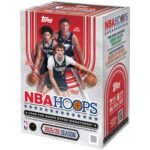
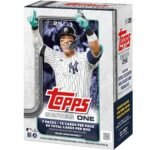
This value box offers an affordable entry point into a signature series, providing decent collectibility for its price tier.
Price vs. rivals
Typical
CheaperTypicalPricier
Priced at a typical mid-range level for similar basketball card value boxes, neither notably cheap nor expensive relative to peers.
Ease of use
Excellent 92/100
The factory sealed box and packs are straightforward to open with minimal effort, making it easy for an average person to access the cards.
Overview
This Topps Signature Class review is the straight answer: it’s a fun, affordable rip with a real chance at a rookie auto, but you’re likely to end up with a stack of base cards. It solves the problem of wanting to open something with signature potential without spending hundreds. It’s really for the collector who enjoys the chase itself, not just the guaranteed value.
At about $70 for a box with 42 cards, you’re gambling on the lottery of the autograph. The product doesn’t pretend to be a complete set builder. It’s a hit-or-miss experience centered on the thrill of pulling a signed card, and for many collectors, that’s exactly the point.
Key Features
7 Cards per Pack, 6 Packs per Box: You get 42 total cards. That’s a quick rip, not an afternoon project. The small count means every pack carries a little tension, which is part of the fun.
On-Card Rookie Autographs: The signatures are on the card, not on stickers. Collectors tend to prefer this for aesthetics and long-term value, and this series is known for clean, visible autos when you hit them.
Base Card Design with Parallels: The base set features a clean, modern look. Parallels (colored borders, numbered versions) add a layer of chase within the base, so even a non-auto pack can still hold value if you hit a low-numbered parallel.
Factory Sealed Value Box Format: This isn’t a hobby box. You’re getting a retail-style product, which means lower price but also typically lower odds for the biggest hits compared to the pricier hobby boxes.
Rookie-Heavy Checklist: The product focuses on the current rookie class. If you’re hunting the next big star, this is where the action is. The checklist is tight, so the autos you do pull are likely to be rookies.
Fit for You
You want a single box to rip open on a Saturday afternoon without a big commitment in time or money.
You’re chasing rookie autographs of a specific class and want a product that centers on them, not veterans or legends.
You enjoy the gamble of a low-hit-rate product where the occasional big pull feels genuinely exciting.
You collect on-card autographs and prefer them over the stitched-in sticker versions common in other lines.
You’re a casual collector or a parent looking for an affordable entry point to basketball card breaks.
Uses
Open a box on a quiet evening when you just want to rip something. The 6 packs don’t take long, but each one offers a moment of anticipation. You won’t be sorting piles of commons for hours, which some collectors appreciate.
It works well as a shared experience. Hand a few packs to a friend and see who gets the better auto. The low cost makes it easy to split a case or buy a few boxes without guilt.
For the set builder, the base cards are clean enough to put into a binder. The parallels give you a reason to inspect each card closely, checking corners and centering. It’s a practical, no-fuss product for that purpose.
Experience
Opening the box feels like a standard break. The packs are sealed tight, and the cards themselves have a decent thickness. You’ll notice the stock is good, not flimsy. The base cards are glossy but not overly slick.
You’ll probably pull a lot of base rookies. That’s the reality. The box odds for autos are publicly known, and it’s roughly one auto per box on average. Some boxes will have none, others might have two. The variance is real and part of the experience.
A small annoyance: the 7-card pack size means you’re burning through packs quickly. Some collectors prefer a longer rip. Also, the lack of inserts beyond the autographs and parallels can make the base cards feel repetitive. If you’re not hunting a specific rookie, the unboxing can feel a bit samey after the third pack.
Storage is straightforward. The cards fit perfectly into standard 9-pocket pages or a top-loader for the hits. No oversized cards or weird shapes to deal with. The box itself is compact, about the size of a shoebox half-width, so it won’t clutter your space.
Pros and Cons
Pros
A real shot at a rookie auto: For the price, you get one of the more accessible ways to pull an on-card signature of a top prospect.
Clean, modern card design: The base cards are visually appealing and photograph well. They don’t look cheap or cluttered.
On-card signatures: Collectors tend to value this over sticker autos. The signature is part of the card, not an afterthought.
Affordable entry point: Around $70 is a low barrier to entry for the basketball card hobby, especially for a product with autograph potential.
Quick rip: 42 cards can be opened and sorted in under 15 minutes, which suits a short attention span.
Cons
Low hit rate: Expect to pull one auto or less per box on average. If you’re unlucky, you’ll have a box of base cards only.
Lack of interesting inserts: Besides autos and parallels, there are no other insert sets. The base cards can feel boring if you’re used to products with variety.
No guaranteed value: Unlike some products that guarantee certain hits, this box is pure lottery. You could pull a $5 auto or a $200 one.
Retail format limitations: The price is good, but hobby boxes usually have better odds and more parallels. This is a budget version, and it shows.
Small pack count: 6 packs of 7 cards each means the box can feel finished too quickly, especially if you’re used to longer ripping sessions.
Advantages
Compared to many other basketball card products at this price point, this one directly focuses on the rookie auto chase without diluting the checklist with veteran cards.
When comparing Topps Signature Class vs Panini Prizm, Prizm offers more parallels and inserts but at a higher price per box. Signature Class gives you a more concentrated shot at the signature itself. Prizm is about the bling; Signature Class is about the pen.
For collectors asking about best basketball cards for collecting on a budget, this product is a strong candidate if you prioritize autographs over flashy refractors. The design is timeless enough to hold up over the years.
Who Should Buy
Buy it if: You want a low-cost shot at a rookie auto and enjoy the unpredictability of the rip. You’re okay with the possibility of a box full of base cards. You prefer on-card signatures.
Skip it if: You need guaranteed value or a high hit rate. You’re looking for a product with deep inserts and parallel chases. You’d rather save up for a hobby box with better odds.
Instead, try: If you want more guaranteed hits, look at a product like Panini Prizm or Donruss Optic, which offer more variety. If you’re strictly on a budget, consider single low-end autos on the secondary market.
FAQ
Is the Topps Signature Class Box worth it?
Yes, if you enjoy the chase and can accept the risk. For $70, you get a real chance at a rookie auto from a clean, on-card product. If you need guaranteed value, it’s not for you.
What are the box odds for Topps Signature Class?
Expect roughly one auto per box on average, though variance is high. Some boxes yield two, others none. Parallels are more common but still not guaranteed. The odds are typical for a retail-value product at this price.
How does Topps Signature Class compare to Panini Prizm?
Prizm has more flash with its refractors and inserts, but it’s pricier per box. Topps Signature Class focuses on the autograph itself, with a cleaner design and lower entry cost. Prizm is for the collector who wants the rainbow; Signature Class is for the signature hunter.
Are the autographs in this box on-card or sticker?
They are on-card autographs, not sticker autos. This is a key selling point for many collectors who value the signature being directly on the card surface, which tends to hold up better over time.
What is the hit rate for rookie autos in this product?
The hit rate is roughly one auto per box, with the majority being rookies. The checklist is rookie-heavy, so your auto is likely to be a first-year player. Expect the usual variance with retail products.
Is this one of the best basketball cards for collecting on a budget?
It competes well. For around $70, you get a clean design, on-card autos, and a straightforward rip. It won’t replace a high-end product, but for a budget collector who wants that auto chance, it’s a smart pick.
Final Verdict
This Topps Signature Class review comes to one clear conclusion: buy it for the fun of the rip and the shot at a rookie auto, not for guaranteed returns. It’s a solid, honest product at a fair price point that delivers exactly what it promises: a chance at a signature. The design is good, the stock is decent, and the on-card autos are a genuine plus.
The one thing to keep in mind is that you’re playing the odds. You might get a gem, you might get a box of base. If that uncertainty sounds like a good time, this box is worth your money. If it sounds like a risk, pass and buy the single auto you want. Either way, you’ll know exactly what you’re getting into.
Topps Signature Class Box vs the Competition in 2026
The 2025-26 Topps Signature Class Box sits in a strange, useful pocket of the basketball card market. It’s not cheap enough to be an impulse buy, but at $68.98 it’s also not the kind of purchase that makes you wince. With 42 cards across 6 packs (7 per pack), the whole thing is built around one proposition: you get autographs without having to mortgage your hobby budget. That changes how it stacks up against the big names.
Product
Price Range
Key Strength
Key Weakness
Best For
Topps Signature Class Box
$68.98
Multiple autographs per box at a digestible price
Only 42 cards, thin on base rookies
Collectors chasing rookie autos without hobby-box prices
Panini Prizm Hobby Box
Over $200
Market benchmark, strong resale and collector demand
No guaranteed autographs at entry-level pricing
Investors and set builders who want the standard
Topps Chrome Hobby Box
$80 to $120
Refractor parallels, loaded rookie checklist
Autos are less frequent per box
Collectors who love parallels and deep rookie spreads
Panini Mosaic Mega Box
$50 to $70
Vibrant designs, fun break, more cards per dollar
Lower long-term value retention, hits are rare
Casual collectors and fans of bold card art
Topps Signature Class Box vs Panini Prizm
This is the comparison people actually search for. Topps Signature Class vs Panini Prizm isn’t really a fair fight on price—Prizm hobby boxes run three times the cost, sometimes more. But if you compare what lands in your hand, the gap shrinks. A Prizm hobby box at $250+ gives you 144 cards across 12 packs. You’ll find some parallels, maybe a silver or two, and an auto if the pack gods are smiling. The Topps Signature Class Box gives you 42 cards and multiple autographs for $68.98. The hit rate is the reason it exists. You trade card count for signatures. If you need a Prizm rookie of the top draft pick for your collection, Prizm is still the king. But if you want rookie autos in your binder without dropping $250 on a maybe, the Topps Signature Class box odds actually work in your favor. Is Topps Signature Class worth it? Compared to Prizm at current prices, yes—if autographs are what you’re after.
Topps Signature Class Box vs Topps Chrome
Same brand. Same rookie class. Completely different experience. Topps Chrome Basketball for 2025-26 is all about the refractor chase—you’re hoping for a numbered parallel of the big rookies, and autos are a bonus when they bother to show up. A Chrome hobby box costs a bit more than the Signature Class box, and you get more cards but fewer guarantees. The Signature Class Box flips that script: the autos are the main event, not a happy accident. The weakness is obvious. You get only 7 cards per pack, so base rookies are scarce. If you want to complete a rookie set and thumb through stacks of refractors, Chrome serves you better. If you want signed cards of those same rookies, Signature Class is the smarter bet. The Topps Signature Class rookie autos are the whole point, and the box delivers on that promise without you having to squint at the odds.
Topps Signature Class Box vs Panini Mosaic
Mosaic is Panini’s middle child—more personality than Donruss, less prestige than Prizm. A Mosaic Mega Box costs roughly the same as the Topps Signature Class Box, sometimes a little less, and you’ll get twice the cards or more. The designs are loud, colourful, and honestly a bit polarizing. Some people love the stained-glass look. Others find it exhausting after ten packs. The real difference is what you’re chasing. Mosaic will give you a fat stack of base cards, some inserts, maybe a parallel if you’re lucky. A hit—an auto or a memorabilia card—is rare in a Mega Box. The Topps Signature Class Box is the opposite: you know you’re getting autographs. The trade-off is clear. If ripping packs for fun and filling a team binder sounds like a good afternoon, Mosaic gives you more to look at. If you want signatures in your collection and don’t want to gamble on whether they show up, the Topps Signature Class hit rate is more dependable. For anyone asking “is Topps Signature Class worth it” as a pure collecting experience, it comes down to whether you’d rather have 120 base cards or a few signed ones. Who should buy the Topps Signature Class Box? Anyone who wants multiple rookie autographs from the 2025-26 class without the hobby-box tax. If your goal is collecting signed cards of the new NBA talent and you’re fine with a thin stack of base cards, it’s the right call. Who should skip it? If you’re building a rookie card set and need base cards, parallels, and a wider checklist, Topps Chrome gives you more to work with. And if brand cachet and long-term resale matter most, Panini Prizm still owns that conversation—just be ready to spend a lot more for a lot less certainty. The Signature Class Box is for people who know exactly what they want and don’t want to pay for a hundred cards they’ll never look at again.
Ready to decide on the Topps Signature Class Box?
See today’s price, stock and delivery options on Amazon.