Strong brand trust and high user satisfaction at a fair bulk price.
Price vs. rivals
Typical
CheaperTypicalPricier
This Play-Doh 12-pack is priced slightly above typical mid-range alternatives, reflecting the brand's premium and the specialty jewel color variety.
Ease of use
Excellent 95/100
Play-Doh is extremely easy to use straight out of the can for molding and shaping with no tools or instructions needed, making it highly accessible for all ages.
Overview
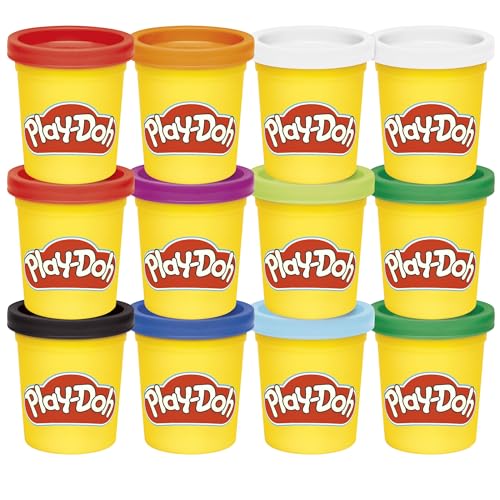
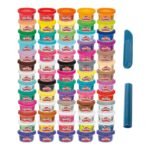
The Play-Doh Jewel Colors 12-Pack is exactly what it sounds like—a dozen 4-ounce cans of Play-Doh in gem-inspired shades like Amethyst, Sapphire, and Emerald. It solves the problem of getting a bunch of bright, slightly shimmery colors without buying individual cans or the smaller 2-ounce sizes that dry out faster. This pack is really for anyone who needs a solid stash of non-toxic Play-Doh colors for a classroom, a birthday party favor stash, or just a kid who burns through the standard rainbow set in a week.
The catch is that these aren’t the usual primary colors. They’re richer, a bit more intense, and some have a faint sparkle. If you’re after pure red, blue, and yellow, you’ll want the classic 12-pack instead. But if you want colors that feel special—like the kind of stuff you’d dig out for a holiday project or a playdate where you want the kids to think you’re the cool parent—this is it.
Key Features
12 cans, 4 ounces each – That’s a full 48 ounces of dough. For $13.49, you get roughly 28 cents per ounce, which is about half the cost of the smaller 2-ounce packs. You’ll actually have enough to share without rationing.
Jewel-inspired color palette – Think Garnet (deep red), Topaz (golden yellow), and Pearl (white with a subtle shimmer). They’re not neon, not pastel. They land somewhere between rich and playful, which makes finished creations look less like toddler mush and more like intentional art.
Non-toxic and wheat-free formula – Standard Play-Doh safety. It’s been tested for common allergens and won’t stain most surfaces if you wipe it up fast. The wheat-free part matters if you’re in a classroom with gluten sensitivities.
Resealable plastic cans – Each can has a snap-on lid that actually stays shut. The 4-ounce size means the dough is thick enough not to crumble the second you open it, and the lid creates a decent seal against air. Not perfect, but better than the flimsy lids on some generic brands.
Bulk pack at a classroom-friendly price – At roughly $1.12 per can, it’s cheaper than buying individual 4-ounce cans at the store. Schools and daycares will appreciate that the per-can cost matches or beats the standard multipacks.
Made in the USA (by Hasbro) – Play-Doh has been around for decades. The formula hasn’t changed much, and that’s a good thing. You know what you’re getting: soft, moldable dough that doesn’t crumble like cheaper off-brands.
Fit for You
You need to refill a classroom’s Play-Doh station every other month and don’t want to run to the store each time.
Your kid is obsessed with mixing colors to make “fancy” shades and the standard 4-pack doesn’t give them enough variety.
You’re putting together goody bags for a party and want something more interesting than a single 1-ounce tub of red.
You do at-home sensory play with a toddler who still puts things in their mouth—non-toxic matters, and the 4-ounce size means they can squish without it drying out in a day.
You’re a parent who’s tired of buying the smaller 2-ounce cans that turn into crumbly husks after two uses. This pack gives you enough dough that you don’t feel guilty tossing a dried-out piece.
You run an after-school program where you make themed crafts—jewel colors make “gemstone” projects and “rainbow” mosaics look legit.
Uses
The most obvious use is free play. Give a kid a few cans, maybe a plastic knife and a rolling pin, and they’ll shape little animals, pretend food, or abstract blobs for an hour. The jewel tones mean their “dinosaur eggs” and “magic crystals” actually look the part without you having to paint them.
Teachers lean on these for color-mixing lessons. Because the shades are distinct—Amethyst is clearly purple, not a muddy violet—kids can learn that mixing Sapphire and Ruby gives a dark burgundy, not just brown. The slight shimmer also makes it easier to see when two colors are fully blended versus streaky.
Parents of sensory-seeking kids will appreciate that the 4-ounce cans stay soft longer than the 2-ounce mini tubs. When you only hand out a little bit, it dries out fast; with this pack, you can let them roll out a big slab and press cookie cutters into it without frustration.
One less obvious win: the jewel colors work well for making “pizza” or “pie” toppings that look like fruit compote or chocolate. The rich red (Garnet) reads as strawberry jam, the yellow (Topaz) passes for melted butter. It’s a small thing, but it makes pretend play feel more real to a 4-year-old.
Experience
Opening the box, you’ll find twelve cans shrink-wrapped in two rows of six. The cans are the standard Play-Doh shape—short, wide cylinders—and the labels have a glossy gemstone graphic that actually looks nice. The first thing you notice is the scent: that sweet, slightly salty Play-Doh smell. It’s nostalgic, but strong enough to fill a small room if you open all twelve at once. Some kids love it, some adults find it cloying.
Each can pops open with a satisfying snap. The dough inside is soft but not too sticky. You’ll need to knead it a couple of times to get it uniformly pliable, especially if it’s been sitting on a shelf for a while. The texture is the same as any Play-Doh—smooth, a little greasy (it’s mainly flour, water, and salt), and it holds shapes well. The sparkle is subtle: fine mica flecks that catch light but don’t shed everywhere. You won’t end up with glitter all over the carpet.
The 4-ounce can is a good size. It fits in a small hand but isn’t so big that a preschooler can’t squish it. One can is enough for a kid to make a handful of medium-sized shapes or one big lump. If you’re storing it, the lids snap on tight, but they’re not airtight. After a few weeks, the edges of the dough will start to dry and crack if you don’t use it. The fix is simple: add a drop of water, knead, and it’s back. But if you leave a can open overnight, it’ll be noticeably harder the next day.
The main annoyance is that the cans are all the same shape and label style, so you’ll have to read the tiny gem name to tell Garnet from Ruby. They look similar in the can—Garnet is a bit deeper, Ruby is brighter—but a kid who can’t read will have trouble. Not a huge deal, but if you’re trying to keep colors separate, you’ll need to sort them once and then remind everyone not to mix them up.
Cleanup is typical Play-Doh: it can stain light fabrics if you rub it in, but it peels off hard surfaces easily. The jewel colors don’t seem to stain more than the regular ones, except for the deep red and purple, which might leave a faint pink mark on a white table if left for hours. Wipe it up within ten minutes and you’re fine.
Pros and Cons
Pros
Great color variety for the price – Twelve distinct jewel tones for about the same cost as ten 2-ounce cans of the standard line. You get more dough and more interesting shades.
Non-toxic and wheat-free – Safe for most kids with allergies. The formula is the same one Play-Doh has used for years, so you’re not guessing.
Bulk packaging saves money – The per-ounce cost is roughly 28 cents, which is hard to beat for a name-brand modeling compound. Schools can stretch a budget here.
Resealable cans that work – They’re not perfect, but they keep the dough soft for weeks if you remember to close them. Far better than the cheap tubs that come with some kits.
Subtle shimmer adds appeal – The sparkle is tasteful enough that it doesn’t turn into a glittery mess, but kids notice it and get excited. It makes projects feel special.
Cons
Not the classic colors – If your kid only wants primary red, blue, and yellow, the jewel palette will disappoint. These are deeper and less vibrant in a traditional sense.
Cans are not color-coded by label – You have to read the gem name to tell shades apart, which is annoying for young kids. A colored dot on the lid would have helped.
Dough dries out faster than some premium brands – Compared to alternatives like Crayola’s air-dry clay, Play-Doh gets crumbly within a few weeks of opening, even with the lids on. Plan to use it up.
The shimmer can rub off on hands – The mica flecks are fine, but after heavy play you’ll see a faint glittery residue on fingers. It washes off easily, but parents of babies who put hands in mouths might pause.
Not ideal for very hot environments – Play-Doh gets soft and sticky in direct sun or a warm car. The jewel colors are no different. Keep them in a cool, dry place.
Advantages
Compared to regular Play-Doh, the Jewel Colors pack gives you a wider range of shades without buying multiple smaller packs. A standard 12-pack of regular Play-Doh costs about the same but includes duplicates of common colors (like three blues). Here, you get twelve distinct colors, so you’re not stuck with five extra cans of white.
The 4-ounce can size is a big win over the mini tubs. Mini tubs are fine for a single craft session, but they dry out fast. The 4-ounce cans give you enough dough for repeated play, and the per-can cost is lower. For bulk Play-Doh for classrooms, this pack is practically made for that—you can hand out one can per kid and not feel guilty about the cost.
Is Play-Doh Jewel Colors worth it compared to buying individual 4-ounce cans at the store? Yes, because you save about 40% per can. The jewel palette is also unique; you can’t buy these colors in a standard 4-pack. If your kid is tired of the same old six, this is a fresh twist without switching brands.
Who Should Buy
Preschool and kindergarten teachers who need a classroom supply that’s budget-friendly and non-toxic.
Parents of kids aged 3–7 who do a lot of open-ended play and want colors that are interesting but not weird (like neon or pastel).
Anyone running a birthday party or craft event with multiple children—12 cans means everyone gets a full can without fights.
People who want to try Play-Doh Jewel Colors vs regular Play-Doh just to see if the shimmer and deeper tones are more engaging for their child.
Who should skip it:
Kids who strongly prefer the primary color set. They’ll be frustrated that “red” is actually Garnet (dark red) and “blue” is Sapphire (more of a navy).
Anyone looking for a long-term storage solution. Play-Doh isn’t meant to last forever. If you need a modeling compound that stays soft for months, look at a polymer clay or an air-dry clay.
Budget shoppers who only care about the lowest per-ounce cost. This is already good value, but there are unbranded bulk dough options that are cheaper (though often smell worse and feel more greasy).
FAQ
Is the Play-Doh Jewel Colors 12-Pack worth it?
Yes, for the price and the unique color set. At $13.49 for 48 ounces, you get more dough per dollar than most single-brand options, and the jewel tones are distinct enough to feel like an upgrade from the standard rainbow pack.
How long does it last once opened?
If you store each can with the lid snapped on tightly, expect the dough to stay soft for about 2–3 months of occasional use. After that, the edges will dry out. If you play with it daily, you’ll notice it getting stiffer after a few weeks—add a teaspoon of water and knead it to revive it.
Is it safe for kids who put things in their mouths?
Play-Doh is non-toxic and has been safety tested for years. The formula is mostly flour, water, and salt. However, it’s not food—it can cause mild stomach upset if eaten in large amounts, and the high salt content means it’s not a good snack. Watch toddlers closely.
Does the shimmer stain clothes or furniture?
The mica sparkle is very fine and doesn’t leave visible glitter on most surfaces. The colored dough itself can stain light fabrics if you rub it in, but it generally peels off smooth surfaces like tile or laminate. Wash hands and wipe up any residue quickly to avoid marks.
Can I use this for Play-Doh Jewel Colors vs regular Play-Doh in a classroom?
Yes—the jewel colors work in exactly the same way. They have the same texture, the same non-toxic credentials, and the same clean-up. The only difference is the palette, which teachers often prefer because the deeper shades show up better in photos and make color-mixing lessons more interesting.
Is the Play-Doh Jewel Colors 12-Pack the best bulk Play-Doh for classrooms?
It’s a strong contender. The 4-ounce cans are large enough for independent play, the price per can is low, and the variety of 12 different colors means you don’t need to buy extra packs to supplement. The only competitor is the standard 12-pack, which has more common shades but costs about the same.
Final Verdict
The Play-Doh Jewel Colors 12-Pack is a smart buy if you want something a little fancier than the standard set without paying a premium. The jewel tones add visual flair, the 4-ounce cans give you decent mileage, and the price is hard to argue with. For a teacher, a parent of multiple kids, or someone planning a party, this is probably the best all-around bulk Play-Doh option out there.
The one thing to keep in mind: these are not the classic primary colors. If that’s a dealbreaker, grab the standard 12-pack instead. But if you’re open to a palette that feels richer and more playful, the Jewel Colors deliver exactly that—without the glittery overkill or the extra cost.
Play-Doh Jewel Colors 12-Pack vs the Competition in 2026
The Play-Doh Jewel Colors 12-Pack hits a sweet spot for anyone tired of the same old pastel blobs. It’s a 4-ounce-per-can set with a glittery finish that makes regular Play-Doh look a little dull next to it. At $13.49, you’re paying a small premium for the sparkle and slightly bigger cans than some standard packs. But is it the best bulk Play-Doh for classrooms, or just a flashy distraction? Let’s stack it against its real rivals.
Product
Price Range
Key Strength
Key Weakness
Best For
Play-Doh Jewel Colors 12-Pack
~$13
Unique shimmer colors in 4 oz cans
Higher cost per can than regular packs
Kids who love sparkle, craft projects, or a gift
Play-Doh Classic Colors 12-Pack
~$9–$10
Familiar matte colors, cheaper
Smaller cans (3 oz) and no glitter
Budget buyers and classic play sessions
Play-Doh 24-Pack
~$15–$18
Best value per ounce for bulk
Cans are often 3 oz, colors can repeat
Classrooms, daycares, heavy users
Crayola Dough 10-Pack
~$8–$9
Softer texture, easy to mold
Fewer color options, less vibrant than Play-Doh
Younger toddlers (3+) who need gentler dough
Play-Doh Jewel Colors vs Regular Play-Doh: The Sparkle Factor
The biggest question in any Play-Doh Jewel Colors review is whether the shimmer is worth the extra money. Regular Play-Doh Classic Colors gives you ten or twelve standard shades—red, blue, yellow, the works—for about three bucks less. But those 3-ounce cans run out fast if your kid likes building towers that take half a can per floor. The Jewel Colors pack gives you 4 ounces per can, and the glitter is mixed right in, not just dusted on top. Squeeze it and you get a subtle sparkle that stays even after it dries out. The trade-off: the glitter can feel slightly grittier under fingernails, and the colors themselves are a bit softer (pink instead of red, teal instead of blue). If your kid is all about bright, bold primaries, stick with the Classic pack. If they want to make “magical” unicorns or galaxies, this is the better buy.
Play-Doh Jewel Colors 12-Pack vs Play-Doh 24-Pack: Bulk for Classrooms
When you’re buying for a whole classroom, the best bulk Play-Doh for classrooms usually means the 24-pack. It’s around $16 for 24 three-ounce cans—that’s 72 ounces total, compared to the Jewel Colors’ 48 ounces for $13.49. Per ounce, the 24-pack is cheaper. But here’s the catch: the 24-pack often includes multiple duplicates (three whites, two greens) and none of the shimmer. For a sensory activity where every kid gets a can, the 24-pack wins on quantity. But if you’re the teacher who wants to run a “design your own gem” station, the Jewel Colors stand out. The 4-ounce cans also last a bit longer per student, and the glitter doesn’t make a huge mess—it’s embedded, not loose. So ask yourself: do you need volume, or do you need something that makes the kids say “wow”? The Jewel Colors are worth it for that reaction, but the 24-pack is the practical choice for daily use.
Is Play-Doh Jewel Colors Worth It Compared to Crayola Dough?
Crayola Dough is a different animal—softer, a little less sticky, and aimed at younger toddlers. It’s also non-toxic (like all Play-Doh) but tends to dry out faster if left uncovered. The Jewel Colors, on the other hand, hold moisture longer thanks to the thicker 4-ounce can. Where Crayola’s colors are muted (think pale pink and light blue), Play-Doh’s jewel tones are richer—deep amethyst, emerald green, sapphire blue. For a 3- or 4-year-old who still puts things in their mouth, Crayola might be gentler. But for any kid past the tasting stage, the Jewel Colors offer more staying power and prettier results. The Crayola pack is cheaper, but you get fewer ounces and less variety. I’d point a parent toward Crayola if the child is under 3 and just learning to squeeze. For everyone else, the Jewel Colors are the better pick—especially if you want that “look what I made” pride to last more than an afternoon.
So who should pick the Play-Doh Jewel Colors 12-Pack? The kid who begs for glitter in everything, the parent who’s tired of replacing dried-out 3-ounce cans every two weeks, or the teacher who wants a special treat for a gem-themed lesson. If you’re on a tight budget or need pure volume for a big group, grab the Play-Doh 24-Pack instead. But for a few dollars more, the Jewel Colors give you bigger cans, better sparkle, and a set that actually feels different from every other pack on the shelf.
Ready to decide on the Play-Doh Jewel Colors 12-Pack?
See today’s price, stock and delivery options on Amazon.