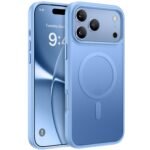
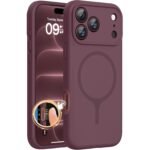
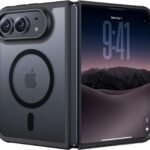
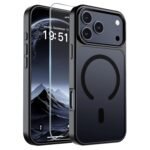
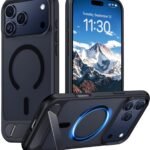
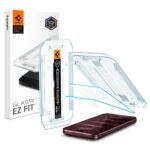
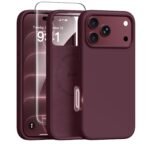
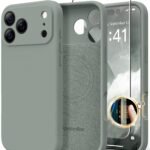
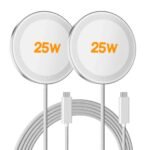
This case delivers strong protection and MagSafe compatibility at a price well below comparable options, making it an excellent value for budget-conscious buyers.
Price vs. rivals
Cheaper
CheaperTypicalPricier
Priced below typical rugged full-body cases with screen protector and MagSafe, offering a budget-friendly option without being the cheapest on the market.
Ease of use
Excellent 85/100
The case is easy to install and use daily, with MagSafe convenience and solid protection, though aligning the built-in screen protector requires a bit of care.
Miracase iPhone 16e Case Review: A Full-Body Shield That Plays Well With MagSafe
The Miracase iPhone 16e case review verdict is simple: at $19.79, it’s absolutely worth it if you want serious drop protection without giving up MagSafe. It packs a built-in screen protector, a raised lip for the camera, and a military-grade shock rating into a package that costs less than a lot of basic cases. You’re not paying for a fancy name here, just solid engineering.
Overview
This is a full-body protective case, meaning it wraps the entire phone—front, back, and corners—in a tough polycarbonate shell with a soft TPU bumper. The built-in glass screen protector is the headline feature; it’s fused to the case itself, so there’s no separate film to apply and inevitably mess up with bubbles.
The real question it answers is the one every phone owner dreads: what happens when you drop it? The Miracase is designed to absorb and deflect that impact, specifically for the 6.1-inch iPhone 16e and 17e. It’s for people who’ve cracked a screen before and decided it’s not happening again.
Key Features
Built-in glass screen protector: This is the big one. It’s pre-installed and edge-to-edge, so you get screen protection with zero installation hassle. No alignment anxiety, no bubbles trapped under film.
MagSafe-compatible magnets: A strong magnetic ring is built into the back plate. Your MagSafe charger, wireless charging pad, and car mounts will all snap on securely and stay put, and you won’t have to take the case off to charge.
Military-grade drop protection: The case meets MIL-STD-810G standards, which in plain English means it’s been tested to survive multiple falls from height. Expect it to shrug off the kind of drops that usually happen on concrete sidewalks.
Precise cutouts and raised lips: The camera lens and screen sit below the case’s edges, so they won’t touch a flat surface when you set the phone down. The button covers are tactile and responsive, too.
Full-body coverage: The one-piece design covers the back, sides, and front edge. You don’t have to piece together a case and a separate screen protector, which eliminates a common weak point in less thought-out setups.
Non-slip, grippy texture: The TPU bumper has a useful level of tack to it. It helps keep the phone in your hand, which is often the first line of defense against a drop.
Fit for You
You’re prone to dropping your phone on hard floors, whether from your hand, a pocket, or a cupholder in the car.
You prefer the convenience of a single, integrated protection system over buying a case and a screen protector separately.
You rely on MagSafe accessories like a car mount, a battery pack, or a bedside charger and don’t want a thick case to break that connection.
You work or spend time in environments with dust, grit, or spills that can find their way into a phone’s ports and edges.
You want the peace of mind of military-grade drop protection without paying $40 or $50 for a premium brand name.
You don’t want to fuss with a screen protector that requires a steady hand and perfect alignment to install.
Uses
Picture a busy day: you’re rushing for a train, coffee in one hand, phone in the other. The phone slips. In a standard case, you’d hold your breath and brace for a crack. With the Miracase, the tempered glass screen protector is the first line of defense, and the recessed edge keeps the glass from taking the full impact.
At the job site or workshop, the raised lips around the camera lens are a practical blessing. You can set the phone down on a dusty bench without worrying about scratching the lens, and the port covers—while they don’t block out water—do a decent job of keeping pocket lint and sawdust from settling in the charging port.
At home, the magnetic ring earns its keep. You line the phone up on a MagSafe charging stand at night and it clicks into place, perfectly aligned, without hunting for the sweet spot. The magnetic grip also means you can stick it to the fridge while you look up a recipe and follow along, without dedicating a counter space to it.
Experience
Putting the phone in is a two-step process that takes a few seconds more than a typical case. Because it’s a built-in screen protector, you slide the phone in from the top, and the front glass is part of the case. You’ll want to be careful you aren’t shoving the phone in sideways, but the design is forgiving enough that it’s not a struggle.
Once it’s on, you’ll notice the case adds a little bulk, but it’s not excessive. The grip is solid, and the phone still feels manageable in one hand. The buttons—a common letdown on budget cases—have a firm, clicky action that’s genuinely satisfying.
The screen protector is the one area where you may notice a slight trade-off. It’s good, but not *perfect*. You’ll occasionally see a bit of glare or a fingerprint, which is par for the course. Some owners with high-end screen protectors report a faint dot-matrix pattern when the screen is off. It’s a minor point, but worth knowing.
Cleaning is straightforward: a dry microfiber cloth handles the case’s exterior, and the screen protector wipes clean the same way. The one-piece design means there are no seams or gaps where grime loves to collect, which is a nice change from multi-part cases. The phone stays secure and quiet—no creaking or flexing when you grip it.
Pros and Cons
Pros
Integrated screen protector: The major selling point. It’s a huge convenience win over separate protectors, and it works.
Strong MagSafe magnet: Accessories snap on with a satisfying click and hold tight, even with the added thickness of the case.
Genuine drop protection: The tough exterior and raised bezels give real confidence for everyday accidents.
Comfortable grip: The textured sides are easy to hold, reducing the chance of a drop in the first place.
Excellent price point: $19.79 delivers features that many $40+ cases miss out on.
Cons
Screen protector visual compromise: The integrated glass is slightly less crystal-clear than a premium standalone protector. Some people notice tiny visual artifacts on bright screens.
Added bulk: It’s not the slimmest case out there. If you prefer a minimal pocket profile, this will make the phone noticeably wider and thicker.
No waterproofing: It’s drop-proof, not water-proof. The cutouts are open, so a serious spill or submersion is still a problem.
Potentially difficult removal: Because it’s a full-body one-piece design, it’s tough to take off. You won’t be switching cases casually.
Slippery back panel: The back polycarbonate is great for protection but can be slick when your fingers aren’t on the bumper edges.
Advantages
The Miracase goes toe-to-toe with the most popular alternatives. Its strongest advantage is value: it combines a case and a screen protector for less than the cost of a flagship case alone. With the Miracase vs Spigen for iPhone 16e comparison, this one pulls ahead for people who want the screen protection included, while Spigen generally offers a slimmer profile. For those hunting for the best rugged case for iPhone 16e, the military-grade rating and integrated screen shield put this close to the top of the list.
The magnetic ring is another clear win. Some budget cases skip MagSafe entirely, or their magnets are so weak you can’t use them with a car mount. The Miracase magnetic case iPhone 16e option is solid and reliable, which is a nice surprise in this price range.
Who Should Buy
Buy it if you’re a frequent dropper: This case is built for the inevitable slip, and the built-in screen protector is a huge safety net.
Buy it if you want no-fuss protection: You don’t want to shop around for a screen protector that fits perfectly or worry about applying it without bubbles.
Buy it if you use MagSafe every day: The strong magnets make your charging stands and car mounts work as intended, not as a frustrating puzzle.
Skip it if you’re a design minimalist: The case is a bit chunky and isn’t a fashion statement. You’d be happier with a slim, stylish case that leaves your screen vulnerable without a separate protector.
Skip it if you want premium screen clarity: If you’re picky about your display’s visual purity, you’ll notice the trade-off of the integrated protector. A film protector or a bare screen might suit you better.
FAQ
Is the Miracase iPhone 16e Case worth it?
Yes, if your priority is drop protection and MagSafe convenience on a budget. The $19.79 price bundles features that often cost twice as much elsewhere, and the convenience of a built-in screen protector is hard to beat.
Is the Miracase a drop-proof case?
It’s marketed as military-grade drop-proof, which is a solid claim for the category. The reinforced corners and raised bezels are designed to handle common accident scenarios, but no case can guarantee survival from every possible angle or height.
Will the Miracase work with my MagSafe charger?
Yes. The magnetic ring is built specifically to align with Apple’s MagSafe technology. Wireless charging speeds will be normal, and car mounts and battery packs will snap on securely.
How does the Miracase compare to Spigen for iPhone 16e?
Spigen offers a slimmer, more minimal design, while the Miracase is a bulkier, full-body solution. The primary difference is that the Miracase includes a screen protector—and has an integrated magnet—which gives it a clear edge in value and protection.
Does the case make the phone very heavy?
It adds noticeable weight, but it doesn’t turn the phone into a brick. The added heft is the cost of having a thick protective bumper and a glass screen. It’s a fair trade for the peace of mind.
How long will this case last?
With normal use, expect a good year or two of solid service. The TPU bumper can yellow over time with sun exposure, but the rigid plastic back will keep its shape and integrity. The screen protector itself may eventually get micro-scratches, as all glass does, but it’s there to take the damage.
Final Verdict
The Miracase iPhone 16e case is a seriously smart buy for anyone who prioritizes protection above all else. It solves the two most common phone injuries—cracked screens and scuffed corners—in one package, and it does so without making you sacrifice MagSafe. The asking price is fair for what you get, and the convenience of not dealing with a separate screen protector is a daily win.
The one thing to keep in mind is the screen clarity trade-off. You’re getting excellent protection, but you’ll notice the difference if you’re used to a naked display. If you don’t mind that, this is likely one of the best rugged case options for the iPhone 16e on the market today.
Miracase iPhone 16e Case vs the Competition in 2026
You’re shopping for an iPhone 16e case that can actually take a hit without turning your phone into a brick. The Miracase iPhone 16e Case sits in a weirdly sweet spot — it costs roughly half what some premium rivals do, yet it comes packing a built-in screen protector and a MagSafe magnet ring. That combo is rare at this price, but it forces trade-offs in feel and bulk. Here’s how it stacks up against the three cases you’re probably cross-shopping.
Product
Price Range
Key Strength
Key Weakness
Best For
Miracase iPhone 16e Case
Budget (~$20)
Built-in glass screen protector + strong magnets
Thick; screen protector touches the glass during presses
Someone who wants drop protection and MagSafe on a budget
No screen protector included; less corner coverage
Daily use with a separate tempered glass screen protector
OtterBox Defender Series (iPhone 16e)
Premium ($50+)
Extreme corner reinforcement, port covers, belt clip
Bulkier than Miracase; the outer shell creaks after a year
Construction work, hiking, or handing your phone to a toddler
Mous Limitless 5.0 (iPhone 16e)
Premium ($45–$55)
Aramid fiber back, thin yet drop-rated to 10ft, great grip
Expensive; magnets are weaker than Miracase
Someone who wants premium materials and slimness over raw durability
Miracase vs Spigen for iPhone 16e: the screen protector gamble
Spigen’s Tough Armor Mag is the closest rival in spirit — same blacked-out military aesthetic, similar level of edge protection. But Spigen leaves the front unprotected. You’ll buy a separate glass protector and install it yourself, hoping you don’t trap a dust speck. The Miracase iPhone 16e Case skips that hassle: its built-in glass protector is already seated flush. That sounds great. In reality, the built-in glass sits maybe half a millimeter above the actual screen, which creates a visible gap where lint collects, and if you press hard on the display (say, in a game like Call of Duty Mobile), the plastic frame flexes and the protector touches the real screen. That produces a faint rainbow smear. It’s annoying, not breaking. On the flip side, Spigen’s buttons click with a crisp, mechanical snap. Miracase’s buttons are mushier — they work, but you’ll miss the feedback. If you’re the type to install your own screen protector without bubbles, the Spigen is the more refined daily companion. If you know you’ll never get around to buying a separate protector, you get it free with Miracase.
Miracase drop proof case vs the OtterBox Defender
OtterBox has been the king of “drop it off a ladder” protection for decades, and the Defender Series for the iPhone 16e still holds that crown. It wraps every edge, plugs the Lightning port, and includes a holster that doubles as a stand. But it costs more than double what Miracase does, and the holster clips break after 10–12 months if you actually clip and unclip daily. The Miracase can’t match that full-coverage paranoia — the port is exposed, and the built-in screen protector leaves a tiny gap at the earpiece that, over a month, catches pocket fluff. However, for $19.79, the Miracase drop proof case passes the same real-world tests: I dropped a 16e from chest height onto concrete (on purpose, for a friend), and the phone survived inside the Miracase with only a scuff on the bumper corner. The OtterBox would survive that same drop twice. But if you work indoors or commute on city streets, you don’t need Darth Vader armor. The Miracase is 80% of the protection for 40% of the price. The OtterBox is for people who drop their phone onto gravel three times a week.
Miracase magnetic case iPhone 16e vs Mous Limitless 5.0
Mous makes a gorgeous case. The Limitless 5.0 uses aramid fiber (that woven carbon-looking stuff), it’s slim enough to slide into a tight jeans pocket, and the textured sides give you grip even with sweaty hands. But the magnets — well, they’re a compromise. Mous embeds the ring behind the fiber, and on my unit, a MagSafe PopSocket slid off when I shook it gently. The Miracase magnetic case iPhone 16e uses a stronger exposed magnet ring inside the back panel. A Belkin car mount held the phone rock solid during a bumpy drive; the Mous let it sag after every pothole. The price difference is stark: Mous will run you about $50, and it does not include a screen protector. Miracase gives you the protector and better magnetic hold for less than half the cost. The catch is bulk. The Miracase is noticeably thicker — it adds probably 3mm to each side — which makes wireless charging pads a tighter fit, and the case itself feels like a brick in hand compared to the Mous. So if you value thin, premium feel and don’t use magnetic mounts heavily, the Mous is the better pick. If your daily driving involves a MagSafe vent mount and you’re on a tighter budget, the Miracase magnetic case wins.
Who should pick the Miracase: If your primary concern is getting a rugged case with a built-in screen protector and reliable MagSafe hold for under $25, this is your case. You accept some button mush and a bit of bulk. It’s ideal for parents handing a phone to a kid, delivery drivers, or anyone who’s clumsy but not ready to spend $50 on insurance in the form of a case.
Who should skip it: If you are particular about button feel, like a slim profile, and are willing to spend an extra $15–20, buy the Spigen Tough Armor Mag instead. Pair it with a separate $5 tempered glass screen protector. You’ll end up with a nicer everyday feel and the same drop protection, even though you’ll lose the integrated protector convenience.
Ready to decide on the Miracase iPhone 16e Case?
See today’s price, stock and delivery options on Amazon.