Exceptional value for an everyday craft paint, delivering strong performance at an unbeatable price point.
Price vs. rivals
Cheaper
CheaperTypicalPricier
Priced well below most comparable craft acrylic paints, typically found at a fraction of the cost of popular alternatives.
Ease of use
Excellent 95/100
The squeeze bottle and water-based formula make it easy to apply and clean up, suitable for beginners.
Overview
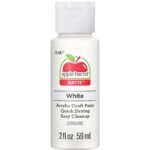
Apple Barrel Acrylic Paint has been a staple on craft store shelves for decades, and for good reason. It solves a simple problem: you need a lot of color, in decent quantity, for a price that doesn’t make you wince. This 8-ounce bottle of white (the 20403) is the most popular, but the whole line works the same way. It’s really for anyone who paints a lot of things that don’t have to last forever—think poster board, terracotta pots, dollar-store frames, or kid projects. You’re not getting museum-grade pigment, but you’re also not paying museum prices.
The catch is that this paint is thin. That’s not always a bad thing. If you’ve ever fought with a thick, gloppy craft paint that leaves brush marks like tractor treads, you’ll appreciate how smoothly Apple Barrel flows. But it means you’ll need two coats for solid coverage on anything dark or porous. For the price—under three bucks for eight ounces—that trade-off is easy to accept.
Key Features
8-ounce bottle – Big enough for a couple of decent-sized projects without running out halfway through. You’re not stuck with those tiny 2-ounce jars that dry up before you finish a single sign.
Water-based acrylic formula – Cleanup is soap and water. No mineral spirits, no fumes, no special thinner. You can paint in the kitchen and be done in five minutes.
Flat matte finish – Dries to a soft, non-shiny surface that photos well and doesn’t glare under workshop lights. If you want gloss, you’ll need a topcoat, but the matte look is modern and forgiving of brush strokes.
Compatible with many surfaces – Works on paper, wood, canvas, fabric (with a textile medium), glass, plastic, and foam. It won’t peel off like some cheap paints on slick surfaces if you prep right.
Easy to mix – Because the paint is thinner, colors blend smoothly on a palette or directly on the project. Great for gradients, washes, and ombré effects without fighting stiffness.
Low odor – Non-toxic and AP-certified. You can paint in a room with kids or pets nearby without turning the space into a chemical lab.
Fit for You
You’re painting a bunch of identical wooden letters for a wedding sign and need consistent color across fifteen bottles.
You want an inexpensive way to let your kids paint a cardboard castle without you wincing at the cost per squirt.
You’re covering a large surface—like a plywood prop or a bulletin board—and the bottle size means fewer refills.
You mix custom colors often and want a paint that doesn’t get lumpy when you stir in a drop of water or another shade.
You need a flat white for base-coating darker surfaces before painting bright colors on top, since Apple Barrel’s white covers well in two coats.
You’re on a budget and want to try acrylic painting without dropping $20 on a single tube of artist-grade paint.
Uses
Classroom projects are the obvious starting point. Teachers love Apple Barrel because it’s cheap enough for thirty kids to each use half a bottle on a paper plate. It won’t stain clothing permanently if you catch it fast, and it dries quick enough that kids can take their masterpieces home the same day.
Home decor pieces also work well. That thrift store vase that’s a terrible shade of orange? Give it a coat of white Apple Barrel, let it dry, then tape off stripes and add a second color. The thin consistency means you won’t have to sand the original finish first—just clean it with rubbing alcohol and paint right over.
Garden markers, painted rocks for the neighborhood “kindness rock” trend, and terra cotta plant pots are all easy wins. The paint adheres to unglazed clay without a primer. Just seal with a clear spray if the pot lives outside in rain.
Experience
Opening the bottle is straightforward: twist the cap, peel off the inner foil seal underneath, and you’re ready. The paint pours out fairly quickly because it’s thin, so go easy on the first tilt. You’ll want to pour a small puddle onto a palette or a paper plate rather than dipping straight from the bottle—otherwise you’ll drag bits of dried paint from the rim back into the fresh supply.
The first brushstroke is where you notice the consistency. It feels more like a thick tempera than a heavy-body acrylic. That’s fine for craft projects, but if you’re used to premium brands like Liquitex or Golden, you’ll be disappointed by the lack of body. Details don’t hold sharp edges as well; the paint tends to self-level and soften shapes. A fine liner brush will still do fine for lettering, but don’t expect crisp, raised impasto texture.
Drying time is one of the big selling points. Apple Barrel paint drying time is about 10–15 minutes between coats in normal room conditions—faster if you hit it with a hair dryer. That means you can knock out a two-coat project in under half an hour. The downside is that the paint can skin over in the bottle if you leave the cap off for more than a couple minutes. Keep the lid on tight between uses.
Cleaning up is almost too easy. A wet paper towel wipes wet paint off your hands. Dried paint on a brush needs a little soaking in warm soapy water, but it’s not stubborn. One annoyance: because the paint is thin, it sometimes separates in the bottle. A firm shake before each use fixes that, but you’ll occasionally get a watery first squirt.
Pros and Cons
Pros
Price per ounce – At about 37 cents per ounce, this is one of the cheapest acrylics you can buy. That matters when you’re covering big surfaces or buying a rainbow of colors.
Fast drying – Between coats in ten minutes. Great for layered projects, signs, or painting toys that need to go out the door.
Easy clean-up – Water and soap. No toxins, no headache. Perfect for adults who don’t want a second hobby of brush care.
Good selection of colors – Apple Barrel acrylic paint colors run into the dozens, including metallics, neons, and pastels. You won’t find every hue, but you’ll find common ones.
Consistent consistency – Bottle to bottle, the viscosity stays about the same. You can rely on how it will behave without surprises.
Cons
Thin coverage – You’ll need two or three coats for opacity on dark surfaces. One coat is basically a tint. That means more time and more paint per project.
Not lightfast – These pigments will fade if left in direct sunlight for months. Not a problem for indoor crafts, but don’t use it on a mailbox or garden sign you want to last years.
Cap can crack – The plastic lid is cheap and sometimes cracks if you overtighten it. Then the paint dries out inside the bottle. Transfer to a squeeze bottle if you buy in bulk.
No pigment intensity – Compared to premium brands, the colors look a little chalky or muted, especially the pastels. True reds and blacks are okay, but yellows and pinks need extra coats to pop.
Skims over fast in the bottle – Because it’s water-thin, the surface can develop a skin if you leave the cap loose. You can peel it off, but it’s a small waste each time.
Advantages
The real strength of Apple Barrel is how it competes on value. When you compare Apple Barrel vs FolkArt acrylic paint, which is the other big craft brand, the differences are small but consistent. FolkArt tends to be a little thicker and more pigmented per coat, but it costs about a dollar more for the same 8-ounce bottle. If you’re doing precise detail work where coverage matters with one stroke, FolkArt wins. But for base-coating, mixing, or bulk projects, Apple Barrel gives you more paint for the money.
Another advantage is availability. You can find Apple Barrel at Walmart, Michaels, Hobby Lobby, and Amazon. The colors are standardized, so a bottle bought today will match one bought two years ago, as long as the batch hasn’t been reformulated (rare). That’s a big deal for people who don’t want to repaint an entire project because they ran out of a custom mix.
More paint per dollar than any major competitor in craft acrylics.
Dries faster than FolkArt or DecoArt, which helps multi-coat workflows.
Mixes well with water or acrylic mediums to extend the paint without losing adhesion on most surfaces.
Non-toxic formula means you can use it on wood toys or picture frames without worrying about fumes in the house.
Who Should Buy
Buy it if you need a workhorse white paint for undercoating, grunge washes, or mixing tints. The 8-ounce white bottle is the single best value in the whole line.
Buy it if you’re a teacher, camp counselor, or parent running group craft activities where you need a lot of paint and don’t care about gallery-grade results.
Buy it if you’re new to acrylic painting and want to experiment with color mixing without spending a lot to learn what works.
Skip it if you paint on canvas for sale or intend to display work permanently. The lack of lightfastness and weaker pigment load will show over time.
Skip it if you need thick, buttery paint for knife work or heavy texture effects. Look for a heavy-body acrylic instead.
Skip it if you hate painting multiple coats. You’ll find the thinness frustrating. Spend a little more on a premium craft paint for better one-coat coverage.
FAQ
Is the Apple Barrel Acrylic Paint worth it?
Yes, for most craft projects it’s an excellent value. The low price and large bottle mean you can paint freely without guilt, and the fast drying time keeps projects moving. Just be prepared to apply two coats for solid color.
How long does Apple Barrel acrylic paint last once opened?
If you keep the cap tightly sealed and store it in a cool, dry place, the paint stays usable for two to three years. Over time it may thicken; you can revive it with a few drops of water and a good shake.
Is Apple Barrel acrylic paint safe for kids?
Yes, it’s non-toxic and AP-certified. That means it’s safe for children aged 3 and up under adult supervision. It also has low odor and washes off skin with soap and water.
How does Apple Barrel compare to other acrylic paints?
It’s thinner and less pigmented than premium brands like Liquitex or Golden, but for craft use that’s often fine. Compared to FolkArt, it’s about the same quality but slightly more watery and cheaper by the ounce.
What surfaces can I use Apple Barrel paint on?
It sticks well to paper, canvas, wood, glass, ceramic, metal, and most plastics after a light sanding or primer. For fabric, mix with a textile medium or it will crack after washing.
Do I need to seal Apple Barrel paint after it dries?
Sealing is recommended for items that get handled often or live outdoors. A clear acrylic sealer in a spray can adds durability and a bit of water resistance. For indoor decorative pieces, sealing is optional.
Final Verdict
The Apple Barrel Acrylic Paint review comes down to this: if you need a huge amount of decent craft paint for a tiny price, it’s hard to beat. The 8-ounce white bottle is the perfect base for mixing your own tints, undercoating dollar-store finds, or letting kids go wild without crying over the cost.
The one thing to keep in mind is the thinness. It’s not a flaw, it’s a feature—but only if you know it’s coming. Treat it like a watercolor that can be built up in layers, and you’ll get great results. Treat it like a premium artist’s acrylic, and you’ll be frustrated. For what it is, Apple Barrel delivers exactly what you pay for: an affordable, workable, no-fuss acrylic paint that earns its 4.8-star rating.
Apple Barrel Acrylic Paint vs the Competition in 2026
You’ve got a craft project staring you down, and the paint aisle is a wall of color names and price tags. Apple Barrel Acrylic Paint sits at the very bottom of the budget barrel — $2.97 for an 8-ounce bottle of white. That’s less than a coffee. But cheap doesn’t always mean good. Here’s how it stacks up against the real rivals you’ll actually find on the shelf: FolkArt, Craft Smart, DecoArt Americana, and Liquitex Basics. One of them will be right for your project; one will frustrate you. Let’s sort it.
Product
Price Range
Key Strength
Key Weakness
Best For
Apple Barrel Acrylic Paint
Budget (~$3 per 8 oz)
Absurdly cheap; huge color range
Needs multiple coats; thin coverage
Kids’ crafts, school projects, base coating
FolkArt Acrylic Paint
Budget–Mid (~$5–7 per 8 oz)
Smooth consistency; good opacity
Price jumps; some colors are streaky
General crafting, stenciling, mixed media
Craft Smart Acrylic Craft Paint
Budget (~$2–4 per 8 oz)
Decent coverage for the price
Limited color selection; dries matte
Large surface coverage, beginner projects
DecoArt Americana Acrylics
Mid (~$6–9 per 8 oz)
Rich pigmentation; self-leveling
Expensive per ounce; smaller bottles
Furniture painting, detailed work
Liquitex Basics Acrylic Paint
Student (~$10–15 per 8 oz)
Artist-grade binder; strong lightfastness
Cost; thinner formula than heavy body
Canvas painting, color theory exercises
Apple Barrel Acrylic Paint vs FolkArt acrylic paint
This is the match-up you’ll find most often in craft store forums. FolkArt costs roughly double per bottle but gives you a creamier, more opaque paint right out of the tube. Apple Barrel needs two, sometimes three coats to fully cover a dark surface — FolkArt often gets it in one. That said, Apple Barrel’s drying time is quicker: you can slap a second coat on after about 15 minutes, whereas FolkArt can stay tacky longer. If you’re batch-painting fifty wood letters for a wedding sign, the extra coats cost you time. If you’re doing a single kid’s mask for Halloween, Apple Barrel saves you cash that you’d rather spend on glitter. FolkArt also has a wider range of specialty finishes (metallics, chalks), but Apple Barrel’s straight color selection — over 200 shades — is honestly broader than you’ll ever need. The real decider: are you going for “looks good enough” or “looks intentional”? Apple Barrel is for “good enough.”
Apple Barrel Acrylic Paint vs Craft Smart and DecoArt Americana
Craft Smart is Apple Barrel’s closest competitor in price — both sit under $4 for an 8-ounce bottle at most big-box stores. Craft Smart tends to be a bit thicker out of the bottle and covers slightly better on porous surfaces like raw wood. But the color range is anemic: maybe 40 shades compared to Apple Barrel’s library. You’ll be making compromises on hue. DecoArt Americana sits a tier higher, around $7 for a 2-ounce bottle (which makes the per-ounce cost steeper than you think). What you get for that: paint that levels nicely, so brush strokes disappear, and pigment that doesn’t separate in the bottle. Apple Barrel’s paint can develop a watery layer on top after a few months — you’ll need to stir it hard. That’s the big trade-off: you accept some inconsistency for the price. For a one-off project, fine. For a painted dresser you want to keep for years, spend the extra dollars on Americana.
Apple Barrel vs Liquitex Basics — and the honest truth about “best acrylic paint for crafts”
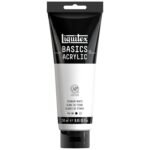
Liquitex Basics is the odd one out here because it’s marketed to art students, not crafters. It costs about $12 for an 8-ounce tube. That’s four times the price of Apple Barrel. The paint feels different — it has more binder, so it stays workable longer on the palette, and the color stays vibrant even after drying. Apple Barrel dries a hair darker and can look chalky on non-porous surfaces like glass or plastic. So is Apple Barrel acrylic paint worth it for a serious painting? No. For the kind of craft project where you’re mixing huge batches of one color and slapping it onto cardboard, foam board, or dollar-store frames? Absolutely. The question “best acrylic paint for crafts” only makes sense if you define “crafts” loosely. For holiday ornaments with kids, Apple Barrel wins. For a piece you want to hang on your wall, go with Liquitex or at least Americana. You’ll feel the difference in the brush.
Choose Apple Barrel Acrylic Paint when your main constraint is cost per bottle, you’re working on disposable surfaces, or you need a specific color match that only their massive range offers. Skip it if you want one-coat coverage, professional-grade finish, or paint that won’t separate after three months sitting in a closet. In those cases, pick FolkArt for balanced value or DecoArt Americana for furniture that needs to look painted, not just colored in.
Ready to decide on the Apple Barrel Acrylic Paint?
See today’s price, stock and delivery options on Amazon.