Delivers dependable everyday protection at a distinctly accessible price point, with a strong quality reputation that far exceeds expectations for the category.
Price vs. rivals
Cheaper
CheaperTypicalPricier
Priced well below typical comparable sheet protectors from brands like Avery or Staples, which usually cost more per pack for similar quality. The Amazon Basics option offers a budget-friendly alternative for basic, lightweight protectors.
Ease of use
Excellent 95/100
These sheet protectors are extremely easy to use for anyone familiar with a 3-ring binder, as they simply slide in and out of the rings with no extra steps, and the high customer rating confirms their straightforward design.
Overview – Amazon Basics Sheet Protectors Review
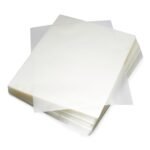
These are lightweight, acid-free plastic sleeves built for standard three-ring binders. They solve the simple problem of keeping printed pages readable and intact.
They hit a sweet spot for anyone who needs clear plastic sleeves for school projects, home organization, or recipe binders. They are not archival museum grade, but for everyday life, they handle the job without complaint.
Key Features
The pack gives you several specs that matter for daily use.
Acid-Free Material — The plastic won’t yellow or become brittle. This matters if you are filing anything you want to find in a few years. You are buying acid free sheet protectors letter size for peace of mind, and these deliver it.
Lightweight Construction — The plastic is thin. That means your binder doesn’t weigh a ton, but it also means the sleeve is less resistant to heavy wear. For storing a binder on a shelf, it is ideal.
Letter Size Fit (8.5 x 11) — They fit standard paper perfectly. You don’t have to shove the paper in, which avoids the annoying crinkle at the top edge of the page.
100 Sheets Per Pack — A hundred is a lot. It usually covers a whole project or a whole school year in one purchase.
Clear Transparency — The plastic is clear enough to read through easily. The slight texture helps cut down on the finger oil prints that ruin a glossy sleeve.
Fit for You
You make a smoothie every morning and want to keep the recipe page safe from splatter.
Your kid has a binder full of loose worksheets that keep falling out and getting lost.
You need to present a printed portfolio at a job interview and want it to look crisp.
You are at home cataloging your appliance manuals before the warranty runs out.
You organize your D&D character sheets or trading card proxies and need a cheap bulk solution.
Uses – Best Sheet Protectors for 3 Ring Binder
The most common use is the school binder. Sticking homework in these keeps it from disintegrating in a backpack. For the home office, they are a good way to organize tax documents. Slide the whole year’s receipts into one binder and it stores neatly.
If you are looking for the best sheet protectors for 3 ring binder for standard office needs, these are a solid pick. They also work as a cheap laminating alternative for kids’ crafting, reward charts, or coloring sheets. Just slide the page in, and it resists the wear of a week on the fridge.
For the renter doing a pre-move-in inspection, slide your photographic evidence into the sleeves. They resist the humidity of a garage and keep the proof organized.
Experience
Living with these is mostly frictionless. Sliding a sheet in is easy because the plastic is pliable — you don’t get the harsh diagonal creases you get from stiffer brands. The plastic has a bit of static cling when fresh out of the box. You have to separate them like Thanksgiving napkins.
The biggest thing you notice is the feel. In a thorough Amazon Basics sheet protectors review, the word “lightweight” is central. If you knock the binder off a table, the sleeves don’t protect against major crush damage from the corner of a desk. But for standard shelf storage, they are perfectly fine.
The catch is the corners. If you overstuff the binder, the corners can curl or slight bends appear. It is a visual issue, not a functional one. The paper stays safe.
Pros and Cons
Pros
Price per sleeve. At roughly eight cents each, you don’t have to think twice before using one for a simple job.
Acid-Free. You can store documents for years without fear of chemical yellowing.
Easy loading. The wide opening means you rarely fight a pucker on the paper.
Good clarity. Text and images are sharp through the sleeve, which is a common pain point on budget plastics.
Cons
Thinner than Avery. If you are doing the Amazon Basics vs Avery sheet protectors comparison closely, the Avery sleeves are noticeably denser. The Basics ones feel airy in comparison.
Unreinforced bound edge. The three-hole side is not reinforced. If someone yanks a sheet out roughly, the holes can tear.
Initial static. When you open the pack, the sleeves stick together. It is a minor frustration for the first minute of use.
Not for high-speed feeding. If you plan to put these through a copier or scanner feeder, the thin plastic can easily jam.
Advantages
The main advantage is the cost-to-function ratio. You don’t have to spend premium brand money to keep a school schedule safe. Batch to batch, the sizing stays consistent, so you can buy a pack a year and everything lines up.
If you are asking are Amazon Basics sheet protectors worth it, the math is simple. You get a fully functional, clear, acid-free sleeve for a little more than a dime.
Who Should Buy
Buy these if: You need bulk sleeves to equip a house with school binders or to file away three years of paperwork at home. They are the “good enough” solution that works perfectly.
Skip these if: You need heavy-duty protection for a daily carry portfolio. A heavy-gauge Avery or Oxford sleeve will live through years of commutes.
Consider something else if: You are storing extremely valuable documents. While they are acid-free, a specialty archival sleeve with a felt lining is a safer bet for heirlooms.
Definitely consider them if: You need a single bulk purchase to solve a problem. The Amazons Basics sheet protectors 100 pack is the most economical way to buy this category.
FAQ
Is the Amazon Basics Sheet Protectors worth it?
For the price, absolutely. They protect paper against the wear of daily handling and coffee splashes. You get a lot of sleeves for a very low cost per sheet.
How long does it last?
With normal shelf storage, they last years. Daily use in a backpack may cause corner wear after a semester, but the paper stays safe inside the sleeve.
Are these safe for photos and art prints?
The acid-free construction means they are safe for standard prints and documents. For very valuable art or classic photos, an inert polypropylene sleeve is a safer bet.
Do they fit a standard 8.5×11 sheet easily?
Yes. The fit is loose enough to slide paper in without force, but tight enough that the paper doesn’t slide around inside the sleeve on its own.
What is the difference between these and the Avery Heavy Weight?
The Avery sleeves are twice as thick. They feel much sturdier. The Basics sleeves are thinner and more flexible. For a binder on a shelf, both work the same.
Can I use these for double-sided printing?
Yes. The clarity is high enough to read print on both sides easily. The light texture on the plastic helps reduce glare compared to glassy sleeves.
Final Verdict – Amazon Basics Sheet Protectors Review
The bottom line of this Amazon Basics sheet protectors review is that it is a strong recommendation for most people. They are the practical, affordable choice for the simple job of keeping paper intact in a binder.
The one thing to keep in mind is the thinness. If that bothers you, spend the extra money on a brand like Avery. If you just want the sheets protected, these are the smartest buy in the aisle.
Amazon Basics Sheet Protectors vs the Competition in 2026
The market for clear plastic sleeves is boringly reliable, but that’s the point. You want something that doesn’t stick together, doesn’t yellow, and won’t disintegrate when you turn a page two years from now. The Amazon Basics Sheet Protectors 100-pack comes in at roughly $8.04, which puts it squarely in budget territory. But cheap doesn’t always mean cheerful, or even functional. Here’s how they stack up against the real options you’re actually considering.
Product
Price Range
Key Strength
Key Weakness
Best For
Amazon Basics Sheet Protectors (100-pack)
Under $10
Acid-free paper-safe plastic at a killer per-sheet cost
Thin feel; can crinkle if you’re aggressive
Bulk filling, school handouts, everyday binder use
Avery Heavyweight Sheet Protectors
Mid ($12-$16)
Thick, non-stick material that lies flat
Price per sheet is double Amazon Basics, and they’re harder to find in 100-packs
Frequent page turners, presentations that get handled constantly
UNVWI Clear Sheet Protectors
Budget ($6-$9)
Cheapest per pack; decent clarity for the price
Prone to static cling; the edge weld can separate after heavy use
Temporary storage where cost is the only factor
HCG ProView Archival Sheet Protectors
Premium ($18-$24)
True archival-grade, crystal clear, no PVC off-gassing
Expensive; overkill for a school binder or work folder
Photo storage, legal documents, anything you want to last a decade
Amazon Basics Sheet Protectors vs Avery Heavyweight: The Feel Test
If you’ve ever tried to slide a page into a floppy sleeve and ended up fighting the plastic, you know what matters most. The Amazon Basics offering is undeniably thin—about 2 mil if you were to guess. It gets the job done, but it doesn’t lie perfectly flat on the page. There’s a slight ripple. Avery’s Heavyweight version, meanwhile, feels like a different product category. It’s stiffer, resists crinkling, and doesn’t develop that annoying static cling that makes stacks of sleeves stick together. But here’s the trade-off: one 100-pack of Avery Heavyweight will cost you roughly double the Amazon Basics price. If you’re putting together a binder that gets flipped through daily by a sales team, spend the extra money. If you’re filing old math worksheets for next year’s kid, save it. The Amazon Basics Sheet Protectors vs Avery debate really comes down to how much you hate touching flimsy plastic.
Amazon Basics vs UNVWI: The Budget Showdown
UNVWI is the real budget alternative you’ll see on Amazon, and it’s tempting at around $6 for 100 sleeves. The problem is consistency. Some packs are fine, and some have sleeves where the welded edges start to separate after a dozen page inserts. The Amazon Basics version, for an extra two bucks, holds up noticeably better. The plastic is still thin, but the weld is solid and the holes line up with binder rings without you having to wrestle them. If your entire use case is “dump this in a drawer and never open it,” UNVWI might save you a couple dollars. But if you actually intend to use these sleeves—turning pages, pulling them out, swapping papers—spend the extra money on Amazon Basics. The difference in reliability is worth more than the $2 gap.
Amazon Basics vs HCG ProView Archival: When Cheap Isn’t Smart
This is the comparison that matters most if you’re storing anything with sentimental or legal weight. The Amazon Basics sleeves are labeled acid-free, which means they won’t actively damage your paper over time. That’s good enough for school projects and work documents. But the plastic isn’t archival-grade—it’s a standard polypropylene that can off-gas trace amounts over years. HCG ProView sleeves use a different polymer blend that’s certified to sit against a photograph for decades without causing chemical damage. They also have a UV-blocking additive that Amazon Basics lacks. The price difference is stark: HCG costs about three times more per sleeve. So make the call honestly. If you’re filing divorce paperwork or storing original watercolors, don’t buy the cheap option. For literally everything else—binder inserts, sheet music, product specs, kid art—the Amazon Basics sheet protectors are perfectly fine, and you’ll probably lose the binder before the sleeves degrade.
Who should buy the Amazon Basics Sheet Protectors? Anyone building a home office binder, organizing school handouts, or keeping a project folder that doesn’t get handled every day. The price is absurdly low for 100 acid-free sleeves, and the quality meets the baseline you actually need. But if you’re a teacher who flips through stacks of student work twice a week, or a professional putting together a portfolio that will be handed around a conference room, skip these and grab the Avery Heavyweight instead. They cost more, but they won’t crinkle, and you won’t curse them mid-meeting. The Amazon Basics Sheet Protectors review can stop right there: buy them for the binder no one sees, spend up for the binder everyone sees.
Ready to decide on the Amazon Basics Sheet Protectors?
See today’s price, stock and delivery options on Amazon.