This unsearched coin lot offers a fair balance of potential discovery and accessible pricing for casual collectors.
Price vs. rivals
Typical
CheaperTypicalPricier
Priced near the average for unsearched wheat penny rolls with a silver dime ender, reflecting a typical market position among similar mixed vintage coin lots.
Ease of use
Great 75/100
The coin roll is straightforward to open and examine, but identifying valuable coins requires some knowledge.
Overview
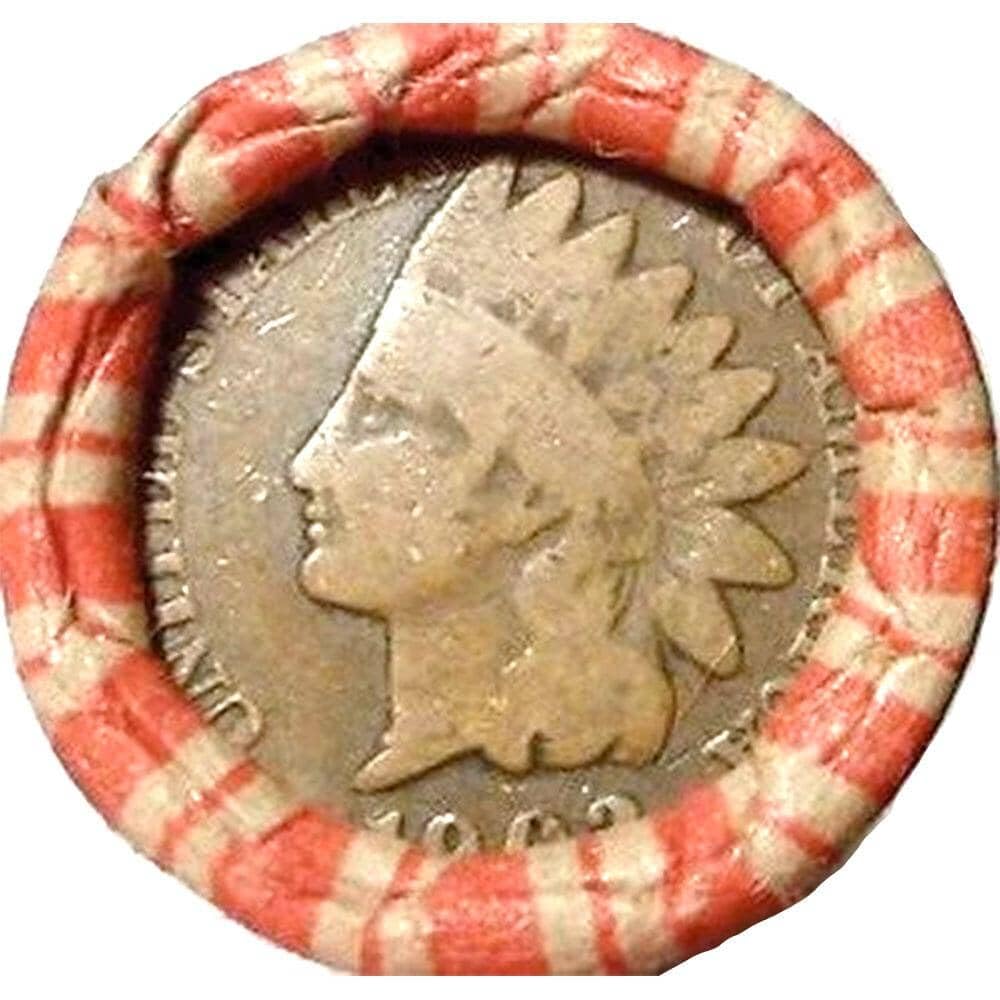
You’re looking at a $30 roll of circulated wheat pennies with a silver Mercury dime glued to the outside as a teaser. The idea is simple: you get 50 old Lincoln cents that haven’t been picked through, plus one coin that might be worth more than the roll itself. It’s not for serious investors. It’s for someone who wants the fun of opening a paper wrapper and hoping for a semi-key date or a decent error coin, without spending hundreds on a certified lot.
The problem it solves? That itch to hunt without committing to an entire box of bank-wrapped pennies. The “unsearched” promise is the whole draw—you’re buying the randomness, not a guaranteed value. And the Mercury dime on the end is a nice gimmick, though its condition varies a lot.
Key Features
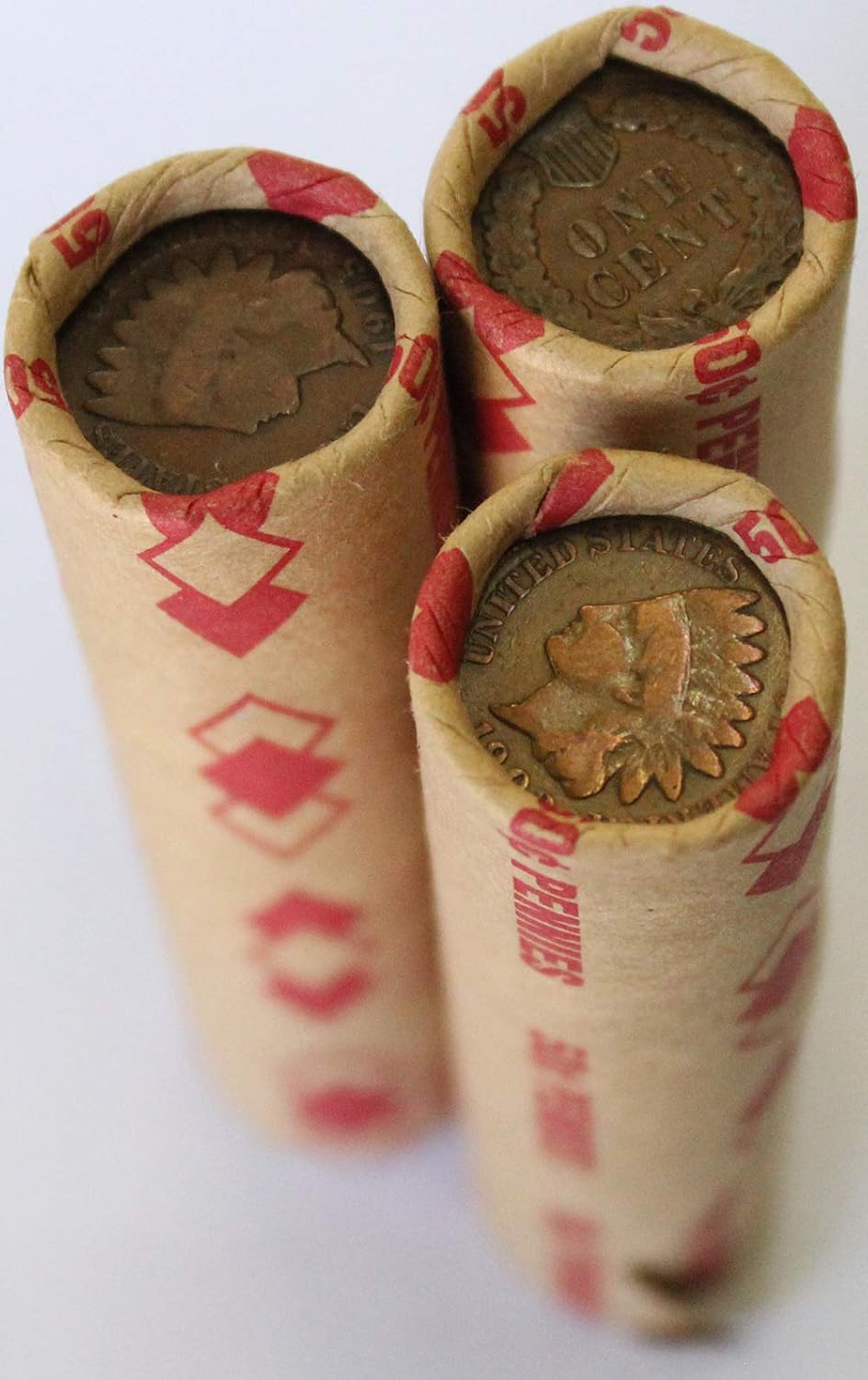
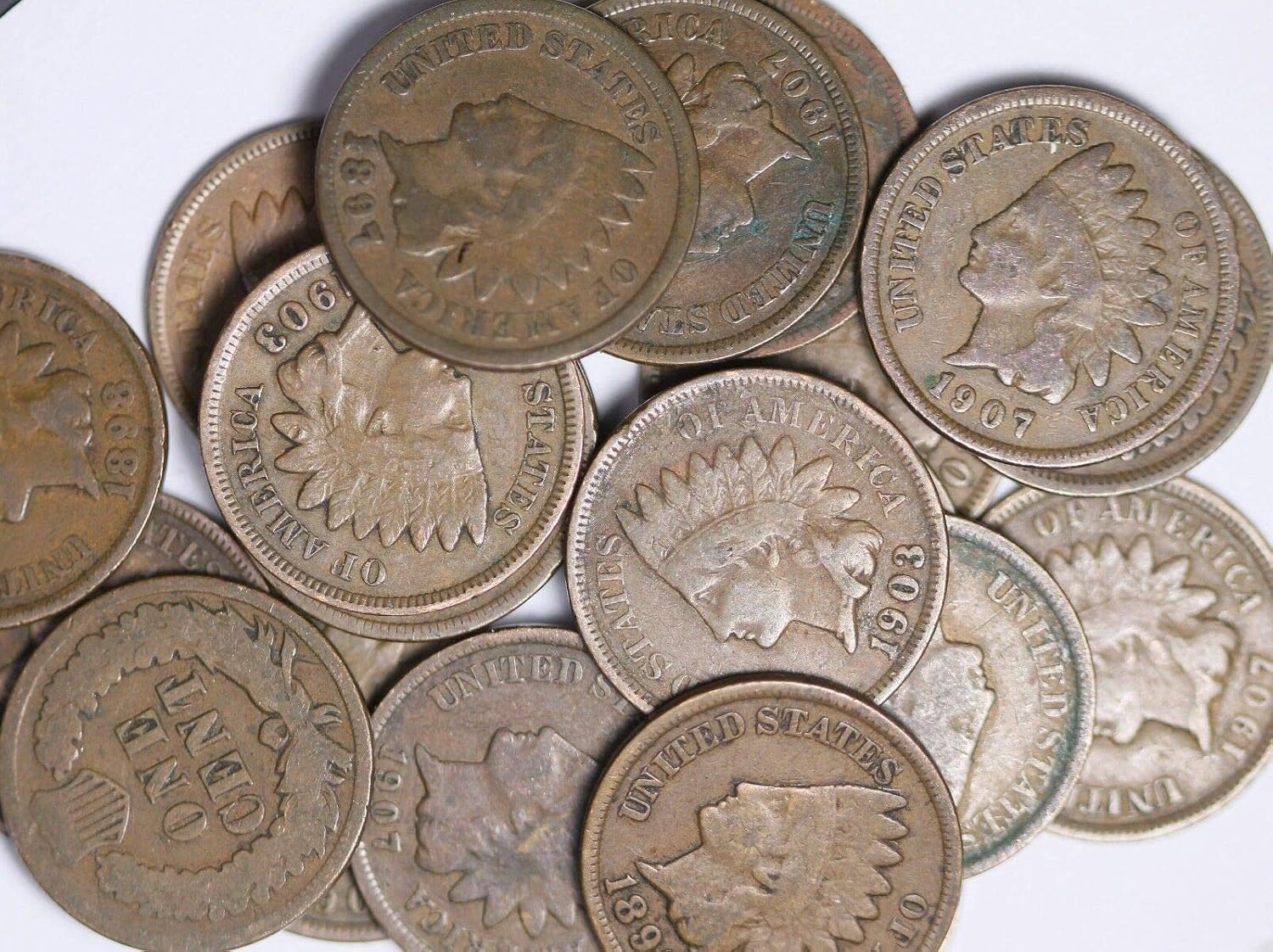
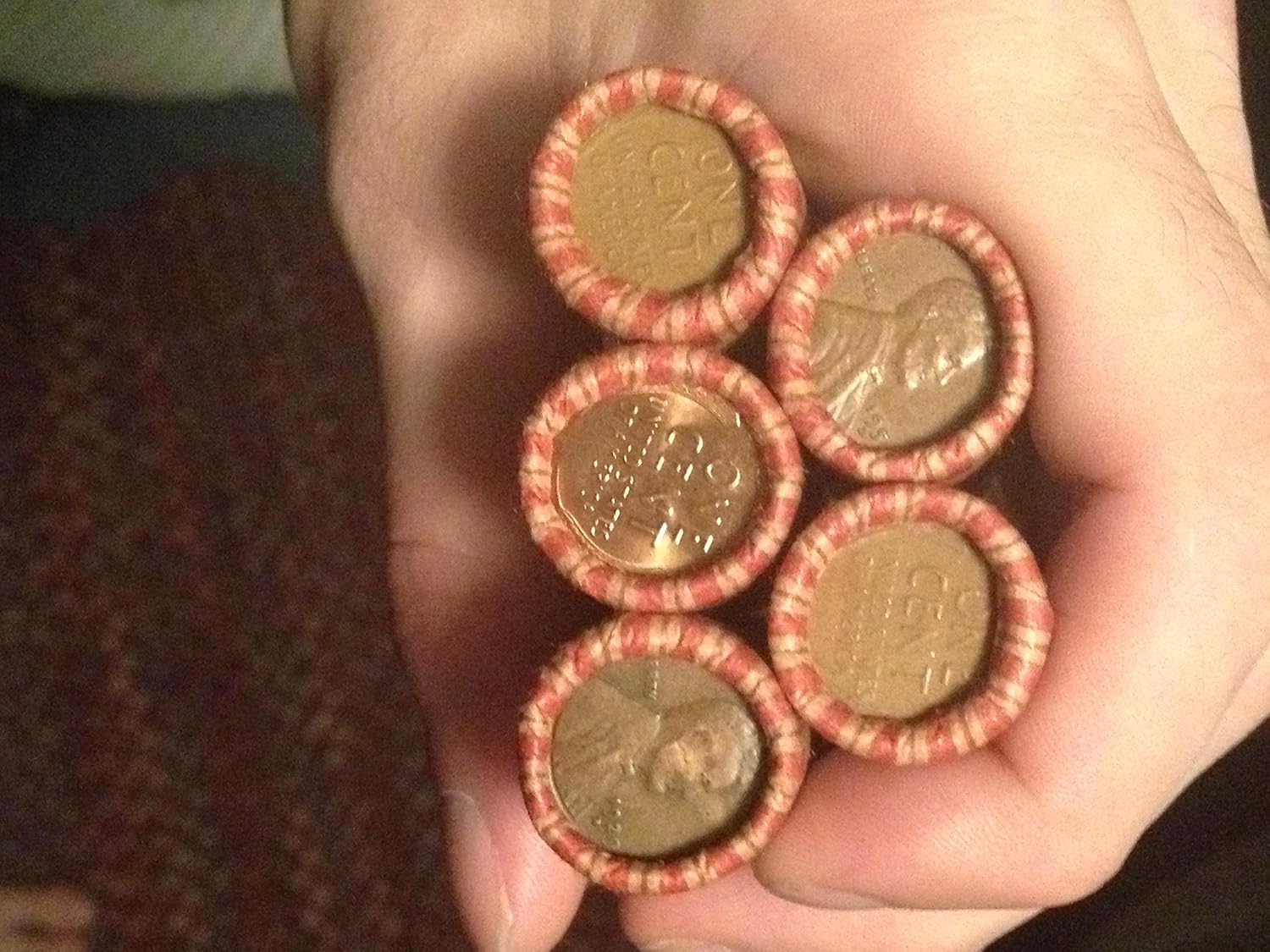
50 circulated wheat cents – Mixed years from the 1910s through 1950s, picked randomly. Expect a lot of common dates like 1944, 1945, and 1950-Ds with heavy wear.
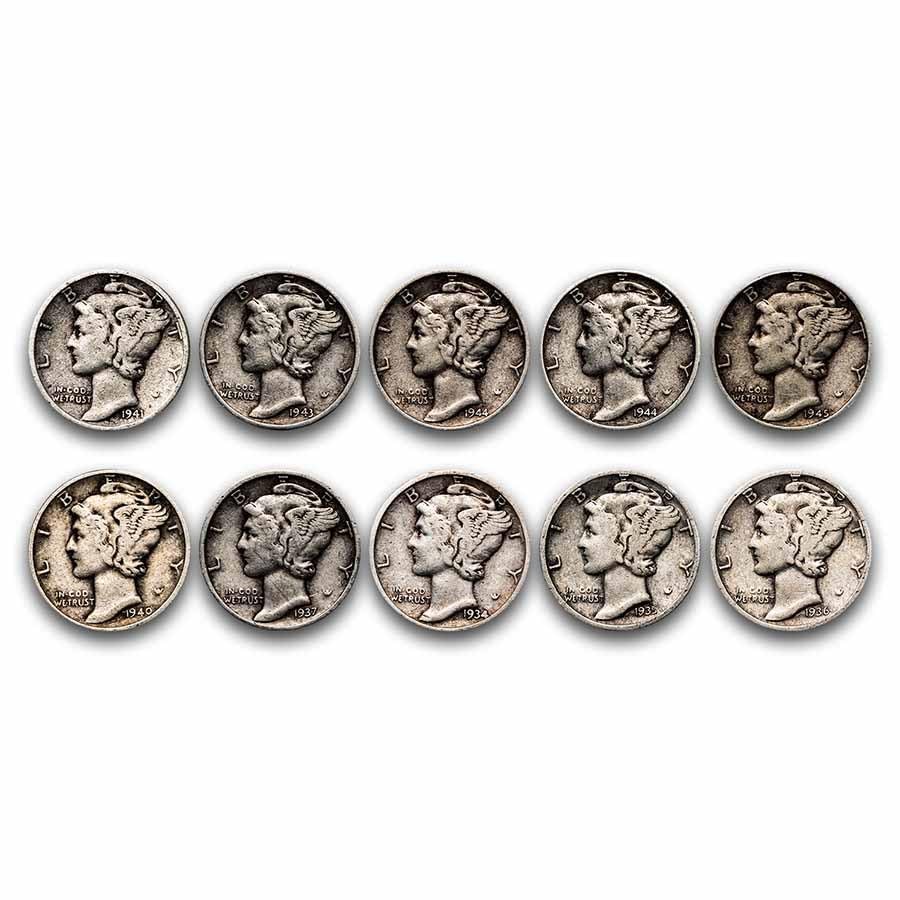
One Mercury dime included – It’s taped to the outside of the wrapper. Usually a common date like 1944 or 1945, well worn, maybe cull grade. It’s a bonus, not a jackpot.
“Unsearched” guarantee – The seller claims the roll hasn’t been examined for key dates or errors. That’s the whole point, but you’re trusting the honesty of a reseller who’s handling thousands of these.
Paper shotgun-style wrapper – Classic coin roll feel. You tear it open yourself, which adds to the experience. No plastic tube, no resealable bag.
Mixed mint marks – You’ll see Philadelphia (no mint mark), Denver (D), and San Francisco (S) coins. The odds of getting a 1909-S VDB are essentially zero, but you might find a 1914-D or 1931-S if luck is on your side.
Price point around $30 – That’s roughly $0.60 per coin. For circulated wheat cents the typical value is $0.10–$0.25 each, so you’re paying a premium for the gamble and the dime.
Fit for You
You buy a lottery ticket every month and enjoy the anticipation more than the win.
You’re a beginner coin collector who wants a low-stakes way to learn grading from worn coins.
You need a gift for someone who likes history or vintage pocket change—something to open together.
You run a treasure-hunt booth at a kid’s birthday party and want a cheap activity that’s not just candy.
You already have a pile of common wheat cents and you’re looking for variety in dates you don’t own yet.
You’re curious about the “unsearched” concept but won’t be crushed if you don’t find a rare coin.
Uses
Sunday afternoon with nothing on. You sit down, tear open the paper end, and dump 50 copper discs onto a felt pad. The first few coins are dull brown from years spent in vending machines. Then you spot a 1936 with a readable “D” mint mark—not valuable, but a little older than usual. That’s the moment this product delivers.
It also works as a conversation starter. Put a handful in a jar on your desk. Coworkers will ask why you have a wheat penny from 1944. You say, “Found it in a roll I bought online,” and suddenly you’re the office coin expert for thirty seconds.
If you’re filling an album, these rolls can bulk up your common-date slots cheaply. But don’t expect to complete a set this way. You’ll need to trade or buy specific dates for the tougher ones.
Experience
Opening the roll is straightforward. The paper is thin and tears easily—just watch out for the dime taped to the outside. That tape can be stubborn, and if you rip it carelessly the dime might get scratched. Better to slice the tape with a knife than yank it off.
The coins inside are dirty. Really dirty. A few might have that greenish crust from PVC storage or old attic boxes. You’ll want to handle them with cotton gloves if you care about maintaining whatever grade they have. Most are well-worn, with details on Lincoln’s hair and the wheat stalks only partially visible. That’s normal for a circulated wheat penny roll value of about $5–$10 in bulk, so nothing shocking.
Annoying thing: about one in four rolls I’ve heard about has a coin that’s bent or holed. Not ideal if you were hoping for a presentable set. And the Mercury dime is almost always a common date, often slick or with a scratch across the rim. It’s worth maybe $1–$2 melt value, so don’t count it as a win.
The whole process takes maybe ten minutes. You sort the wheat pennies, check for errors (double dies, repunched mint marks), and then either toss them into a box or start filling a folder. There’s a satisfying tactile feel to handling old copper, no doubt about it.
Pros and Cons
Pros
Genuine surprise factor – Every roll is different. You might find a decent 1910-S or a 1920s low-mintage date that would cost $2–$3 alone.
Mercury dime adds a little value – Even a cull Mercury dime is worth about $1.50 in silver lately. That softens the cost a bit.
Good for beginners – Teaches you to identify mint marks, grades, and common date ranges. No pressure.
Compact and easy to store – No big pile of boxes. One roll fits in a drawer or a shoebox.
Potential for error coins – Unsearched wheat penny roll review mentions occasional finds like a 1955 doubled die (rare, but not impossible). You only need one hit to make it worthwhile.
Cons
High premium for low average value – Fifty common wheat cents are worth maybe $8–$12. You’re paying $30. That’s a steep entry fee unless you really enjoy the hunt.
Dime condition is poor – Most of the Mercury dimes are badly worn or have rim damage. You’ll likely get one that grades G-4 at best.
No guarantee of any semi-key date – You could get all 1950s common cents, which are essentially bulk filler. That’s a real letdown.
Paper wrapper can damage coins – The ends are crimped tight, and sometimes the edge coin gets a nick from the fold. Hard to avoid.
Trust issue with “unsearched” – Without a third-party verification, you’re relying on the seller’s honesty. Some buyers report finding obvious cherry-picks missing.
Advantages
Compared to an old coin lot review where you get a random bag of foreign coins, this product lets you focus on a single series—Lincoln wheat cents—so you’re not wasting time identifying unknown coins from five different countries. The Mercury dime on the end is a bonus that a straight wheat penny roll doesn’t offer.
It also beats buying sealed “unsearched” rolls from eBay, where you have no recourse if the roll is clearly picked over. Amazon’s return policy gives you at least some protection if the roll arrives obviously tampered with.
If you’re torn between a wheat penny roll vs mercury dime roll, this is actually both in one purchase. You get the wheat cents for the bulk hunt and a silver dime to keep the mood up. That’s smarter than buying two separate products.
Who Should Buy
You should buy it if you like the ritual of coin roll hunting and want a single, low-commitment session without ordering a whole box from a bank. You’re okay with losing maybe $15–$20 for the entertainment.
Skip it if you need to maximize every dollar. At $30, you could buy a nice, certified common-date Mercury dime in AU50 plus a bag of common wheat pennies, and have money left over. That’s a smarter deal for the value-minded collector.
Also skip if you’re expecting a hidden 1909-S VDB or a 1914-D. The odds are astronomical. You’ll be disappointed.
Great for a gift to a young collector—say a niece or nephew who’s shown interest in history. The dime on the outside is an instant hook.
Fine for someone who already has a pile of wheat cents and just wants a few more for a trade or a giveaway.
FAQ
Is the Unsearched wheat penny roll worth it?
For pure financial value, no—you’re paying a big premium over the coins’ melt and collector value. For the fun of opening one roll and a shot at a rare date, it can be worth it, as long as you treat it like a $30 lottery ticket.
What’s the best unsearched wheat penny roll for collectors?
This roll is a solid middle-ground option because it includes a Mercury dime, which adds a little silver weight. For serious collectors, a box from a bank is cheaper per coin, but you don’t get the dime or the unsearched label.
Does the Mercury dime always come inside the roll?
No, it’s taped to the outside of the wrapper. The description says “w/Silver Mercury Dime End,” so it’s visible as the “end” coin—meaning it’s attached to the paper, not inside with the wheat cents.
How long does it take to receive?
Standard Amazon shipping times apply—usually 2–5 days. The product ships in a small padded envelope. The roll itself is lightweight, so it’s not delayed by bulky packaging.
Can you return it if the roll is obviously searched?
Yes, through Amazon’s standard return policy. If the paper looks re-glued or the coins are all common 1950s dates with no variation, you could argue it was not truly unsearched. But returns for “I didn’t like what I found” are not accepted.
Is the Unsearched wheat penny roll worth it vs. buying a box of bank pennies?
A bank box of 50 rolls costs about $25 and gives you 2,500 circulated coins (mostly modern). This roll gives you only 50, all wheat cents, at a higher cost. If you want volume, go to a bank. If you want guaranteed old pennies and a silver dime, this roll wins.
Final Verdict
The Unsearched wheat penny roll is a decent one-time amusement for a curious collector, not a serious investment. You’ll likely get a handful of common-date wheat cents and a worn Mercury dime that combined are worth less than what you paid. But the experience of tearing open that paper and checking every date has real charm—and if you happen to find a 1914-D or a 1931-S, you’ll feel like you beat the system.
Just keep your expectations low. Treat it as a $30 piece of entertainment, and you won’t be disappointed. Treat it as a retirement plan, and you will be.
Unsearched wheat penny roll vs the competition in 2026
The Unsearched wheat penny roll market is crowded with promises of silver and buried treasure. At $29.99 with a 3.8 rating, this specific Unsearched Wheat Penny Roll sits in a weird middle ground. It’s not the cheapest option, but it’s making one specific promise that others don’t try to match: a Mercury Dime tip. That dime is the whole reason some of you are here. Here is how it actually stacks up against the three real alternatives you are probably also looking at.
Product
Price Range
Key Strength
Key Weakness
Best For
Unsearched Wheat Penny Roll (Target)
$29.99
Guaranteed Mercury Dime end cap
Mixed reviews suggest some lots feel “picked through”
The collector who wants a specific gamble
Hobbiz Unsearched Wheat Shotgun Roll
Budget (~$20
Lower buy-in price for a full roll
Often includes foreign coins or spam tokens
Pure volume with a tighter budget
Historic Coinage Unsearched Wheat Roll
Premium (~$35
Better sourcing reputation and consistency
Highest cost per coin with same general wheat pool
Trusting the “unsearched” claim over the price
Generic Circulated Wheat Penny Bulk Bag
Budget (~$15
Cheapest way to fill a book with common dates
Zero chance of silver; clearly picked over
Filling holes in a folder
Unsearched wheat penny roll vs Hobbiz Shotgun Roll
The Hobbiz roll is the alternative if you simply want to tear into a roll. It’s cheaper by about ten bucks. You get a roll of wheat cents, mixed dates, and you might find a steel cent or a weird token. The Unsearched wheat penny roll vs Hobbiz comes down to that Mercury Dime. Hobbiz doesn’t promise a silver end. The Unsearched roll puts a silver dime right at the end of the tube. If you want the moment of pulling a silver dime out, that specific promise is worth the extra money. If you just want a stack of wheat cents to sort through, the Hobbiz is a smarter spend.
Unsearched wheat penny roll vs Historic Coinage Unsearched Roll
Historic Coinage has the better reputation. They sell an unsearched wheat penny roll as well, and they consistently deliver rolls that look genuine. The Unsearched wheat penny roll you’re looking at has a 3.8 rating. Some buyers feel the “unsearched part is a soft claim. You get a Mercury dime tip with this product. You pay $29.99. With Historic Coinage, you pay more, but you trust the sourcing. Old coin lot reviews for Historic Coinage tend to be more positive. This trade-off is simple. If you want the specific end cap silver dime, get this Unsearched roll. If you want the peace of mind that the lot is truly untouched Historic Coinage is the alternative to pick even if it costs a bit more.
Is the unsearched wheat penny roll worth it as an alternative to a Mercury Dime roll
That is the real question. You can buy a known Mercury Dime roll for less than $30. You will get silver. You will know what you have. The unsearched wheat penny roll is for the gamble. You might get some nice wheat dates. You might get a crusty common. The wheat penny roll value is speculative. A circulated wheat penny roll value usually sits around $2 to $5 in base copper. You are paying for the *chance* of the dime collecting a premium. It is not a smarter investment than buying the silver dime outright. It is a more fun way to spend an afternoon. If you want a good time, this is it. If you want a good investment, buy a known Mercury Dime roll. If the idea of seeing a silver dime smiling at you from the end of a paper tube sounds appealing, pick the Unsearched wheat penny roll. It is the best unsearched wheat penny roll for collectors who want a specific moment. If you just want to maximize your copper stack per dollar, skip the gamble and go with the Hobbiz bulk roll instead.
Ready to decide on the Unsearched wheat penny roll?
See today’s price, stock and delivery options on Amazon.