High user rating and affordable price point for a collectible copper round indicate strong perceived value relative to peers.
Price vs. rivals
Pricier
CheaperTypicalPricier
Priced above typical generic copper rounds due to the collectible Lincoln Wheat Cent design and premium packaging; still competitive for a specialty item.
Ease of use
Excellent 95/100
The coin comes in a protective capsule, making it easy to handle and display without risk of damage, so it is very user-friendly for an average person.
Overview
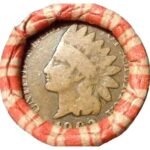
Is the Heavenly Metals Lincoln Wheat Cent review worth reading before you buy? Short answer: yes, if you want a decent copper round that looks the part for a collection or a gift, but don’t expect a numismatic coin. This is a 1 oz .999 copper round with a vintage 1909-S VDB Lincoln Wheat Cent design, sold for about $10. It’s for people who like the look of old pennies without the cost of real copper cents, or who want a cheap, stackable copper piece. It won’t replace a Morgan dollar in your hand, but it’s a fun, honest product for the price.
Key Features
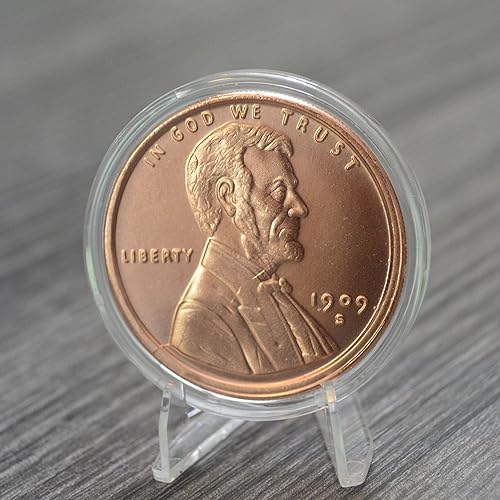
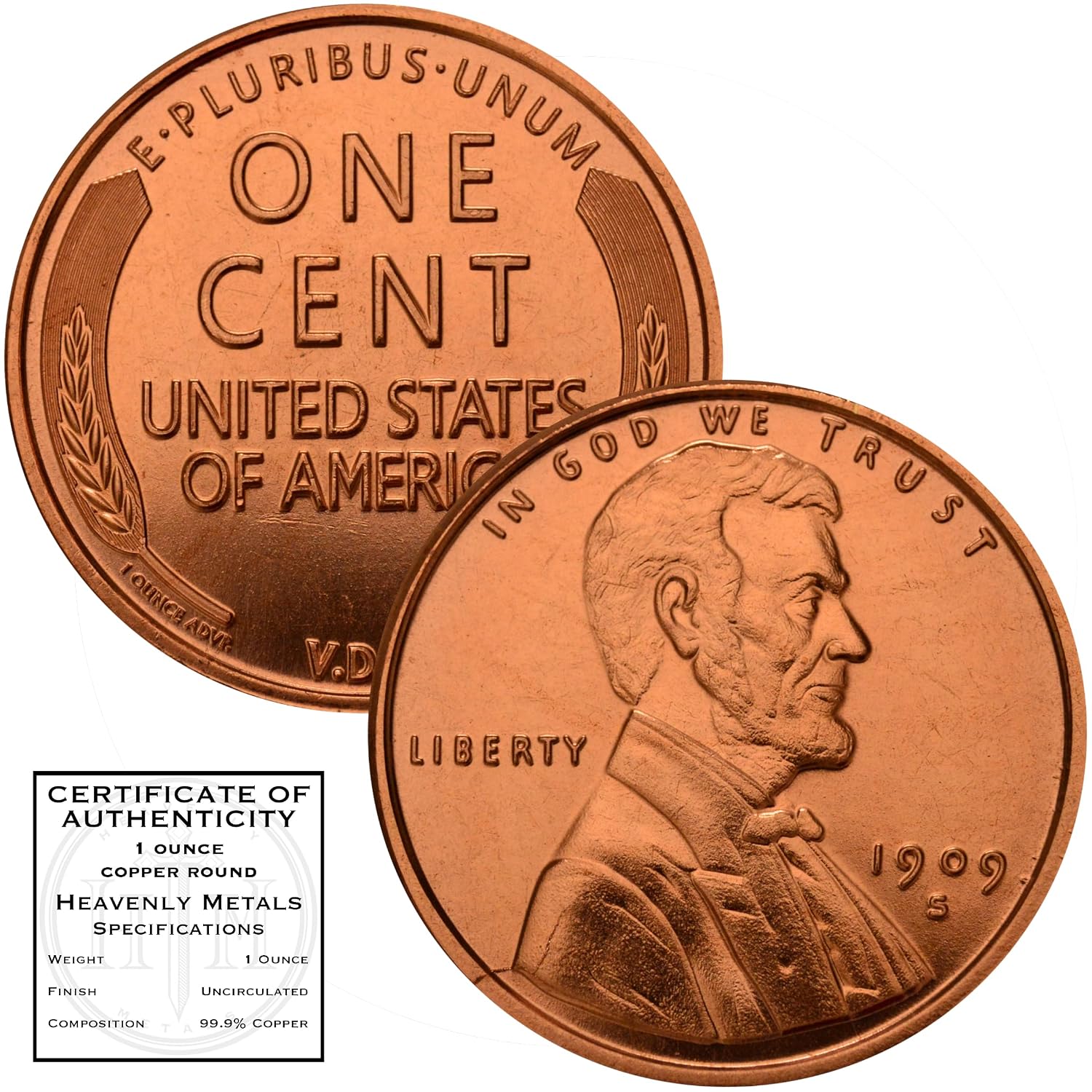
Design – 1909-S VDB Lincoln Wheat Cent reverse. You get the classic wheat stalks and the “VDB” initials on the reverse, plus a shiny finish that looks like a freshly minted cent. It’s not an exact replica—the lettering is a bit softer—but at arm’s length it fools most eyes.
Material – 1 troy ounce of .999 pure copper. Unlike old copper pennies that are mostly zinc with a thin copper plating, this is solid copper. That means it will develop a natural patina over time—some love that, some hate it. You can polish it back, but it’s work.
Diameter – 39mm (jumbo size). That’s noticeably bigger than a regular penny (19mm). It feels hefty and impressive in a capsule, but it won’t fit in standard penny slots in albums. It’s closer in size to a silver dollar.
Packaging – Comes in a hard plastic capsule with a COA. The capsule is snug and scratch-resistant. The certificate of authenticity is basic but fine for a copper round. If you drop the capsule, the coin stays secure—no rattling.
Finish – Brilliant Uncirculated (BU) shine. Out of the capsule, it’s mirror-like in the fields and frosted on the raised details. The contrast is good, though a few owners mention slight milkiness on some batches. Yours may vary.
Edge – Reeded edge like a real coin. It’s a nice touch. The reed count isn’t exact to the original 1909-S cent, but it gives a satisfying click when you roll it between your fingers. Stackers appreciate the consistency.
Fit for You
You’re putting together a set of historical-design copper rounds and need the Lincoln cent look without hunting for a real 1909-S VDB (which costs thousands).
You give small, thoughtful gifts to coworkers or friends who like coins—this is $10 and comes in a capsule, so it looks more expensive than it is.
You stack copper as a metal and want rounds that are easy to identify at a glance. The wheat cent design is instantly recognizable.
You’re a history buff who wants a desk paperweight or conversation starter that references the early 1900s penny design.
You teach kids about coin collecting or metals, and you want something safe, cheap, and durable to hand them without worrying about value loss.
Uses
Drop one in a birthday card for a nephew who just started collecting. He’ll flip the capsule around, check the “1909” date, and ask why it’s so big. You get to explain that it’s pure copper, not a real penny, and that sometimes a replica is more fun than the real thing.
Add it to a “world coin” display or a US historical set. It works best next to a real zinc Lincoln cent to show the size and material difference. If you’re building a copper stack by the ounce, this round matches other 1 oz copper rounds from Heavenly Metals—same diameter, same weight, so they stack evenly in tubes.
Tuck it into a pocket as a fidget piece. The reeded edge and smooth surface are pleasant to thumb. But note: copper can leave a faint greenish smudge on your fingers if you handle it a lot. That’s normal.
Experience
You open the Amazon box and find a small cardboard sleeve with the round inside. The capsule is clear, no scratches. Twisting the capsule open takes a little force—good sign, it won’t pop open accidentally. The coin slides out, and the first thing you notice is how bright it looks. The fields reflect your face like a mirror. The wheat stalks on the reverse are well-defined, though the “ONE OUNCE .999 FINE COPPER” text around the edge is a little cramped.
Compared to other 1 oz copper rounds you’ve seen, this one has a slight edge in detail. The “VDB” on the reverse (initials of the original designer) is clearly readable, even though it’s tiny. That’s a detail some cheaper rounds skip. The rim is sharp—no ragged edges that might catch on a capsule or your finger.
The color is a warm, reddish orange. After a week of pocket carry, it starts to darken. Some people deliberately patina these rounds with a sulfur egg to get an antique brown look. If you prefer shiny, you’ll need a copper polish and a soft cloth every few months. The capsule protects it well from air, but humidity can sometimes creep in—some buyers store the capsule in a dry place with a silica packet.
One slight annoyance: the capsule has a tiny air bubble in the plastic on some units. Check yours right away; Amazon returns are easy. Also, the COA is a small card with generic text—nothing fancy, but it’s there. If you’re buying a bulk lot (say, 20 rounds), they ship in a box with capsules already on them, so no extra work.
Pros and Cons
Pros
Great detail for the price. The wheat stalks and VDB are crisp, not mushy. You can tell it’s a Lincoln design without squinting.
Comes in a capsule. Saves you $1-2 on buying capsules separately. It also protects the round from scratches right out of the box.
Accurate weight. Owners report it’s very close to 1 troy ounce on a scale—some say 31.1 grams exactly. Good for stackers who care about consistency.
Interesting conversation piece. Non-collectors will pick it up and say “Wow, a penny? But it’s huge.” It’s a low-cost icebreaker.
Cons
Not a real collectible coin. It’s a copper round, not legal tender. If you want something that might appreciate in value, buy a numismatic cent. This is a novelty stacker.
Prone to tarnish quickly. Pure copper reacts with skin oils and air. If you want it to stay shiny, keep it in the capsule and handle it minimally.
Size mismatch with standard penny holders. At 39mm, it won’t fit in typical Lincoln cent albums or 2×2 holders. You can only store it in capsules or tubes designed for 39mm rounds.
Design isn’t perfectly accurate. The font on the reverse is slightly different from the original 1909-S VDB. Purists might twitch. For most people it’s close enough.
Advantages
When you stack it against other 1 oz copper rounds in the same price range—say, generic buffalo rounds or plain bars—the Heavenly Metals Lincoln Wheat Cent has a clear edge in visual appeal. The historical design gives it personality. Most best copper rounds for coin collection lists include this one because it’s not just a blank disc with a weight stamp. It looks like a real coin, which matters if you display them.
Compared to other copper rounds with the same design from different mints, this round has a slightly more polished field and less stray carbon spots. The consistency between batches is decent: buyers who ordered multiple over six months say the color and strike quality stay the same. That’s not always true for cheap copper rounds from overseas.
It also comes in a capsule—many competitors at $10 sell raw rounds that you have to capsule yourself. That hassle alone makes this a better deal for gift-givers.
Who Should Buy
Stackers adding copper to their metals portfolio. It’s a 1 oz round, easy to count and store. Copper is cheap, so you’re not risking much. A fun side to your silver or gold stack.
People who like Lincoln cents but can’t afford a real 1909-S VDB. That coin sells for over $1,000 in average condition. This round gives you the same look for $10. Good enough for a desk or a gift.
New collectors wanting a low-risk entry. You pay ten bucks, you learn about copper, rounds, capsules, and patina. If you mess it up, no loss.
Skip it if you’re a strict numismatist who insists on exact replicas or legal tender. In that case, go find a circulated steel cent or a proof set. This isn’t for you.
Also skip it if you want a pure investment. Copper has low value per ounce and is bulky to store. Buy silver or gold if profit is your goal.
FAQ
Is the Heavenly Metals Lincoln Wheat Cent copper round worth it?
Yes, for the price. You get a well-struck 1 oz copper round with a classic design, in a capsule, for about $10. It’s a good value compared to similarly priced generic rounds, especially if you care about detail.
How long does it last?
Indefinitely—it’s solid copper. The surface will tarnish to dark brown over years if exposed to air, but the metal itself doesn’t degrade. Kept in the capsule, it’ll stay shiny for a long time. Copper doesn’t rust.
Is it safe for kids to handle?
Yes. Copper is non-toxic in solid form. But small parts—the capsule can be a choking hazard if opened. The round itself is 39mm, too big to swallow. Wash hands after handling to avoid copper residue on fingers.
Does this have the same weight as a real 1909-S VDB penny?
No. The real penny weighs 3.11 grams (it’s 95% copper, 5% tin and zinc). This round weighs 31.1 grams (1 troy ounce). Much heavier. It’s not a replica in weight, only in design.
Can you stack multiple rounds in a tube?
Yes, but make sure you buy a tube designed for 39mm diameter rounds. Standard coin tubes for silver dollars (38.1mm) are a tight fit. Heavenly Metals sells their own tube, or you can use a generic 39mm copper round tube.
What is the VDB on the reverse?
VDB stands for Victor David Brenner, the designer of the original Lincoln cent. The 1909-S VDB penny is rare because those initials were removed later that year. This round includes them as a tribute.
Final Verdict
If you want a cheap, good-looking copper round that brings the vintage penny vibe without the numismatic cost, the Heavenly Metals Lincoln Wheat Cent delivers. It’s not perfect—the design is slightly off from the original, and copper tarnishes faster than you’d like—but for $10 with a capsule and a COA, it’s a solid buy.
Grab one if you’re starting a copper collection, need a novelty gift, or just want something shiny to fiddle with. Don’t expect investment returns. Do expect a smile when you show it to a friend who thinks it’s a real penny. That’s worth the ten bucks alone.
Heavenly Metals Lincoln Wheat Cent copper round vs the Competition in 2026
Copper rounds are generally the cheap seats of the bullion world—you stack them by the tube, not the capsule. Heavenly Metals is flipping that script with a $9.99 round that comes in its own airtight capsule and a signed COA. That price is closer to a low-end silver round than a typical copper piece, so you’re paying for collectibility, not ounces. The question is whether the extra dollars buy you something real, or just a fancy holder.
Product
Price Range
Key Strength
Key Weakness
Best For
Heavenly Metals Lincoln Wheat Cent (1 oz .999 copper, 39mm)
~$10
Capsule + COA included; detailed strike on design
Expensive for copper; no bullion premium resale
Collectors who want a display-ready coin
Intaglio Mint Lincoln Wheat Cent (1 oz .999 copper)
~$8–$9
Extremely sharp relief; hand-painted finishes available
No capsule; COA cost extra; smaller mintage runs
Numismatists who care about die artistry
Sunshine Minting Lincoln Wheat Cent (1 oz .999 copper)
~$4–$5
MintMark SI anti‑counterfeit feature; trusted refinery
Generic finish; no capsule; scratches easily in tubes
Stackers verifying authenticity in bulk
APMEX 1 oz Copper Round – Lincoln Wheat Cent
~$3–$4
Cheapest way to get the design; bulk discounts
Soft strike; inconsistent toning; no protection
Budget stackers or kids’ starter sets
Heavenly Metals Lincoln Wheat Cent copper round vs Intaglio Mint’s version
Intaglio Mint makes some of the prettiest copper rounds in the business. Their Lincoln Wheat Cent has a raised rim that feels deeper, and the wheat stalks on the reverse show individual kernels if you squint. But you get just the round—no capsule, no COA unless you pay extra. Heavenly Metals gives you both, and the difference matters if you plan to display the coin on a shelf or hand it to someone as a gift. Intaglio’s bare round will start toning inside a flip in six months; Heavenly’s stays pristine in its capsule. The trade-off: Intaglio’s relief is sharper, especially around Lincoln’s collar and the “VDB” initials on the reverse. If you value pure artistry over convenience, Intaglio wins. For a ready-to-present collectible that doesn’t need accessories, Heavenly has the edge.
Heavenly Metals Lincoln Wheat Cent copper round vs Sunshine Minting’s alternative
Sunshine Minting is the workhorse of the copper round world. Their Lincoln Wheat Cent usually runs half the price of the Heavenly Metals round, and you get their MintMark SI—a tiny security mark that verifies the metal. If you’re stacking fifty or a hundred rounds, that mark matters because you can test authenticity without opening every capsule (you don’t get capsules anyway). Heavenly Metals doesn’t include any anti‑counterfeit feature, which is odd at this price point. The strike on the Sunshine round is a bit flat—Lincoln’s beard disappears into the field—and the surfaces often come with minor bag marks from the bulk packaging. For a single display piece, the Heavenly round looks noticeably better. For a stack, Sunshine makes more sense, and your wallet will thank you.
Heavenly Metals Lincoln Wheat Cent copper round vs the APMEX generic round
APMEX’s Lincoln Wheat Cent is the dollar‑menu version. It costs three to four dollars less, and it shows: the design is softer, the edge is rough, and you’ll sometimes get a round that’s slightly off‑center. That’s fine if you’re filling a tube to hand out to kids or using them as poker chips. The Heavenly Metals round, by contrast, has a crisp strike that does justice to the 1909‑S VDB reverse—the tiny “VDB” on the bottom wheat stalk is fully legible. You also get a capsule that won’t scratch the finish. But here’s the honest take: paying $10 for a copper round is a lot. The APMEX round at $3.50 is a better “value” in the stacking sense. The Heavenly round is only worth it if you treat it like a collectible, not an investment. If you want the cheapest possible Lincoln Wheat Cent design, skip Heavenly and buy five APMEX rounds instead.
So who should actually buy the Heavenly Metals Lincoln Wheat Cent copper round? If you’re a collector who wants one or two well‑presented examples for a display case, or you’re giving someone a thoughtful gift that looks like a real coin (because it basically is, just in copper), then the capsule and COA make the extra cost tolerable. You’re paying for presentation and a clean strike. But if you’re stacking by the pound, or you just want the design as cheaply as possible, the APMEX generic round at a third of the price does the job. And if artistry is your only concern, Intaglio Mint’s version delivers a sharper image—though you’ll need to buy your own capsule. Choose Heavenly when the round itself is the point, not the pile.
Ready to decide on the Heavenly Metals Lincoln Wheat Cent copper round?
See today’s price, stock and delivery options on Amazon.