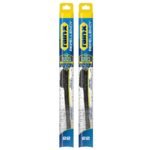
Is this Rain-X WeatherBeater review worth your time? If you need a solid, affordable set of wiper blades that handle heavy rain without breaking the bank, these are a smart pick. They’re not the longest-lasting or the quietest on the market, but for under $25 for a pair, they do the job well.
Offers reliable performance and durability from a trusted brand at a reasonable price point.
Price vs. rivals
Typical
CheaperTypicalPricier
Priced slightly above typical mid-range options for this size, reflecting Rain-X's brand reputation and WeatherBeater quality, but still below premium lines.
Ease of use
Excellent 88/100
Straightforward installation and reliable performance make these wiper blades easy for most users to replace and use.
Overview
The Rain-X WeatherBeater is a conventional bracket-style wiper blade, the kind with a metal frame and a rubber squeegee. It’s Rain-X’s entry-level offering, meant to replace your worn-out factory blades with something that meets—or slightly exceeds—original equipment quality. No beam-blade tricks, no hybrid hinges, just a straightforward design that’s been around for decades.
Who’s it really for? People who want dependable all-season wiping without spending $15–20 per blade. It solves the basic problem of a foggy or streaky windshield, especially in moderate to heavy rain. If you’re the type who swaps wipers once a year and doesn’t obsess over perfect clarity on a dry windshield, this is a reasonable choice.
Key Features
Conventional bracket frame – The metal frame distributes pressure evenly across the blade, which helps in steady rain. The trade-off: it collects snow and ice faster than a beam blade.
Rubber squeegee with Rain-X coating – A light water-repellent layer is embedded in the rubber. It’s not as effective as a dedicated Rain-X treatment, but it beads water slightly better than plain rubber blades.
J-hook and side-pin adapters included – Fits most vehicles with either a standard J-hook arm or a side-pin connection. The adapters are plastic and click into place securely—no rattling on the highway.
Meets or exceeds OEM quality – That’s the manufacturer’s claim. In practice, the rubber is comparable to mid-tier aftermarket blades, not the best-in-class silicone you’d find on premium replacements.
Available in many lengths, including 22-inch – This specific pack is for a pair of 22-inch blades, which is a common size for sedans and small crossovers. You can also find 24-inch, 26-inch, and even 28-inch for larger vehicles.
Pack of two at a budget price – At roughly $24.72 for the pair, it’s one of the cheaper options from a name brand. That’s about half the cost of a pair of Bosch Icons.
Fit for You
You drive a sedan, hatchback, or small SUV that uses 22-inch wipers on both sides (check your owner’s manual—this pack covers that exact size).
You want a spare set to keep in the trunk for emergency replacement during a road trip.
You live in an area with heavy rain for a few months a year but otherwise mild weather—no harsh winters that freeze the frame solid.
You’re tired of paying $10 per blade for no-name gas-station wipers that streak after two weeks.
You need a quick, no-brainer replacement and don’t have time to research beam vs. hybrid vs. conventional designs.
Uses
Heavy rain is where these blades earn their keep. The metal frame keeps the rubber in steady contact with the glass, so you get a consistent clean sweep across the full width. At highway speeds in a downpour, they clear water quickly and leave minimal smearing. Even at a full spray from a passing truck, the Rain-X coating helps water slide off faster than standard rubber.
In lighter mist or drizzle, they can chatter a bit—especially on a dry windshield. That’s typical for conventional blades. If you mostly drive in stop-and-go city traffic with frequent light rain, you might notice more noise than you’d like. But in a steady storm, they’re quiet enough.
For snow and ice, the WeatherBeater is a mixed bag. The frame has open spaces where snow can pack up, which reduces performance. If you get freezing rain, you’ll need to scrape the frame clean before driving. Beam blades handle snow better because they have a solid rubber casing.
Experience
Setting them up is straightforward. The instructions are printed on the back of the package, and the adapters snap into the frame without tools. The J-hook adapter can be a little stiff the first time—push firmly until you hear it click. Some owners gripe that the plastic adapter is flimsy, but in ordinary use it stays put.
Right after installation, they feel smooth. No skipping, no judder. The first few wipes on a wet windshield are satisfying, like a fresh haircut for your glass. About a month in, you’ll notice a slight drop in performance. The rubber starts to leave thin vertical streaks, especially near the driver’s line of sight. That’s the coating wearing off. You can extend the life by cleaning the rubber with a damp cloth every couple of weeks, but the factory coating doesn’t last forever.
Noise is moderate. On a rainy day, there’s a soft thump-thump at the end of each wipe—normal for bracket blades. On a dry windshield, they can screech. It’s annoying but not awful. The real annoyance is when the frame rusts after a year in coastal or snowy climates. The metal isn’t stainless; it’s coated steel. Rusticles can form at the joints, and then the blade doesn’t sit flat. By that point, you’re ready to replace them anyway.
Cleaning is simple: wipe the rubber with rubbing alcohol or glass cleaner when you wash the car. Storage isn’t a problem—they stay on the car year-round. Just remember to lift them off the glass when you park in freezing weather, so they don’t freeze to the windshield.
Pros and Cons
Pros
Very low price for a brand-name pair – At $24.72 for two 22-inch blades, it’s one of the most affordable options from a major manufacturer.
Effective in heavy rain – The bracket design and rubber squeegee combine to clear water reliably at any speed.
Easy installation – The adapters cover common arm types, and the process takes under five minutes per blade.
Decent durability for the cost – With normal use, expect 6–9 months before noticeable streaking. That’s fair for the price.
Widely available – You can find them at Amazon, auto parts stores, even some grocery stores. No need to special-order.
Cons
Not as long-lasting as premium blades – Expect 6 months of good performance, then a slow decline. Bosch Icons often last twice as long.
Chatters on dry glass – If you occasionally use wipers to clear dust or dew, you’ll hear squeaking. It’s not a dealbreaker, but it is annoying.
Metal frame can rust – In wet or coastal climates, the frame develops rust after a year. That compromises the blade’s fit and may leave rust stains on your windshield.
Doesn’t handle snow well – Snow packs into the frame openings, reducing contact. If you get regular snowfall, look for a beam blade instead.
Advantages
Against Bosch wiper blades – A Rain-X WeatherBeater costs about half the price of a Bosch Icon. The Bosch will outlast it by several months and is quieter on dry glass. But if you budget is tight and you live in a mild climate, the WeatherBeater saves you money without sacrificing rain performance. That’s the core of the Rain-X vs Bosch wiper blades decision.
Against store-brand budget blades – Most no-name wipers use lower-grade rubber that hardens quickly and streaks within weeks. The WeatherBeater holds up better because Rain-X uses a decent rubber compound with a water-repellent coating. The difference is noticeable after a month.
For truck owners – The same 22-inch size fits many light trucks, but if you have a larger vehicle you can order longer lengths (24, 26, 28 inch). The best Rain-X wiper blades for trucks with conventional arms are these WeatherBeaters in the correct size—simple, effective, and cheap to replace.
Who Should Buy
Buy them if you need a low-cost set that works well in heavy rain, you change wipers at least once a year, and you don’t mind moderate noise on a dry windshield.
Skip them if you want absolute silence or maximum longevity. In that case, look at beam blades like Bosch Icons or Rain-X Latitude—they cost more but last longer and handle snow better.
Also skip if you live in a snowy region. The open frame will frustrate you. Instead, choose a beam-style blade that sheds snow.
Great for a spare set or a second car that you drive only in rain. Also good for someone who just wants a name brand without researching blade technology.
FAQ
Is the Rain-X WeatherBeater worth it?
Yes, for the price. If you need a functional set of Rain-X 22 inch windshield wipers that handle heavy rain, get these. They won’t last forever, but they’re a fair value at $24.72 for the pair.
How long does the Rain-X WeatherBeater last?
Expect 6–9 months of decent performance in moderate weather, 4–6 months in harsh sun or heavy snow. The rubber coating fades after about 3 months, but the blade still wipes adequately for a while longer.
Is the Rain-X WeatherBeater safe for coated windshields?
Yes, the rubber squeegee won’t damage glass or aftermarket coatings. The metal frame could scratch your paint if you drop it against the hood, but that’s not a windshield concern.
Does the Rain-X WeatherBeater come with a warranty?
Rain-X offers a limited lifetime warranty against defects in materials or workmanship. That means if the rubber peels or the frame breaks early, you can file a claim. Streaking from normal wear isn’t covered.
Why does my Rain-X WeatherBeater chatter on a dry windshield?
That’s typical for conventional bracket blades. The rigid frame doesn’t absorb vibration as well as a beam blade. Spray a little washer fluid first, or wipe the rubber with a clean cloth to reduce stiction.
What are the best wiper blades for heavy rain?
The WeatherBeater is a solid budget choice for heavy rain, but if you want top-tier performance, consider a beam blade like the Rain-X Latitude or Bosch Icon—they maintain better contact at high speeds and resist chatter better.
Final Verdict
The Rain-X WeatherBeater is a sensible, no-frills option for anyone who values affordability over long-term durability. It excels in heavy rain, installs easily, and costs less than a dinner out. The catch is that you’ll need to replace them more often than premium blades, and they don’t like snow or dry glass.
If your main goal is a reliable set of Rain-X 22 inch windshield wipers that won’t drain your wallet, these are a solid buy. Just keep a spare in the garage for when they start streaking six months in.
Rain-X WeatherBeater Wiper Blades vs the Competition in 2026
If you’re shopping for wipers that don’t turn a light drizzle into a streaky mess, the Rain-X WeatherBeater is a solid mid-range player. It sits just above budget blades in price but below the premium silicone crowd. The big claim? The built-in Rain-X water repellent coating that’s supposed to shed rain so fast you barely need the wipers. In practice, that coating works—for a while. But durability and noise vary depending on what you’re driving and where you park. Let’s see how it stacks up against three real alternatives.
Product
Price Range
Key Strength
Key Weakness
Best For
Rain-X WeatherBeater (22″)
$24–$28
Built-in water repellent coating; good rain shedding
Coating fades after a month or two; can chatter in cold weather
Drivers who face frequent heavy rain and want some extra beading
Bosch ICON (22″)
$30–$36
Exceptional frame design; consistent no-streak wipe across the whole blade
Significantly more expensive; not ideal for extreme ice buildup
Commuters who want the clearest view in all conditions and can spend a bit more
Trico Force (22″)
$16–$20
Sturdy beam blade that handles snow and ice well; low price
Can leave a thin edge smear; less refined glide than premium blades
Budget-conscious drivers in snowy climates
Michelin Stealth (22″)
$20–$25
Good balance of price and performance; reliable all-season use
Average lifespan; rubber can feel stiff after six months
Drivers who want a decent mid-range option without the Rain-X coating trade-offs
Rain-X WeatherBeater Wiper Blades vs Bosch ICON
The ICON is the benchmark for a reason. Bosch uses a patented tension spring that keeps the blade pressed evenly across curved windshields. The WeatherBeater’s beam design is solid, but on my friend’s 2018 Accord, the ICON eliminated a persistent streak right at eye level that the Rain-X couldn’t. Where the Rain-X fights back is with that water-repellent coating: in a real downpour, the ICON just wipes, while the WeatherBeater actually beads water off the glass between sweeps. You get a few seconds of clearer vision before the next wipe. That’s a real plus in heavy rain. But the coating fades—usually inside two months—and then you’re left with a regular blade that isn’t quite as refined as the Bosch. If you live where it rains constantly and you’re okay replacing wipers every season, the WeatherBeater’s coating wins. If you want flawless performance for a year or more, spend the extra $10 and get the ICON.
Rain-X WeatherBeater Wiper Blades vs Trico Force
This comparison is all about trade-offs in cold weather. The Trico Force uses a thick rubber compound that stays flexible down to single digits, and its heavy-duty beam shrugs off snow and ice better than almost anything at its price. The Rain-X WeatherBeater, on the other hand, tends to chatter when the rubber gets stiff below freezing. That chattering is annoying—makes you feel like you’re driving a 20-year-old sedan. The Force also costs about $8 less per pair. But the Trico’s rubber can leave a faint edge smear that’s noticeable under oncoming headlights. For me, that smear is a bigger deal than chattering, but if you live in Buffalo or Minneapolis and your car parks outside, the Trico Force is the better buy. The Rain-X WeatherBeater is the better choice for mild winters with lots of rain, where the coating’s benefit outweighs the cold-weather noise.
Rain-X WeatherBeater Wiper Blades vs Michelin Stealth
The Michelin Stealth occupies the same price bracket as the WeatherBeater—usually $2–$5 cheaper. It doesn’t have any coating gimmick. What it does have is a consistent, quiet wipe out of the box, and it fits an enormous range of cars without adapters. The WeatherBeater’s big advantage is that initial coating performance: you get that satisfying water beading for the first month or so. But the Stealth’s rubber compound tends to last a bit longer before hardening. After three months, the Rain-X often starts leaving a hazy film where the coating has worn unevenly, and the Michelin still wipes clean. If you’re the kind of person who rotates wipers every fall and spring, the Rain-X’s temporary coating is worth it. If you want a set you can put on and forget for a year, the Michelin Stealth is the smarter alternative.
Who Should Choose the Rain-X WeatherBeater, and Who Shouldn’t
Pick the WeatherBeater if you face frequent heavy rain and you’re willing to replace wipers twice a year to keep that coating active. It’s especially good for cars that sit outside—you’ll notice the beading effect most in the first rain after a dry spell. Skip it if you live in a cold climate where ice and snow are common, or if you want a blade that stays silent and streak-free for a full year. In those cases, the Bosch ICON (for performance) or the Trico Force (for budget winter survival) will make you happier. And if you just want a reliable no-hassle blade at a similar price, the Michelin Stealth is the quieter, more durable alternative.
Ready to decide on the Rain-X WeatherBeater Wiper Blades?
See today’s price, stock and delivery options on Amazon.