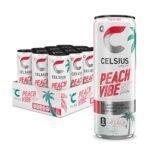
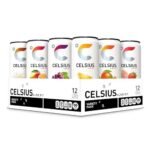
High customer satisfaction and moderate pricing for a 24-pack indicate solid value within the mid-range energy drink segment.
Price vs. rivals
Cheaper
CheaperTypicalPricier
Priced significantly lower than most popular energy drink brands, offering a budget-friendly alternative without compromising quality.
Ease of use
Excellent 95/100
Open the can and drink; no preparation needed, making it extremely easy to use.
Overview
The V8 Energy Peach Mango is basically a vegetable juice that got invited to the energy drink party. It solves the problem of wanting a caffeine boost without the syrupy-sweet crash or the feeling that you just drank a battery. It’s really for people who look at a can of Monster and think “I like the energy part, not the 54 grams of sugar part.” Think of it as the sensible friend who still knows how to have a good time. You get a blend of fruit and vegetable juices, caffeine from green tea, and a serving of veggies you barely notice.
Key Features
80 mg of caffeine from green tea – That’s roughly one strong cup of coffee. It’s enough to shake off the 2 PM slump without making you feel like you’re vibrating out of your chair. The green tea source means the lift comes on smoother than the jolt from synthetic caffeine.
One combined serving of fruits and vegetables – Each tiny can sneaks in a mix of carrot, sweet potato, and fruit purees. You’re not replacing a salad, but it’s a lot more nutritionally interesting than the neon-colored alternatives.
70 calories per can – About half of what you’ll find in most fruit-flavored energy drinks. It’s lean enough to fit into an afternoon where you already had a big lunch and don’t need a dessert-level drink.
No artificial sweeteners or high-fructose corn syrup – The sweetness comes from fruit juice concentrates and a bit of stevia leaf extract. Some people notice the stevia aftertaste. Others don’t. You’ll know which camp you’re in by the second can.
8 oz slim can – It’s noticeably smaller than the standard 16 oz energy drink can. That’s either a feature (you finish it before it gets warm) or a drawback (if you want a longer sipping experience).
24-pack for around $18 – That’s about 75 cents per can. Compare that to a single Monster or Red Bull on convenience store shelves, and the price math looks pretty good.
Fit for You
You’re the person who buys a green juice at the store but secretly wishes it had enough caffeine to get you through a spreadsheet crisis.
You’ve tried the mainstream energy drinks and felt too jittery or too full of regret afterward.
You make a smoothie every morning and hate washing a full blender – this is like the cheater’s version for the afternoon.
You want something to mix with seltzer or club soda for a low-sugar spritzer that still has a kick.
You keep a stash of drinks in your car or desk that have to survive temperature swings without tasting weird.
You’re trying to curb a daily soda habit but still want something cold, bubbly, and slightly sweet.
Uses
These cans earn their keep in the boring, practical moments. The 8 oz size is perfect for that gap between lunch and a late meeting where you need a pick-me-up but don’t want to commit to a full 16 oz drink you’ll abandon half-finished. It’s also good for mornings when coffee sounds too heavy – the peach mango flavor is bright enough to feel like a fruit snack but with a purpose. It shows up well in a packed cooler for a hike or a picnic. The small can doesn’t take up much ice space, and the juice blend hydrates better than a pure sugar energy drink. Some people use it as a base for mocktails – V8 Energy Peach Mango with lime and soda water makes a simple afternoon spritzer that doesn’t scream “energy drink” to everyone around you. The catch is that it doesn’t work great if you need a long, slow caffeine drip. Because it’s only 8 oz, you finish it in maybe six to eight sips. You can’t nurse it for an hour the way you might with a Monster. It’s a quick hit, then you’re done.
Experience
Opening the can, you get a distinct peach-mango aroma with an undertone of something earthier – that’s the vegetable juice blend making its presence known. The color is a muted orange-brown, not the fluorescent glow of most fruit energy drinks. First sip hits with the mango and peach sweetness, but the finish is where things get interesting. There’s a slight vegetal note, like the last sip of a carrot-ginger juice. It’s not unpleasant, but it’s definitely not a pure fruit juice experience. The carbonation is moderate. Not as aggressive as a LaCroix, not as flat as a juice box. It’s enough to give it a clean mouthfeel without making you burp every five minutes. The caffeine kick comes on in about 15 minutes and feels more like a calm attentiveness than a spike. Owners tend to mention that the energy feels “cleaner” – they don’t get the headache or the irritable edge that sometimes comes with heavy sugar-and-caffeine combos. The small can size is both a convenience and a minor frustration. You’ll wish for two ounces more. That extra hundred milliliters would turn it from a snack into a proper drink. As it is, you’ll probably grab two if you’re settling in for a long drive or a movie. Also, the stevia aftertaste is there if you look for it – some people don’t notice it at all, others find it lingers like a polite but persistent house guest.
Pros and Cons
Pros
Much lower sugar than competitors – 70 calories and 14 grams of sugar versus the 110–200 calories in standard energy drinks. Your dentist will approve, if not exactly applaud.
Green tea caffeine feels smoother – The energy doesn’t hit like a freight train and doesn’t leave you hunting for the brakes an hour later. It’s a curve, not a spike.
Easy to stash everywhere – The 8 oz can fits in a car cup holder, a lunch bag side pocket, or a coat pocket if you’re desperate. No bulky 16 oz can taking over your space.
Surprisingly decent ingredient list – You can read the label without feeling like you need a chemistry degree. Vegetable juices, fruit purees, green tea extract. That’s not nothing.
Cons
The vegetable aftertaste is real – The first can might throw you off if you’re used to the aggressive sweetness of a full-sugar Monster. You get used to it, but it’s a hurdle.
8 oz leaves you wanting more – It’s a tease. You finish it, you’re awake, but you’re not satisfied in the “I just had a beverage” way. You’ll budget for two.
Stevia sweetness isn’t for everyone – It has that slightly cool, lingering sweetness that divides people. If you hate stevia in your iced tea, you won’t love it here.
Not for heavy caffeine users – 80 mg is a modest dose. If you’re used to 200 mg bang energy drinks or triple-shot coffees, this will feel like a gentle suggestion rather than a kick.
Advantages
When you stack this against a V8 Energy vs Monster comparison, the difference is immediate. A standard 16 oz Monster has about 54 grams of sugar and 210 calories. The V8 Energy Peach Mango has 14 grams of sugar and 70 calories. If you’re watching your sugar intake but still need caffeine, that’s the whole argument right there. It also wins on the best fruit energy drink for taste front for people who want something closer to a juice than a candy bar. The peach and mango notes are recognizably natural. They don’t have that artificial Jolly Rancher quality that a lot of fruit energy drinks lean on. The trade-off is that it tastes like real fruit that came from a garden that also grows carrots and sweet potatoes. That’s either a selling point or a dealbreaker. The caffeine content – 80 mg from green tea – means you can drink one in the afternoon and still sleep at a normal hour. That matters more than people admit.
Who Should Buy
Buy it if you want a low-sugar energy option that doesn’t taste like a diet drink. This is for people who like the idea of fruit energy drinks but hate the heavy syrup feel of the mainstream brands.
Buy it if you’re the kind of person who reads ingredient labels in the grocery aisle and actually cares about what’s in your can. You’ll appreciate the short list and the recognizable names.
Skip it if you need a serious caffeine jolt – this is a gentle lift, not a rocket launch. Look at a Reign or Bang if you’re after 300 mg per serving.
Skip it if vegetable-tinged fruit juice sounds like a punishment. There are plenty of pure-fruit energy shots out there that don’t taste like a garden snuck into your drink. This one has a personality, and not everyone vibes with it.
FAQ
Is V8 Energy Peach Mango worth it?
Yes, if you’re looking for a mid-afternoon caffeine lift that won’t spike your blood sugar or leave you feeling jittery. It’s not the most exciting energy drink in the world, but it does its job without making you feel like you just drank dessert.
How long does the energy from V8 Energy Peach Mango last?
Expect the caffeine effect to last roughly 3 to 4 hours. Because it’s only 80 mg from green tea, the energy comes on gradually and fades without a harsh crash. It’s more of a sustained hum than a blast.
Is V8 Energy Peach Mango a healthy option compared to soda?
Yes, for most people. It has about a third of the sugar of a typical soda and adds a serving of vegetables. It’s not a health drink, but it’s a clear step up from a Coke or a full-sugar energy drink for your daily caffeination.
What is the caffeine content of V8 Energy Peach Mango?
Each 8 oz can contains 80 mg of caffeine, sourced from green tea extract. That’s comparable to a standard cup of coffee. It’s less than a Monster (about 160 mg) but more than a can of soda.
Can you drink V8 Energy Peach Mango every day?
You can, as long as you’re okay with 80 mg of caffeine daily and not sensitive to stevia. The ingredient list is clean enough for regular use, but the small can size means you might drink two, which doubles the caffeine. Keep an eye on your total daily intake.
Does V8 Energy Peach Mango taste like regular V8 juice?
Not exactly. The peach and mango are forward enough that the vegetable base is more of a backdrop. You’ll notice it in the finish, but it’s much closer to a fruit juice than the original V8. Think of it as V8’s fun younger sibling.
Final Verdict
The V8 Energy Peach Mango is a solid choice if your energy drink priorities are, in order: reasonable caffeine, low sugar, decent taste, and an ingredient list you can pronounce. It’s not the most exciting option on the shelf, but it’s the one you won’t feel weird about keeping in your fridge. The 8 oz can size is the biggest practical frustration – you’ll almost always want a second one, which adds up if you’re buying a pack. That quirk aside, if you’re trying to break up with heavy energy drinks or just want a cleaner option for your afternoon pick-me-up, this pack earns its spot in the cart. Just know that the vegetable aftertaste is part of the deal, and decide whether that’s a reason in or a reason out.
V8 Energy Peach Mango vs Monster, Celsius, and Bang: A 2026 Comparison
V8 Energy Peach Mango sits in a weird spot. It’s not trying to be Monster. It’s not pretending to be Celsius. Instead, it’s the drink for people who want a light caffeine buzz without the syrupy artificial taste or the jitters. At about $0.75 per 8-ounce can, it’s cheaper than almost any rival. But you’re trading caffeine punch for a fruit-juice base and a genuinely pleasant flavor. If you’re searching for the best fruit energy drink for taste, this is the frontrunner. But if you need 300mg of caffeine to get through a double shift, look elsewhere.
V8 Energy Peach Mango vs Monster: When You Don’t Need the Buzz
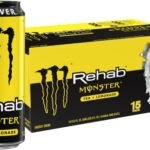
The most obvious comparison is V8 Energy Peach Mango vs Monster – because they target opposite people. Monster’s original flavor hits like a truck: 160mg of caffeine, a wall of high-fructose corn syrup, and a taste that’s unmistakably “energy drink.” You buy it when you’re staring down a 12-hour shift or a long drive. V8 Energy Peach Mango is the opposite. Its caffeine content is just 80mg – roughly half a cup of coffee – and the base is reconstituted vegetable juice (carrot, sweet potato, beet). That sounds weird, but the peach and mango cover it completely. It tastes like a slightly thinner fruit juice, no chemical edge. If you’ve ever crushed a Monster and felt your heart race, V8 is the saner choice. But if you need a real kick, you’ll be disappointed. Is V8 Energy Peach Mango worth it? Only if you value steady sipping over a lightning bolt.
V8 Energy Peach Mango vs Celsius: The Health‑First Showdown
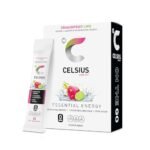
Celsius Peach Mango crsks the health‑conscious angle differently. It’s zero sugar, uses green tea caffeine, and adds a thermogenic blend (green tea extract, guarana, ginger). On paper, it’s the better “healthy option.” But tasting them side by side tells another story. V8 Energy Peach Mango is smoother, more juice‑like, with no bitter tea note. Celsius has a sharp, slightly medicinal finish – fine if you’re used to diet drinks, but not for everyone. And while Celsius packs 200mg of caffeine (great for a workout), V8’s lower dose means you can drink it all afternoon without a crash. The real tiebreaker: price. V8 costs a third of Celsius per can. If you’re watching your wallet and just want a light afternoon pick‑me‑up that doesn sinner? you? V8 wins. If you need a pre‑gym boost and don’t mind spending $2.50, grab Celsius.
V8 Energy Peach Mango vs Bang: For the Sensible Caffeine Consumer
Bang Peach Mango is a different planet. 300mg of caffeine per can, zero sugar, and a ridiculous dose of artificial sweeteners. One sip and you know it’s lab‑made. V8 Energy Peach Mango is the opposite – it tastes like something you could pour over granola. The key difference isn’t just caffeine; it’s volume. Bang comes in 16‑ounce cans, V8 in 8‑ounce. You can drink a whole V8 and not feel wired. Finishing a Bang means you’re buzzing for hours, and maybe crashing later. If you need to stay awake for a 24‑hour exam cram, Bang works. But for a daily driver – an alternative to coffee that doesn’t wreck your taste buds – V8 is the smarter pick. Among all V8 Energy Peach Mango alternatives, Bang is the radical opposite, not the replacement.
So who should buy V8 Energy Peach Mango? You. If you drink energy drinks for the taste first and the caffeine second – or you just want something that pairs with lunch without making your teeth feel sticky. It’s also the best choice if you’re on a budget and tired of paying $2 for a can of chemicals. But if you need serious alertness – the kind that gets you through a double shift or a 5 a.m. wake‑up – skip it. Go with Monster Energy Original instead. It’ll hit harder, even if it taste like a punch bowl from 2002.
Ready to decide on the V8 Energy Peach Mango?
See today’s price, stock and delivery options on Amazon.