Excellent value for everyday hydration needs at a very low cost.
Price vs. rivals
Pricier
CheaperTypicalPricier
This 15-pack is priced slightly above typical alternatives for purified bottled water, reflecting a moderate premium for a well-known national brand.
Ease of use
Excellent 100/100
Bottled water is extremely easy to use as it requires no preparation and is ready to drink directly from the bottle.
Overview
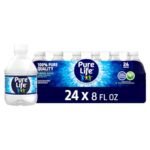
This Pure Life Bottled Water review gets right to the point: at about $4.95 for a 15-pack of 16.9 oz bottles, you’re looking at one of the most affordable ways to grab water and go. It’s not fancy. It doesn’t pretend to be. What it does is solve the problem of “I’m thirsty, the tap isn’t cold, and I don’t want to wash a glass.” The people who reach for this tend to be the ones stocking a fridge for lunch packing, throwing a case in the car for a road trip, or keeping a stash by the desk because the office water cooler is always empty.
It’s purified water, which means it’s been run through reverse osmosis and then had a few minerals added back for taste. That last part matters more than you’d think—it’s the difference between water that tastes like nothing and water that tastes like a clean glass. Pure Life lands on the “clean glass” side of that line.
Key Features
Purified with reverse osmosis – This process strips out chlorine, sediment, and most of what makes tap water smell like a swimming pool. You get water that’s consistent from bottle to bottle.
16.9 oz (500 ml) size – It’s the standard disposable-bottle size. Big enough to quench real thirst, small enough that it fits in a car cupholder and won’t go flat or warm before you finish it.
15-pack quantity – Not a giant case that takes over your pantry, not a single bottle you burn through in one afternoon. For a household of two or a solo drinker, it’s a week’s worth of grab-and-go hydration.
Snap-cap design – The cap screws off cleanly and re-seals tight. No annoying perforated ring that leaves a jagged edge. People who use these for the gym or lunchboxes appreciate that the bottle doesn’t leak in a bag.
Lightweight plastic (PET) – The bottles are thin enough to crush down for recycling, but sturdy enough to toss in a cooler without splitting. The trade-off is that they don’t feel premium in hand.
No added sweeteners or flavors – It’s just water with a small amount of minerals (calcium chloride, sodium bicarbonate) for taste. Nothing to worry about for anyone watching their sugar or artificial ingredient intake.
Fit for You
You pack lunches every day and need something that won’t leak on the sandwich.
You keep a case in the car for summer road trips where rest-stop water costs $2 a bottle.
You have a teenager who drinks three bottles a day and treats tap water like it’s a personal insult.
You live in a place where the tap water has a sulfur or metallic note you can’t get past.
You want a backup supply for the pantry when there’s a boil-water advisory.
You’re hosting a kid’s birthday party and don’t trust 12 different sippy cups to survive the afternoon.
Uses
This is the water you grab on the way out the door. Early mornings when the coffee hasn’t hit yet and you need to hydrate before the commute, this bottle fits in the same hand as your keys. A lot of people keep them in a mini-fridge at their desk, because a cold bottle at 3 p.m. is cheaper and healthier than a third cup of coffee.
For workout bags, the 16.9 oz size is actually better than the bigger 1-liter bottles. You can drink it between sets without sloshing, and because it’s small, you’re more likely to finish it and stay hydrated instead of carrying half a bottle of warm water home. Hikers and dog walkers like these for the same reason—light enough to carry, easy to crush when empty.
The big scene is parties and gatherings. Nobody wants to wash 30 glasses. Put a few bottles on ice in a tub, and people grab their own, write their names on the cap with a sharpie, and you never hear “whose glass is this?” again.
Experience
Living with Pure Life bottled water means you always have something cold to drink. The bottles sit in a stack on a pantry shelf and take up about as much space as a shoebox. One of the first things you notice is the plastic—it’s noticeably thin compared to a Dasani or a Deer Park bottle. Squeeze it too hard while opening the cap and you’ll spray yourself. That’s a real annoyance, not a hypothetical one. People with arthritis sometimes mention the bottle is hard to grip without crushing it.
The taste is where this water makes its case. It’s neutral and clean, with none of the “plastic” taste that cheap bottled water sometimes picks up after sitting in a hot warehouse. You can leave a case in the trunk for a few days and the water still tastes fine. That matters more than most reviews admit, because the whole point of buying water is that it should taste like nothing in particular. Pure Life delivers that. It’s not crisp or mineral-forward or any of the words people use for $3 glass-bottle waters. It’s just water, and it’s fine.
One thing regular buyers mention: the label peels off cleanly in one piece. If you’re the kind of person who repurposes bottles for homemade iced tea or a desk plant mister, that’s a small but real win. The cap is easy to grip even with wet hands. Re-sealing feels secure; you can tip a half-drunk bottle into a bag without worry.
The big letdown is the environmental angle, and it’s honest to say it. These are single-use plastic bottles. You can recycle them, but recycling isn’t perfect, and the plastic is thin enough that it sometimes doesn’t survive the sorting process. Heavy daily users of bottled water should think hard about whether a reusable bottle and a filter pitcher might work better for the long haul.
Pros and Cons
Pros
Price is hard to beat – At roughly 33 cents per bottle, it’s one of the cheapest ways to buy bottled water that still tastes decent. You won’t find a better price in this category without buying store brand.
Clean, neutral taste – The purification process removes the off-notes that make tap water in some areas undrinkable. It doesn’t taste like plastic or chemicals.
Small size works for portability – Fits in standard cup holders, lunchbags, and bike bottle cages. The 16.9 oz size is practical for a single drinking session without waste.
Re-sealable cap is reliable – Leaks are rare with this brand. You can toss an open bottle in a gym bag and trust it not to soak your stuff.
Easy to find anywhere – Pure Life is a Nestlé (now BlueTriton) brand, so it’s stocked in grocery stores, convenience stores, big box retailers, and online. You don’t have to hunt for it.
Cons
Plastic bottles are thin and weak – A light squeeze will deform the bottle, and a tight grip while twisting off the cap can spill water down your front. They don’t hold up to rough handling.
Not a premium taste experience – If you’re used to spring waters like Evian or alkaline brands, this will taste flat and processed. It’s purified water, not mineral water. The difference is real.
Single-use plastic is a real waste concern – For anyone who drinks multiple bottles a day, the plastic waste adds up fast. This is not an eco-friendly choice compared to a reusable bottle.
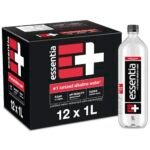
No electrolyte boost – Unlike Smartwater or Essentia, there’s no added electrolytes for taste or hydration claims. It’s bare-bones water, which is fine for everyday thirst but not ideal for heavy sweating or post-workout recovery.
Advantages
Pure Life vs Dasani is probably the most common head-to-head in this price range. The short answer: Pure Life tastes less minerally. Dasani adds magnesium sulfate and potassium chloride for a “crisper” profile, which some people love and some people think tastes like a penny. Pure Life is more neutral, which makes it the safer bet if you’re buying for a group or just want water that doesn’t announce itself.
Compared to store-brand purified waters, Pure Life has a more consistent taste across batches. Regional store brands sometimes vary because they buy from different bottlers. Pure Life uses the same purification standards everywhere.
For the best bottled water for daily drinking under the $6-per-case price point, this is a solid contender. It’s not the best water you can buy, but it’s the best water you can buy without feeling like you’re wasting money.
Who Should Buy
You’ll like Pure Life if:
You need an affordable bulk option for lunchboxes, parties, or emergency supplies.
You prefer water that’s neutral and doesn’t have a strong mineral taste.
You shop on a budget and don’t see the point in spending $2 on a single bottle of spring water.
You want a brand you can find at any gas station or grocery store when you forget your reusable bottle.
Skip it and look elsewhere if:
You’re committed to reducing single-use plastic. Buy a reusable bottle and a countertop filter instead.
You want water with a distinct mineral character or higher pH. Look at Mountain Valley Spring Water or Essentia.
You need a bottle that survives being tossed into a packed cooler or dropped on concrete. Get a stainless steel bottle.
FAQ
Is Pure Life bottled water worth it?
Yes, if what you need is affordable, reliable, neutral-tasting water in a portable bottle. It’s not the best tasting or the most eco-friendly option, but at roughly 33 cents each, it solves the “I need water now” problem better than almost anything at this price.
How does Pure Life compare to Dasani?
Pure Life is more neutral in taste; Dasani has a sharper, slightly mineral flavor from added salts. Neither is better, they’re just different. If you’re buying for a group, Pure Life is the safer pick because fewer people find it off-putting.
Is Pure Life water safe for everyday drinking?
It’s regulated by the FDA as a packaged food product and undergoes reverse osmosis filtration, which removes contaminants. The added minerals are food-grade and GRAS (generally recognized as safe). For daily hydration, this is a fine choice.
Does Pure Life contain fluoride?
Pure Life purified water does not add fluoride. The reverse osmosis process removes most of it if present in the source water. If you rely on tap water for dental health, you should be aware this water doesn’t provide fluoride.
How long does a 15-pack of Pure Life last?
For one person drinking one bottle a day, a 15-pack lasts about two weeks. For a family of four packing lunches, it might be gone in three or four days. The bottles have a shelf life of about two years if stored in a cool, dark place.
Can I reuse the plastic bottles?
Technically yes, but the thin plastic degrades quickly. After a few washes, the bottle will soften, the cap may crack, and bacteria can grow in the threads. Reusing once or twice for water is okay, but for daily use, get a proper reusable bottle.
Final Verdict
The Pure Life 16.9 oz water bottles are a solid, no-frills option for anyone who needs convenient hydration without spending a lot. If you’re looking for the best bottled water for daily drinking on a tight budget, this is exactly what you want. It does the job, tastes clean, and won’t make you wince at the register.
The one thing to keep in mind: these bottles are thinner than most competitors. Handle them with a light grip when opening, and you’ll avoid the spray. If you can live with that quirk, this water is a reliable buy for homes, offices, and trips where “just water” is exactly what you need.
Pure Life Bottled Water vs the Competition in 2026
Pure Life sits squarely in the budget aisle of the bottled water world—cheap, widely available, and decent enough to get you through a workday. But “decent” doesn’t always win the daily drinking vote when Dasani, Aquafina, and house-brand bottles are all fighting for your hand. This comparison keeps it concrete: where Pure Life shines, where it falls a step behind, and who should actually buy it.
Product
Price Range
Key Strength
Key Weakness
Best For
Pure Life Bottled Water (15-pack, 16.9 oz)
Budget (≈$4.95)
Consistent taste, wide availability
Can taste slightly “flat” to some
Everyday hydration on a budget
Dasani Purified Water
Mid ($4–$6 for 24-pack)
Added magnesium and potassium for a “cleaner” mouthfeel
Some detect a faint salty-mineral aftertaste
People who want a noticeable difference in taste
Aquafina Purified Water
Budget ($3.50–$5 for 24-pack)
Extreme purification process (reverse osmosis + ozonation)
Plastic bottle odor can creep in if stored warm
Cost-conscious shoppers who prioritize purity claims
Great Value Purified Drinking Water (Walmart)
Super-budget ($2.50–$4 for 24-pack)
Lowest price per bottle by a clear margin
Thinner bottle walls, less consistent quality control
Absolute lowest cost, no-frills hydration
Pure Life Bottled Water vs Dasani
Dasani adds a blend of minerals (magnesium sulfate, potassium chloride) back after purification, which gives it a slight “crispness” that some people swear by. Pure Life doesn’t bother with any of that—it’s just filtered, UV-treated water and nothing else. If you’ve ever thought Dasani tastes a little metallic or salty, that’s the mineral addition. Pure Life is neutral, almost forgettable, which works fine if you’re drinking it to stay hydrated rather than savoring every sip. For the same price (roughly), Dasani offers more character; Pure Life offers less risk of a weird aftertaste. Is Pure Life bottled water worth it compared to Dasani? Yes, if you prefer water that tastes like, well, water—no surprises.
Pure Life Bottled Water vs Aquafina
Aquafina and Pure Life are both budget purified waters, but Aquafina cranks up the purification process an extra notch—it goes through a proprietary seven-stage system that includes reverse osmosis and ozonation. The result is water that’s virtually free of dissolved solids, which can make it taste … empty. Pure Life’s purification is thorough but less aggressive, so it retains a minor trace of actual mineral presence. The real difference, though, is the bottle: Aquafina’s plastic feels slightly thicker, but I’ve noticed a stronger chemical smell if the case sits in a hot warehouse. Pure Life’s bottle is a bit flimsier but rarely off-gasses. For daily drinking where you’ll crush five bottles a day, Pure Life wins because it’s more consistent from pack to pack. For a one-off cooler, grab whichever is cheaper.
Pure Life Bottled Water vs Great Value (Walmart)
Great Value purified water is the price king—often 30–40% cheaper than Pure Life per bottle. That’s a lot of savings if you’re buying by the case every week. The catch? The plastic bottle walls are noticeably thinner, and the water sometimes has a faint “tap” aftertaste, especially if you’re comparing right after opening. Pure Life’s quality control is tighter; you rarely get a funky bottle, and the water stays clean-tasting across different batches. So if you’re buying best bottled water for daily drinking and you absolutely need to cut costs, Great Value works—but you accept the occasional off-bottle. Pure Life is the safer bet for peace of mind at a still very low price. Pure Life water quality is more reliable than the cheapest alternative, and that reliability matters when you’re chugging water all week.
At the end of the day, grab the Pure Life 16.9 oz water review crowd’s favorite: a 15-pack for around five bucks. It’s the sensible, middle-ground choice for anyone who wants decent-tasting water without fussing over mineral additives or paying extra for a logo. If you’re the kind of person who notices every nuance in your glass, Dasani gives you that. If every penny counts, Great Value is there. But for the broadest “good enough and always the same” daily driver, Pure Life makes the most sense.
Ready to decide on the Pure Life Bottled Water?
See today’s price, stock and delivery options on Amazon.