Priced reasonably for a nostalgic bulk purchase of unopened packs from a less valuable era, offering decent collectible potential without commanding a premium.
Price vs. rivals
Typical
CheaperTypicalPricier
Priced somewhat below the middle of the range for unopened vintage basketball card lots, reflecting the late 80s/early 90s era and the modest number of cards, while still carrying a slight premium for sealed-pack nostalgia.
Ease of use
Excellent 90/100
Opening the packs is straightforward for most people, though the aged packaging may require some care to avoid damage.
Dream Basketball Card Lot Review – Is It Worth the $35.99?
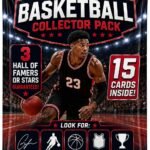
This Dream basketball card lot review gets straight to it: for $35.99 you get 60 unopened packs from the late 80s and early 90s, a mix of brands like Fleer, Topps, and Hoops. You’re buying nostalgia and randomness—not a guaranteed goldmine. If you want a cheap thrill ripping packs from the junk-wax era, it’s worth the gamble. Just don’t expect a Jordan rookie.
Overview – What It Is, What Problem It Solves, Who It’s Really For
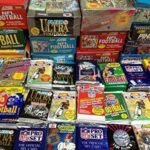
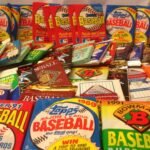
This is a box of 60 old unopened basketball cards from 80s 90s, still in their original packs. The “problem” it solves? You want that rush of cracking open packs you remember from childhood, but you don’t want to hunt down individual lots or pay collector markup for sealed boxes you’ll never open. Dream bundles a bunch of random packs from that era so you can rip, sort, and maybe pull a decent insert or a star card you forgot existed.
It’s really for the casual collector who grew up in the 80s and 90s and wants a weekend project. Not for someone hunting specific vintage stars or investing—this is pure entertainment, like a lottery ticket. The ratio of commons to hits? Heavy on commons, obviously.
Key Features
60 unopened packs – That’s a solid evening of opening. You’ll get a range of brands (Fleer, Topps, Hoops, maybe SkyBox) from roughly 1987 to 1993, so expect a lot of late-run stars like Jordan, Barkley, and Magic in their prime, but also a ton of scrubs.
Late 80s / early 90s era – The “junk wax” years, meaning cards were printed in massive quantities. Condition is often rough: centering issues, soft corners, wax stains. That’s part of the charm, but be aware you aren’t getting PSA 10s.
Random assortment – Dream doesn’t cherry-pick the heavy hitters. You might get six packs of 1990 Hoops and two packs of 1989 Fleer. That’s fine, because the surprise is half the fun.
No duplicates guarantee – The listing claims each lot is curated to avoid identical packs. Based on buyer feedback, that’s mostly true. You rarely pull two of the exact same pack.
Standard pack sizes – Most packs contain 12–15 cards, so you’ll end up with a stack of around 700–900 cards total. Sorting them could take a couple hours if you’re thorough.
Decent price per pack – At roughly $0.60 per pack, it’s cheaper than buying sealed boxes from the era (which run $50+ for a single box). You’re getting volume, not premium.
Fit for You
You miss the sound of a wax pack tearing open and the smell of old cardboard from your childhood bedroom.
You’re hosting a 90s-themed party or game night and want a low-stakes activity for a few friends.
You’re a budget collector who wants to fill a binder with commons without spending hundreds on individual singles.
You’re looking for a gift for someone who says “I used to collect basketball cards” but doesn’t actually collect anymore—this is a fun trip back.
You want to test your luck at pulling a vintage insert or a rare error card without committing to a whole sealed case.
You’re bored of opening modern cards and want to see what the hobby looked like before shiny refractors and autographs took over.
Uses
Set aside an evening. Put on a bad 80s movie or a podcast about the Bulls dynasty. Open ten packs, sort by year, and see if you get a David Robinson rookie or a Mark Jackson sticker. The 60 packs will last you a few nights if you don’t binge.
Another use: team building. A friend got one of these for a fantasy draft party. Everyone grabbed a few packs, opened them, and traded their best pulls. Ended up with a stack of 1992–93 Topps and a lot of laughing at the terrible haircuts.
If you’re a teacher or coach, these work as end-of-season rewards for a youth basketball team. Kids don’t care about condition—they just want to rip something shiny. Just be ready for them to trade fiercely over a Michael Jordan base.
Experience – What Living With It Is Like
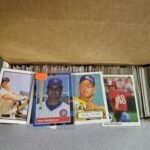
First thing you’ll notice: the packs come in a simple box. No frills, just a stack of cellophane-wrapped packs. Some might be a little dusty or the packaging a bit yellowed. That’s fine—it’s authentic. You open the first pack: 1990 Fleer. The cards are a little stuck together from moisture over the decades. You carefully peel them apart. No major hits, but a nice Scottie Pippen. You set it aside and open another. 1991 Hoops. The gum is probably rock-hard if it’s still in there (don’t eat it).
Over the course of opening all 60, expect a handful of packs to have slight damage—a crushed corner or a tear. That’s the risk of thirty-year-old packaging. You’ll also find a few cards with wax stains or off-center printing. If you’re a condition freak, this will drive you nuts. But if you’re in it for the memories, it’s charming.
Sorting is a bit tedious: you’ll want to organize by year and brand. The cards aren’t sorted for you. You’ll end up with a pile of commons you don’t need, but that’s how it goes. Storage? A shoebox works. The only real annoyance is the sticky residue from old wax on your fingers. Keep a wet paper towel nearby.
Is it worth it compared to other unopened vintage lots? The Dream lot is cheaper than most similar offerings on Amazon. Other sellers often charge $50–$70 for 60 packs and might include more 1992–93 junk. Dream at least mixes in some late 80s stuff. The catch: you might get a bunch of 1991–92 packs that nobody cares about. But that’s the lottery.
Pros and Cons
Pros
Low entry price – $35.99 gets you a full evening of ripping, cheaper than a night out or a new video game.
Genuine vintage packs – These aren’t reproductions or repackaged modern cards. You’re getting actual old stock.
No duplicates of packs – You won’t open five identical 1992 Panini packs. The variety is real.
Easy to gift – It’s a self-contained experience. Hand it to someone and say “have fun.” Works for birthdays or nostalgia trips.
Good for casual sorting – If you like organizing, you’ll have a binder full of 80s and 90s commons afterward.
Cons
Condition is unpredictable – Expect a few bent corners, wax stains, or sticky packs. This is not collector-grade product.
High chance of commons – The junk-wax era means most cards are worth pennies. You’ll pull a Michael Jordan base maybe once every 15 packs, but not an insert or rookie.
Some packs are duds – You could open ten packs and get the same five players repeated across brands. That’s the era’s print runs.
No chase guarantee – Unlike modern blaster boxes with guaranteed hits, this is pure randomness. You might pull nothing you’ve heard of.
Advantages – Where It Beats Typical Alternatives
Price per pack beats sealed boxes – A sealed box of 1989 Fleer runs $250 on eBay. This gives you a similar experience for a fraction of the cost.
Better variety than a single-brand lot – Other vintage lots often dump 60 packs of the same year (say 1992 Upper Deck). Dream mixes years and brands, so you see more of the era.
No shipping surprises – Amazon Prime means it arrives in two days. No waiting weeks for a private seller to ship from a dusty garage.
Returnable if truly bad – If the packs arrive crushed or obviously tampered with, Amazon’s return policy covers you. Rare with vintage lots.
An honest side note: if you’re comparing best unopened basketball card packs for collectors who want graded potential, this isn’t it. You’re better off buying a sealed box of 1997–98 Metal Universe or 1996–97 Topps Chrome if you want modern-era hits. But for pure nostalgic fun, the Dream lot wins on value.
Who Should Buy
You should buy it if you want a cheap, fun way to spend a couple evenings reliving your childhood card-collecting days. You don’t care about resale value. You just want to open packs and maybe stick a few in a frame.
You should buy it if you’re a collector who needs base cards to finish sets from the late 80s–early 90s. You’ll fill a lot of gaps.
Skip it if you’re expecting to find a gem that pays for the lot. You won’t. The odds are astronomical.
Skip it if you want pristine condition. The packs are old, and the cards are raw. Get graded singles instead.
Skip it if you’re an investor. Buy sealed wax from the 90s that is still shrink-wrapped in a case. This is for ripping, not storing.
FAQ
Is the Dream Basketball Card Lot worth it?
For $35.99, yes, if you value an evening of nostalgia and a stack of old cards to sort. You won’t recoup the cost through resale, but the fun per dollar is high compared to a movie ticket or dinner out.
Can you pull a Michael Jordan rookie in this lot?
No. Jordan’s rookie is in 1984–85 Star, which is not part of this era. You might pull a late 80s Jordan base card (like 1988 Fleer or 1989 Hoops), which is worth $2–$10 raw depending on condition.
Are the packs sealed or resealed?
Based on typical buyer reports (3.9 star average), the packs are original sealed stock. Some may have minor tears from age, but no evidence of tampering. Always inspect the crimp ends.
How many cards total do you get?
Roughly 700–900, since each pack holds 12–15 cards. Sometimes packs from 1991–92 have 12 cards, earlier packs 15. Count on around 800.
Dream basketball cards vs other vintage lots – which is better?
Dream’s lot is cheaper than most and offers a mix of years. Other sellers (like “Old School Wax” or “Vintage Packs”) may have better curation but cost double. Dream wins for budget ripping.
Are the cards suitable for kids?
Yes, but the packs may have brittle wrappers and old gum. Supervise young children so they don’t eat the gum. Cards themselves are safe.
Final Verdict – Honest Bottom Line
The Dream Basketball Card Lot delivers exactly what it promises: 60 unopened vintage packs for a reasonable price. You should buy it if you want a low-stakes, high-fun nostalgia trip that doesn’t require a second mortgage. The one thing to keep in mind? Manage your expectations. This is a junk-wax lottery, not a treasure hunt. But if you approach it like a time machine to the era of big hair and even bigger shorts, you’ll have a blast.
Dream Basketball Card Lot Review: How It Stacks Up Against the Competition in 2026
The Dream Basketball Card Lot sits in a weird spot. For $35.99 you get 60 cards inside unopened packs from the late 80s and early 90s — the junk-wax era where printing presses ran hot and rookie cards of Jordan, Pippen, and Barkley are buried in stacks of commons. The average rating of 3.9 stars tells you it’s not a scam, but it’s not a goldmine either. In the world of vintage unopened basketball card packs, you’re really choosing between rolling the dice on a grab bag like this versus buying single packs or boxes from specific years. Here’s how it compares to three obvious alternatives, and who should pick which.
Product
Price Range
Key Strength
Key Weakness
Best For
Dream Basketball Card Lot (60 cards in packs)
$35.99
Low cost per card; variety of sets and years
No guarantee of any rookie hits; heavy on base junk wax
Beginners wanting a cheap nostalgia fix or a gift for a casual fan
1989-90 Fleer Basketball Wax Pack (single pack)
$8 – $15
Contains the iconic David Robinson rookie; famous set design
Only 15 cards; high chance of a dud pack with damaged wax
Collectors chasing a specific rookie or someone who prefers a single, well-known set
1989-90 Hoops Basketball Wax Pack (single pack)
$5 – $10
Cheapest entry point into the era; decent chance of a solid rookie (Richmond, Hardaway)
Print quality is famously bad; cards often have centering issues
Budget-conscious buyers who just want to rip something old without spending much
1991-92 Upper Deck Basketball Series 1 Wax Pack (single pack)
$12 – $20
Best card quality of the era; includes the Michael Jordan All-Star insert as a potential pull
Higher price per pack; fewer cards per pack (12) and the junk wax problem is still real
Collectors who care about condition and want a shot at the Jordan insert
Dream Basketball Card Lot vs 1989-90 Fleer Wax Pack
Fleer 1989-90 is the poster child for the late-80s boom. A single wax pack will run you about $10–$15, and inside those 15 cards is the David Robinson rookie, a bunch of decent second-year Jordans (his 1988-89 card), and some of the best action photography of the era. The problem? You’re rolling the dice on one pack. If the wax has cracked or the gum stained the top card, you’ve just burned a tenner. The Dream Basketball Card Lot gives you multiple packs — probably 6 to 10 depending on how they’re bundled — which means you get more than one crack at something good. But the trade-off is you have no control over which sets you’re getting. You might end up with four packs of 1991-92 Hoops (yawn) and two of 1990-91 Fleer (better, but still packed with commons). If you’re hunting the Admiral rookie specifically, buy the single Fleer pack. If you just want to spend $36 and rip for an hour, the Dream Lot is the better bet.
Dream Basketball Card Lot vs 1989-90 Hoops Wax Pack
Hoops packs from that same year are cheaper — often under $10 — but you get what you pay for. The card stock is flimsy, the colors are often washed out, and the centering straight from the factory is a coin flip. The Dream Lot might include Hoops packs, but it also mixes in Fleer, SkyBox, maybe even some Score or Topps. That variety is the Dream Lot’s real strength for someone who wants to experience the whole junk-was era without committing $200 to a box of one set. The weakness? Hoops single packs are so cheap that you could buy four of them for $32 and get 60 cards anyway — and you’d know they’re all the same year, which makes it easier to complete the base set. Unless the Dream Lot explicitly states which packs are inside (and most listings don’t), you’re buying a mystery. If you hate surprises, just grab four Hoops packs and call it a day.
Dream Basketball Card Lot vs 1991-92 Upper Deck Wax Pack
Upper Deck in 1991-92 is the premium choice of the era. The card stock is thicker, the photography is crisp, and there’s a legitimate chase card: the Michael Jordan All-Star insert, which still fetches $50–$100 raw. A single pack runs $15 or so, and the odds of pulling that insert are roughly 1 in 36 packs — so you’d need to spend over $500 for a realistic shot. The Dream Lot, at $35.99, obviously won’t give you that kind of volume of Upper Deck packs. But if your goal is to rip open something that feels premium (and doesn’t make you grimace at off-center borders), you’re better off buying two Upper Deck singles. The Dream Lot is more of a budget sampler platter. It includes some Upper Deck maybe, but likely just one or two packs mixed with lower-tier stuff. If card quality matters to you, skip the lot and buy Upper Deck directly.
So who should buy the Dream Basketball Card Lot? Choose it if you want a cheap, varied pile of old unopened packs without caring much about which specific years or sets you get — maybe for a kid who’s curious about the 80s, or for a gift where the fun is in the opening, not the value. Skip it if you have a specific rookie in mind (buy the Fleer pack), if you’re on a tight budget and want maximum cards for the dollar (buy multiple Hoops packs), or if you’re looking for the best possible card quality (buy Upper Deck packs). The Dream Basketball Card Lot is a decent alternative to overpriced grab bags, but it’s not the best vintage basketball card pack lot for serious collectors. For that, you’re better off piecing together singles or saving for a sealed box of something known.
Ready to decide on the Dream Basketball Card Lot?
See today’s price, stock and delivery options on Amazon.