Fiji water commands a premium price due to its exotic origin and marketing, yet a high rating justifies strong perceived quality for its segment.
Price vs. rivals
Pricier
CheaperTypicalPricier
Priced significantly above standard bottled water options, reflecting the premium artesian source and brand cachet.
Ease of use
Excellent 95/100
The bottle is easy to open and carry, and the pack offers convenient storage.
Overview
This Fiji Water review of the 24-pack of 500ml bottles answers the worth-it question simply: it depends on whether you buy water for pure convenience or for a specific taste experience. You pay a premium for the soft mouthfeel and the consistent source quality. Whether that premium is worth it comes down to how much you value that difference over tap water or a basic store brand.
Fiji Water comes from a protected artesian aquifer in the Yaqara Valley on the island of Viti Levu. The water is naturally filtered through layers of volcanic rock over hundreds of years, which gives it a distinctively soft mouthfeel and a naturally alkaline pH of 7.7.
The 24-pack solves a simple everyday problem: having clean, consistent, neutral-tasting water on hand without relying on your variable tap water at home or the sometimes-weird plastic flavor of cheaper bottled waters. It’s positioned as a lifestyle staple more than a survival necessity, and it works well in that role.
Key Features
Natural artesian source – It comes from a single aquifer in Fiji, which means every bottle has the exact same mineral composition. No mixing sources or chemical adjustments.
Naturally alkaline pH of 7.7 – A lot of brands add alkalinity with minerals after purification. Here it occurs naturally from the volcanic filtration, which explains why it doesn’t taste manufactured.
BPA-free 500ml packaging – The bottles are lightweight enough to keep the shipping weight reasonable but structured enough to survive being tossed into a work bag or a cooler for the day.
Distinctive square bottle design – The shape is recognizable, which might not matter to you but makes it a favorite for conference rooms and gym shelves where people grab the first bottle they see.
Soft mouthfeel from silica – The water has a naturally high silica content, which gives it that velvety smoothness you don’t get from purified or distilled waters.
Fit for You
You keep a case of water in your car or office and want a taste that doesn’t vary wildly from bottle to bottle.
You pair still water with food or spirits and prefer a neutral, smooth experience over a chemically sharp one.
Your tap water has a strong chlorine or mineral taste that makes you avoid drinking enough water during the day.
You host people regularly and want a water option that looks intentional and tastes great straight out of the bottle.
You’ve been hunting for the best bottled water for daily hydration that actually delivers on smoothness without relying on a carbon filter at home.
Uses
The 500ml size is the sweet spot for a commute, a desk shift, or a flight. You finish it before it goes warm and flat, which keeps the experience fresh every time you open one.
It works well as a neutral base for hydration at meals or with coffee. A lot of people swear by it for mixed drinks where the water character matters, like a simple whiskey tall, where tap water’s chlorine can clash with the spirit.
The one area it doesn’t serve well is heavy exercise recovery. With no added electrolytes, it’s just pure hydration. For a post-run or hot yoga water, you would be better off with a water labeled with electrolytes, like Smartwater or a sports drink. That’s the trade-off of the pure artesian profile.
Experience
The first thing you notice is the mouthfeel. It’s noticeably smooth compared to standard purified water. If you are used to Dasani or Aquafina, the difference is immediate. The finish is clean, with none of that metallic aftertaste you sometimes get from plastic bottles.
The bottles themselves are a little thin. That’s good for the environment, but it means you need to be careful with pressure. If a bottle gets squished in your bag, the cap can pop off and make a mess in your laptop bag. Not a major flaw, but a consistent complaint in owner feedback.
Storage is easy. The case sits flat, the bottles stack well in a fridge, and the distinctive shape makes the bottle easy to grip even when it’s sweating condensation.
Pros and Cons
Pros
Consistently smooth taste – The natural filtration gives it a profile that purified waters can’t match. You’ll always know exactly what you’re drinking.
Natural alkaline pH – The 7.7 pH is a genuine property of the source, not something added in a plant. If you care about alkalinity, this is how it should work.
Versatile pack size – 24 bottles of 500ml is a practical stock for ongoing hydration at home or the office without taking up half a closet.
Recognizable brand and bottle – It looks premium, which matters if you’re putting it out for a client meeting or a party.
Cons
High price per gallon – You’re paying a significant premium for the source and the branding. At roughly $0.90 per bottle, it adds up fast if this is your primary water source.
No added electrolytes – For a premium product, the lack of electrolytes makes it less functional than other premium options like Smartwater.
Shipping footprint – The water travels a long way to reach you. For environmentally conscious buyers, this is a real strike against it.
Bottle caps can leak under pressure – The seal isn’t the most robust. A squeezed bottle in a packed bag can result in a damp surprise.
Not ideal for workouts – If you’re looking for hydration after a hard sweat, this water won’t replenish your electrolytes like a sports drink or Smartwater will.
Advantages
Where does Fiji Water stand compared to the crowd? Here’s the honest breakdown.
Fiji Water vs Smartwater. This is the most common comparison, and it comes down to texture versus function. Fiji is soft and silky from the natural minerals. Smartwater is crisp and dry from the distillation and added electrolytes. If you want a water that feels like it’s coating your mouth smoothly, Fiji is your pick. If you want a water that tastes crisp and sharp, Smartwater wins. There’s no right answer, it’s pure preference.
Against Evian or Voss. Fiji holds its own on mouthfeel. Evian is similar in mineral profile but can taste slightly flatter to some people. Voss has the same premium aura but usually costs more per ounce for the glass bottle. Fiji is the practical luxury option.
Against tap water. It depends entirely on your tap. If your tap water is good, a filter at home is a better value. If your tap water tastes like a swimming pool, Fiji is a clear upgrade.
Who Should Buy
Buy it if: You’re someone who notices the difference between soft and hard water, and you’re willing to pay for the good stuff. The consistency is a real benefit over variable tap water or cheap brands.
Buy it if: You need a reliable, high-end water for daily hydration that you can grab and go. The taste consistency is a real benefit over variable tap water or cheap brands.
Skip it if: Water is strictly H2O to you. The price difference between Fiji and a generic brand is wasted money on pure utility.
Skip it if: You want a workout recovery drink. Get Smartwater or a sports drink instead. This is for the desk, the car, and the dinner table, not the gym floor.
Skip it if: Buying water shipped from the Pacific Ocean bothers you. There’s no way around the carbon footprint. Look into local spring waters or a countertop filter.
FAQ
Is the Fiji Water 24-pack worth it?
For a premium artesian water review to call it a clear purchase, you have to be the person who values taste and texture in their drinking water. If you drink water to experience it, yes. If you drink water because you’re thirsty, a filter at home is a better, cheaper deal.
How does Fiji Water compare to Smartwater?
The Fiji Water vs Smartwater debate hinges on texture versus function. Fiji is naturally alkaline and smooth from volcanic rock filtration. Smartwater is distilled and then given added electrolytes for a crisper mouthfeel. Daily drinkers tend to pick a side and stick with it.
What is the pH of Fiji Water?
Fiji Water has a naturally occurring pH of about 7.7. This Fiji Water alkaline pH level comes from its filtration through the volcanic rock aquifer in Fiji. It’s not adjusted in a facility, which means it has a consistent mineral balance across all bottles.
How many bottles are in the Fiji Water 500ml pack?
This specific bundle is the Fiji Water 500ml pack of 24. Each bottle is 16.9 fluid ounces, giving you exactly 3.79 gallons of water per case. It’s the standard pantry stock-up size for this product.
Is Fiji Water good for daily hydration?
Yes, it’s perfectly safe and effective for daily hydration. Just keep in mind that without added electrolytes, it’s not designed to rehydrate you after a heavy sweat session. For sipping all day at an office desk, it’s a strong candidate for the best bottled water for daily hydration.
What makes Fiji Water a premium artesian water?
The definition comes from the source. Artesian water is drawn from a confined aquifer under natural pressure. Fiji Water’s source is in a protected reserve in Fiji, and the water is bottled directly at the source. This purity and the volcanic filtration define its premium artesian water status.
Final Verdict
Is Fiji Water worth it? The honest answer in any good Fiji Water review has to acknowledge the disconnect between the price and the chemistry. It is genuinely expensive for what it is: a very soft, very consistent water with a natural pH of 7.7.
But if you are the person who notices when a restaurant serves poor-quality water, or you enjoy the ritual of drinking something that feels genuinely different from tap, the 24-pack delivers on that experience. The catch is the cost and the environmental baggage. Buy it for the taste, treat it as a luxury, and keep a filter for the everyday heavy lifting. This is the bottom line of this Fiji Water review: it’s a reliable choice for the premium artesian water category, as long as you know exactly why you’re buying it.
Fiji Water 24-Pack vs the Competition: Is Premium Artesian Water Worth It in 2026?
You can find cheaper water. A 24-pack of Dasani sits under five bucks. But the Fiji Water 24-Pack lives on a different shelf entirely. This Fiji Water review spends a lot of time on a single question: does paying the premium for that smooth mouthfeel and natural alkaline pH actually make a difference in your day? This comparison breaks down the main alternatives so you can see exactly what you get for your ~$22 at 500ml per bottle.
Product
Price Range
Key Strength
Key Weakness
Best For
Fiji Water 24-Pack
Premium (~$22/case)
Smooth, soft mouthfeel from natural silica
High price per ounce; shipping carbon footprint
Daily hydration when you want water to feel like a treat
Smartwater (Glaceau)
Mid (~$16/case)
Vapor distilled for absolute taste neutrality
Lacks mineral complexity; thin plastic bottle
Neutral-tasting desk water on a budget
Essentia Water
Premium (~$20/case)
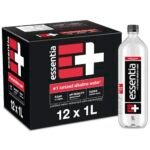
Ionized alkaline at pH 9.5
Slick, bitter aftertaste for some; high price for just plastic
Fans of high-pH health claims
Evian (Danone)
Premium (~$24/case)
Balanced natural mineral profile; iconic brand
“Chalky” taste to purified-water drinkers; round bottle is clumsy
Food and wine pairing
Dasani (Coca-Cola)
Budget (~$5/case)
Ubiquitous and cheap
Noticeable plastic taste; zero mineral character
Large events, bulk hydration, kids’ sports
Fiji Water 24-Pack vs Smartwater: The Neutrality Showdown
Smartwater is the default for a lot of people who just want water to be water. It’s vapor-distilled to strip it completely, then they add electrolytes back for taste. That makes it perfectly neutral, but neutral isn’t the same as good. Fiji has a texture to it, a softness from the silica that Smartwater can’t imitate. When you’re doing a Fiji Water vs Smartwater comparison side-by-side, the difference in mouthfeel is immediate. If you drink it every day, that softness feels like an upgrade. But it costs more—roughly 30% more per ounce. So if your budget says $15 for a case and you just want hydration, Smartwater is fine. If your standards for daily drinking are outgrowing the basic stuff, the Fiji Water 24-Pack makes the case for itself one sip at a time.
Fiji Water 24-Pack vs Essentia: The Alkaline Debate
Essentia goes hard on the alkaline angle. It’s ionized to a pH of 9.5, which is about as high as bottled water gets. Fiji Water’s alkaline pH is natural, coming from the volcanic rock, and it sits around 7.5. You aren’t getting a clinical boost from Fiji, you’re getting water that just happens to be slightly higher on the scale than tap. The taste difference is dramatic. Essentia has a slick, almost bitter finish that polarizes people. Fiji’s whole appeal is that it barely tastes like anything except a clean absence of harshness. If the science of high-pH water is what you’re buying, Essentia has the numbers. If you just want water that’s easy to drink a lot of, the Fiji Water 24-Pack is the simpler, smarter daily bottle.
Fiji Water 24-Pack vs Evian: The Fine Print of Premium
Evian and Fiji are the two names that define the premium shelf, but they go about it in opposite ways. Evian is a natural spring water with a distinct mineral profile—calcium, magnesium, and a taste that some describe as chalky. It’s a great pairing for wine or strong coffee. Fiji’s definition of premium is the opposite: smooth, nearly flavorless, with that distinct mouthfeel from the silica. You also have to deal with the bottles. Evian’s round bottle looks elegant but rolls off your desk and doesn’t fit in a cup holder. Fiji’s square bottle is a legitimate practical advantage for anyone who actually carries water around. Both are around the same price. If you want mineral water, buy Evian. If you want artesian water that hydrates without getting in the way, the Fiji Water 24-Pack is the better call.
So who should actually buy the Fiji Water 24-Pack? People who notice the difference between tap and bottled water, who want something that feels soft in the mouth and doesn’t leave a plastic aftertaste at the end of a long day. It’s the pick for the office fridge or the home pantry where you actually enjoy drinking water. But if you’re looking for the absolute cheapest way to hydrate, get Dasani. If you want extreme purity and a lower budget, stick with Smartwater. And if you want a specific mineral content or a high alkaline pH, Essentia or Evian will serve you better than Fiji. Fiji’s claim to fame is balance—it’s not the cheapest, the purest, or the most alkaline. It’s just the one that tastes like water should taste when you’re paying attention.
Ready to decide on the Fiji Water 24-Pack?
See today’s price, stock and delivery options on Amazon.