Propel delivers a strong value proposition by offering zero-calorie sports hydration with added electrolytes and vitamins at an accessible price point consistent with mainstream competitors.
Price vs. rivals
Pricier
CheaperTypicalPricier
Priced somewhat higher than most zero-calorie sports drink multi-packs from leading competitors, reflecting its added vitamins and electrolyte formulation, though still within the premium segment.
Ease of use
Excellent 98/100
The bottle is easy to open and drink from, requiring no preparation or special effort.
Overview – A Straightforward Propel Kiwi Strawberry Review
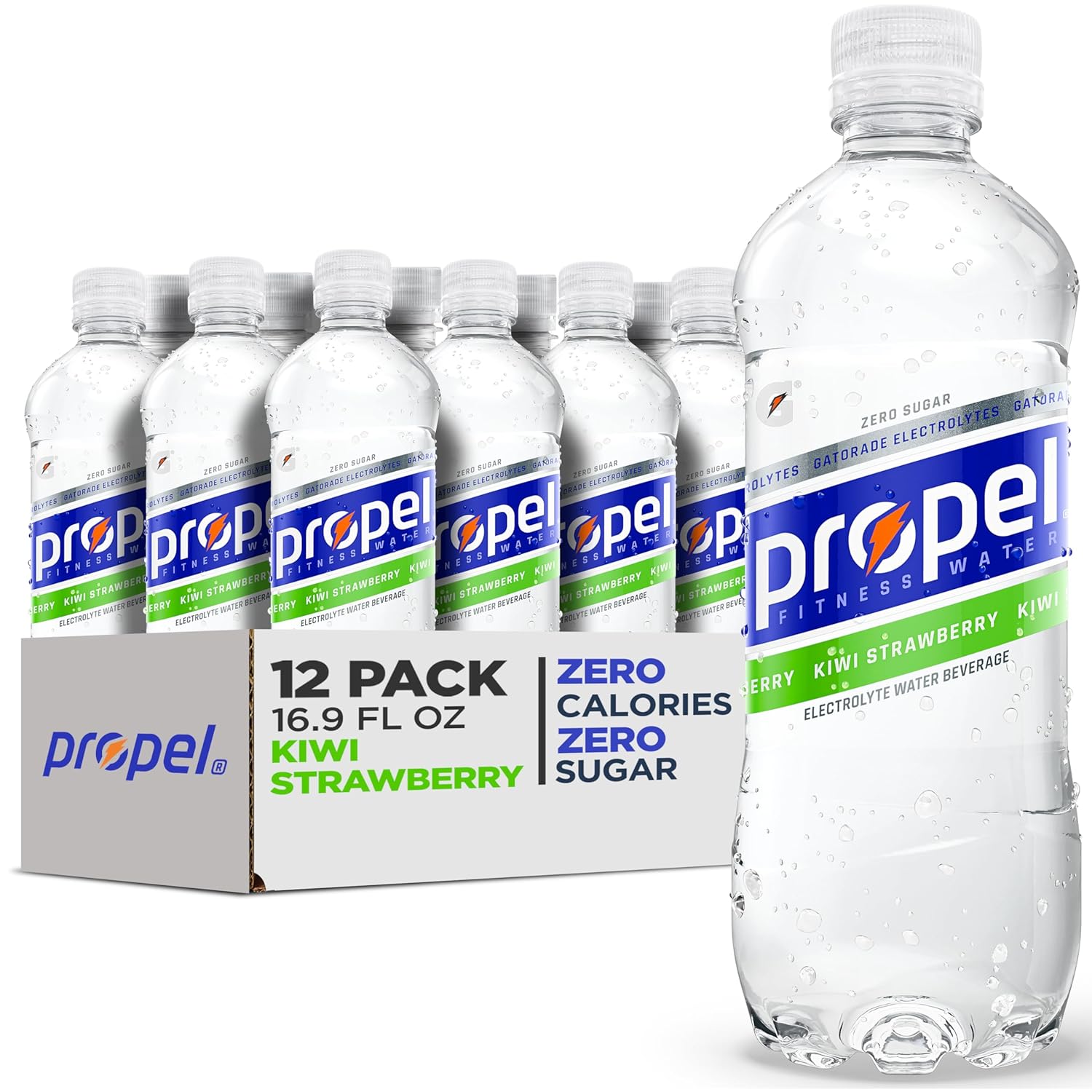
The Propel Kiwi Strawberry review you need is simple: a zero‑calorie sports drink with electrolytes and vitamins C and E that actually tastes decent. It solves the problem of staying hydrated during or after a workout without sugar or artificial sweetener overload. This is for anyone who wants a flavored water that doesn’t taste like medicine and won’t mess with your macros or blood sugar. At roughly $0.83 per 16.9‑ounce bottle when you buy the 12‑pack, it’s a solid everyday choice.
Key Features
Zero calories and zero sugar – You get the flavor and electrolytes without any sugar crash or extra calories. Great for anyone tracking intake or just trying to drink more water.
Added electrolytes (potassium, magnesium, calcium) – These help replace what you lose through sweat, especially during longer sessions or hot days. Not enough to fully recover from a marathon, but good for normal gym sessions or outdoor work.
Contains vitamins C and E – Antioxidants that may help with oxidative stress from exercise. A nice bonus, though not a substitute for a multivitamin.
Light kiwi‑strawberry flavor – It’s sweetened with sucralose (Splenda) and acesulfame potassium, so expect a mild, clean taste without the heavy syrupy feel of some other drinks. Most people find it pleasant, not cloy.
16.9‑ounce bottle size – Fits well in a cupholder, lunch box, or gym bag. Not too big to drink quickly, but enough to si on during a 45‑minute workout.
12‑count pack – Convenient for stocking up. You get a month’s worth if you have one per workout day.
Fit for You – Situations Where This Drink Shines
You finish a 30‑minute HIIT session and want something with electrolytes but hate the syrupy sweetness of most sports drinks.
You’re on a keto or low‑carb diet and need a flavored electrolyte replacement without sugar or carbs.
You work outdoors in the heat – landscaping, construction, coaching – and sip something throughut the day to stay hydrated without crashing from sugar.
You’re a parent who wants a healthier alternative to junce or soda for your kid’s soccer games. (It’s zero sugar, so less risk of energy spikes.)
You travel and need a portable drink that doesn’t spill easily and fits in a carry‑on. No need for a powder
You like the taste of kiwi and strawbery but find plain water boring during workouts.
Uses – Real Moments It Earns Its Keep
Toss a bottle in your gym bag before a lunchtime lift. You’ll reach for it mid‑workout when you start feeling a little sluggish. The electrolytes help stave off that “bleh” feeling, and the flavor keeps you drinking more than you would plain water. After, you’ll be less likely to get a crush headache from dehydration.
or a long car ride or a hike> The small bottle is easy to drink on the go. You can finish it in about 20 minutes without feeling bloated. Pare it with a banana for a light pre‑exrcise snack.
Ever been stuck at a hotel with terrible tap water? Propel in a hotel room mini‑fridge solves that. It’s better than soda, and you don’t have to beg the front desk for more ice.
Exprience – What It’s Like to Drink Propel Kiwi Strawbery Day In, Day Out
First sip: it’s noticeably sweet, but not in a “this is candy” way. More like a subtle fruit water with a slight tang from the kiwi. The strawbery is mellow, not artificial. The sweetener aftertaste is there if you look for it – sucralose has that signature – but it’s far less than, say, a Diet Coke. Most people adjust within a couple bottles.
The bottle itself is a standard single‑serving size. The cap screws off fairly easily, even with sweaty hands. No twist‑off battle. The lable is waterproof enough to survive a cold swea sim. Small detail: the flavor name is printed clearly on the front, so you don’t grab the wrong one from the pack.
Storage is simple – keep them in a pantry or fridge. They don’t need refrigeration, but cold tastes better (duh). One catch: if you let a botle sit half‑drunk in your car in summer, the sweetener can amplify a slightly plasticky taste. Finish it within an hour of opening for best experience.
Cleaning is irrelevant – you recycle the bottle. No shaker cups to scrub. That’s a win.
Pros and Cons
Pros
Zero calories, zero sugar – Perfect for anyone avoiding empty calories or managing blood sugar spikes.
Electrolytes without the thick syrupy mouthfeel – Much lighter than Gatorade Zero or Powerade Zero. You can drink it like water.
Pleasant kiwi‑strawberry flavor – Most people find it refreshing, not cloying. Good enough to drink even when you’re not thirsty.
Contains vitamins C and E – A small antioxidant boost, which is more than most electrolyte waters offer.
Cost‑effective for the quality – About $0.83 per bottle in the 12‑pack. Cheaper than single‑serve soda or fancy electrolyte powder.
Cons
Sucralose aftertaste is present – If you’re sensitive to artificial sweeteners, you’ll notice a slight lingering finish. Some people love it, some tolerate it, a few hate it.
Not a full electrolyte replacement for heavy exercise – For a 2‑hour run in high heat or a tough football practice, you’ll want something with more sodium and potasium, like a tablet or a powereade mix.
Plastic bottles aren’t resealable for long – Once opened, the carbonation (there’s none) isn’t the issue, but the taste degrades after a few hours if you don’t finish it. Store it in the fridge.
Only one flvor per pack – The 12‑count is all kiwi‑strawberry. If you get bored easily, you’ll wish for variety. You can mix and match by buying different 12‑packs.
Advantages – Where It Beat the Alternatives
Versus plain water – The flavor encourages you to drink more, especially during exercise when plain water gets boring. The electrolytes subtly help hydration without making you feel like you’re chuging Gatorade.
Versus Gatorade Zero – Both are zero‑calorie, but Propel tastes cleaner and less syrupy. Gatorade Zero has a thicker mouthfeel and more saltiness. If you like that, stick with it. If you want something lighter, Propel wins.
Versus electrolyte powders – Propel is ready‑to‑drink, no measuring, no shaking, no waiting for it to dissolve. That convenience is worth the small premium.
Versus vitamin water or flavored seltzer – Most flavored waters have no electrolytes. Propel adds those for actual rehydration. It’s a better choice after exercise than Vitaminwater Zero (which has less electrolyte content per serving).
Who Should Buy – And Who Should Skip It
Buy it if: You work out moderately (30–60 minutes, 3–5 times a week) and want something tasty but zero‑calorie to hydrate with. Also if you’re on a low‑carb or keto diet and miss flavored drinks.
Buy it if: You dislike the thick, salty taste of traditional sports drinks but still want the electrolytes.
Skip it if: You need serious electrolyte replacement for endurance sports, extreme heat, or after illness. Propel is not enough; look for a product with 300+ mg sodum per serving, like a tablet or a packet.
Skip it if: You can’t stand artificial sweeteners at all – the sucralose and ace‑K are front and center. Try a drink sweetened with stevia instead (like zeno or skrach).
Skip it if: You want to minimize plastic waste. These are single‑use bottles. A powder you mix in a reusable bottle is more eco‑friendly.
FAQ – Propel Kiwi Strawberry Review: Common Questions Answered
Is Propel Kiwi Strawberry worth it?
Yes, for most people. It’s a reliable zero‑calorie electrolyte drink that tastes good, has added vitamins, and costs under a dollar per bottle. If you drink one per workout day, a 12‑pack lasts nearly two weeks. That’s solid value.
How does Propel compare to Gatorade Zero?
Propel is lighter and less sweet. Gatorade Zero has a thicker consistency and more sodium. If you want a drink that feels more like water with a hint of fruit, go with Propel. If you want something that reminds you of classic Gatorade but without sugar, choose Gatorade Zero.
Is Propel a good sports drink for workouts?
It works well for moderate exercise (under an hour). The electrolytes help replace what you lose through sweat, but the sodium content (around 160mg per bottle) is modest. For longer or hotter sessions, you’ll want a stronger mix.
Does Propel contain caffeine?
No. Propel Kiwi Strawbery has no caffeine. It’s pure water, electrolytes, vitamins, and sweetener. If you want a boost, add a caffeine tablet or drink coffee separately.
Is Propel safe for diabetics?
Yes, because it has zero sugar and zero carbs. The artfiscal sweeteners used (sucralose and ace‑K) are generally considered safe for diabetics in moderate amounts. as always, check with your doctor for your specific situation.
How many bottles are in a pack?
The standard pack contains 12 bottles of 16.9 fluid ounces each. So you get a total of just over 1.3 gallons of drink.
Final Verdict – Propel Kiwi Strawbery Review: The Honest Bottom Line
Propel Kiwi Strawbery is a smart, everyday hydation drink for anyone who wants electrolytes without the sugar or the heavy syrup of traditional sports drinks. It’s not a miracle water – it won’t fix severe dehydration or replace a real meal – but it does exactly what it promises in a palatable, affordable package.
The one thing to keep in mind: if you’re sensitive to artificial sweeteners, taste it first before buying a 12‑pack. For everyone else, this is a solid choice that earns its 4.7‑star rating. Grab a pack for your next workout restock.
The shelf of zero-calorie sports drinks is crowded, but Propel Kiwi Strawberry holds a specific spot: it’s a flavored water with electrolytes and a vitamin boost, not a traditional sports drink. At around $10 for a 12-pack of 16.9 oz bottles, it lands in the middle of the price range—cheaper than some “premium” options but pricier than store brands. The real question is whether the added vitamins C and E and the mild taste justify skipping the more established competitors. Below, I’ve lined up the four main rivals you’re actually comparing it to, with the honest trade-offs you need to know.
Product
Price Range
Key Strength
Key Weakness
Best For
Propel Kiwi Strawberry
Mid (~$10/12pk)
Vitamins C & E, lighter flavor, no artificial dyes
Lower electrolyte content than Gatorade/Powerade; sweetness is mild
Casual workouts, daily hydration, people who find sports drinks too sweet
Gatorade Zero (Lemon Lime)
Mid (~$10/12pk)
Classic electrolyte formula, strong taste, widely available
Artificial colorings, can taste “salty” to some, no vitamin boost
Intense sweating, long cardio sessions, those who want the familiar Gatorade hit
Powerade Zero (Mountain Berry)
Budget (~$7-8/12pk)
More electrolytes than Propel for less money
Syrupy artificial flavor, uses sucralose heavily, no vitamins
Budget-minded athletes who prioritize electrolyte numbers over taste
BodyArmor Lyte (Strawberry Kiwi)
Premium (~$14-16/12pk)
High electrolyte levels, coconut water base, no artificial sweeteners
More expensive per bottle; thicker mouthfeel not for everyone
Long workouts in heat, people who dislike artificial sweeteners
Nuun Sport (Citrus Berry) – tablet
Mid per serving (~$8/10 tabs)
Portable tablets, clean ingredient list, no plastic waste
Requires a water bottle and a minute to dissolve; fizz can be off-putting
Hikers, travelers, minimalist packers who already carry a bottle
Propel Kiwi Strawberry vs Gatorade Zero
The classic head-to-head. Gatorade Zero has about 270 mg of sodium per bottle; Propel hovers around 125 mg. That difference matters when you’re dripping sweat after an hour of running—Gatorade actually replaces more of what you lose. But Propel’s edge is the vitamin C and E. If you use a sports drink mostly to get through a 30-minute treadmill session or to add flavor to your lunch water, the extra salt in Gatorade feels like overkill. And the taste? Propel Kiwi Strawberry is crisp, barely sweet, while Gatorade Zero’s Lemon Lime hits you with that classic artificial-melon tang that some people love and others find cloying. Honestly, if you’re the type who thinks Gatorade tastes like a chemical garden, Propel is your alternative. If you want the electrolyte kick to match your sweat output, stick with Gatorade Zero.
Propel Kiwi Strawberry vs BodyArmor Lyte
BodyArmor Lyte’s Strawberry Kiwi is the direct flavor equivalent, and it’s a premium contender. You pay about 40% more per ounce. For that, you get coconut water (potassium boost) and no artificial sweeteners—they use stevia, which some people find leaves a bitter aftertaste. Propel uses sucralose and acesulfame K, the same artificial sweeteners that are in almost every diet drink. If you’re avoiding artificial anything, BodyArmor Lyte wins. But the texture is thicker, almost oily, because of the coconut water. Propel Kiwi Strawberry is thinner, more like water with a hint of fruit. For a casual workout or just drinking during the day, I’ll take Propel. For a sweaty two-a-day practice, BodyArmor Lyte’s higher electrolyte load (500+ mg sodium) is the better tool.
What about the tablet alternative? Nuun Sport
Nuun Sport tablets are a different beast. Each tab costs about $0.80, same per-serving as Propel, but you supply your own water. That means zero plastic bottles and you can customize the concentration. Nuun’s electrolyte levels sit between Propel and Gatorade—around 200 mg sodium. The big downside: you have to wait for it to dissolve, and the carbonation can be fizzy weird if you shake it too hard. Propel is grab-and-go. But if you commute by bike or hike trails, Nuun’s portability is unbeatable. I throw a few tubes in my pack; I don’t carry twelve 16.9 oz bottles. So for outdoor adventures, Nuun is a real alternative. For desk-sipping and gym machines, Propel wins.
So who should buy Propel Kiwi Strawberry? Anyone who wants a light, vitamin-boosted electrolyte water for daily use—not for max-effort competition. It’s a better choice than Powerade Zero if you dislike that syrupy sweetness, and it’s friendlier on the wallet than BodyArmor Lyte. But if you’re doing heavy cardio and need serious sodium replacement, grab Gatorade Zero. And if you’re trying to cut down on single-use plastic, Nuun Sport is the smarter alternative. Propel sits right in the middle: good enough for most days, but not the best for any one extreme.
Ready to decide on the Propel Kiwi Strawberry?
See today’s price, stock and delivery options on Amazon.